Skopje, Republic of North Macedonia | 21–22 May 2026
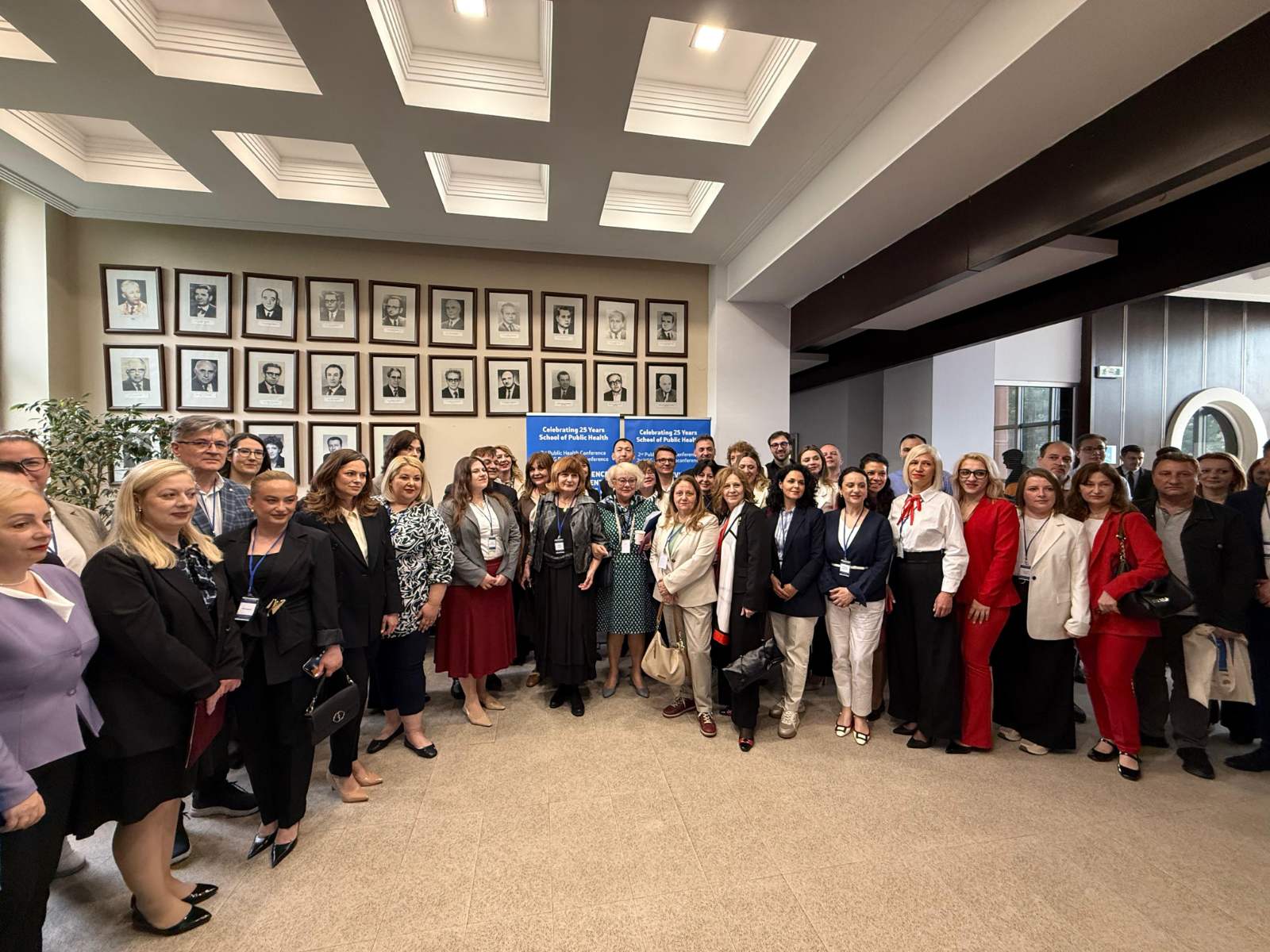
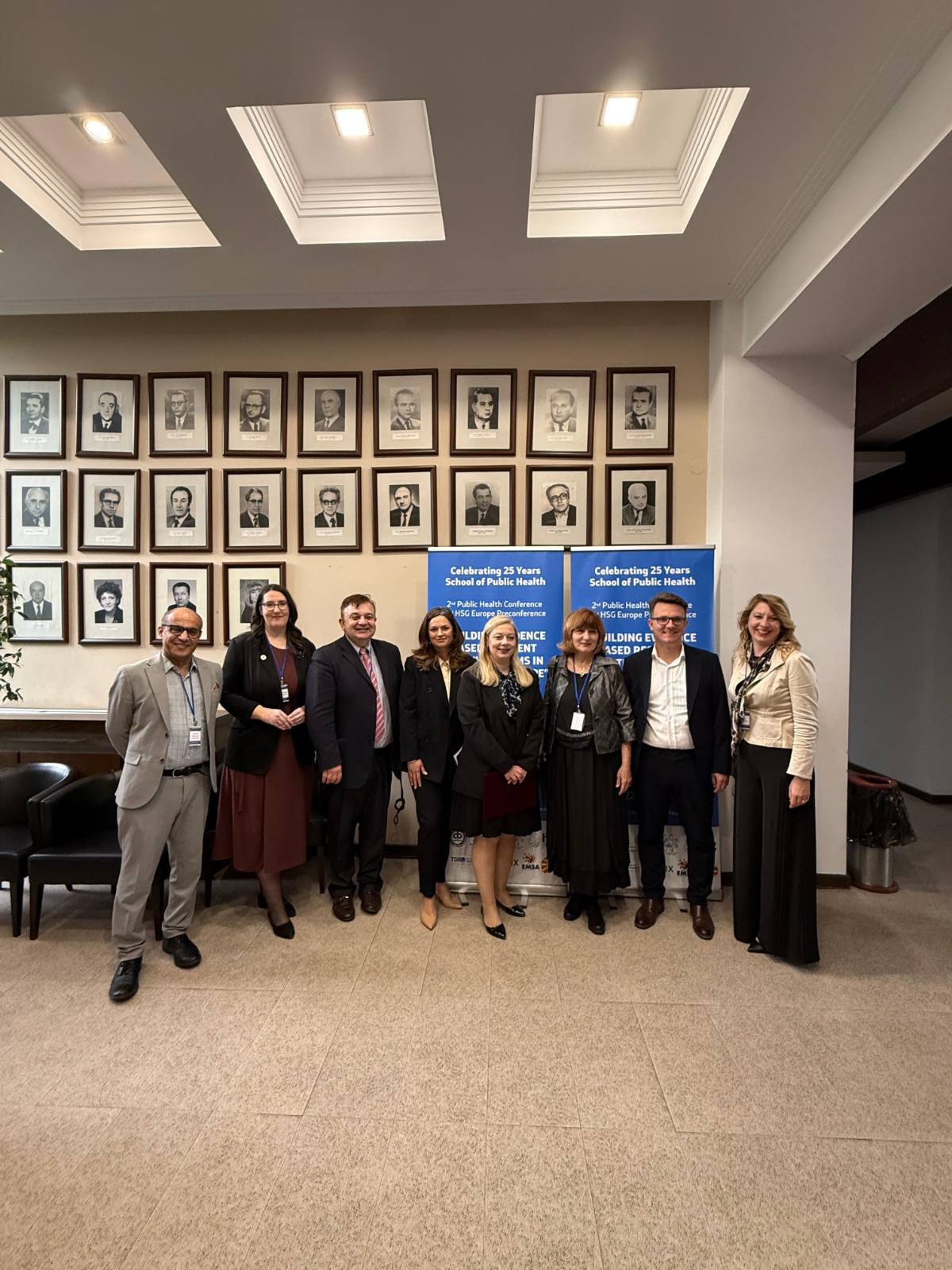
The South-Eastern Europe Health Network (SEEHN) co-organized the 2nd Public Health Conference and the 2nd HSG Europe Preconference, held in Skopje, Republic of North Macedonia, bringing together approximately 100 participants, including academics, researchers, policymakers, public health professionals, students, and health systems experts from the region and beyond, who participated both in person and online.
Organized by the Center–School of Public Health, Faculty of Medicine, University Ss. Cyril and Methodius in Skopje, and the Ministry of Health of the Republic of North Macedonia, together with institutional partners including SEEHN, the Conference served as a regional platform to advance dialogue on the future of public health and health systems research in a rapidly evolving global environment.
Held under the overarching theme “Building Evidence-Based Resilient Health Systems in a Changing Europe,” the Conference contributed to ongoing reflections ahead of the 9th Global Symposium on Health Systems Research (HSR2026) and marked the School of Public Health’s forthcoming 25th anniversary.
The two-day program explored critical policy and systems dimensions, including governance, financing, diplomacy, partnerships, digital transformation, participation, human capital, and health workforce resilience, reaffirming the importance of integrated and collaborative approaches to strengthening health systems.
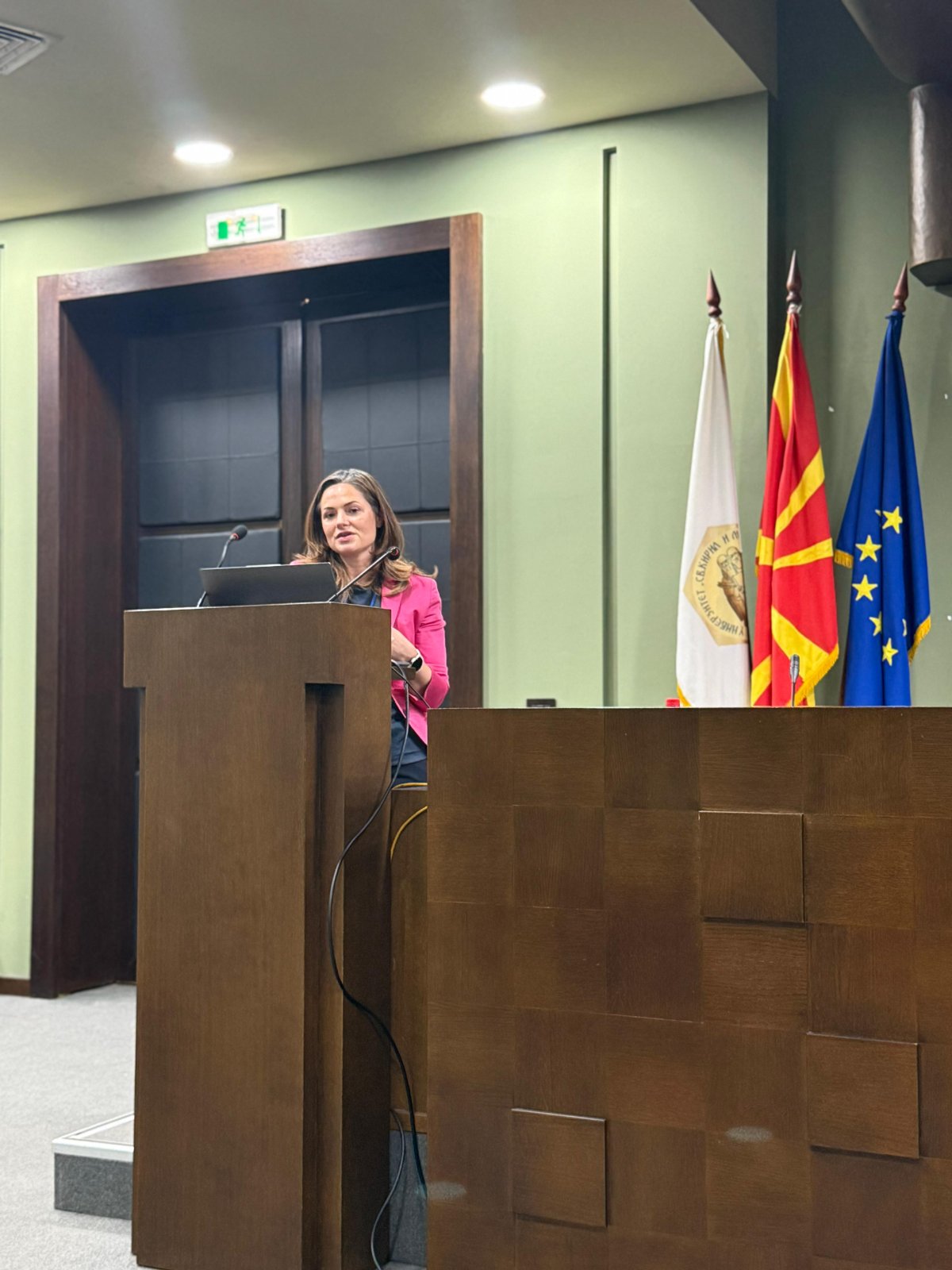
In her opening remarks, Dr. Tatiana Păduraru, Head of SEEHN, underscored the value of regional cooperation, multi-stakeholder dialogue, and stronger linkages among policy, practice, and health workforce development to build resilient and sustainable health systems.
SEEHN contributions throughout the Conference highlighted the growing importance of reinforcing the interface between research, academia and policymaking, emphasizing the role of evidence-informed and science-based decision making in responding to increasingly complex public health challenges.
In this context, reference was made to the spirit of this year’s World Health Day, which reiterated the importance of science, knowledge generation, and academic engagement as essential foundations for effective health governance and resilient health systems.
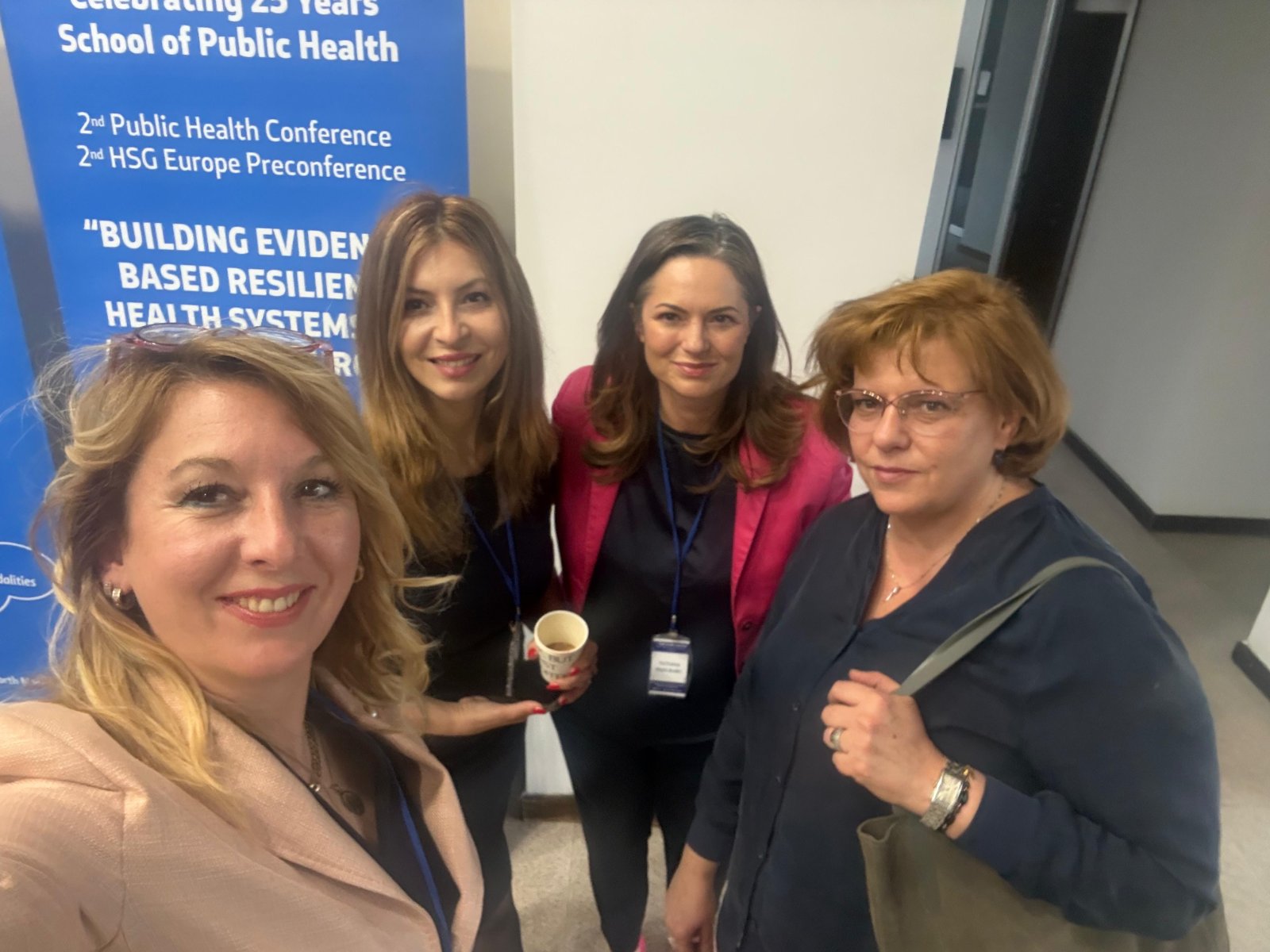
As part of its continued commitment to regional cooperation, knowledge exchange and capacity strengthening, SEEHN supported participation through a dedicated scholarship mechanism for Member States representatives, enabling contributions SEEHN from Albania, Bulgaria, Republic of Moldova, Montenegro, Romania and Serbia, reinforcing regional collaboration and knowledge exchange. SEEHN-supported participants contributed to thematic discussions on regional governance, health systems resilience, digital health, workforce development, public health education, and policy integration.
The Conference reaffirmed that strengthening the translation of research into policy and practice, fostering regional partnerships, and investing in human capital are key enablers of resilient, equitable, and future-oriented health systems.
SEEHN remains committed to supporting regional dialogue, collaborative action, and evidence-based approaches that strengthen health systems and improve health outcomes across South-Eastern Europe.
2PublicHealthConference_1
2PublicHealthConference_5
2PublicHealthConference_4