SEEHN Webinar “Digital Health – From Theory to Practice” Strengthens Regional Momentum Toward Digital Transformation
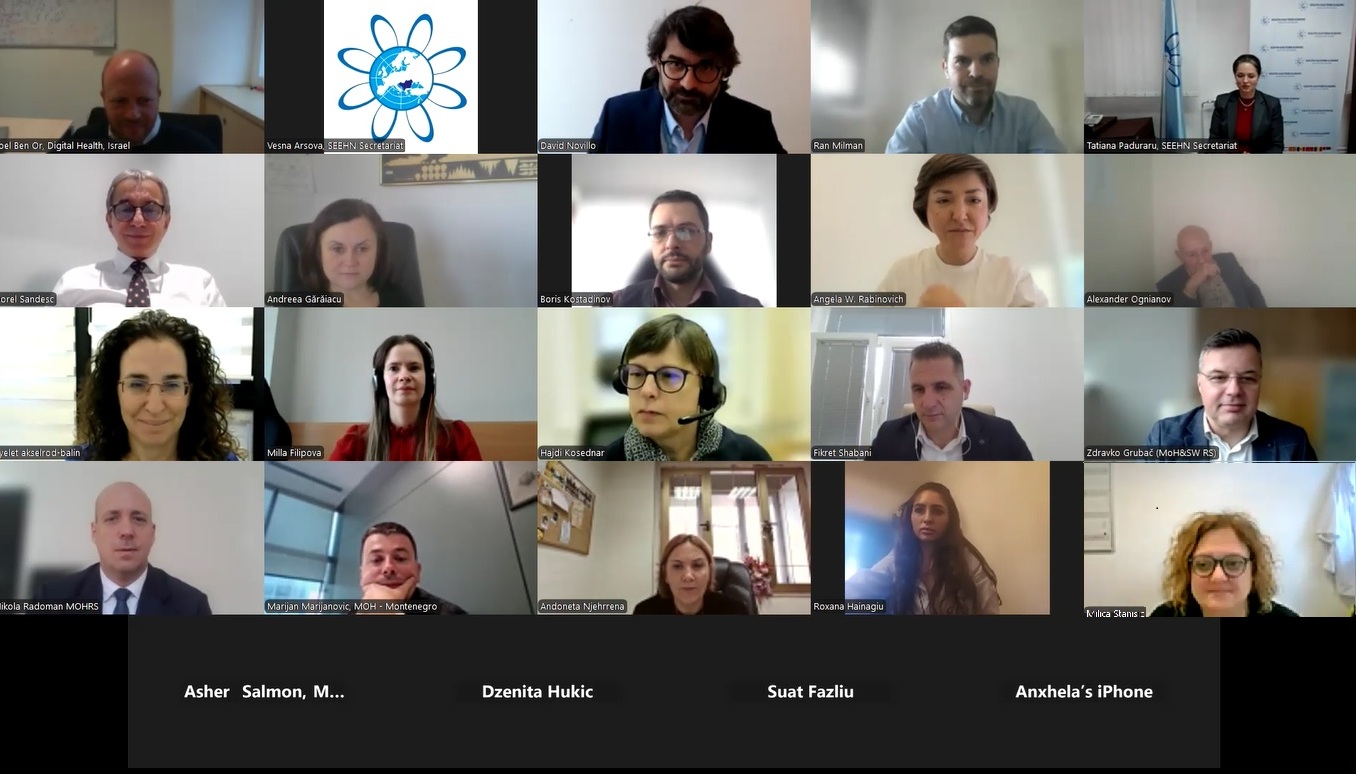
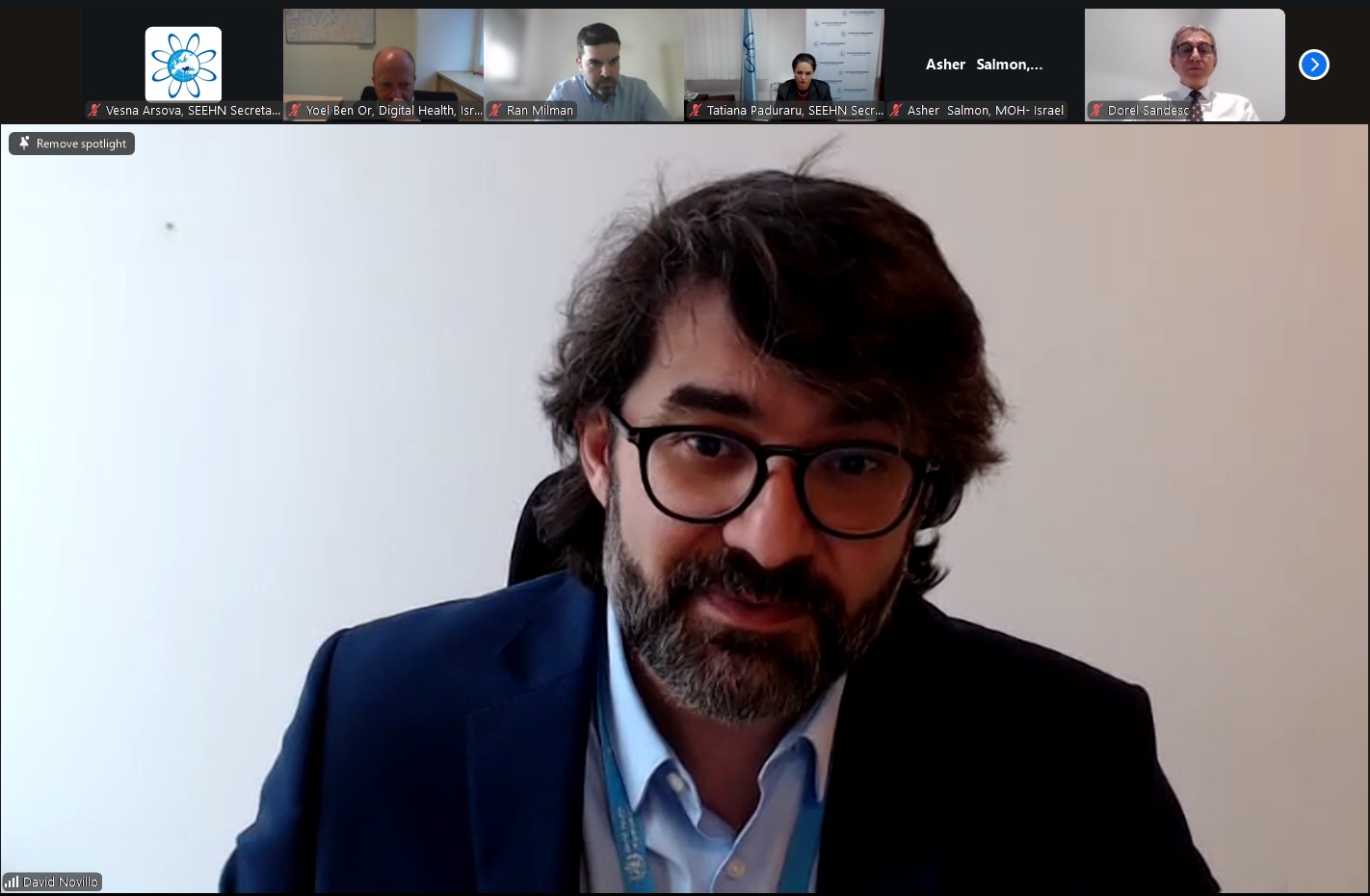
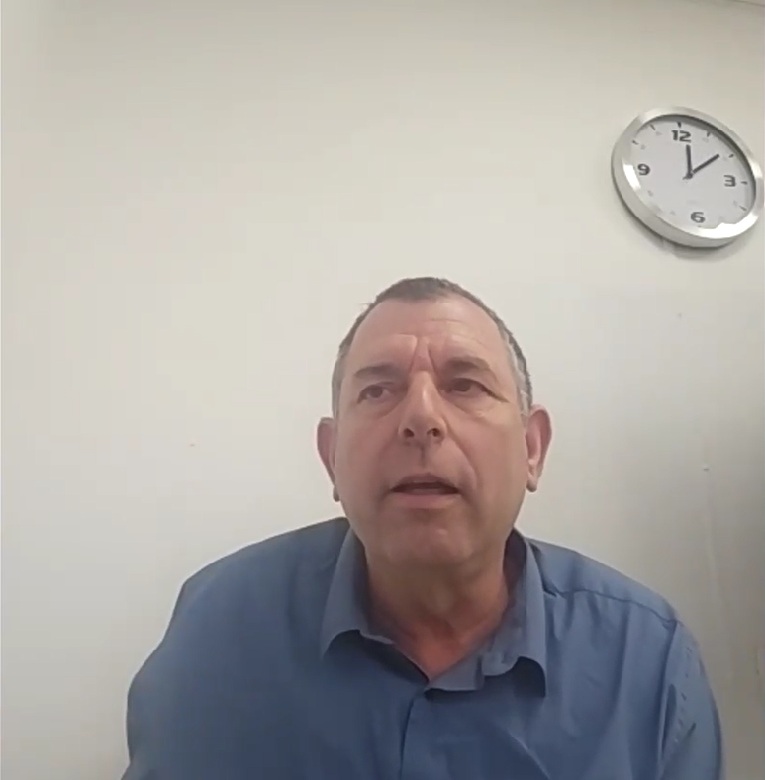
The South Eastern Europe Health Network (SEEHN) successfully concluded its regional webinar “Digital Health – From Theory to Practice”, held virtually on 25 November 2025 in collaboration with the Ministry of Health of Israel.
Building on the momentum of the April 2025 Expert Meeting in Sofia, the event brought together experts, policymakers, and digital health professionals from across South-Eastern Europe to strengthen understanding, exchange country experiences, and prepare for deeper cooperation in 2026.
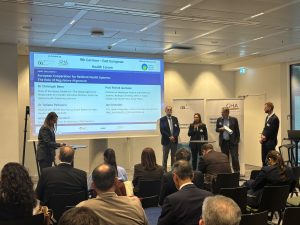
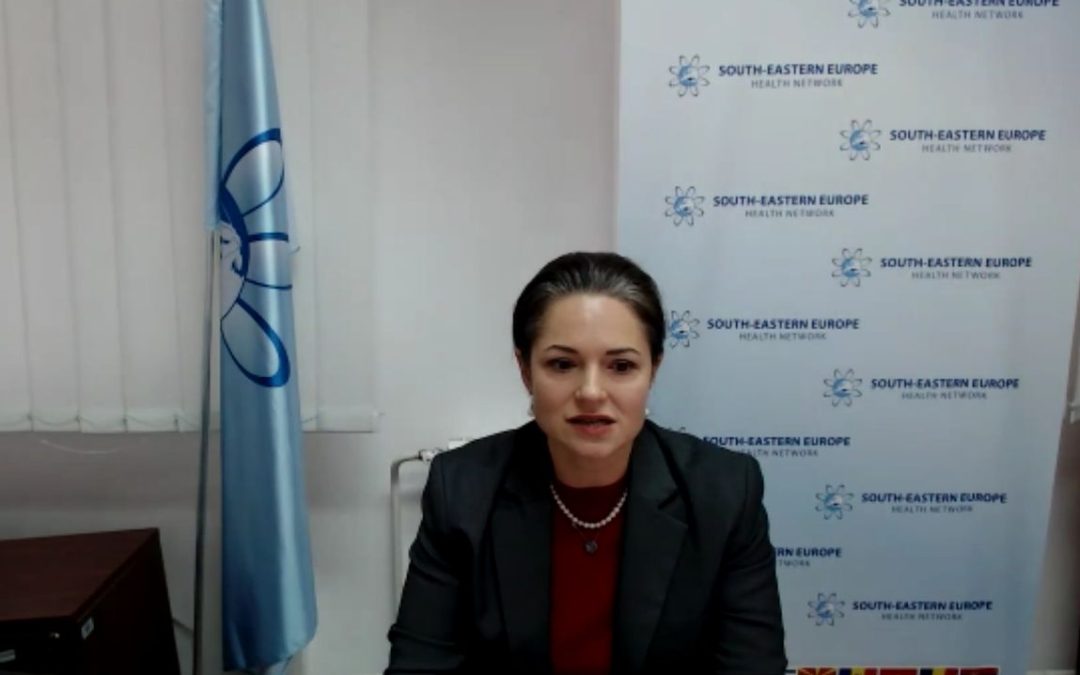
Opening remarks from Dr. Tatiana Paduraru (SEEHN Secretariat director), Dr. Asher Salmon (Director, International Relations Division, Ministry of Health of Israel), and Dr. David Novillo Ortiz (Head of Data, Evidence and Digital Health Unit, WHO/Europe) underscored the importance of digital transformation for resilient, interoperable, and equitable health systems, and the need for regional alignment with WHO and EU frameworks.
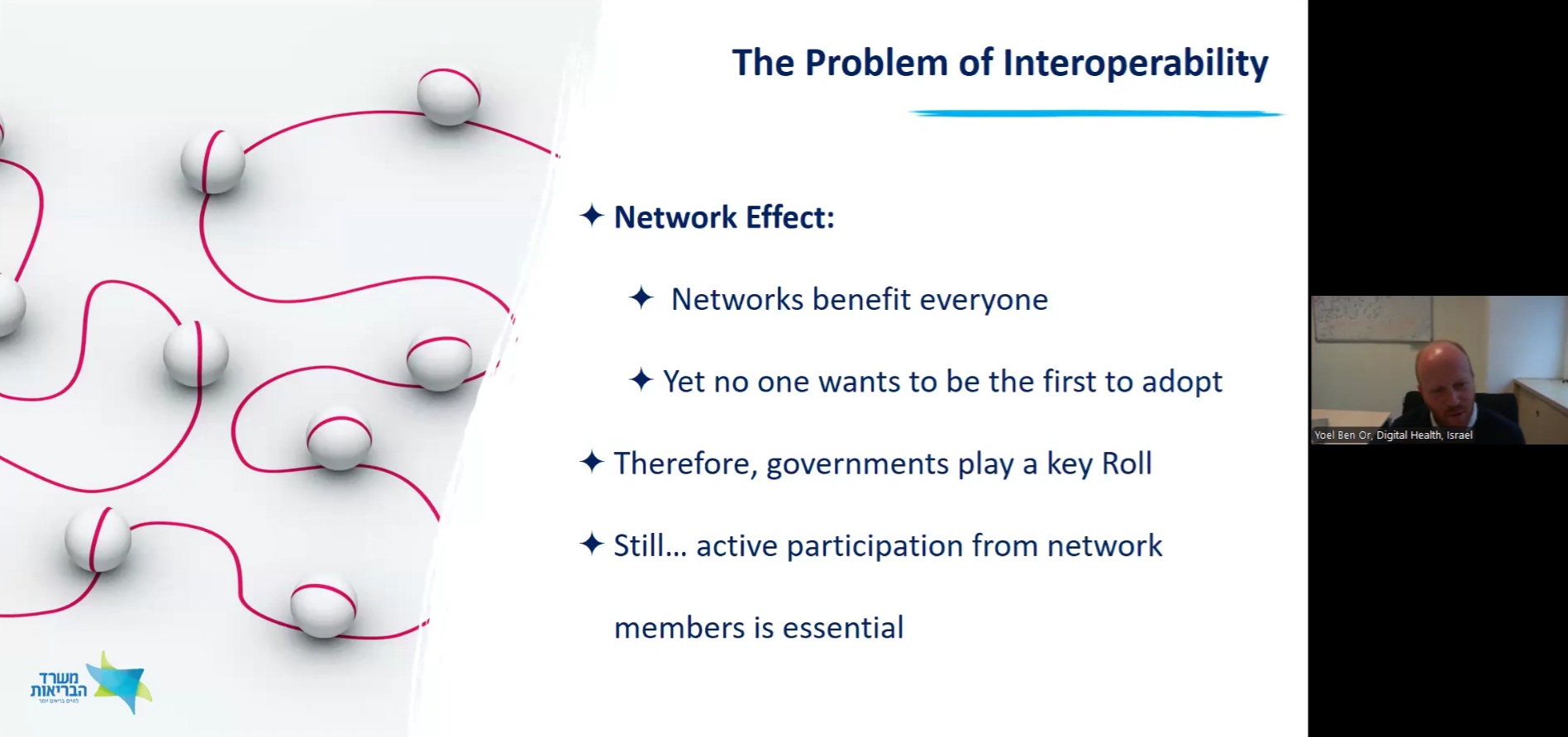
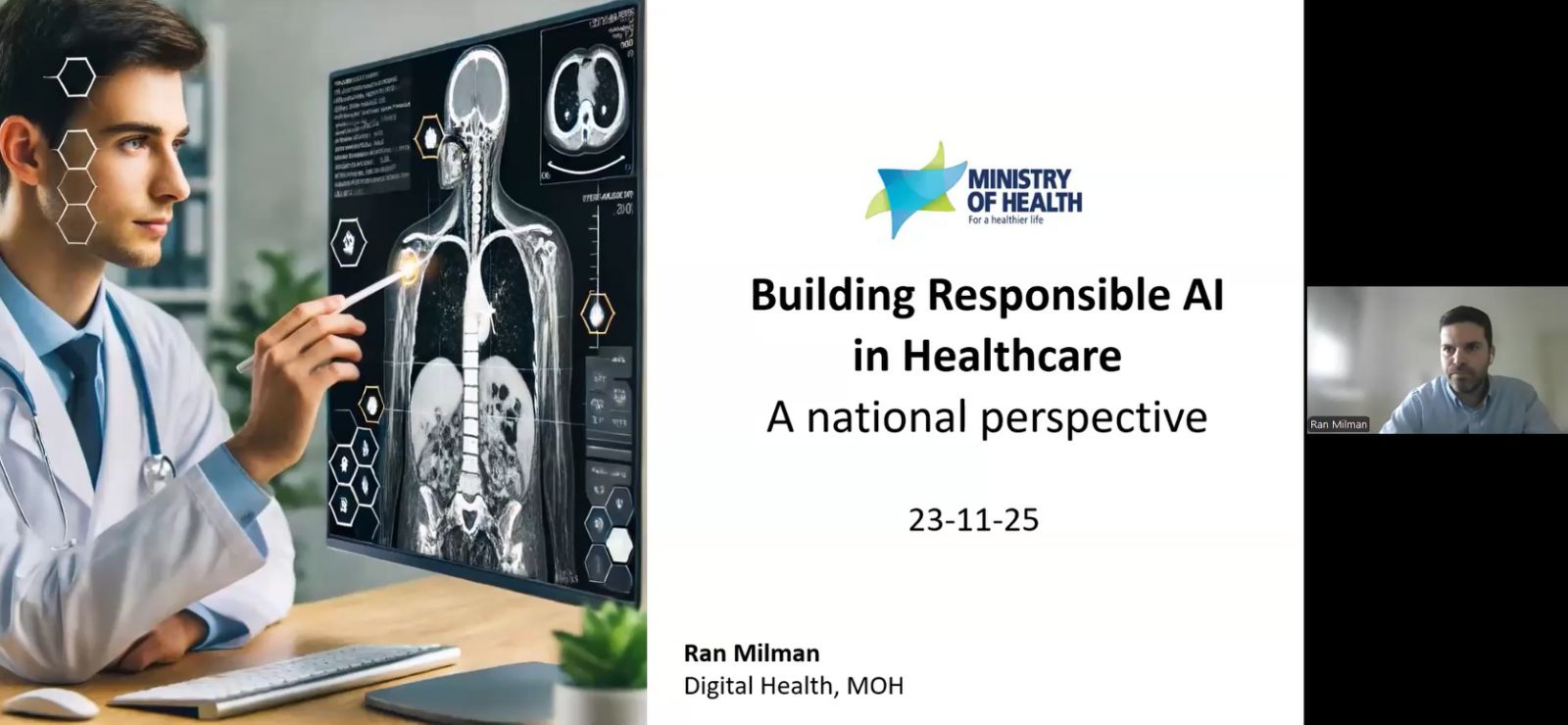
Israel’s expert presentations offered practical insights into interoperability, AI regulation, and real-world AI implementation, including a case study from Sheba Medical Center demonstrating the integration of AI tools into clinical practice.
A moderated discussion allowed SEEHN Member State representatives to reflect on common challenges, opportunities, and collaborative priorities, reinforcing shared commitment to advancing digital health across the region.
Insights from the webinar will inform preparations for the Technical Expert Meeting on Digital Health to be held in Tel Aviv in early 2026, where SEEHN and the Ministry of Health of Israel will continue guiding regional efforts toward effective and coordinated digital transformation.


The South-Eastern Europe Health Network (SEEHN) is convening its 48th Plenary Meeting

Sofia, Bulgaria — June 18, 2025 — The South-Eastern Europe Health Network (SEEHN) is convening its 48th Plenary Meeting on June 17–18, 2025, at the Astoria Grand Hotel in Sofia, centered around the theme “Health Promotion and Disease Prevention – Acting Together for Better Health for All.”
Organized under the Bulgarian Presidency of SEEHN and hosted by the Ministry of Health of the Republic of Bulgaria, the event brings together national health leaders, international partners, and key stakeholders dedicated to enhancing public health cooperation across the region.
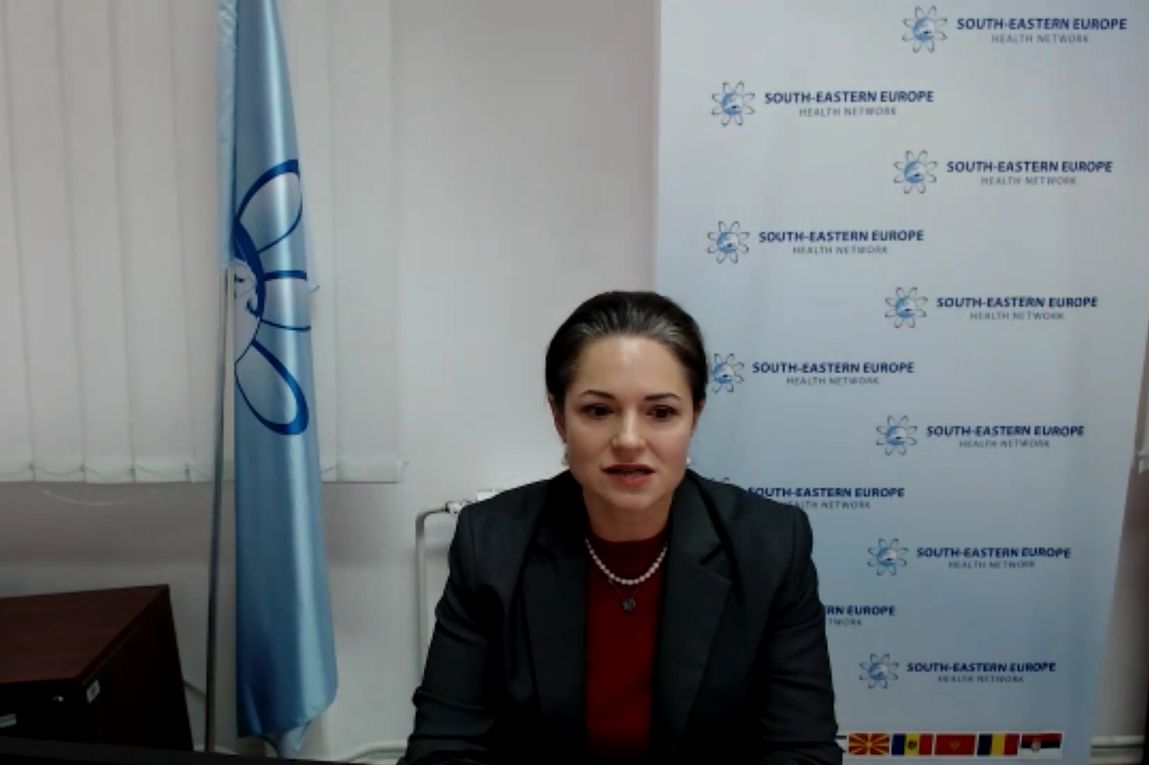
The meeting was officially opened by Assoc. Prof. Silvi Kirilov, M.D., Minister of Health of the Republic of Bulgaria; Dr. Tatiana Paduraru, Acting Head of the SEEHN Secretariat; Dr. Svetlana Nicolaescu, Chair of the SEEHN Executive Committee, H.E. Christina De Bruin – UNICEF Representative in Bulgaria and Mr. Guillaume Simonian, a.i. WHO CO Bulgaria – online.
Minister Kirilov warmly greeted the particpants and outlined the importance of multilateral cooperation in the field of public health:
”The global and regional health challenges in the field of public health today require, above all, working in partnership, sharing good practices and mutual experience, the goal of which should not only be to provide optimal quality of treatment to patients, but also to actively protect and sustainably strengthen their health.”
In her opening address, Dr. Tatiana Paduraru highlighted the critical importance of collaboration in health:
“At a time when public health challenges are increasingly interconnected, acting together is not just a strategic choice — it is an imperative. This meeting is a platform to forge innovative pathways for collaboration and reaffirm our shared commitment to inclusive health for all.”
Dr. Svetlana Nicolaescu echoed this sentiment, stating:
“Prevention is a long-term investment — one that transcends sectors and borders. As our societies face growing health demands, we must act with foresight and unity.”
Day 1 of the meeting featured the inaugural Dr. Alexandre Berlin Prize Ceremony, celebrating exceptional contributions to health development in the region. The first award was presented to Dr. Maria Ruseva, recognized for her instrumental role in the founding and vision of the South-Eastern Europe Health Network.
Key Highlights and Outcomes:
- Strong emphasis on regional collaboration to advance health promotion, disease prevention, and youth well-being through joint policies, information and good practices sharing, and coordinated campaigns.
- Comprehensive overview of Bulgaria’s SEEHN Presidency (2024–2025), with recognition of major strides in digital health, NCDs, nursing and midwifery leadership, and health diplomacy.
- Strategic transition to the incoming Israeli Presidency (2025–2026), marked by continuity planning and reaffirmed commitment to regional solidarity in health.
- In-depth sessions on public health communication, vaccination strategies, nutrition policies, and digital innovation, highlighting the need for multisectoral investment in prevention.
- Opportunities for partnership building and knowledge exchange identified across all sessions, laying the groundwork for future joint actions.
Demonstrating strong regional solidarity, participants from across the Network attended both in person and online, with special acknowledgment of the Israeli delegation for their virtual participation amidst ongoing travel restrictions.
Day 2 will be dedicated to closed-door governance discussions, covering key areas such as financial reporting, elections for the SEEHN Secretariat, and strategic planning.
These sessions will be followed by presentations from SEEHN’s Regional Health Development Centers (RHDCs), which will explore critical themes including maternal and newborn health (Romania), digital transformation (Bulgaria), nursing and midwifery leadership (Romania), and health workforce migration (Moldova).
The meeting will conclude with a cultural tour hosted by the Bulgarian Presidency, along with a strong reaffirmation of cross-border collaboration as a foundation for building sustainable and resilient health systems across South-Eastern Europe.


SEEHN Concludes High-Level Digital Health Expert Meeting in Sofia: A Milestone Towards Regional Interoperability and Universal Health Coverage

Sofia, Bulgaria—10 April 2025—The South Eastern Europe Health Network (SEEHN), in collaboration with the Ministry of Health of the Republic of Bulgaria, successfully concluded a high-level expert meeting today on the theme “Towards Universal Health Coverage—Give Health an e-Chance!”
The meeting brought together representatives from SEEHN Member States, digital health leaders, policymakers, and regional experts in Sofia to explore the transformative role of digital health in strengthening health systems and accelerating progress towards Universal Health Coverage (UHC).
The event featured national case studies and shared experiences from Bulgaria, Israel, Albania, Bosnia and Herzegovina, Montenegro, North Macedonia, Romania, and Serbia. The Bulgarian Ministry of Health presented the country’s advancements in digital health infrastructure, including integrating health information systems and digital transformation strategies.
Ms Dobromira Kareva Deputy Minister of Health, represented Minister Assoc. Prof. Silvi Kirilov, MD, Ministry of Health of the Republic of Bulgaria, and highlighted on his behalf that:” the process of introducing e-Health require serious efforts, as well as active cooperation between individual institutions and countries, with a view to building sustainable, accessible and patient-oriented health systems…”
In her opening remarks, Dr. Tatiana Paduraru, Acting Head of the SEEHN Secretariat, emphasized the importance of building regional capacity and policy coherence to ensure digital health contributes effectively to accessibility, efficiency, and resilience in healthcare.
Key discussions focused on:
- Interoperability of health systems across borders;
- Alignment with the European Health Data Space (EHDS);
- Policy frameworks that support the ethical and secure exchange of health data;
- Strengthening digital health governance and innovation ecosystems.
The closing session, led by Professor Immanuel Azaad Moonesar R.D. of the Mohammed Bin Rashid School of Government, showcased global perspectives and valuable policy lessons from the UAE on regional digital health integration.
This expert meeting was vital in fostering cross-border collaboration and shaping a shared digital health vision for the SEEHN region. Participants jointly identified strategic priorities for regional cooperation, including interoperability, cybersecurity, and capacity-building.
SEEHN remains committed to supporting its Member States in harnessing the power of digital technologies to improve health outcomes and equity across Southeastern Europe.

Annual report 2024

SUMMARY NOTE on THE 47th PLENARY MEETING OF THE SEE HEALTH NETWORK: STRENGHTENING COMMUNITY HEALTH SERVICES


SUMMARY NOTE ON THE 46TH PLENARY MEETING OF THE SEE HEALTH NETWORK: CROSS-SECTORAL AND ALL SOCIETY COLLABORATION FOR BETTER HEALTH SYSTEM RESILIENCE: IMPROVE VACCINE ACCEPTANCE BY ADDRESSING MISINFORMATION

SUMMARY NOTE on THE SEEHN PRE-FORUM HIGH LEVEL MEETING 45th PLENARY MEETING OF THE SEE HEALTH NETWORK

Ukraine crisis: Supporting neighbouring EU Member States and Moldova (health-related matters)
Members of EuroHealthNet and the South-eastern Europe Health Network (SEEHN) met on the 12th of April to discuss common and specific challenges related to public health faced by networks in the Ukraine crisis. Discussions were held to see where further support can be given, in terms of connections, information, joint advocacy etc.

STATUTE OF THE SECRETARIAT OF THE SEE HEALTH NETWORK

SUMMARY REPORT OF THE 41st PLENARY MEETING OF THE SEE HEALTH NETWORK "HEALTH WORKFORCE IN SEE REGION, CHALLENGES AND OPPORTUNITIES: BRAIN DRAIN – BRAIN GAIN"

The First Sub-regional Cooperation Strategy Between the WHO Regional Office for Europe (EURO) and South-eastern Europe Health Network (SEEHN) 2018-2023
The first Sub-regional Cooperation Strategy (SCS) of the WHO Regional Office for Europe and SEEHN have been signed by Dr Zsuzsanna Jakab on behalf of WHO/Europe and Dr Mira Dasic on behalf of SEEHN Secretariat within the framework of the Ministerial Meeting, held on 10 July 2018 in Tel-Aviv, State of Israel.
This policy strategic planning document is a renewed commitment of the WHO EURO and South-eastern Europe Health Network (SEEHN) to improve and contribute to health, well-being and prosperity in South-eastern Europe within the framework of the United Nations 2030 Agenda for Sustainable Development.
The activities are planned in a multi-country mode of cooperation to achieve progress at the Regional level and at the same time to advance the national priorities and common goals.
Since the signature the involved parties started the implementation of different actions to achieve the key target for universal health coverage in the Member States of SEEHN.
Acknowledging the importance of the achievement of the United Nations Sustainable Development Goal (SDG) 3 and other health-related SDG targets, included within the SCS, SEEHN welcomes and encourages its other partners to support Member States in this endeavour.
SUBREGIONAL COOPERATION STRATEGY (SCS)
SEEHN – WHO 2018 – 2023

OUTLINE REPORT ON THE TECHNICAL MEETING OF THE SEEHN REGIONAL HEALTH DEVELOPMENT CENTRES “STRENGTHENING SEEHN TECHNICAL COLLABORATION”
SUMMARY REPORT On the Expert Meeting on the Value of Primary Healthcare System Strengthening in the South-eastern European Region Ljubljana, Slovenia, 6–7 November 2018
- SUMMARY REPORT On the Expert Meeting on the Value of Primary Healthcare System Strengthening in the South-eastern European Region Ljubljana, Slovenia 6–7 November 2018
- PRIMARY HEALTHCARE IN SOUTH EASTERN EUROPEAN COUNTRIES
-
EXPERT GROUP WORK SESSION: MECHANISMS FOR PHC STRENGTHENING
*The report is available at SEEHN Secretariat upon request
THE REPORT ON THE 40th PLENARY MEETING OF THE SEE HEALTH NETWORK
The 40th SEEHN Plenary Meeting under the subject “Ensuring Primary Health Care for Aging Population in the South Eastern Europe” was held in Tel Aviv, Israel, on 11 July 2018, organized jointly by the Presidency of the State of Israel and SEEHN Secretariat.
National Health Coordinators of SEEHN Member States, partner countries and partner international organisations, SEEHN Regional Health Development Centres (RHDC) directors and some of the Ambassadors of the SEEHN Member States accredited to Israel attended the event. The final list of participants is presented in Annex 1 of this Report.
The purpose of the meeting was to discuss the SEEHN major developments, activities and challenges during the term of the Israeli Presidency (SEEHN Presidency Report January – June 2018) and the future presidency (June 2018 – June 2019, Republic of Macedonia).
As a follow-up to the commitments of the SEE Ministers of Health, as stipulated in the Chisinau Pledge, endorsed during their Fourth Ministerial Forum in 2017, as well as based on the priorities agreed in the Israeli Presidency Roadmap of the SEEHN in 2018, the 40th Plenary dealt with several important strategic matters:
- Discussing and approving the Chisinau Pledge Action Plan 2017‐2020, objectives, measures and health indicators, as a Strategic Framework for the SEE Member States,
- Identifying what follow-up actions are required to ensure the commitments of the ‘Statement of Intent’, as an outcome document of the Montenegro Ministerial Meeting, continue to be implemented, and to better understand what joint actions, partnership and collaboration can be strengthened and scaled up to tackle shared immunisation programme challenges at the SEE regional level,
- Further strengthening of the working relationship between SEEHN Member States, partners and stakeholders.
- Taking stock of the Ministerial Meeting outcomes on “Ensuring Primary Health Care for the Aging Population”, held on 10 July in Tel Aviv, and ensuring follow‐up action at the SEE regional level.
Additionally, the Plenary took important decisions on the following priority technical and business issues: SEEHN Secretariat (programme, administrative and financial issues and ongoing activities); RHDCs (final draft SOPs and agreement to approve the document in the following two weeks); SEEHN Memorandum of Understanding (outcome of the technical meeting of the SEEHN legal advisers held on 17-18 May 2018 in Belgrade, Serbia); EC/TAIEX (challenges and activities in implementing the Action Plan); partners (joint activities); and, finally, a new strategic project proposal relating to the establishment of a Regional Health Information Centre in partnership with WHO EURO.

Montenegro – World Health Day, 2018
Organizovanjem Nacionalne konferencije, pod nazivom: “Ulaganje u prevenciju: put boljeg zdravlja”, Ministarstvo zdravlja, u saradnji sa Kancelarijom Svjetske zdravstvene organizacije obilježilo je 07. april – Svjetski dan zdravlja.
Direktorica Direktorata za zdravstvenu zaštitu dr Alma Hajdarpašić Drešević, u uvodnom obraćanju istakla je da je Vlada Crne Gore u potpunosti posvećenja obezbjeđivanju kvalitetne zdravstvene zaštite građanima, svjesna činjenice da je ulaganje u prevenciju bolesti ulaganje u zdravlje nacije.
– Sprovodeći vladinu politiku Ministarstvo zdravlja u kontinuitetu radi na jačanju nacionalnih kapaciteta, promociji multisektorkse saradnje, u cilju smanjivanja izloženosti štetnim riziko faktorima, jačanju zdravstvenog sistema i sistema praćenja napretka u ostvarivanju ciljeva za kontrolu hroničnih nezaraznih bolesti. U tom cilju osnovan je Nacionalni savjeta za koordinaciju i prevenciju hroničnih nezaraznih bolesti u Crnoj Gori, kojim presjedava Premijer, a članovi su ministri većine resora u Vladi Crne Gore, s ciljem jačanja odgovornosti svih resora za zdravlje i njegovu integraciju u sve sektorske politike. Intencija je da Savjet posluži kao platforma za obezbjedjivanje koherentnosti sektorskih politika u smanjivanju mortaliteta od osnovnih kategorije hroničnih nezaraznih oboljenja, kao i da ubrza združeno djelovanje u pravcu efikasne kontrole vodećih i zajedničkih riziko faktora za nastanak hroničnih nezaraznih oboljenja i jačanje zdravstvenog sistema, istakla je dr Drešević.
Ministartsvu zdravlja, prema njenim riječima, preventiva i aktivnosti na poboljšanju i unapređenju zdravih životnih stilova su u fokusu rada i djelovanja. Preventivnim pregledima se sprečava pojava bolesti, odnosno otkriva oboljenje u najranijoj fazi kada još nema simptoma, a kada je u najvećem broju slučajeva moguće pravovremeno i adekvatno liječenje.
– Jasni su i već vidljivi javno zdravstveni benefiti sprovodjenja tri skrining programa koja se sprovode u Crnoj Gori. Skrining karcinoma dojke radi se u četiri opštine: Podgorica, Danilovgrad, Cetinje i Kolašin, s ciljem smanjenja smrtnosti za 15% u periodu od 5 godina. Tokom ove godine planirano je da počne da se sprovodi na teritoriji cijele Crne Gore. Skrining karcinoma debelog crijeva na nacionalnom nivou uspješno se sprovodi preko pet godina, uz veoma dobar odziv građana. Od 01. februara ove godine počeo je da se sprovodi Nacionalni skrining program prevencije karcinoma grlića materice. Na preventivne preglede i dijagnostiku pozivaju se žene određene starosne dobi, kako bi preduprijedili nastanak i širenje ove bolesti, koja je poslije karcinoma dojke, najčešće maligno oboljenje kod žena. Zahvaljujući dobro organizovanom skrining programu može se da spriječi i do 80% slučajeva obolijevanja raka grlića materice, otkrivajući malignu degeneraciju u preinvazivnoj fazi, naglasila je dr Drešević.
Kao još jedan važan preventivni i efikasan način zaštite zdravlja dr Drešević je navela i imunizaciju.
– Svi znamo da vakcinacijom spašavamo živote i zato nam je cilj da dopremo do svakog pojedinca na lokalnom nivou kako bismo ostvarili što veći obuhvat vakcinacije. Zdravstveni radnici, prije svega ljekari roditeljima objašnjavaju koliko je važna redovna vakcinacija njihove djece i kolikom se riziku izlažu ukoliko ih ne vakcinišu.
Generalni direktor Direktorata za javno zdravlje dr Miro Knežević prezentovao je imunizacioni program koji ima Crna Gora. On je naveo da je do 2014. godine u našoj zemlji bio izuzetno visok obuhvat vakcinacije, kada je počela antivakcinalna kampanja, zahvaljujući kojoj se od tada pa do prošle godine bilježi smanjivanje broja vakcinisane djece.
– Pad obuhvata MMR vakcinom u Crnoj Gori je 2016. godine bio najniži u istoriji imunizacije i iznosio je 46,58 procenata. Stoga je Ministarstvo zdravlja preduzelo niz konkretnih koraka kako bismo preduprijedili fatalne posljedice sa kojim se susreće cijela Evropa. Organizovali smo jaku medijsku kampanju, intezivirali smo razgovore sa roditeljima i u saradnji sa Institutom za javno zdravlje i domovima zdravlja, organizovali vanredne vakcinacije, pa je tako od avgusta prošle godine do sada, na teritoriji Crne Gore obuhvat vakcinacije MMR vakcinom povećan na 78,98% .
Dr Knežević je podsjetio da je, u cilju edukacije i stručne i laičke javnosti, Ministarstvo zdravlja organizovalo niz skupova o imunizaciji.
– U oktobru 2017. godine u organizaciji Ministarstva zdravlja i SZO održan je Regionalni sastanak o imunizacijama na kojem su učestvovale 53 zemlje sa oko 180 stručnjaka. Pored toga, Ministarstvo zdravlja, Institut za javno zdravlje, Dom zdravlja Podgorica, kao i ostali Domovi zdravlja, su organizovali veliki broj tribina sa pedijatrima i roditeljima kao i veliki broj javnih i medijskih nastupa. Uspješno je sprovedena i medijska kampanja „Ne damo djecu bolestima“, u okviru koje je snimljen promotivni spot o značaju vakcinacije, a koji se prikazivao u svim elektronskim medijima. U februaru 2018. godine u organizaciji Ministarstva zdravlja i Kancelarije SZO u Crnoj Gori organizovan je i Ministarski sastanak zemalje Jugoistočne Evrope. Pored Crne Gore Regionalnoj konferenciji su prisustvovali i ministri zdravlja Malte, Makedonije, Moldavije, Bosne i Hercegovine, Republike Srpske, Albanije i Rumunije, kao i visoki predstavnici zdravstvenih sistema Srbije, Hrvatske, Izraela i Bugarske. Skup je bio prilika da se sagleda učinjeni progres u oblasti imunizacije u Evropi i govori o izazovima i problemima sa kojima se suočava svaka od zemalja kada je u pitanju podizanje i održavanje stepena vakcinacije na željenom nivou.
S obzirom da se danas region suočava sa pojavom i epidemijom zaraznih bolesti, koje su praktično decenijama bile iskorijenjene, važno je da se i sa ovog mjesta pošalju jasne poruke i apel roditeljima da vakcinišitu svoju djecu, kako bi im stvorili preduslove za njihovu zdravu i srećnu budućnost, rekao je dr Knežević.

BOOSTING THE IMPLEMENTATION OF HEALTH 2020 AND THE SUSTAINABLE DEVELOPMENT GOALS IN SOUTH-EASTERN EUROPE
The South-eastern Europe Health Network (SEEHN) was established in 2001 to promote peace, reconciliation and health in south-eastern Europe and contribute to preparing the countries in the region for European Union integration. Its vision remains to achieve better health and well-being in south-eastern Europe through the collaborative efforts of SEEHN member states and partners. Since its inception, SEEHN has developed into a broad partnership for health that brings together southeastern European countries and organizations focused on improving health and well-being. The World Health Organization (WHO), SEEHN’s founding organization, has remained its most important partner, providing guidance and support to its policy and technical endeavours from 2001 until today. The most recent South-eastern European Health Ministers’ Forum, held in 2017 in Chisinau, Republic of Moldova, reflected on 15 years of regional collaboration in public health and endorsed the Chisinau Pledge, which presents the SEEHN framework for action until 2020. The Forum emphasized the complex and significant contribution of SEEHN to health and well-being, which in turn has had a positive impact on peace, stability and economic development in south-eastern Europe. The Forum highlighted the active role of SEEHN in influencing public health developments in both south-eastern Europe and in Europe as a whole, and in supporting its members in their response to international commitments. SEEHN ministers and partners agreed on the vast potential of SEEHN to deliver on the contemporary policy agenda, primarily related to the WHO European policy for health and well-being Health 2020 and the United Nations 2030 Agenda for Sustainable Development. This document has multiple goals: to reflect on SEEHN’s developments as a source of experience and knowledge, and on their potential to meet the demands of the contemporary context of health and well-being; to inform on SEEHN governance structures that are able to support future collaborative efforts for health and well-being in south-eastern Europe; to share examples of SEEHN’s success in leading and influencing positive health developments in south-eastern Europe; to set out a clear model for future collaboration with WHO and other partners; and to emphasize the exemplary role of the WHO Regional Office for Europe as an enabler and supporter of influential alliances for better health and well-being in the European Region.
nn
BOOSTING THE IMPLEMENTATION OF HEALTH 2020 AND THE SUSTAINABLE DEVELOPMENT GOALS IN SOUTH-EASTERN EUROPE

Meeting with Executive Director of the European Center for Peace and Development University for Peace SEEHN Partner
Belgrade September 7th, 2017nDr. Mira Jovanovski-Dašić, Head of the SEEHN Secretariat had a productive meeting with Academician Prof. Dr. Negoslav Ostojić, Executive Director of the European Center for Peace and Development University for Peace (ECPD) established by the United Nations.nECPD is SEEHN Partner as of 2014.nThis occasion was used for signing the Chisinau Pledge by the ECPD, as well as for discussions on strengthening and intensifying the collaboration between the ECPD and the SEEHN.nDr. Dašić informed the Director and the members of the ECPD Secretariat about the SEEHN’s on-going and upcoming activities and plans for the strengthening and broadening of the network.nAcademician Ostojić particularly emphasized the need and importance of regional networking and cooperation in the field of health and informed Dr. Dašić about international and regional activities and programs organized by the ECPD in this important area, especially in the SEE countries. Particular consideration was given to the possibility of more active cooperation and jointly organized educational programs in the field of health management, health economics, health diplomacy, promotion of reproductive health, prevention of dependency diseases and mass non-communicable diseases, etc. It has been agreed to include on the List of SEEHN experts some of the prominent experts of the ECPD.

REPORT OF THE FOURTH SOUTH-EASTERN EUROPE HEALTH MINISTERIAL FORUM on “HEALTH, WELL-BEING AND PROSPERITY IN SOUTH-EASTERN EUROPE BY 2030 IN THE CONTEXT OF THE 2030 AGENDA FOR SUSTAINABLE DEVELOPMENT” CHISINAU, REPUBLIC OF MOLDOVA on 03-04 APRIL 2017

Regional cooperation in health governance – the case of the South-eastern Europe Health Network (SEEHN) – Alain Nellen
Abstract
This paper argues that through the South-eastern Europe Health Network (SEEHN), the health sector has proven to be a post-conflict recovery platform after the conflicts in the former Yugoslavia, which were marked with regional political, social and economic turmoil. SEEHN contributed to reconciliation, peace and stability in south-eastern Europe. Serving as a platform for trust-building, it has brought countries to the same table to pool together resources among stakeholders and establish a shared vision by implementing joint regional projects on common health concerns. Over the years, SEEHN has shifted its vision towards promoting health as an integral part of economic development through a whole-of-government and whole-of-society approach. However, SEEHN is facing new and ongoing challenges, both internal and external, that put it at risk of operational stagnation and undermine its sustainability.nn
Keywords
South-eastern Europe Health NetworknnIntergovernmental cooperation in healthnnNetwork governance theorynnExternal partnersnnHealth as a Bridge for PeacennShared vision and trust-buildingnnHealth and economic developmentnnHealth in All PoliciesnnWhole-of-government and whole-of-society approachnnHealth equalitynnEU integration process