Tel Aviv, Israel | 15–18 November 2026
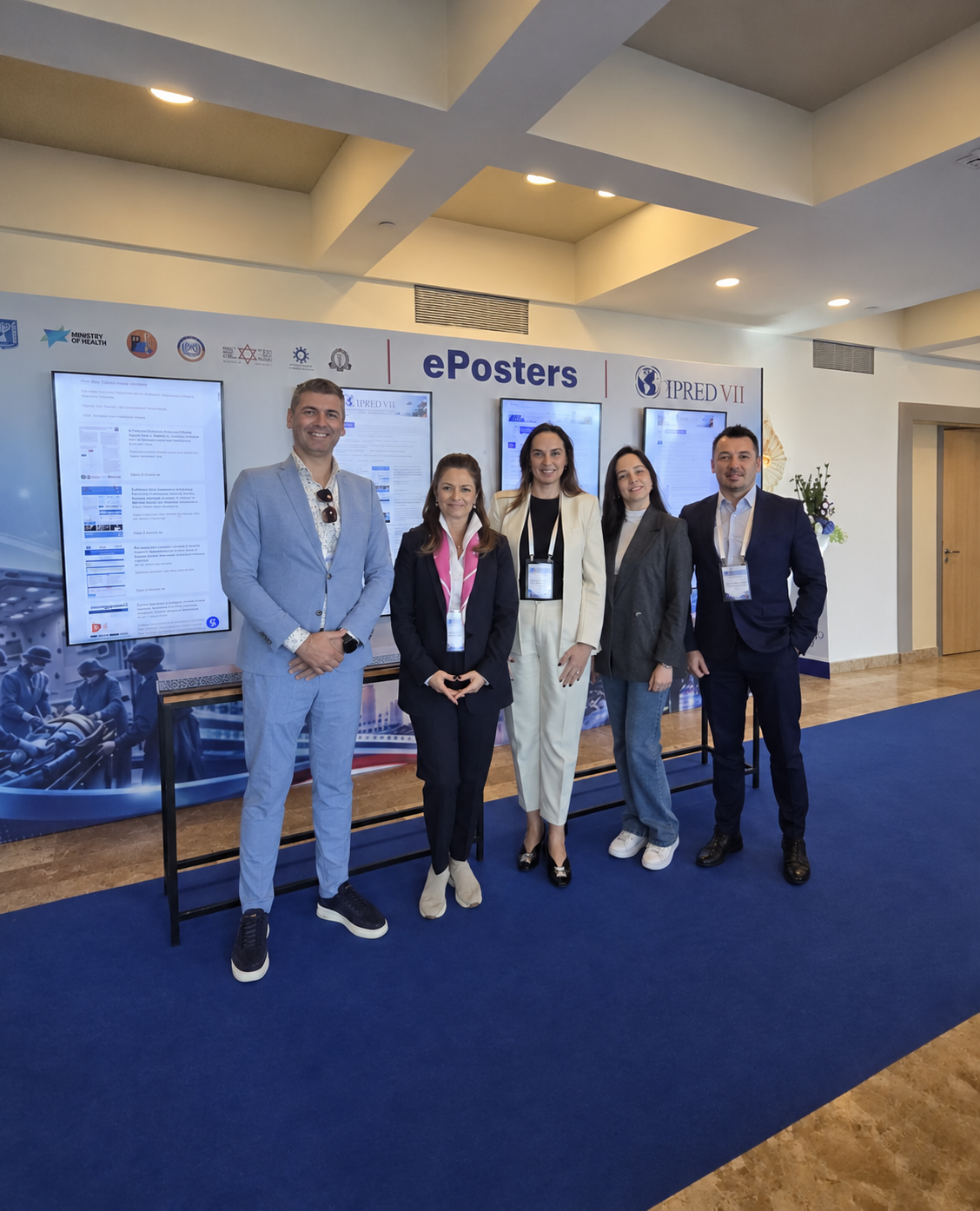
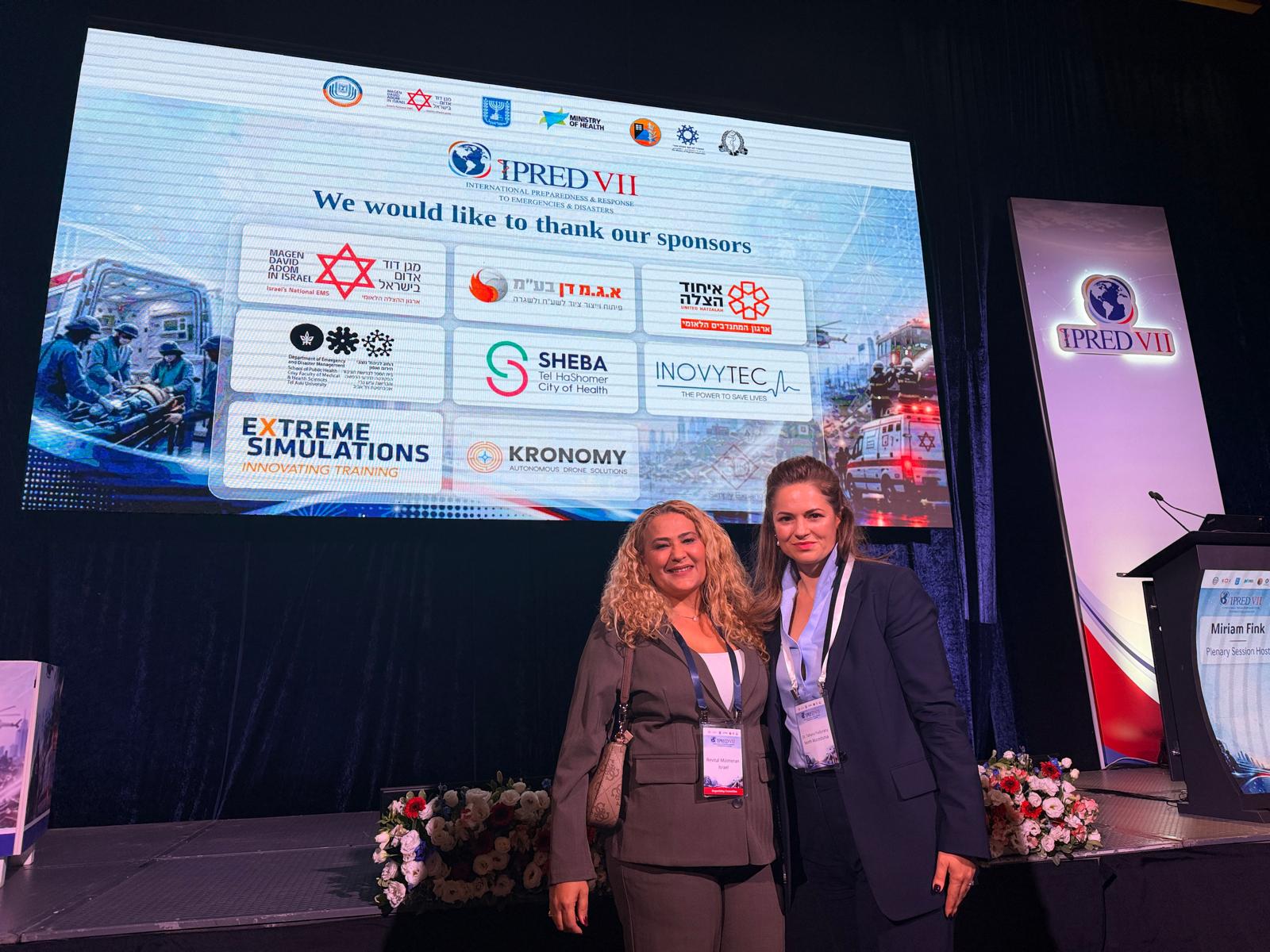
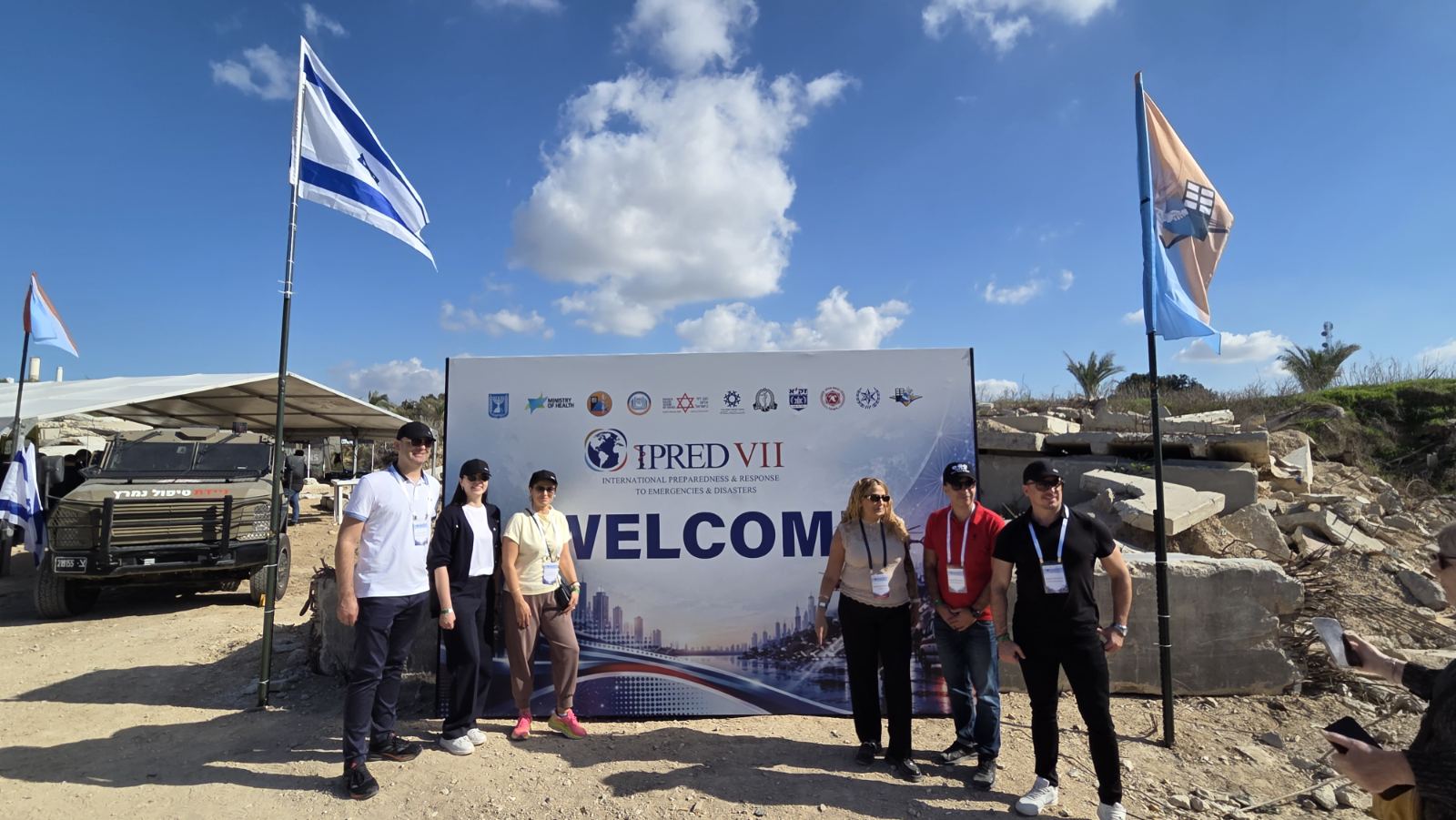
The South-eastern Europe Health Network (SEEHN), represented by Dr. Tatiana Păduraru, Director of the SEEHN Secretariat, together with representatives from Albania, Bosnia and Herzegovina, North Macedonia and the Republic of Moldova, is participating in the 7th International Preparedness & Response to Emergencies & Disasters Conference (IPRED VII), taking place in Tel Aviv, Israel, from 15 to 18 November 2026.
Hosted by the Israeli Ministry of Health, the Israel Defense Forces (IDF) Home Front Command and Israeli emergency and rescue organizations, IPRED VII is an established international platform for exchanging expertise, operational experience and innovative approaches to emergency preparedness and disaster response. Since its establishment in 2010, the conference has brought together health authorities, emergency response professionals, researchers and international organizations to strengthen preparedness and cooperation in addressing complex emergencies.
Israel’s experience in managing health emergencies, mass-casualty incidents and healthcare delivery under prolonged security challenges provides an important practical perspective for international discussions on health system resilience. The country’s approaches to emergency medical coordination, hospital preparedness, protected healthcare infrastructure and continuity of care under extreme conditions offer opportunities for professional exchange and shared learning.
Under the theme “Preparation and Preparedness for Conflicts,” this year’s conference addresses the growing challenges faced by healthcare systems during armed conflicts and other major emergencies. The scientific programme covers hospital protection and emergency operations, mass-casualty management, civil-military coordination, healthcare workforce resilience, emergency technologies and the organization of essential medical services during crises.
A particular feature of IPRED VII is its combination of scientific discussions with practical and operational perspectives. The programme includes international presentations, multidisciplinary exchanges, demonstrations of emergency response technologies and a large-scale simulation exercise involving Israeli medical and rescue services. These activities provide opportunities to examine how national emergency response structures coordinate medical resources, manage patient evacuation and maintain healthcare services during complex emergencies.
For the SEEHN delegation, participation represents an opportunity for direct engagement with Israeli institutions and international experts, facilitating the exchange of experience on emergency preparedness, health system organization and institutional coordination. The presence of representatives from four SEEHN countries, alongside the Director of the SEEHN Secretariat, further highlights the value of a regional approach to learning from international practices and identifying common priorities.
Of particular relevance to South-eastern Europe are the discussions on strengthening hospital readiness, protecting healthcare professionals and patients, developing workforce capacities and improving coordination between health authorities, emergency medical services and civil protection structures.
The experience shared during IPRED VII may also contribute to future regional dialogue on practical training, preparedness planning, simulation exercises and cooperation between institutions responsible for health emergency management.
SEEHN recognizes the importance of sustained international cooperation in strengthening national and regional capacities to prevent, prepare for and respond to health emergencies. Engagement with countries and institutions possessing extensive operational experience, including Israel, provides opportunities to explore approaches that can be adapted to different national health systems and regional contexts.
Through its participation in IPRED VII, SEEHN reaffirms its commitment to promoting knowledge exchange, facilitating institutional partnerships and supporting stronger, more resilient and better coordinated health systems across South-eastern Europe.
Preparedness, cooperation and the protection of healthcare services and professionals remain essential to building resilient health systems capable of responding effectively to future emergencies.