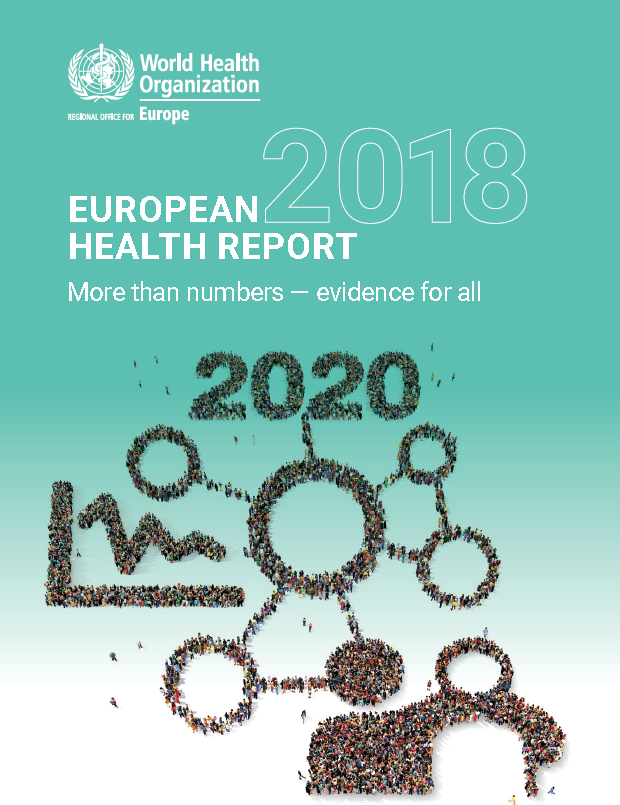
European Health Report 2018 is an essential resource for the 53 Member States of the WHO European Region to report on progress towards the Health 2020 targets, outlining areas that may be unfinished by 2020 and beyond.
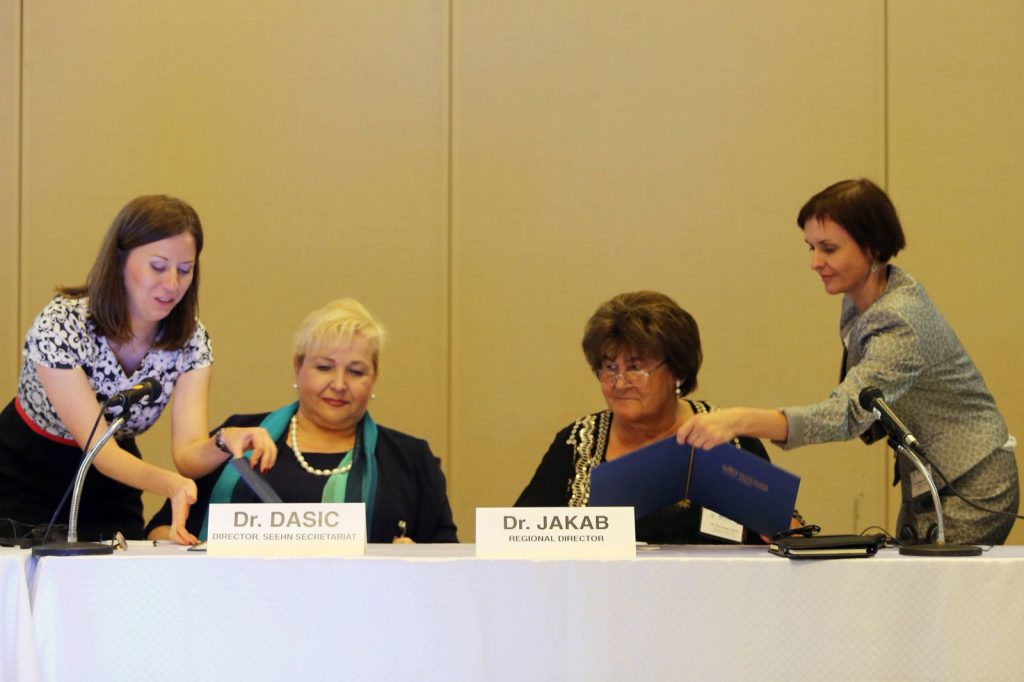
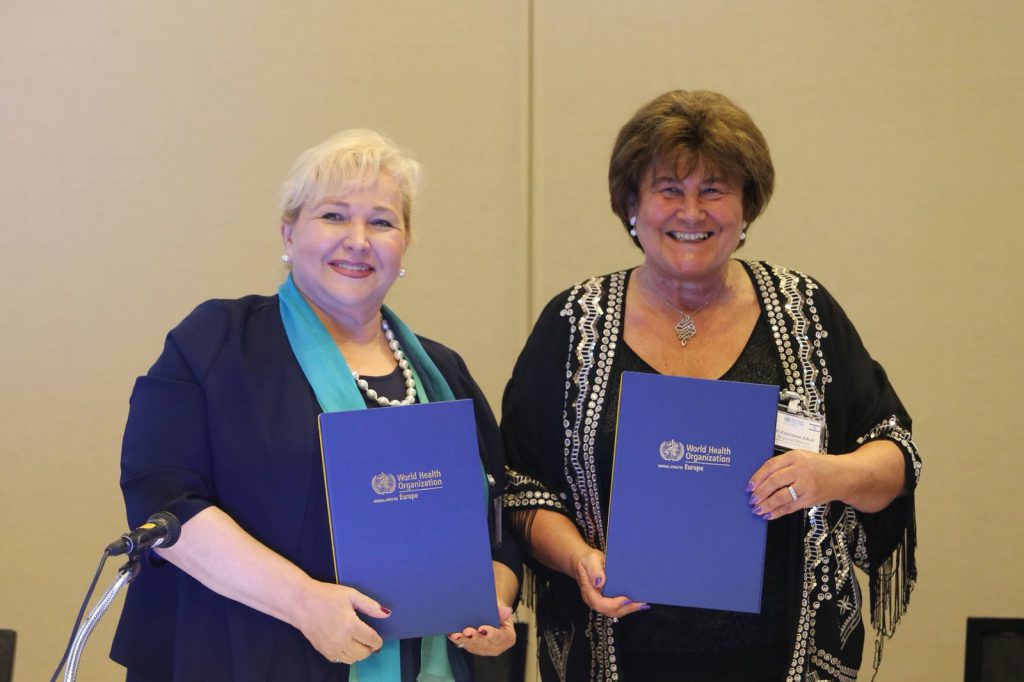
During the WHO/SEEHN Ministerial Meeting”, held in Tel Aviv, Israel with the topic “Ensuring Primary Health Care for Aging Population in the South Eastern Europe, Dr. Zsuzsanna Jakab, Regional Director, WHO Regional Office for Europe and Dr. Mira Jovanovski-Dasic, Director, Secretariat of the South – eastern European Health Network (SEEHN) signed the Memorandum of Understanding between WHO and SEEHN regarding the Subregional Cooperation Strategy.
n
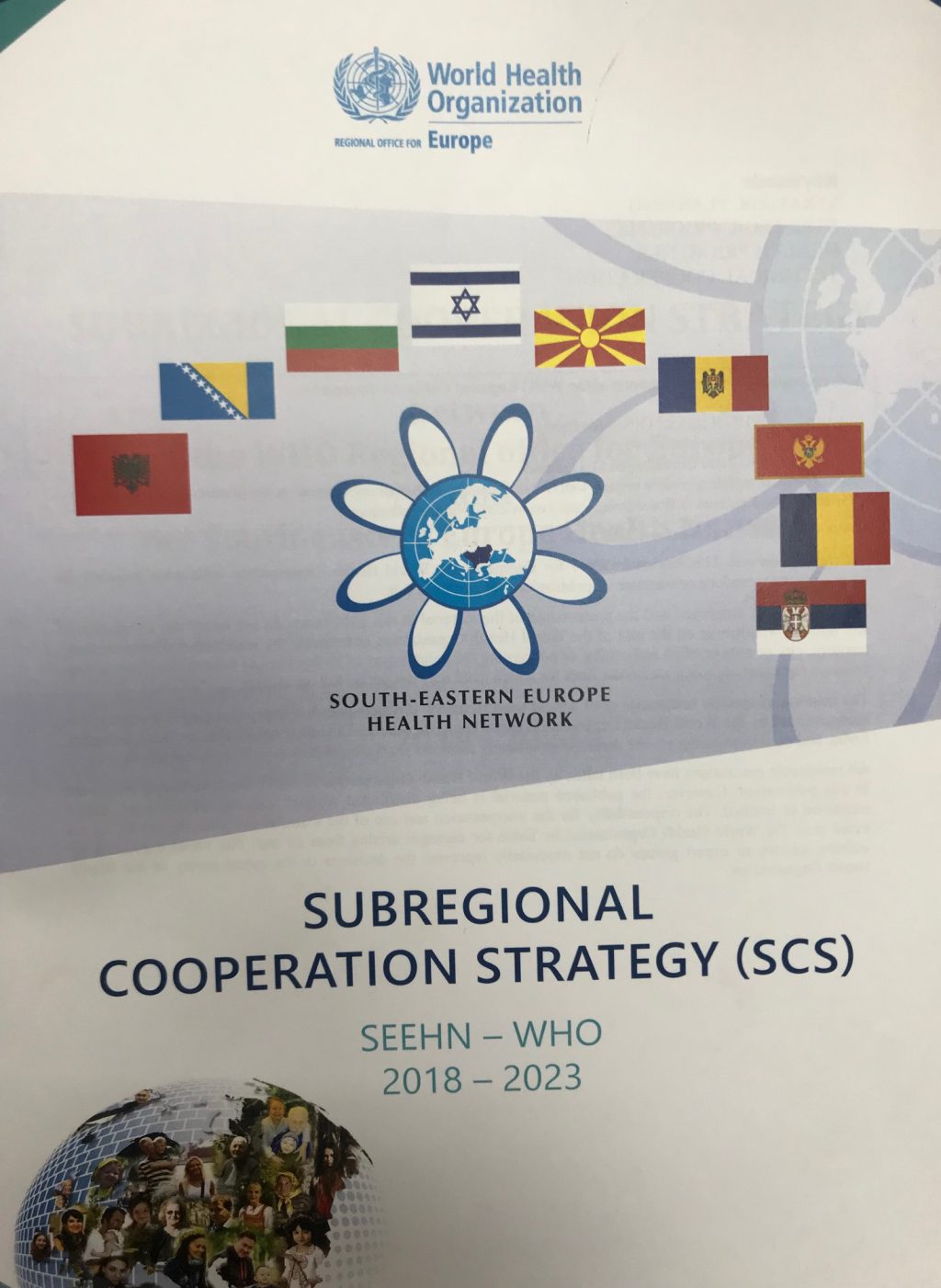
Reflecting the critical role played by the South-Eastern Europe Health Network in subregional health, the long-term collaboration with WHO regarding subregional health Agenda, the universality of Agenda 2030, which calls for all countries to fully engage in its implementation at all levels, WHO Regional Office for Europe and South-Eastern Europe Health Network (SEEHN) Secretariat have jointly developed this document. The achievement of Sustainable Development Goal (SDG) 3 and other related to health SDGs goals, especially its key target of universal health coverage, underpins its strategic orientation.
n
This Subregional Cooperation Strategy (SCS) has been shaped through a series of consultations with representatives at all levels of WHO, the SEEHN and scientific institutions. It has seven 7 strategic priorities reflecting the:
nn
n
Further sustaining and strengthening of our collaborative efforts;
n
Achieving the Sustainable Development Goals (SDGs);
n
Striving towards universal health coverage;
n
Strengthening public health;
n
Ensuring emergency preparedness and response;
n
Promoting partnerships for health and well-being;
n
Achieving policy coherence between global goals and the SEEHN member countries’ economic, social and environment policies.
WHO/SOUTH-EASTERN EUROPE HEALTH NETWORK (SEEHN) MINISTERIAL MEETING ON ENSURING PRIMARY HEALTH CARE FOR AN AGEING POPULATION nandn40th PLENARY MEETING OF THE SEEHN "ENSURING PRIMARY HEALTH CARE FOR AN AGEING POPULATION" 10 - 11 July 2018, Tel Aviv, Israel
n
Approaching are two important events to be held in Tel Aviv, the Ministerial WHO/SEEHN meeting on 10 July and the SEEHN 40th Plenary meeting on 11 July 2018.
n
SEEHN can proudly announce that the nine Member States will come together to find new ways for intensifying their collaboration and determining the next steps for joint action.
n
The meetings will cover the key technical issues including health system strengthening and primary health care, with a particular focus on ageing population and on vaccination as a critical public health intervention. The health ministers will discuss what assistance and follow-up action may be needed to ensure continued, efficient cooperation among SEEHN countries. In that regard, conclusions from the last meeting in Podgorica will be talked over.
n
In addition, the objectives of the meetings are to support the implementation of the International Health Regulations (2005) and emergency preparedness in SEEHN countries, and to debate the outcomes of the high-level regional meeting in Tallinn, Estonia, “Health Systems for Prosperity and Solidarity: leaving no one behind”. Finally, the health ministers will review country-specific and SEEHN joint statements for the upcoming session of the WHO Regional Committee for Europe in September 2018.
Held on 17-18 May 2018, Palace of Serbia, Belgrade, Serbia
n
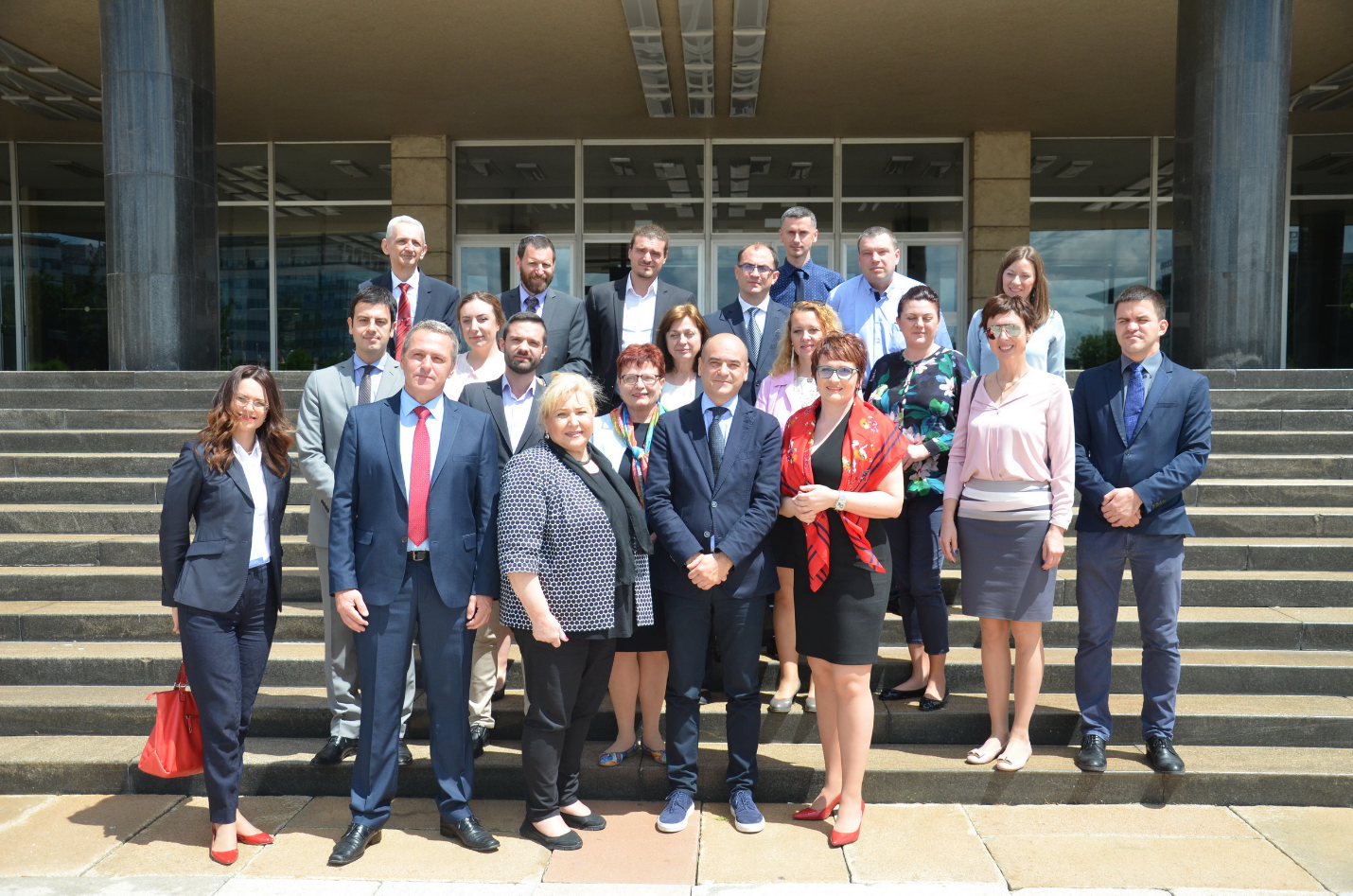
Under the current Presidency of Israel, Serbia hosted the Workshop for Harmonizing the text of the new SEEHN Memorandum of Understanding, in the period of 17-18 May in the Palace of Serbia in Belgrade.
n
This event was attended by national health coordinators of the Member States to the SEEHN, the Executive Chair of the SEEHN Board, the SEEHN Secretariat Director, legal advisors appointed by the Ministries of Health of the SEEHN Member States, and by the representatives of the Ministries of Foreign Affairs of the SEEHN Member States.
n
n
The new text of the Memorandum of Understanding, seen as a renewal of the commitment of all SEE Member states to continue working together within the Network, has been developed and has undergone substantial intergovernmental and multi-governmental consultation processes back in 2016. During the Ministerial Forum in Chisinau the willingness to sign the document, after the completion of respective national procedures, has been clearly expressed by SEEHN countries. SEEHN has a history of 17 years which led to the need of revisions of the current documents in force (the Memorandum of Understanding of 2008 and its Addendum of 2011) in order to maximize the performance level and view of current and future developments of SEEHN as a Regional organization and its governance and institutional mechanisms.
n
Thus, legal advisers gathered to bring their expertise in the field of national and international law and to agree on a common legal framework to serve the best interest of SEEHN. The outcome conclusions and documents will be shared at the 40th SEEHN Plenary Meeting to be held in Israel on 11 July 2018.
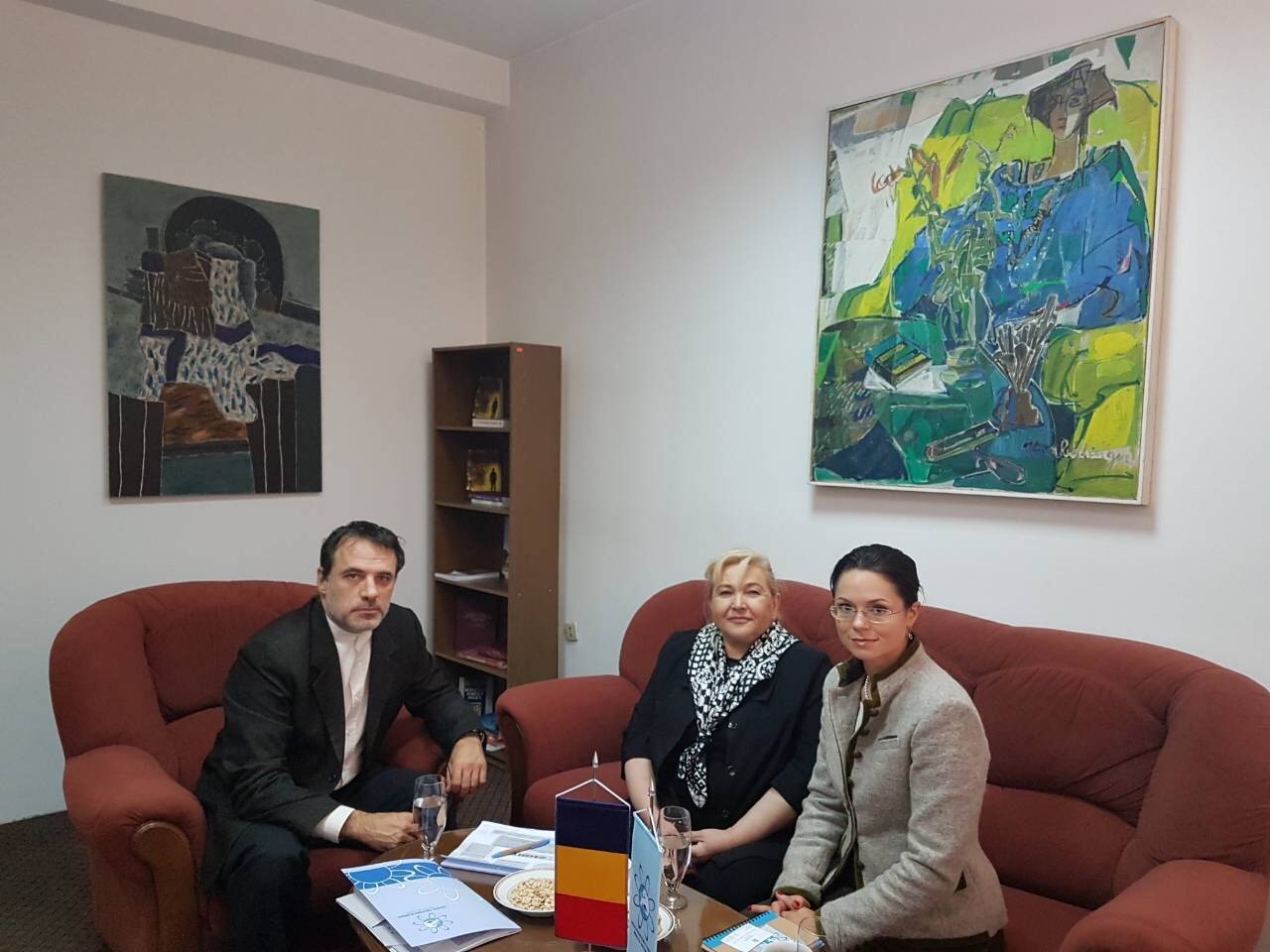
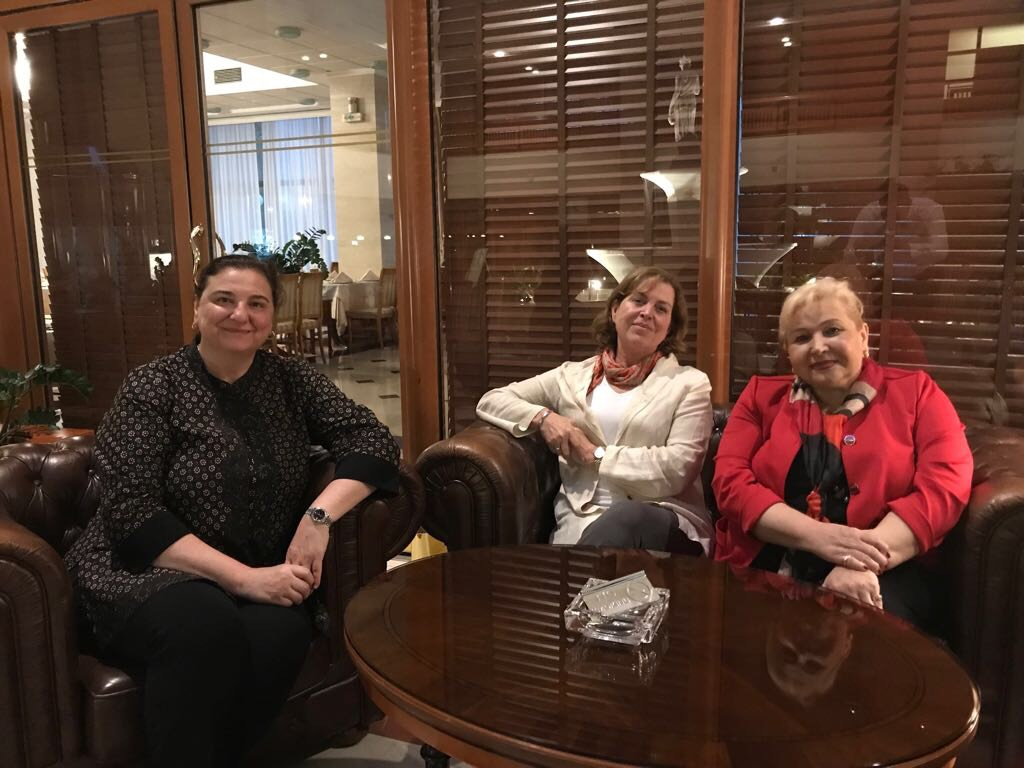
Dr Mira Jovanovski Dasic, Director of SEEHN Secretariat met on 12th May 2018 Dr Nedret Emiroglu, Director of Programme Management and Director Health Emergencies and Communicable Diseases, Special Representative of the Regional Director on the Sustainable Development Goals and Governance and Dr Jihane Tawilah, WHO representative to MKD and Head of the WHO country office to MKD . The meeting provided an opportunity to discuss current activities of SEEHN, the preparations for the Ministerial meeting and SEEHN 40th Plenary to be held in Israel 10- 12 July 2018, the Action plan for the implementation of the Chisinau Pledge and other mutual areas of interest, including immunization, access to medicines, antimicrobial resistance, noncommunicable diseases and healthy ageing.
Skopje, May 7th 2018 – Dr. Mira Jovanovski Dasic, Head of SEEHN Secretariat, welcomed today, for the first time, Minister of Civil Affairs of Bosnia and Herzegovina Mr sci. Adil Osmanovic and Minister of Health and Social Welfare in Government of Republic of Srpska Dr. Dragan Boganic.
n
In a pleasant atmosphere, the collocutors, among other, agreed about the key role of the SEEHN for better cooperation in this region. Minister Osmanovic and Minister Bogdanic praised the efforts Dr. Dasic made so far and the future activities such as: development of Action plan on Chisinau Pledge, development of new SEEHN Memorandum of Understanding, the forthcoming Workshop with contracted legal advisors in Belgrade and the plan for the Ministerial Conference and 40th SEEHN Plenary Meeting in Israel.
n
Dr. Dasic underlined that this kind of communication between all members of SEEHN is essential for future regional cooperation.
This year Immunization Week is celebrated across Europe during the week 23-28April and WHO is reminding that vaccination is a right and responsibility of every citizen.
n
n
SEE Region faces common challenges as the rest of the European countries related to vaccination coverage, availability, quality of vaccines, etc.
n
In this light, governments of the SEEHN gathered earlier this year in partnership with WHO EURO within the South-eastern Europe Health Ministerial Meeting on Immunization which took place in Podgorica, Montenegro, on 20 February 2018.
n
SEE Ministers of Health endorsed a Statement of Intent that reiterated commitment to the EuropeanVaccine Action Plan (2015-2020) goals and objectives and launched the development of a regional roadmap providing a foundation upon which joint action, partnership and collaboration can be strengthened and scaled-up to tackle shared immunization programme challenges.
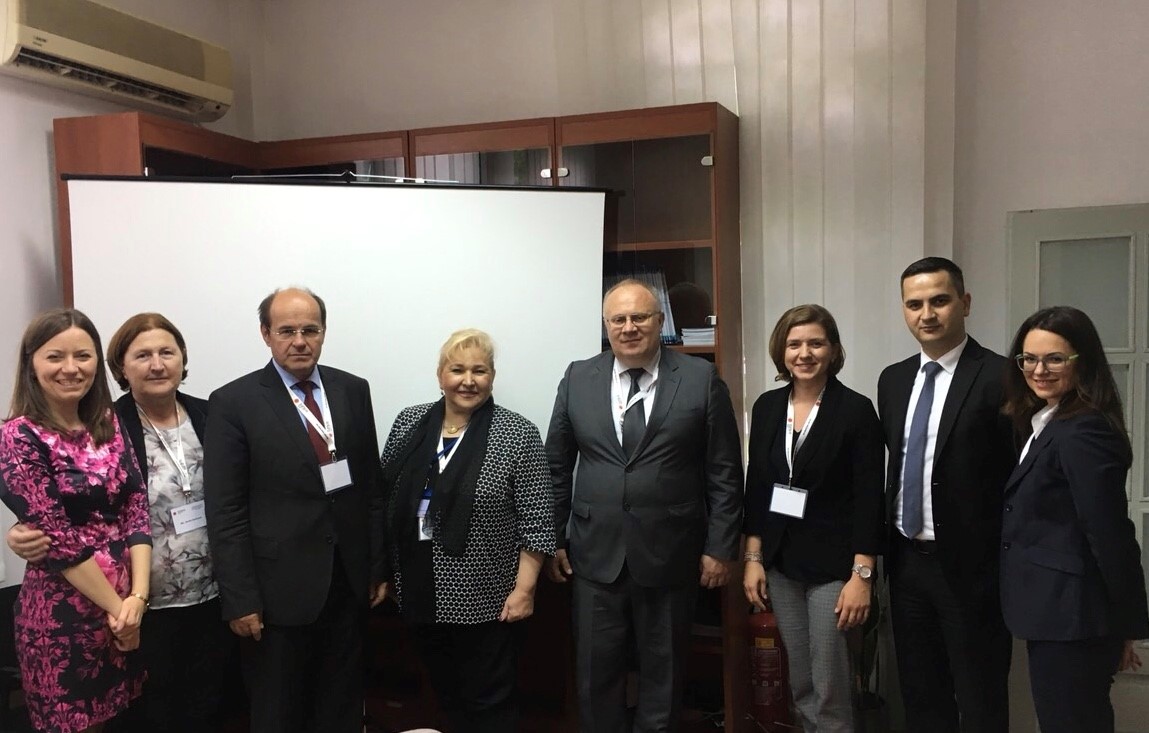
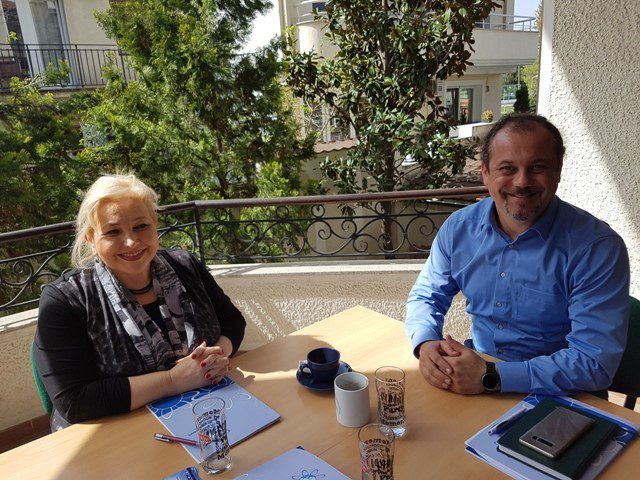
Skopje, 12.04.2018 Dr. Mira Jovanovski-Dasic, Head of SEEHN Secretariat and Mr. Igor Slavkoski, Head of Mission/Country Director of REC Macedonia and Deputy Head of the Business Development Unit of REC Head Office
n
In a friendly and relaxed atmosphere at REC’s offices in Skopje, Mr. Slavkoski and Dr. Dasic mutually presented organizational, managerial structures, activities and projects of the respective organizations they represent.
n
A very fruitful discussion was developed on the possibilities for mutual cooperation bearing in mind that the strategic focus of both organizations is contribution towards the achievement of the UN Sustainable Development Goals and 2030 Agenda for Sustainable Development.
n
Both parties agreed that the“concept of health is an essential element for the well-being of society and this concept does not merely refer to physical survival or the absence of disease, but includes psychological aspects, natural, environmental, climatic and housing conditions, working, economic, social and cultural life” (definition by WHO).
n
Mr. Slavkoski expressed REC’s readiness to start cooperation with SEEHN in several areas of joint interest of Environment and Health i) Air pollution ii) Water and iii) Waste through possible involvement in capacity building activities and development of partnership projects.
n
Dr. Dasic presented the possibility for formalizing a partnership between SEEHN and REC by signing a Memorandum of cooperation in order to enhance future joint activities.
n
This productive meeting concluded with the sharing of the day – to – day operation experiences and ideas for best practices.
On the occasion of the World Health Day 2018, SEEHN Secretariat and Regional Health Development Center on Public Health Services hosted by the Institute of Public Health in Skopje, marked the event on Thursday, April 5th at the Best Western Hotel Turist in Skopje.
World Health Organization established April 7th as World Health Day 70 years ago and this year the theme and slogan was “Universal Health Coverage: everyone, everywhere. Health for All”
Addressing the audience Dr. Mira Jovanovski-Dasic, Director of SEEHN Secretariat, underlined that all countries of the SEE region share common economic, environmental, demographic, political, challenges which all combined make a huge impact and diminish universal access to healthcare services, essential quality care and financial protection thus ultimately determining a huge gap of 10 years less in life expectancy comparing to the ones in the EU region.
SEEHN will work intensively with its Member States in the forthcoming period for further upgrading public health services moving towards achieving its commitments from the Chisinau Pledge, which focus on:
Striving universal health coverage for our populations
Increasing public financing for health
Sustaining and strengthening the regional cooperation in public health
Working more closely and efficiently with our partners.
This is what we all can do to achieve UHC at the regional, governmental, individual level by spotting policy-makers’ power to transform the health of their nation and to invite them to be part of the change; by sharing examples on the progress achieved towards UHC and encourage others to find their own path; by providing tools for structured policy dialogue on how to advance UHC nationally and by supporting such efforts at the regional level ( through expanding service coverage, improving quality of services, reducing out-of-pocket payments) pointed out Dr. Mira Jovanovski-Dasic.
She reiterated that SEEHN is committed to further supporting and working in this area and to spreading best practices in every possible occasion.
Our efforts aim to enhance people’s health, and the 2018 slogan “Health for All” shall be the headline of our daily activities that ultimately will drive changes for the other half of population to enjoy high qualitative healthcare services, concluded Dr. Mira Jovanovski-Dasic.
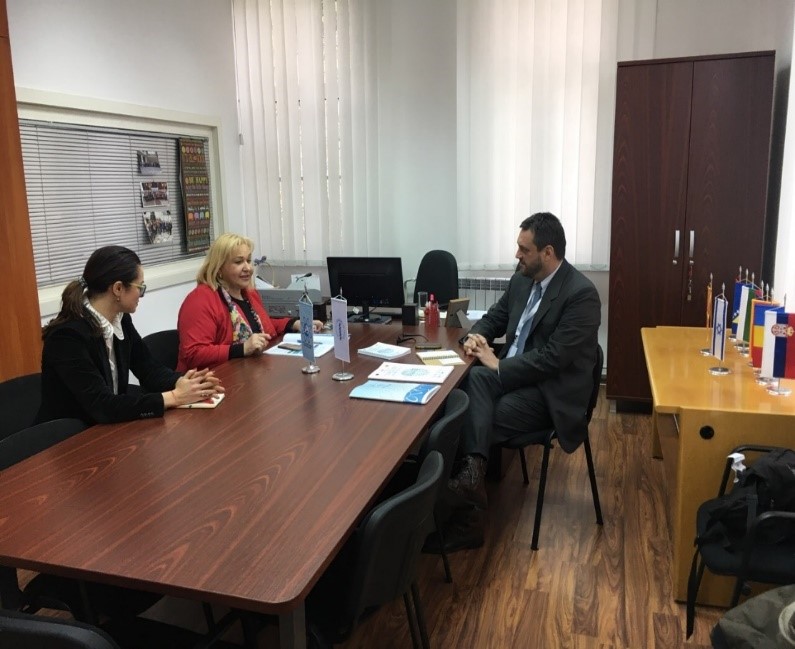
Dr. Luca Rosi, Head of the International Affairs, Italian National Institute of Public Health (Istituto Superiore di Sanita’), on 26th March 2018 paid a visit to the Secretariat premises in Skopje.
n
The Director of SEEHN Secretariat Dr. Mira Jovanovski Dasic welcomed Dr Rosi and presented recent developments within SEEHN, the work on the strengthening of the governing bodies of the SEEHN, the preparation of the Chisinau Pledge Action Plan and the activities implemented in the past period.
n
The deliberations included current and future plans of SEEHN, comprising the readiness to continue working on public health issues in the SEE Region, strengthening the role of the Secretariat itself and strategic partnerships.
n
Interlocutors exchanged opinions regarding possibilities for partner cooperation between the Italian National Institute of Public Health and SEEHN, other opportunities of financing possible bilateral actions and projects, their interconnectivity within multi-stakeholder involvement initiatives.
n
Particularly, Dr. Dasic and Dr. Rosi conveyed on key actions to be implemented in the SEE member states reaffirming fundamentals for development, social cohesion and prosperity.
n
Key topics in the discussion included:
nn
n
To establish a plan for actions to address Public Health challenges especially those with cross-border implications;
n
To enhance the technical capacity of experts and infrastructures;
n
To provide Technical Assistance for building community resilience skills;
n
To develop in the future a permanent forum – open source – for know-how exchange in the SEE Region;
n
To support quality training programs in educational institutions in the SEE Region.
n
n
Finally, Dr. Dasic and Dr. Rosi expressed readiness to revive the partnership of SEEHN with the Istituto Superiore di Sanita’. Dr. Rosi assured to provide assistance needed to that extent.
The South‐eastern European countries are coming together in Podgorica, Montenegro on 21 February 2018 to develop a regional action plan for 2 years with specific strategic objectives and activities to implement the Chisinau Pledge.
Nine Member States (Albania, Bosnia and Herzegovina, Bulgaria, Israel, Montenegro, Republic of Moldova, Romania, Serbia and the former Yugoslav Republic of Macedonia)are part of the South-eastern Europe Health Network (SEEHN).They signed in April 2017 the Chisinau Pledge committing to join action in collaboration with WHO and partners on a range of issues. The objective of the meeting in Podgorica is to discuss how WHO can support the network in implementing these commitments during the 2018-2019 biennium.
“The Chisinau Pledge is an important instrument to ensure the implementation of the Sustainable Development Goals (SDGs) in the sub-region,” says Dr Lucianne Licari, SEEHN Special Representativeof the Regional Director of in the WHO Regional Office for Europe. “WHO as a key partner of the network continues to provide technical support required to Member States, not only through the Biennial Collaborative Agreements (BCAs) signed with individual countries but also in multi-country collaborations across the network.”
National Health Coordinators of the network and SEE representatives of Regional Health Development Centres will participate in the meeting, along with representatives of WHO from the Regional Office for Europe. They will discuss opportunities for achieving the goals and strategic objectivesof the Chisinau Pledge in the SEE region and reaching an agreementon the way forward to address commonchallenges.
“The SEEHN network is dependent on the support of the partner organizations in implementing the commitments made in the Chisinau Pledge,” says Dr Mira Jovanovski Dasic, Head of the Secretariat of the Network. “We appreciate the long-standing partnership we have with WHO and the support the network receives from WHO. We hope other partners of the network will follow the WHO example in supporting the implementation of the pledge.”
The Chisinau Pledge calls upon joint action of the Member states withpartners on:
1. Sustaining and strengthening the regional cooperation in public health by takingdeliberate action to influence governance in other policy arenas to promote and protect health, and
2. Achieving the United Nations Sustainable Development Goals by taking advantage of the UN 2030 Agenda for Sustainable Development to renew countries’ commitments to health and to seek intersectoral action to advance the priorities of the European Health 2020 policy framework towards 2030.
The conference, attended by the representatives of SEEHN, has been organized under the auspices of the Presidency of Bulgaria of the Council of the EU.
Obesity among children was spotted as an increasing challenge in the European Region. Thus, healthy nutrition was chosen as a priority to focus on and to promote among European nations. As the majority of the SEEHN Member States aspire to accede to the EU and also encounter the same challenges, the participation of SEEHN was an opportunity to exchange information, best practices and policies in order to improve the health choices on nutrition for the younger generations.
Many aspects of the healthy nutrition have been discussed including the impact of nutrition and food on health: ranging from breastfeeding to epigenetics, healthy eating habits as key health determinant, options on regulating marketing of foods intended for children, Mediterranean diet, Nordic diet, “Baltic diet”,”Balkan diet”- traditional diets and foods and their impact on health, success stories: best practices at national, European and Global level.
Strong support to regional collaboration in improving the health conditions of every citizen
nJanuary, 12th 2018 – Head of the Secretariat of the South-Eastern Europe Health Network (SEEHN) Dr. Mira Jovanovski-Dasic met with the Minister of Health of the Republic of Macedonia Doc dr. Venko Filipche and during today’s meeting they discussed about the founding documents of the SEEHN, its organizational structure, the Chisinau Pledge and the forthcoming activities and events.n
Dr Jovanovski Dasic congratulated Doc. Dr Filipche on his recent appointment as Minister of Health of the Republic of Macedonia and she took an opportunity to express special gratitude to the Government of the Republic of Macedonia for hosting the Secretariat of the SEEHN
n
Minister Filipche and Dr. Jovanovski-Dasic agreed that there are many health challenges in the SEE region and regarding this they agreed that the scope and purpose of the forthcoming SEEHN Ministerial Meeting on Immunization, which is going to be held in Podgorica, Montenegro, 20 February 2018., is of the highest importance.
n
Minister Filipche recognized the importance of regional collaboration in improving the health conditions of every citizen through the enhancement of public health and health systems, and conveyed his readiness to support the work of the Network.
Universal Health Coverage (UHC) Day, commemorated each 12 December, is the anniversary of the first unanimous United Nations resolution calling for countries to provide affordable, quality health care to every person, everywhere.
UHC has been included in the new Sustainable Development Goals adopted by the United Nations and it means everyone can access the quality health services they need without financial hardship and is a means to promote the human right to health.
UHC is for:
WHO: All people, including the poorest and most vulnerable.
WHAT: Full range of essential health services, including prevention, treatment, hospital care and pain control.
HOW to achieve UHC: Costs shared among entire population through pre- payment and risk-pooling, rather than shouldered by the sick. Access should be based on need and unrelated to ability to pay.
The South-eastern Health Network (SEEHN) is pleased to announce the designation of a New Regional Health Development Centre on Sexual and Reproductive Health, hosted by the East European Institute of Reproductive Health (EEIRH) in Romania.nRomania is a strong example of success and continued regional cooperation in the area of sexual and reproductive health. In its capacity as EU Member State, Romania is ready to share with its partners in the Network the experience gathered during the accession and integration process and to promote the EU principles and policies in this particular health area.nIn the last 20 years, the East European Institute of Reproductive Health in Romania has been providing valuable technical assistance in sexual and reproductive health to countries in Eastern Europe and Central Asia, including several SEEHN Member States. EEIRH is also acting as a UNFPA regional partner, promoting the right of women and men to sexual and reproductive health, the right to a life without gender-based violence and to a healthy and dignified ageing. To fulfill this mission, EEIRH provides policy advisory work, consultancy and technical assistance, develops and implements research, training and communication programmes and projects. In all its activities, EEIRH promotes dialogue, partnerships and international cooperation with commitment to supporting the achievement of the Sustainable Development Goals, in particular Goals 3 and 5, through the combined efforts of governments, civil society organizations and the private sector, in the context of a stronger and more effective partnership for development.
World Health Organization to commemorate the World AIDS Day this year choose to focus the on everybody live counts through the theme “Right to health”. Therefore, all 36.7 million people living with HIV shall have the chance to benefit under the universal health coverage framework of programs of care, also approved and embedded within the Sustainable Development Goals. In this context, WHO is promoting access to safe, effective, quality and affordable medicines, as well as health care services for all people in need, while also ensuring that they are protected against financial risks.
More than 35 million people globally so far have been infected with HIV and with 1.8 million people becoming newly infected in 2016 makes the disease to be a major global public health threat.
54% of adults and 43% of children living with HIV are currently receiving lifelong antiretroviral therapy (ART), thus the figures indicate there is still space for improvement.
AIDS has no cure yet. Antiretroviral (ARV) drugs can control the virus and help prevent transmission so that people with HIV, and those at substantial risk, can enjoy healthy, long and productive lives.
The SEEHN Member States are strongly committed to end AIDS epidemic and have translated into their country programs the principles of the Global health sector strategy on HIV, 2016-2021.
SEEHN is fully supporting the WHO slogan – Everybody counts and advocates through its CHISNAU Pledge to make it happen!
Director of SEEHN Secretariat Dr. Mira Jovanovski Dasic had a meeting with H.E. Viorel Stanila, Ambassador of Romania to the Republic of Macedonia on 17 September.
n
At the beginning, Dr Dasic thanked Romania for a fruitful partnership and for the support provided to SEEHN, particularly during the mandate of Mr. Razvan Vulcanescu, Romanian National Health Coordinator within the SEEHN Executive Committee.
n
Furthermore, recent activities of the SEEHN and the outcomes of the Fourth Ministerial Forum “Health, well-being and prosperity in South-Eastern Europe (SEE) by 2030 in the context of the 2030 Agenda for Sustainable Development” which concluded with the signing and approval of the Chisinau Pledge were presented. Current and future plans of SEEHN, including the readiness to continue working on health issues in the Region and strengthening the role of the Secretariat itself were discussed.
n
Interlocutors exchanged also opinions regarding other regional networks and their interconnectivity with SEEHN.
n
In the context of the upcoming 39th Plenary Meeting to be held in Sofia on 23-24 November 2017, Dr. Dasic emphasized the importance of having a strong candidacy for counterparts in their capacity as National Health Coordinators.
n
Finally, Romania was praised for the fact that it is the first SEEHN Member Country willing to launch a second Regional Health Development Center beside the one Romania hosts in the field of blood safety a second one on sexual and reproductive health. Dr. Dasic highly welcomed the initiative and assured to provide all the assistance needed to that extent.
World Mental Health Day is an annual event observed on 10th October to raise awareness of mental health issues and take efforts in supporting mental health.
n
The theme of World Mental Health Day 2017 is “Mental Health in the Workplace.”
n
Most of the employers and organizations do not see mental health issues in the workplace as a priority. Many employees may be suffering from one or more mental health disorders in silence. The World Mental Health Day provides an opportunity for all those working on mental health issues to talk about their work and take steps to make mental health care a reality for people worldwide.
-Take Breaksn-Use Lunch-Break Productively n-Plan your Work Ahead n-Discuss your Problemsn-Learn Something Newn-Take up a Challengen-Plan a Trip n-Eat Healthyn-Exercise n-Seek Help
nPhoto from http://www.rifemagazine.co.uk/2017/02/dealing-with-your-mental-health-in-the-workplace/


 Mr. Slavkoski expressed REC’s readiness to start cooperation with SEEHN in several areas of joint interest of Environment and Health i) Air pollution ii) Water and iii) Waste through possible involvement in capacity building activities and development of partnership projects.




 The SEEHN Member States are strongly committed to end AIDS epidemic and have translated into their country programs the principles of the Global health sector strategy on HIV, 2016-2021.