
Nourishing Partnerships for Health: A Country Day devoted to the SEEHN to be held on the 9th of March 2015 at WHO Regional Office for Europe
The Country Day aims at improving WHO Europe’s interactions with and relevance for the member states of the South-Eastern Europe Health Network (SEEHN). It aims to build upon the ongoing collaboration and ensure a more coordinated approach to the existing opportunities. Objectives of the Day are also to highlight the issues faced by the sub-region and to discuss the provision of policy advice and targeted technical assistance that address the networks needs by fulfilling sub-regional as well as national commitments so to ensure the delivery of agreed results.
The Country Day is designed to provide a forum for in-depth discussion on the health issues and priorities of the sub-region, the importance of the network to the WHO as well as an analysis of the technical programs’ implementation in the selected priority technical areas. It will address previous successes and future opportunities on working in and with the SEEHN at both strategic and operational levels.
Organization and all preparatory work for the SEEHN Country Day are coordinated by the Strategic Relations with Countries unit (SRC) in the Regional Directors Office.
The Country day is open to all staff members and will specifically involve Divisional Directors, Program Managers and the SEEHN Co-Opted Member and founder of the SEEHN, Dr Maria Ruseva. Heads of WHO Offices will also be linked in to participate directly in the discussions by sharing their experiences with members of the SEEHN at country level, and to contribute to the discussion on future collaboration. The meeting will be held in a plenary session with presentations and round table discussion.
The RHDC on Mental Health issues its fourth Newsletter
The Regional Health Development Center on Mental Health in SEE, based in Sarajevo, Bosnia and Herzegovina, published its 4th Newsletter.
Product of fruitful cooperation in the area of mental health between the SEEHN Member States and its partner countries and organizations, as Mr. Sredoje Nović, Minister of Civil Affairs of Bosnia and Herzegovina, says in the Editorial, the fourth issue begins by presenting the achievements of the SEEHN Extraordinary Ministerial Meeting held in November, 2014 in Skopje under the Macedonian Presidency.
Overviewing the regional activities of the SEEHN in the area of mental health in 2014, including the development of the Regional Program 2014-2024 of the RHDC on Mental Health in cooperation with the SEEHN member countries, the Newsletter also describes the separate country activities undertaken in this area.
The fourth issue is available at the following link.
The Macedonian and Serbian governments’ joint session engenders bilateral cooperation in health
The governments of Macedonia and Serbia held a joint session in Skopje on Monday that ended with the two countries signing seven cooperation agreements. The two governments signed agreements on cooperation in business, tourism, science and education, culture, sustainable development and environmental protection, as well as an agreement on establishing border procedures for the Tabanovci-Presevo railway crossing and an agreement on holding foreign affairs consultations in 2015-16.
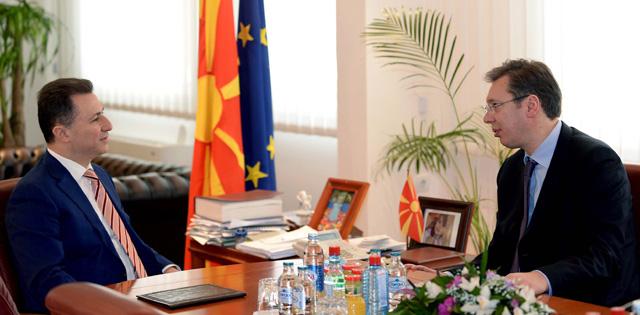 Prime Ministers of Macedonia and Serbia, Mr. Gruevski and Mr. Vucic
“We not only came up with seven agreements, but also with a number of projects that we must finalise, some this year, some in 2016. We have managed to establish mutual interests in all fields”, the Serbian Prime Minister Aleksandar Vucic said after the session which was attended by 10 out of 16 Serbian ministers.
The two countries discussed European integration, regional cooperation, new infrastructure projects, including a rail link to Greece, and gas supplies, as well as the idea of opening joint diplomatic and consular missions in some countries.
The Macedonian Prime Minister Nikola Gruevski said that the Serbian government visit was proof of good relations between the two neighbouring countries and a basis for closer economic cooperation. “We had a productive session and I believe that the contracts we have signed will bring benefits to both countries,” Gruevski said.
This was the second joint session held by the Macedonian and Serbian governments since the Progressive Party took power in Serbia in 2012. The first joint session was held in 2013 in Belgrade.
Highlight on health: The Governments of Macedonia and Serbia joint session was used for a separate bilateral meeting of the Macedonian Minister of Health, Mr. Nikola Todorov and his colleague, Dr. Zvonimir Lonchar, Serbian Minister of Health.
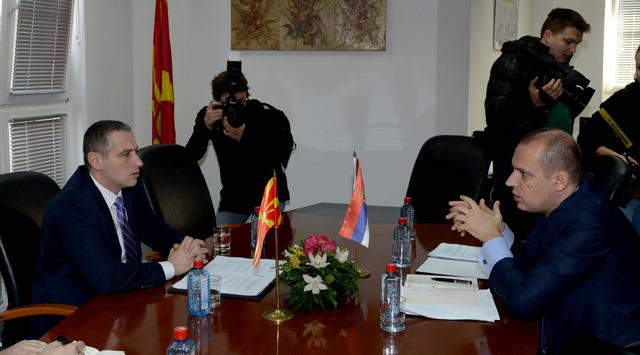 Macedonian and Serbian Ministers of Health, Mr. Todorov and Mr. Lonchar
The two Ministers discussed further improvement of the already good bilateral collaboration, in a friendly atmosphere. Minister Lonchar emphasized their commitment to introducing e-health, the area where Macedonia has already very much advanced. They agreed that the Serbian technical experts visit next week Macedonia over technical discussion with their Macedonian colleagues on the e-health topic and presentation of the Macedonian experience.
Minister Todorov informed his colleague of the interest in further education (specialization) and training in health abroad. Minister Lonchar supported this endeavor and offered 10 specializations for Macedonian doctors, under the same conditions for the Serbian doctors.
Minister Todorov further offered an initiative for joint participation at the pharmaceutical market (joint procurement of vaccines), which was accepted by Minister Lonchar and was also presented at the two Governments’ joint session.
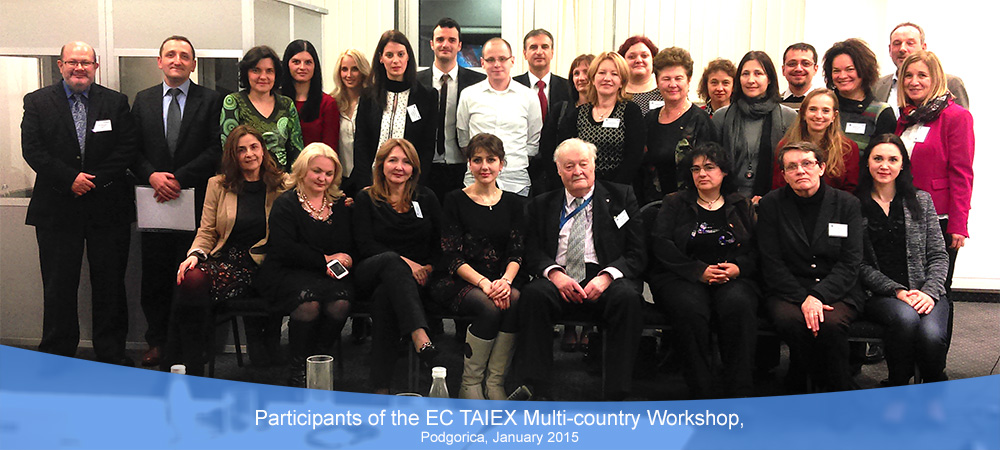
EC TAIEX Report of the Multi-country Workshop on Monitoring NCDs and Health Inequalities related to NCDs
Organized by the Technical Assistance Information Exchange instrument of the European Commission (TAIEX) in cooperation with the Ministry of Health of Montenegro on behalf of SEEHN and the Regional Health Development Centre (RHDC) on NCDs of Montenegro, the Multi-country Workshop on Monitoring Non-communicable Diseases and Health Inequalities related to Non-communicable Diseases took place in Podgorica, Montenegro on 29–30 January 2015.
The workshop had close to 80 participants from the Member States of the SEE Health Network[1], Kosovo[3] and Turkey.
Part of a series of capacity-building activities led by the RHDCs in Podgorica supported by EC TAIEX, the Workshop aimed at identifying and proposing minimal set of indicators on NCDs and related health inequalities to be implemented and reported by all SEEHN countries, Kosovo* and Turkey.
The EC TAIEX Workshop Report summarizes the conclusions made by key experts from the International organizations, including WHO Europe, and considers the experiences of representatives of the EU Member States and of the SEEHN countries as well as Kosovo and Turkey in the field of monitoring NCDs and health inequalities related to NCDs. It also provides recommendations for further action in terms of developing uniform NCDs’ monitoring system for all SEEHN countries.
[1] SEE Health Network: The SEE Health Network was established in partnership with the Council of Europe and the WHO Regional Office for Europe within the framework of the Stability Pact Initiative for Social Cohesion. It comprises of Republic of Albania, Bosnia and Herzegovina[2], Republic of Bulgaria, Republic of Croatia, Republic of Moldova, Montenegro, Romania, Republic of Serbia, the State of Israel and The Former Yugoslav Republic of Macedonia;
[2]Ministry of Civil Affairs on the behalf of Bosnia and Herzegovina’s health authorities: Ministry of Civil Affairs of Bosnia and Herzegovina, Federal Ministry of Health, Ministry of Health and Social Welfare of the Republic of Srpska and Department of Health and Other Services of Brčko District
[3] Kosovo*: KS=Kosovo*; this designation is without prejudice to positions on status, and is in line with UNSCR 1244 and the ICJ Opinion on the Kosovo Declaration of Independence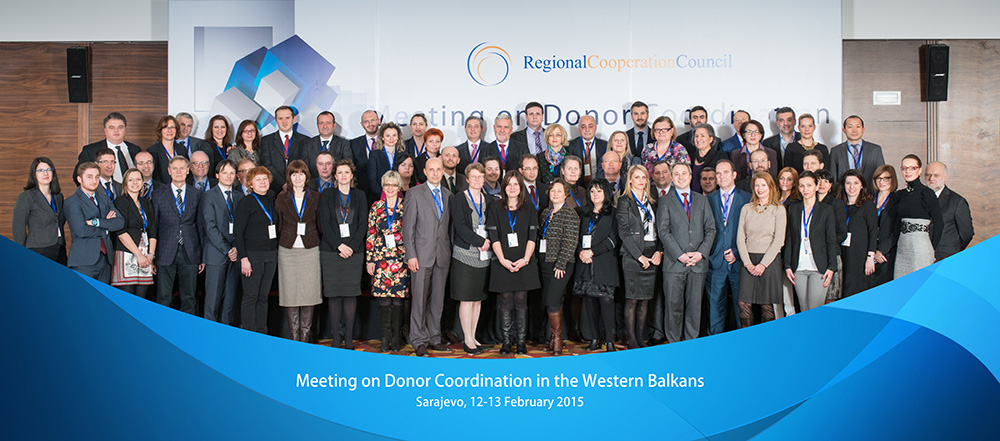
The Sarajevo meeting paves the way for annual Donor Coordination Conferences in the Western Balkans
A two-day meeting on Donor Coordination in the Western Balkans was held in Sarajevo, Bosnia and Herzegovina under the auspices of the Regional Cooperation Council (RCC). Gathering nearly hundred participants from major donor countries and organizations, the meeting focused on the mapping and coordination of donor activities in the Western Balkans, particularly in view of the implementation of the SEE 2020 Strategy “Jobs and Prosperity in a European Perspective”
Naturally, regional cooperation was confirmed to be of vital importance for boosting effectiveness and developing capacities in the Western Balkans. A solid study, performed by and reported by Professor William Bartlett from the London School of Economics, on “The political economy of donor intervention in Western Balkans and Turkey: mapping and potential for stronger synergies” showed clearly the social inclusion and issues are under-funded in the region.
Furthermore, it was agreed that RCC would host an annual donor coordination conference for the Western Balkans which would provide not only for a better alignment between regional development priorities, donors’ sectorial objectives and the priorities set out in the SEE 2020 Strategy but also for a more efficient use of the available funding.
Also adopted was the proposal to develop a single regional donor coordination database that will contribute to better prioritisation of actions, both nationally and regionally, and will help align the donor interventions with the needs of the region.
The Faculty of Public Health in Pleven calls for participants at its Jubilee Scientific Conference
Leading structure at the Medical Faculty and a solid educational center for training of public health professionals and managers, the Faculty of Public Health in Pleven, Bulgaria invites all interested colleagues and public health professionals to join its Jubilee Scientific Conference and celebrate its 10th anniversary.
Titled “Public Health Policy and Practice”, the conference will take place on October 1-3, 2015. It will provide health professionals with the opportunity to exchange valuable experience and ideas as well as enhance their professional connections in the field of public health research and practice for prevention and control of public health processes, and health systems’ development.
The interested candidates can download the registration form here and learn more about the abstract submission guidelines and the preliminary program here.
Albania published its 2014 National Health Report
Titled “The Health Status of the Albanian Population”, the 2014 National Health Report of Albania was published by the Institute of Public Health of Albania with the support of the UNICEF country office.
Based upon a desk review of the official sources of information on health status and health care system in the country, the Report provides a broad overview of the current health status of the Albanian population by highlighting the mortality and morbidity patterns in the past twenty years as well as the major risk factors and other determinants of disease and death in the Albanian population. The Report also describes the health care resources, workforce distribution, health care utilization and the costs involved in the Albanian health sector.
Comparing certain aspects of the Albanian health system to the relevant ones in the neighbouring countries, the National Health Report provides solutions to the problematic issues, ultimately aiming at supporting better evidence-based health policy making and priority setting. Consequently, it may serve as a baseline document for a cross-national comparison at both regional and international level.
The complete 2014 National Health Report of Albania is available here.

SEEHN features in the SEE Journal of Public Health
An open-access international peer-reviewed journal involving all areas of health sciences and public health in particular, the South Eastern European Journal of Public Health (SEEJPH) recently published a review paper titled “The South Eastern Europe Health Network: A model for regional collaboration in public health”.
Written by several key participants in the SEEHN operation, the article underlines the importance of inter-country alliances to the economic development and social progress in the past several decades through the example of the South Eastern Europe Health Network (SEEHN) which has achieved tangible improvements in the regional governance for health.
Summarising the main accomplishments of the network and highlighting the keys to its success, the article follows the main milestones in network development, including its foundation under the Stability Pact’s Initiative for Social Cohesion and the three ministerial forums that have shaped its evolution, in order to show how it can constitute a model for regional collaboration in public health and thus provide several important lessons for public health leaders worldwide.
The entire article is available at the following link: http://www.seejph.com/the-south-eastern-europe-health-network-a-model-for-regional-collaboration-in-public-health/
Semi-annual Report of the RHDC on Organ Donation and Transplant Medicine
Over the past six months, the SEEHN Regional Health Development Centre on Organ Donation and Transplant Medicine, located in Croatia, carried out a series of activities with the aim to improve transplantation programs in the SEE region.
Semi-annual activities implemented in the period June-December 2014 included workshops, trainings, meetings and expert missions as well as activities aimed at strengthening bilateral cooperation. Additionally, a new initiative on Paired Kidney Donation Program was discussed with health care professionals from SEE countries.
The Report on the RHDC Semi-annual Program of Work, providing detailed information on each activity, is available here.

The Extraordinary Ministerial Meeting of the SEEHN successfully organized in Skopje
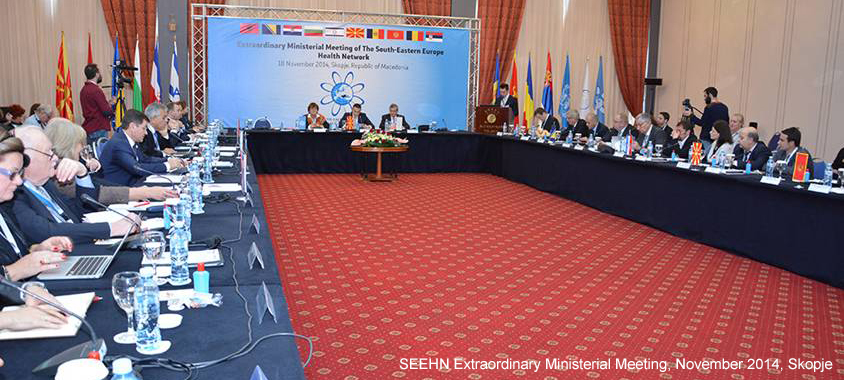
Preceding the 34th SEEHN Plenary Meeting (19-20 November 2014), the Extraordinary Ministerial Meeting of the SEE Health Network was successfully organized on 18 November 2014 in Skopje.
The attending ministries of health and official representatives of all SEEHN member countries discussed the health reforms and the Whole-of-Government approach to the implementation of the WHO European Policy Framework for health and wellbeing Health 2020, as well as the mobility and education of human resources for health.
The Meeting also revolved around the crisis preparedness and response capacity of the SEE Health Network and provided for the creation of a Task Force as a mechanism for addressing crisis health preparedness aid in the region. In this context, a Preparedness and response simulation exercise was implemented at the Alexander the Great Airport in Skopje.
Prior to the Ministerial Meeting, the President of the Government of the Republic of Macedonia Nikola Gruevski met with the WHO Regional Director for Europe, Mrs. Zsuzsanna Jakab. The meeting was an excellent opportunity to discuss the current governmental health policies, the main strategic goals and activities as well as the future cooperation in various fields of common interest, particularly regarding the Health 2020 Strategy development process in the country.
The Ministerial Meeting was followed by a press conference held by Mrs. Jakab and the Minister of Health of the Republic of Macedonia Nikola Todorov. They both underlined the importance of the regional cooperation within SEEHN and the paramount role that the Network plays in regard to the cooperation across the health sector in Europe.
SEEHN Extraordinary Ministerial Meeting Presentation Web Launch
Skopje hosts the forthcoming Extraordinary Ministerial Meeting of the SEEHN
The forthcoming Extraordinary Ministerial Meeting of the South-eastern Europe Health Network will take place on November 18, 2014 in Skopje.
Its realization is of undisputed importance given the context of the political, economic, social and health changes that have taken place in the region since the endorsement of the SEE Health Network Memorandum of Understanding in 2008 and particularly with regards to the implementation of the Banja Luka Pledge (2011), the SEE 2020 Growth Strategy recently endorsed (22 November 2013) by the SEE Ministers of Economy, the EU 2020 Strategy and the WHO Europe Health 2020 Policy Framework (2012) as well as the European Action Plan for Strengthening Public Health Capacities and Services (2012).
The health reforms and the Whole-of-Government approach to the implementation of the WHO European Policy Framework for health and wellbeing – Health 2020, as well as the human resources for health, their mobility and the educational programmes will be in the focus of the meeting.
Considering the disastrous flooding that affected several SEEHN countries, the meeting will serve as an excellent opportunity to not only discuss emergencies, preparedness and response in the SEE region but to also create a mechanism, a Task Force, which will be put in place so to address crisis health preparedness aid in the SEEHN region. In this context, a Preparedness and response simulation exercise will be implemented at the Alexander the Great Airport in Skopje.
The participation of Dr. Zsuzsanna Jakab, WHO Regional Director for Europe, will once again denote the continuous support of the WHO as a key partner in the process of Network establishing, development and functioning.
By providing for strengthened leadership, managerial and technical opportunities for the Network and further development of the regional cooperation in public health in SEE, this Extraordinary Ministerial Meeting will overview the Network activities throughout 2014, which has been an extremely intensive year for the regional collaboration for health, and will also set the trajectory for the following year.
The 34th Plenary Meeting of SEEHN starts in a week
Organized and hosted by the Macedonian presidency of the South-eastern Europe Health Network, the 34th Plenary Meeting will be held on 19-20 November 2014 in Skopje, Republic of Macedonia.
This event will be attended by the national health coordinators of the SEEHN Member States, the partner countries and partner international organizations, directors of the SEEHN Regional Health Development Centers (RHDC) and other key important actors.
Following the Extraordinary Ministerial Meeting of the SEEHN which will take place the day before in Skopje, the 34th Plenary Meeting will follow up on the SEEHN Ministers’ meeting and discuss the SEEHN key strategic areas of work for 2014-2020 and beyond in implementing the SEE 2020 Strategy “Jobs and prosperity in an European Perspective” under the auspices of the Regional Cooperation Council (RCC). The accent will also be put on both the H2020 integration into the SEEHN policies and developments, and the outcome of the major developments, activities and challenges during the term of the Macedonian Presidency (SEEHN Presidency Report July – December 2014).
Discussing and deciding upon the future long-term SEEHN health strategy is the first crucial strategic issue to be addressed during this Plenary Meeting. Expected to be ready for the forthcoming 4th SEE Ministerial Forum in 2016, this strategy will cover primarily all SEEHN countries and will hence represent the contribution of the Network to the achievement of the objectives of the WHO Europe Health 2020 Framework Policy and the European Action Plan on Strengthening Public Health Capacities and Services.
The second important issue to be tackled is the commencement of a policy dialogue so to provide an overview of the regional efforts and cooperation towards enhancing inter-sectorial governance of health and achieving inclusive growth.
In addition, the Plenary Meeting will discuss and take important decisions regarding the preparations for the 4th Ministerial Forum and the SEEHN Secretariat establishment. Finally, it will represent the TAIEX achievements in 2014 as well as the Road Map for the SEEHN activities and the SEEHN Calendar of Events in 2015 under the Serbian Presidency of the SEEHN (01 January – 30 June 2015).
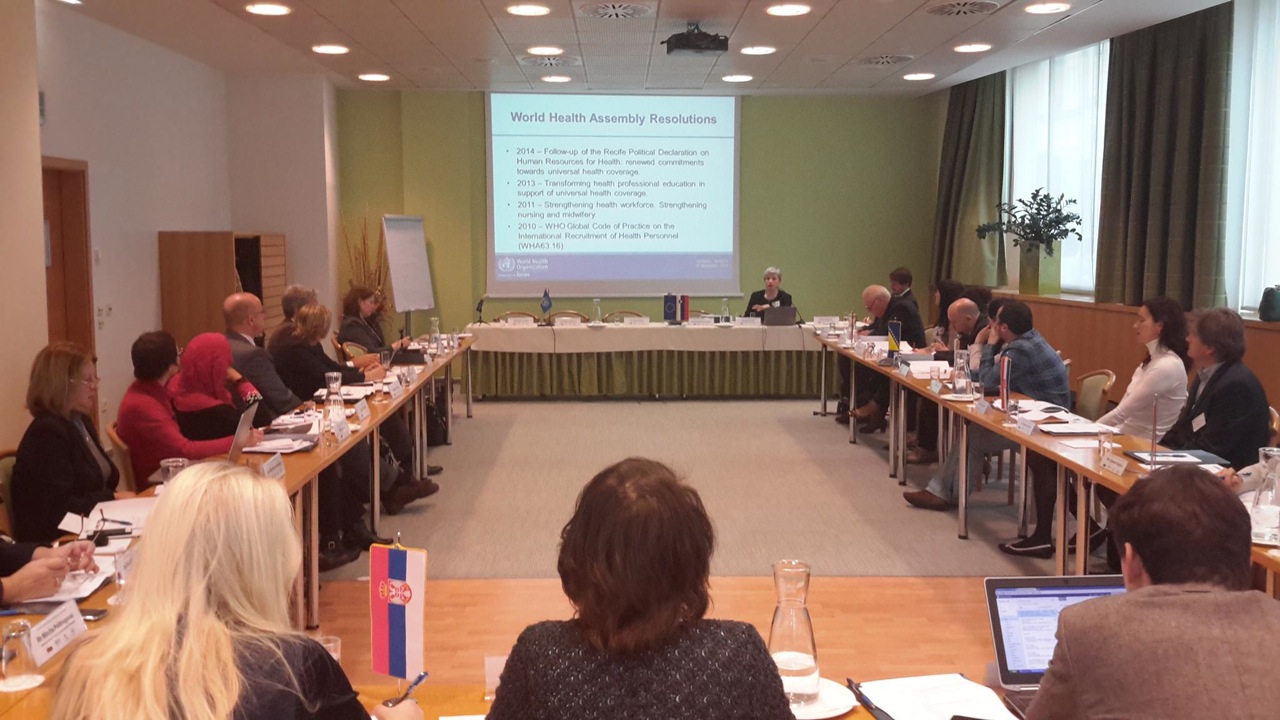
Health workforce in the focus of a Multi-country workshop in Slovenia
Recognizing the fundamental importance of a sustainable and well-performing health workforce which is the backbone of an effective health system, as well as the need to address health workforce challenges in countries and introduce mechanisms to improve and promote relevant health workforce policies, the SEEHN Regional Health Development Centre on Human Resources for Health (HPH), established in 2013 in the Republic of Moldova, organized a Multi-country Workshop titled “Health Workforce – from Challenges to Solutions”.
Implemented in collaboration with and under the technical guidance of the WHO Regional Office for Europe, the workshop took place on November 10-11, 2014 in Ljubljana, Slovenia.
Gathering national focal points on HRH, policy-makers and researchers dealing with health workforce issues, the workshop aimed at shaping the agenda for action in the SEEHN countries. More precisely, its purpose was to take stock of recent evidence on effective health workforce strategies in order to increase technical capacity in SEEHN countries and to strategize their collaborative efforts to support effective and sustainable health workforce development in the SEE region.
Therefore, the workshop participants used the opportunity to review the current progress and challenges in the health workforce development in SEEHN countries, including the implementation of the WHO Code of Practice, and shared their experiences and lessons learnt in addressing health workforce challenges in Europe with a focus on health workforce mobility.
Also presented were a methodology and a questionnaire for assessing the situation in the SEE countries regarding the harmonization and mutual recognition of health professionals’ qualifications in Europe to be performed with EC TAIEX support. The general concept of the First SEE Forum of Health Educational Institutions in South East Europe to take place in Varna, Bulgaria in 2015 as well as drafting outline of a SEEHN strategy and action plan on strengthening human resources for health (2014-2020) in line with the SEEHN Decision and the SEE 2020 Strategy were part of the workshop agenda as well.
The workshop encouraged strengthened political commitment in SEEHN countries which is essential to effective and sustainable health workforce development, one of the key strategic actions of the health dimension in the Inclusive Growth Pillar of the recently approved SEE 2020 Strategy “Jobs and Prosperity in the European Perspective.”
The workshop was funded by the Ministry of Foreign Affairs and the Ministry of Health of Slovenia and co-sponsored by the Technical Programme on Human Resources for Health (HRH) at the WHO Regional Office for Europe in Copenhagen.
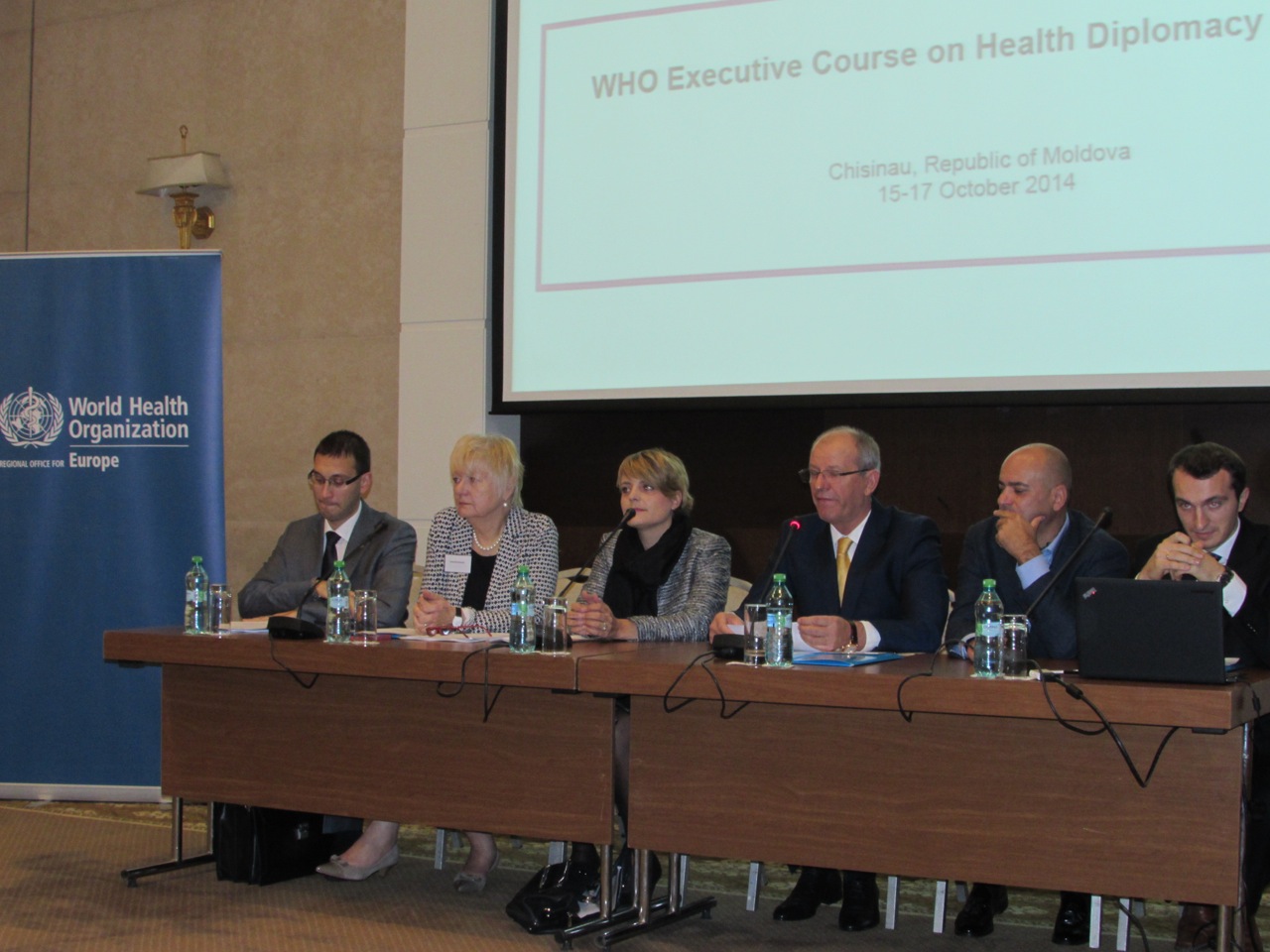
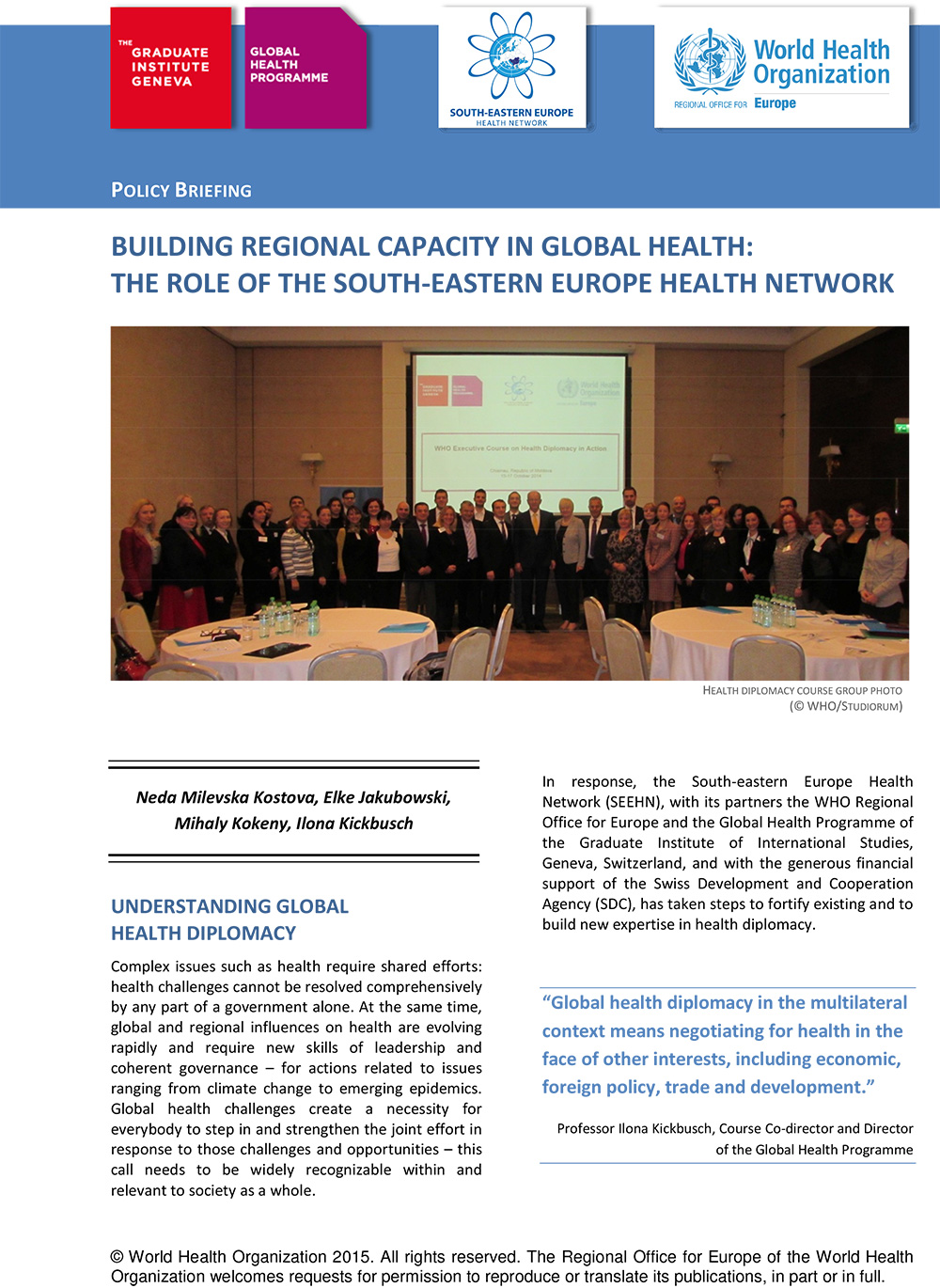
The Health Diplomacy Course – another successful SEEHN story
Having become a strong partner in health collaboration at European level and having obtained a growing influence on the European health policy agendas in the past 10 years, the South-Eastern Europe Health Network together with the World Health Organization (WHO) Regional Office for Europe and the Global Health Programme at the Graduate Institute of International and Development Studies in Geneva, Switzerland organized an executive course on health diplomacy in action on October 15-17, 2014 in Chisinau, Republic of Moldova.
Global health diplomacy (GHD) is considered important since it brings together the disciplines of public health, international affairs, management, law and economics and focuses on negotiations that shape and manage the global policy environment for health.
Hence, the course on health diplomacy in action aimed at capturing and further developing the capacities and skills required to achieve health improvement in the South Eastern European Region at different levels.
Comprised of lectures, roundtables and group activities, this three-day long training course provided insight into the concept and principles of global health diplomacy, the selected priority areas of current GHD negotiations, the possible SEEHN approaches applicable to the current situation in the Region and the new instruments, methods and systems of diplomacy.
It gathered over 40 high-level representatives from the SEEHN member countries and a variety of lecturers and experts who discussed the diplomatic and security challenges in the Region and the importance of policy coherence for health diplomacy. By fostering interaction and communication between the participants in mixed working groups, the course helped the diplomatic and health professionals understand their common interests in health as a foreign policy issue, and thus provided for a stronger regional cooperation in public health in the SEE.
Furthermore, it contributed to capacity building in achieving better global and national health performance, and provided instruments and mechanisms for multilateral negotiations for health in both health and non-health organizations towards achieving and holding positions in boards, assemblies and reconciling global health and national interests.
This course was implemented with technical and financial support by WHO/EURO as part of the project “Developing and sustaining the institutional capacities for regional cooperation in public health in SEEHN”, and kindly donated by the Swiss Agency for Development and Cooperation (SDC).
The course policy briefing for SEEHN, titled Building Regional Capacity in Global Health: The Role of the South-Eastern Europe Health Network, is available at the following link.
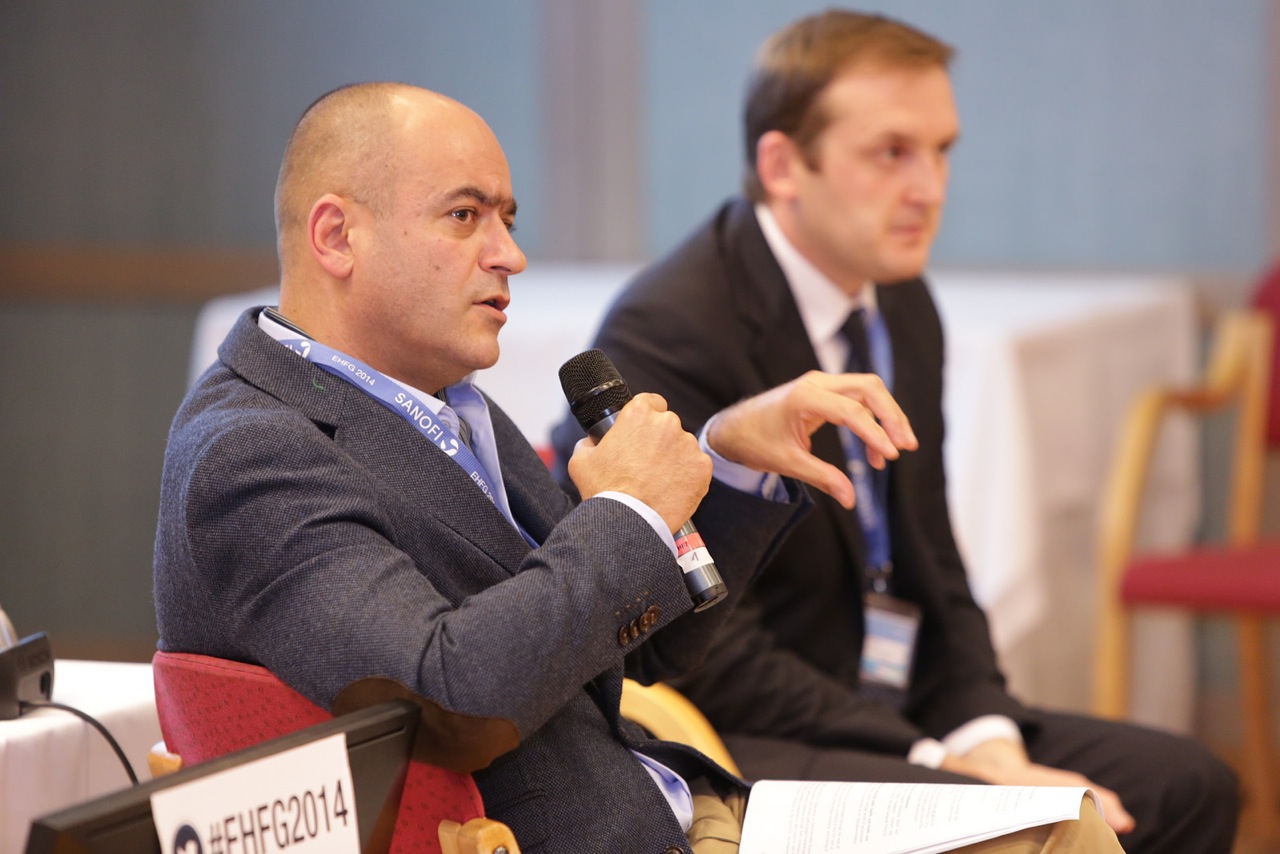
SEEHN took part in the 17th edition of the European Health Forum Gastein
As a main contributor and promoter of the health dimension in the SEE 2020 Strategy, the South East Europe Health Network participated in the leading health policy event in the EU – the European Health Forum Gastein (EHFG) – which was held on October 1-3, 2014 in the Gastein Valley in Austria.
Gathering nearly 600 experts as well as an unparalleled mix of participants, EHFG has proved to be, for 17 years in a row, the chief platform for decision-makers in various fields of public health & health care.
This year’s EHFG program included a joint session organized by SEEHN and its partners WHO EURO and Studiorum. Titled “Health for Jobs and prosperity in SEE”, the session offered a presentation and discussion of the South East Europe (SEE) Growth Strategy and the policy commitment of South Eastern Europe Health Network (SEEHN) to promote the values of health, equity and wellbeing as an indispensable part of the growth and development processes across the SEE Region.
Nand Shani, Senior Expert on Inclusive Growth in the Regional Cooperation Council and Goran Cerkez, Federal Ministry of Health of Bosnia and Herzegovina and representative of the SEEHN Executive Committee, elaborated on the importance of regional cooperation for health-supported inclusive growth in SEE.
Official regional dimension coordinator since 2010, the SEEHN has helped to create dialogue and stronger relationships between the economic, development and health sectors with the sole purpose of improving health and reducing health inequities within and between countries.
Tourism, employment and IT technology were identified as priority sectors for growth in the SEE Region. While sustainable tourism depends on aspects of environment, agriculture, transport, employment and health, the new technologies can prove beneficial to both health and employment opportunities and thus contribute to achieving economic and health targets. In return, a well-functioning health system was once again underlined as crucial for creating consumer confidence, especially in the tourist sector, as it enables not only higher level of sense of security and safety among the industry and consumers when coming to the region, but also inclusive growth.
Also discussed during this session was the involvement of multilateral bodies which have made important contributions to past and current progress. However, given the facts that for many countries the accession to the EU is a main driver for policy reforms and that health has a low profile in the EU2020 high level targets and goals, there is need to bring health more sharply into the accession process through instruments such as the national and regional plans for pre-accession and the related funding mechanisms.
Titled “Health as an entry point for national and local development and well-being”, the second part of the session offered real world experiences from Montenegro, Romania and Slovenia.
Tatjana Buzeti, Centre for Health and Development in Murska Sobota, Slovenia and Andrej Vrsic, Director of the Local Tourist Board in Slovenia showed how health and economic growth can be combined in practice. In the case of Slovenia this was done by promoting sustainable tourism in the North-Eastern wine region, which has also a long tradition in health spa tourism. By putting the focus on active free time and by investing in human capital and infrastructure, not only has this region been redefined and repositioned as a tourist destination, but also the life-style of inhabitants has been improved.
Adriana Galan, National Institute of Public Health, Romania, presented a project focused on vulnerable groups in rural areas. By providing them with entrepreneurial skills to set up their own business, which has resulted in 40 start-ups to this date, the project succeeded at making them understand the links between health and employment. In order to overcome emigration of medical doctors and address existing gaps in the health care system, the Institute also plans to develop partnerships of the healthcare sector with social and education sectors.
Finally, Natasa Terzic, Director of the Centre for Health System Development, Institute of Public Health, Montenegro, shared the best practices from her country. Recognizing that many of the health-related challenges such as demographic ageing and health inequalities cannot be solved by the health care sector alone, a platform for sustainable development was created so to strengthen the perception of health as a tool for growth in other sectors, such as employment. Although it remains necessary to first strengthen the health care system per se before collaborating with any other sector towards enhancing prosperity, this platform is crucial as it brought health to the agenda for the first time in such a context.
The productive session was closed with suggestions to involve academia for evaluating network’s experiences, to include social affairs and to even further strengthen the partnerships with the social sector.
The recordings of the Opening and Closing Plenary sessions of this year’s EHFG can be found here whereas the webcast of the entire SEEHN session is available at EHFG 2014 Workshop 7.
The European Health Forum Gastein is supported by the European Commission and the Austrian Ministry of Health. Its 18th edition will take place between September 30th and October 2nd, 2015.

“Health for Jobs and prosperity in SEE”: SEEHN Workshop at the 17th European Health Forum Gastein
It is with utmost pleasure that we announce the participation of the South-Eastern Europe Health Network (SEEHN) at the 17th edition of the European Health Forum Gastein (October 1-3, 2014).
Organized annually in the Gastein Valley in Austria ever since 1998, the European Health Forum Gastein (EHFG) is the leading health policy event in the EU. Partner of the SEE Health Network, the EHFG organizes for the first time a workshop on the health vision of the SEE 2020 Growth Strategy titled “Health for Jobs and prosperity in SEE”.
Organized in conjunction with WHO Europe and kindly supported by EuroHealthNet and CRPRC Studiorum, the workshop will offer a presentation and discussion of the South East Europe Growth Strategy and the policy commitment of SEEHN which is the main contributor and promoter of the health dimension in the SEE 2020 Strategy.
Scheduled for October 2, 2014 (Thursday) at 18:00-19:30, the workshop will be chaired by Dr. Goran Čerkez, Assistant Minister for International Cooperation and Coordination of Strategy Development at the Federal Ministry of Health of Bosnia and Herzegovina and Chair of the Executive Committee of SEEHN. The program envisages Ms. Zsuzsanna Jakab, Regional Director WHO EURO, as the keynote speaker, and the following panellists: Nikola Todorov, Minister of Health of the Republic of Macedonia, Nand Shani, Senior Expert on Inclusive Growth from the Regional Cooperation Council (RCC), Neda Milevska, Executive Director of Studiorum, Caroline Costongs, Managing Director at EuroHealthNet, Chris Brown, Programme Manager at the Office for Investment for Health and Development (WHO Venice Office) and Elke Jakubowski, Program Manager for Public Health Services, WHO EURO.
Download the Final programme
The European Health Forum Gastein is supported by the European Commission and the Austrian Ministry of Health. For more information, please use the following link.

Ebola: an open letter to European governments
Considering the Ebola epidemic as a public health imperative that might as well become a geopolitical crisis if uncontrolled, 44 prominent academics, clinicians, and health professionals from 15 European countries call for EU Member States to mobilise all possible resources so to assist the affected countries in taming the latest Ebola epidemic, considered by many the worst in history.
“Following months of inaction and neglect from the international community, the latest Ebola epidemic has become a threat not only to West Africa where the outbreak has overwhelmed the capacity of national health systems, but also to the entire world”, states the open letter to the European governments.
The measures proposed as particularly effective were put in writing on behalf of the 44 signatories by Jose M Martin-Moreno, Preventive Medicine and Public Health, University of Valencia, Walter Ricciardi European Public Health Association and Catholic University of the Sacred Heart, Vesna Bjegovic-Mikanovic, Association of Schools of Public Health in the European Region and University of Belgrade, Peggy Maguire, European Public Health Alliance, and Martin McKee, European Centre on Health of Societies in Transition, London School of Hygiene and Tropical Medicine.
By signing the letter, they call on the European governments to 1) create mechanisms allowing health professionals to volunteers for temporary leave to assist with the health crisis, 2) provide field laboratories, surveillance resources, diagnostic equipment, and mobile communications software and technology as well as basic infrastructure, and 3) supply the health-care professionals and communities with personal protective equipment and disinfectants. Furthermore, they demand from the European governments to incentivize private companies to reverse travel restrictions to afflicted regions and to mobilise military and civil transport by air, sea, and land to ship food, supplies, and personnel to the African communities in need.
The South-Eastern Europe Health Network recognizes the significance of these measures as well as the necessity of global and strategic response and thus shares this open letter so to raise awareness and encourage the relevant actors to contribute to the epidemic control efforts in the region.
The open letter to the European governments has been published in the Lancet, the world’s leading general medical journal, and can be read in its entirety at the following link.
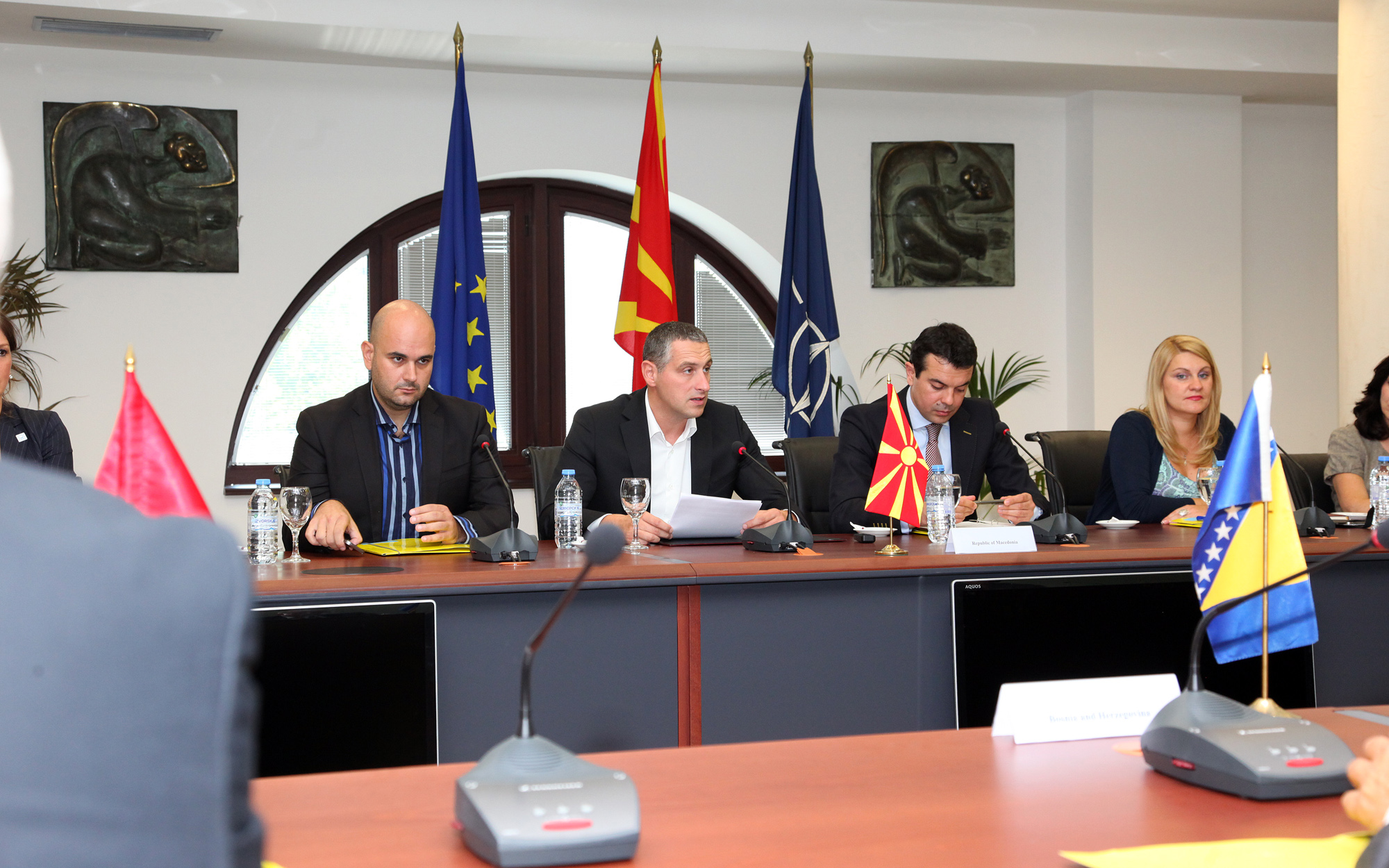
The Presidency of the SEEHN of the Republic of Macedonia
Meeting of Mr Nikola Todorov, Minister of Health with the Ambassadors of the SEEHN Member states
On September 10, 2014, Mr Nikola Todorov, Minister of Health of the Republic of Macedonia met with the ambassadors of the SEEHN Member states… (more…)
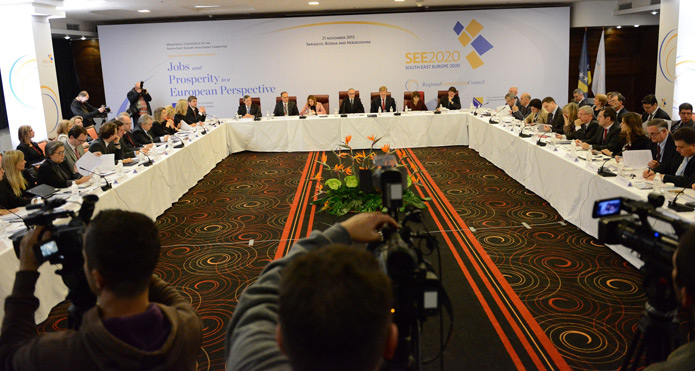
SEE 2020 Strategy “Jobs and Prosperity in a European Perspective” adopted
On November 21, 2013 in Sarajevo during the Ministerial Conference of the South East Europe Investment Committee, co-chaired by the government of Bosnia and Herzegovina and the RCC, the SEE 2020 Strategy was adopted by the ministers of economy of the Albania, Bosnia and Herzegovina, Bulgaria, Croatia, Kosovo, Montenegro, Romania, Serbia and Macedonia, in the presence of the representatives of the European Union and other regional and international partners and initiatives, international organizations, and donor community. Adoption of the SEE 2020 Strategy has made commitments for creation of one million new jobs in South East Europe (SEE) until 2020 as the most important aim of the strategy dubbed “Jobs and Prosperity in a European Perspective”.
Recent Posts
- SEEHN Marks 25 Years of Regional Health Cooperation and Looks Ahead to Its Next Chapter
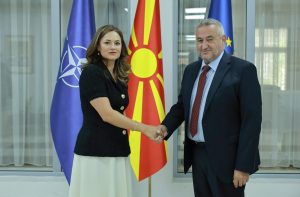
- SEEHN advances strategic dialogue with the Republic of Moldova on regional health cooperation
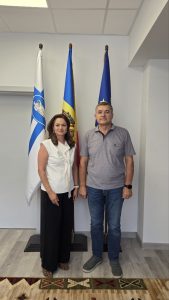
- SEEHN and the Ministry of Health of the Republic of Moldova reaffirm commitment to strengthening regional health cooperation