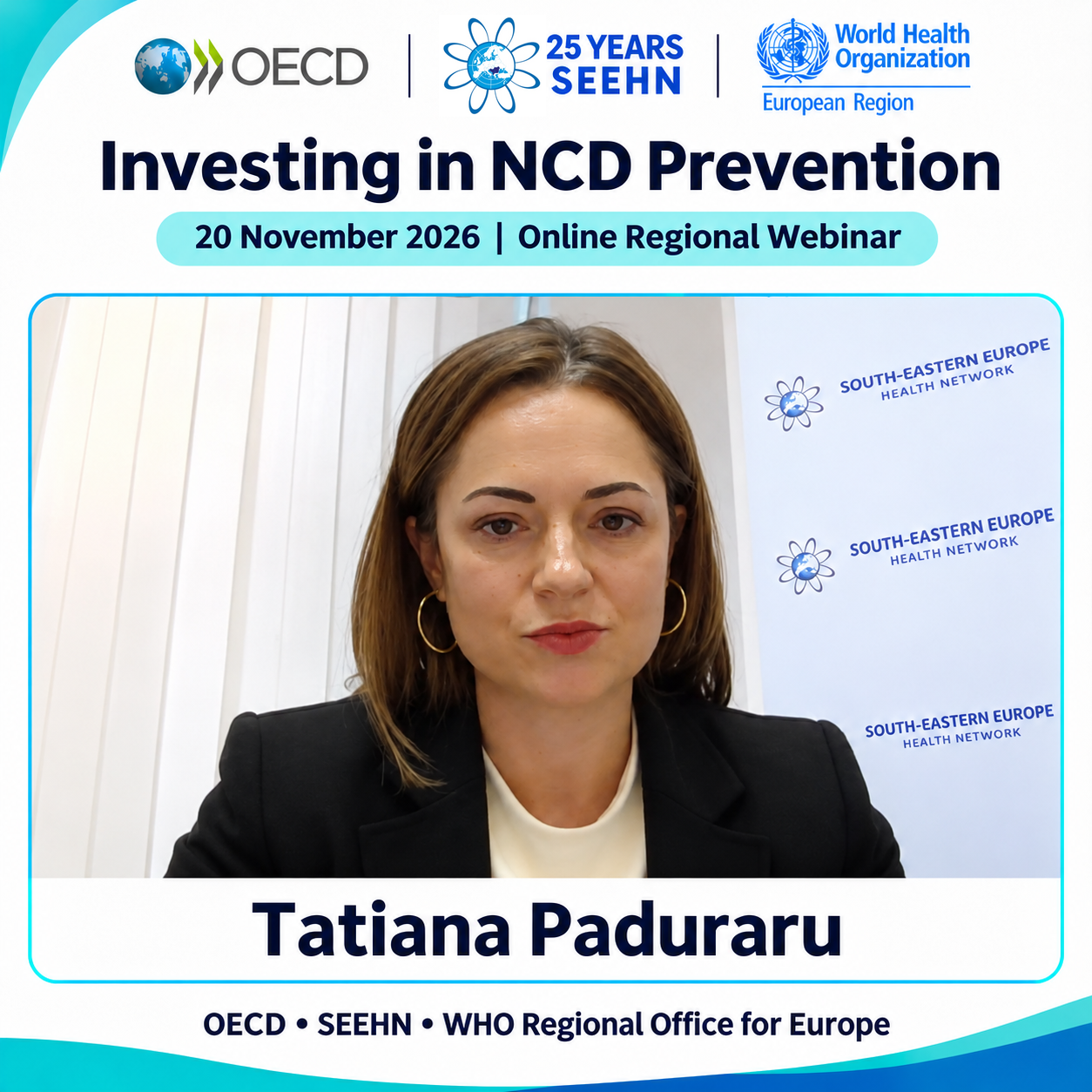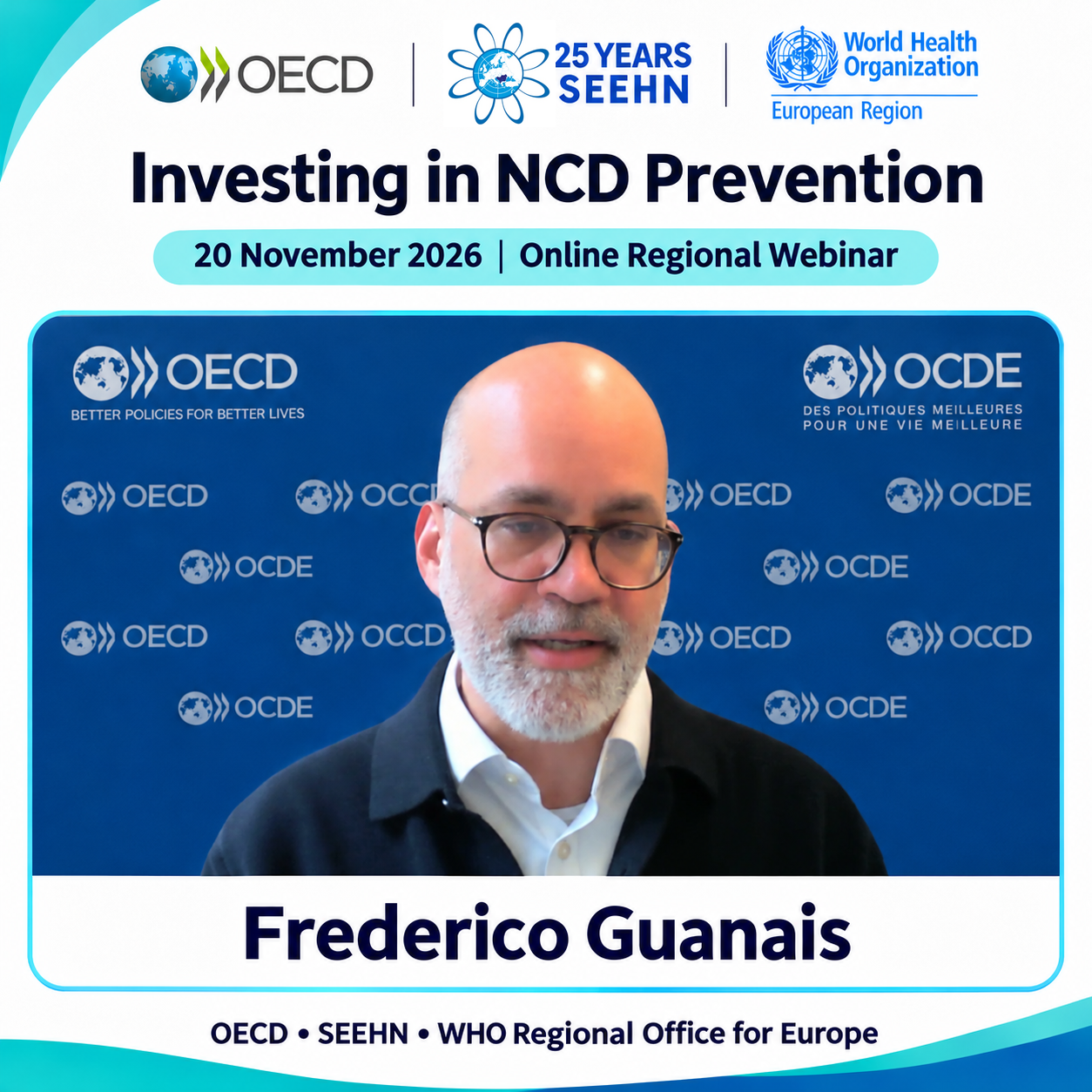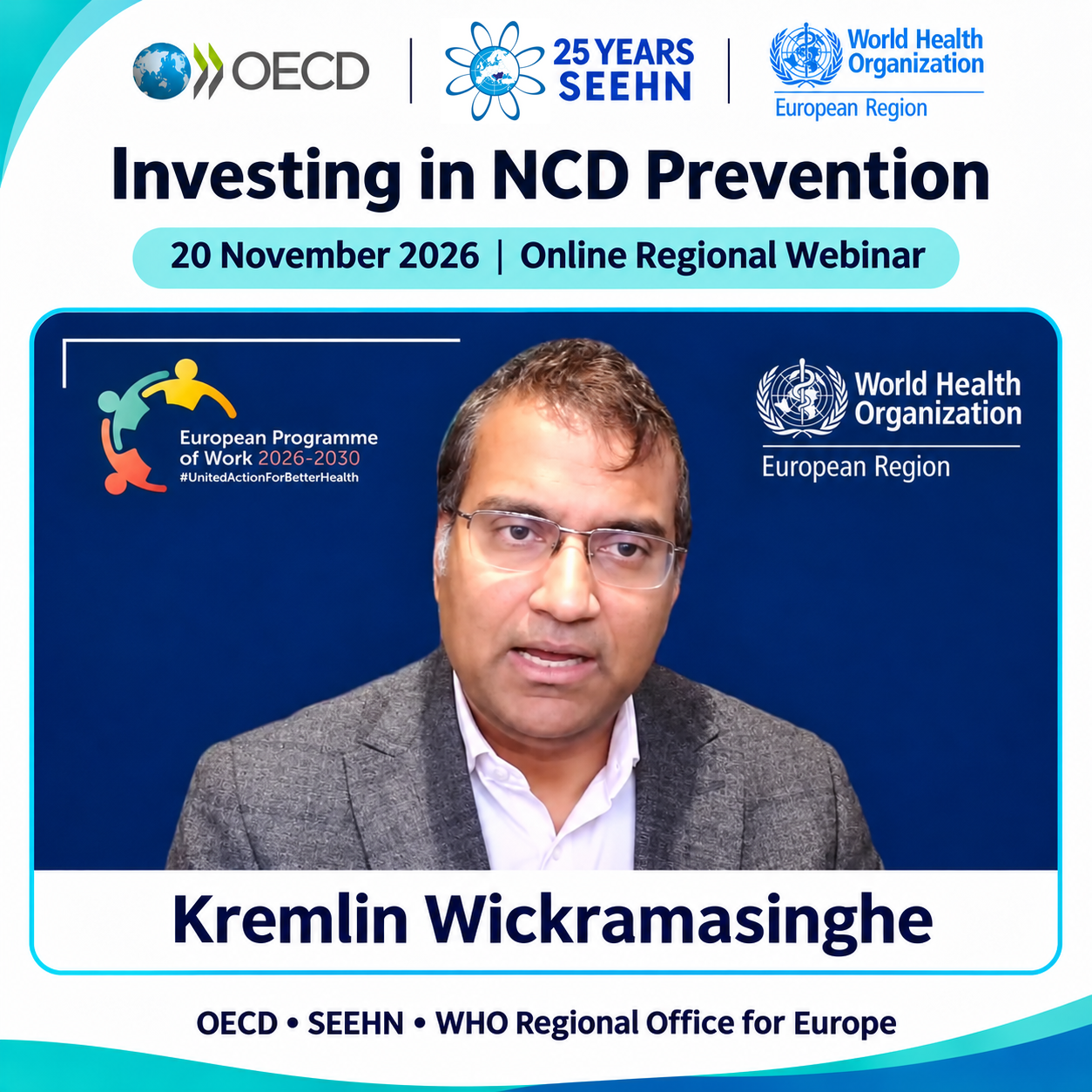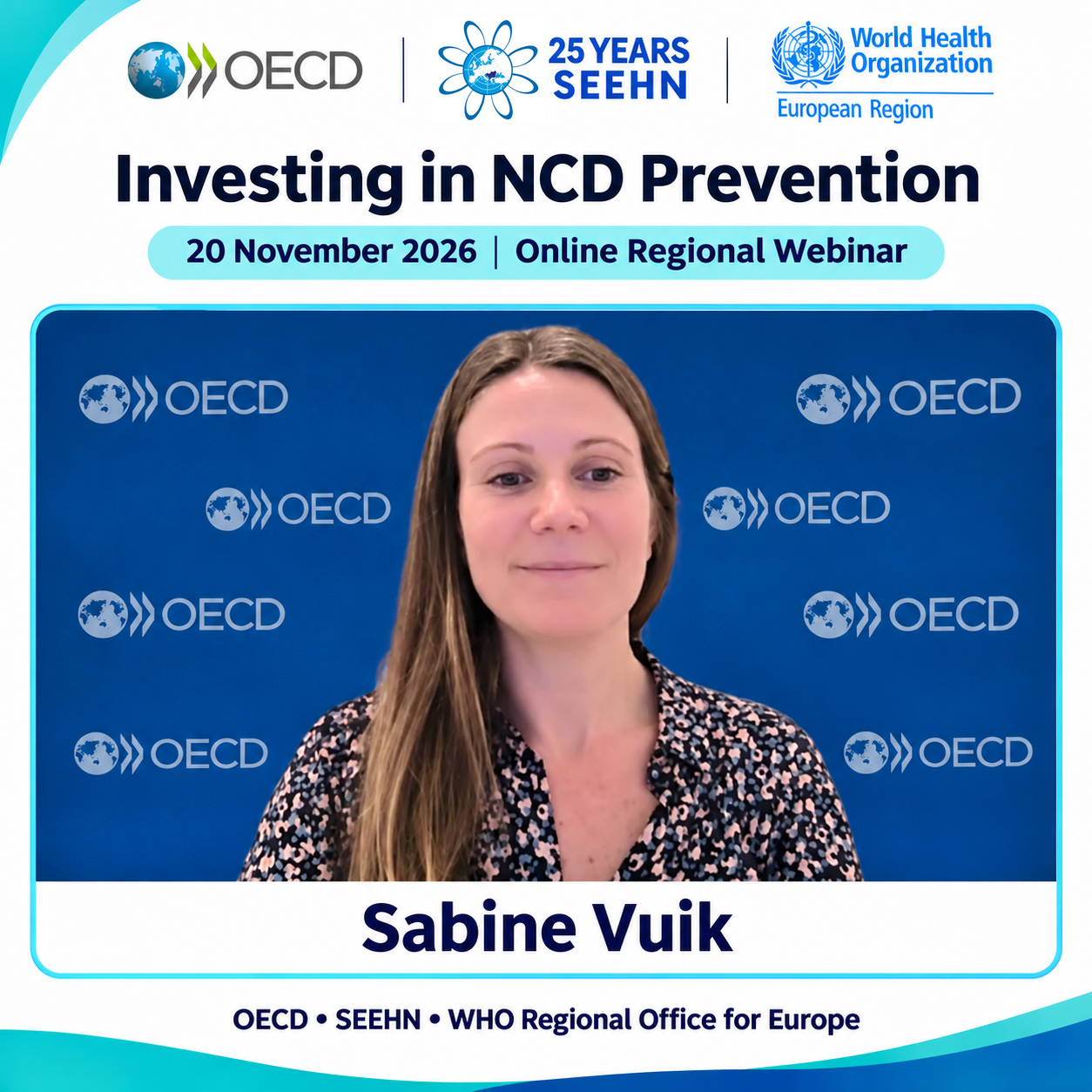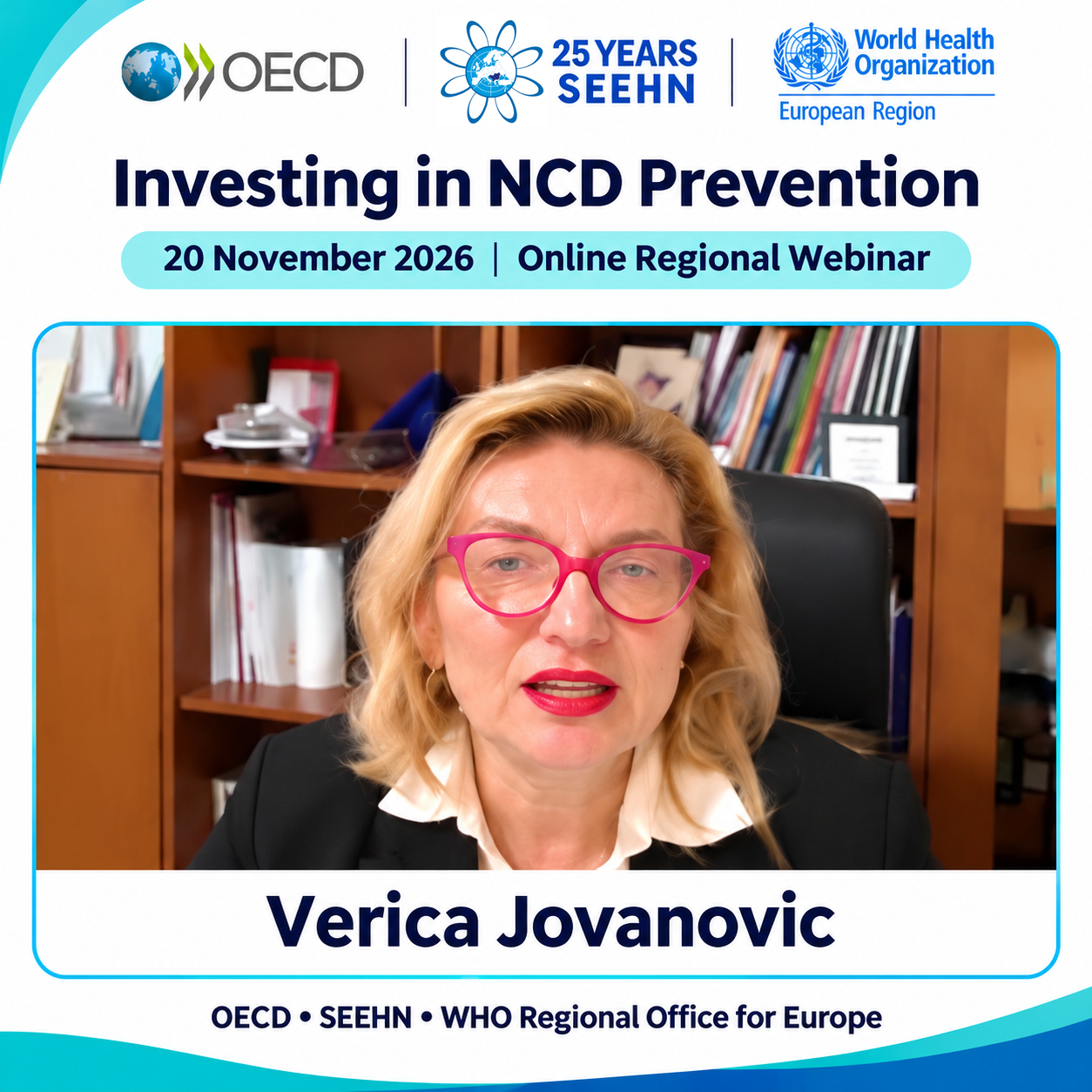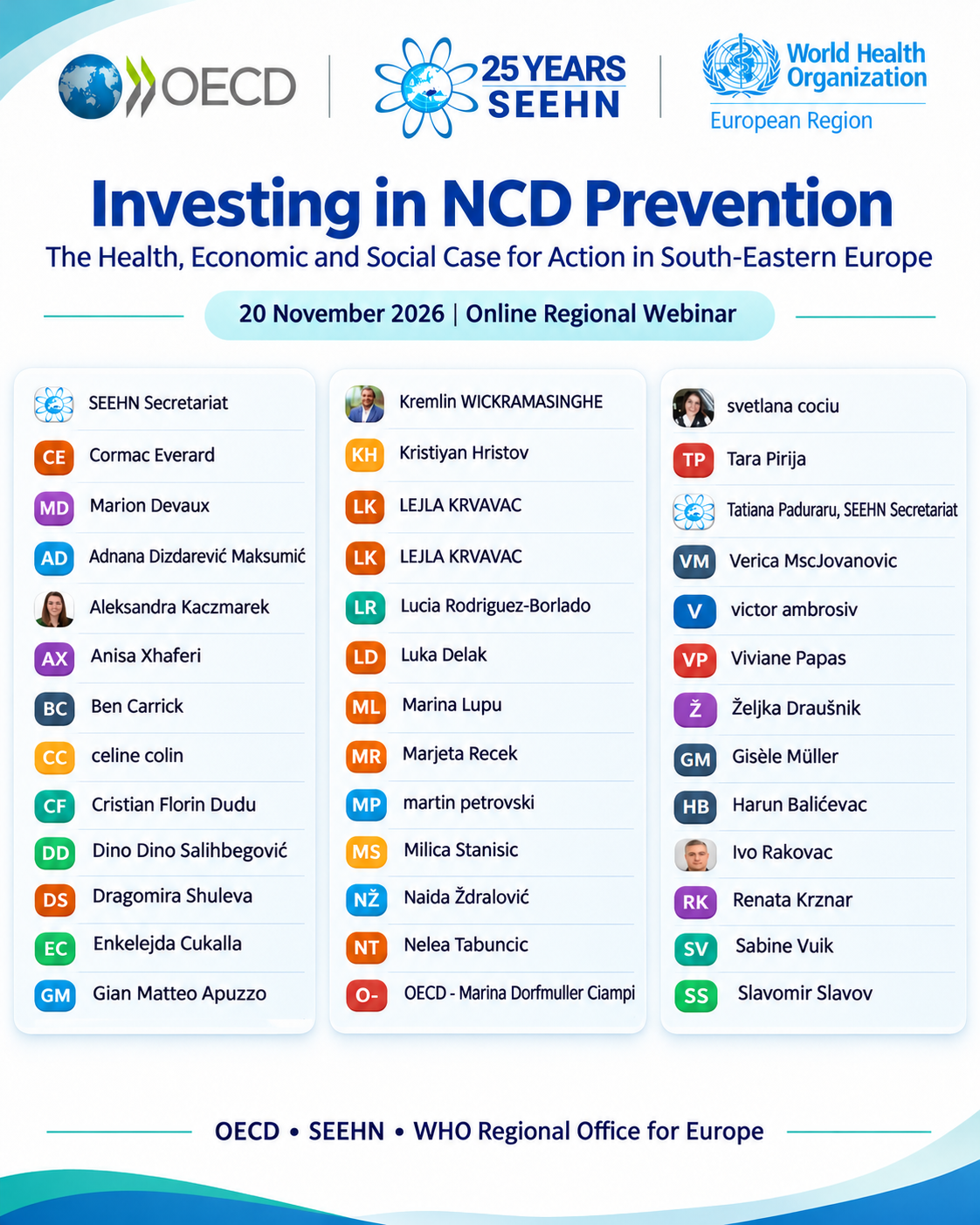
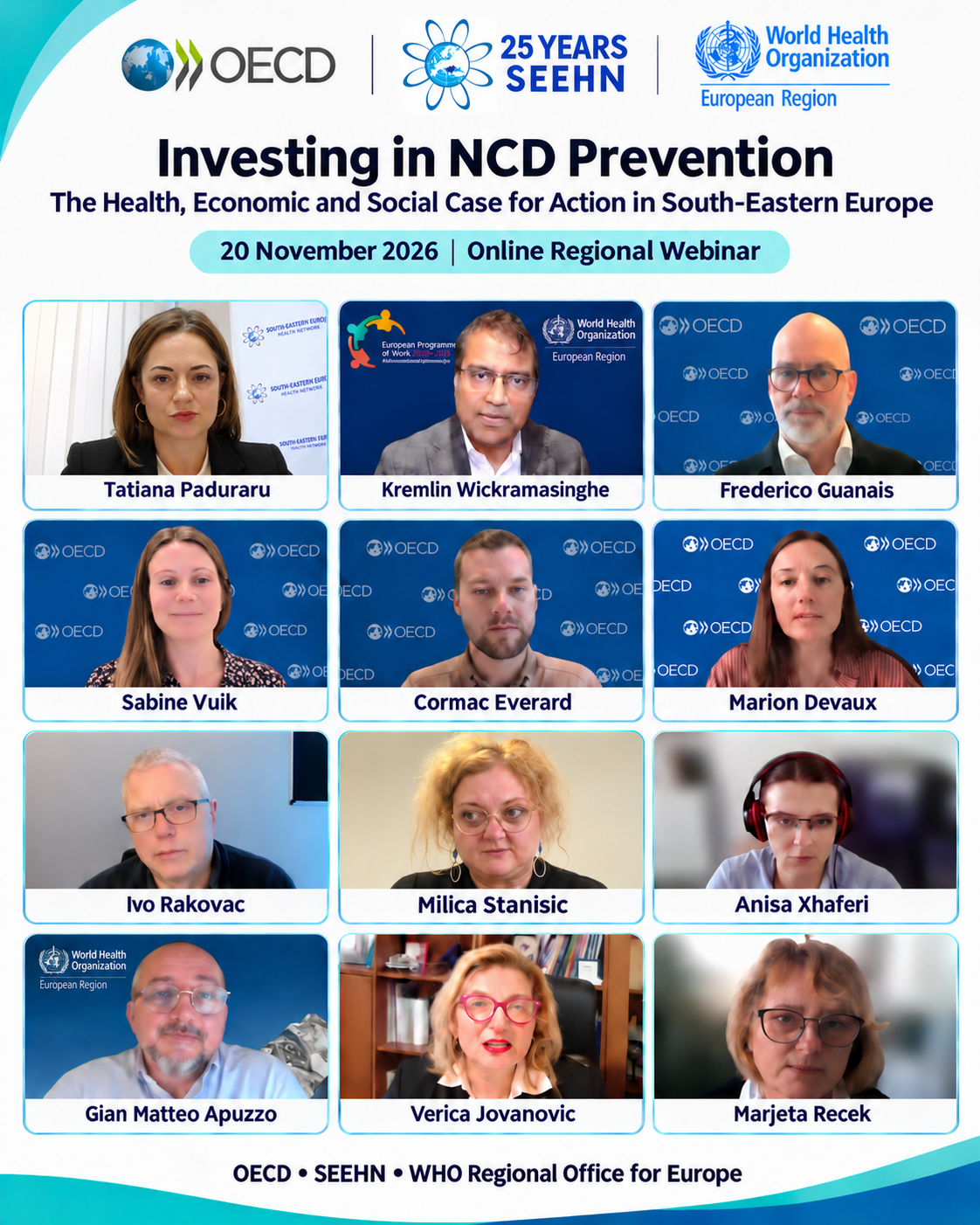
13 November 2026 – The South-Eastern Europe Health Network (SEEHN), in cooperation with the Organization for Economic Co-operation and Development (OECD), organized a regional webinar entitled “Investing in NCD Prevention: The Health, Economic and Social Case for Action in South-Eastern Europe”, bringing together representatives of SEEHN Member States, international organizations, health policymakers and public health experts.
The webinar provided an opportunity to examine the health, economic and social benefits of investing in the prevention of non-communicable diseases (NCDs) and to exchange perspectives on how countries across South-Eastern Europe can strengthen their prevention policies.
Non-communicable diseases remain a major public health challenge across the region, placing growing pressure on health systems and economies. Investing in prevention is essential to improving health outcomes, reducing healthcare costs and building more sustainable and resilient health systems. Aligning major risk factors with top-performing countries could save lives (decrease with 14% premature mortality), reduce health spending (by 7%) and strengthen the economy (increase GDP with 2%)[1]. Focusing on obesity, air pollution and smoking could deliver most of the gains.
The discussions drew on the findings of the OECD report The Health and Economic Benefits of Tackling Non-Communicable Diseases, which examines the potential benefits of addressing major NCD risk factors and provides evidence to support greater investment in prevention.
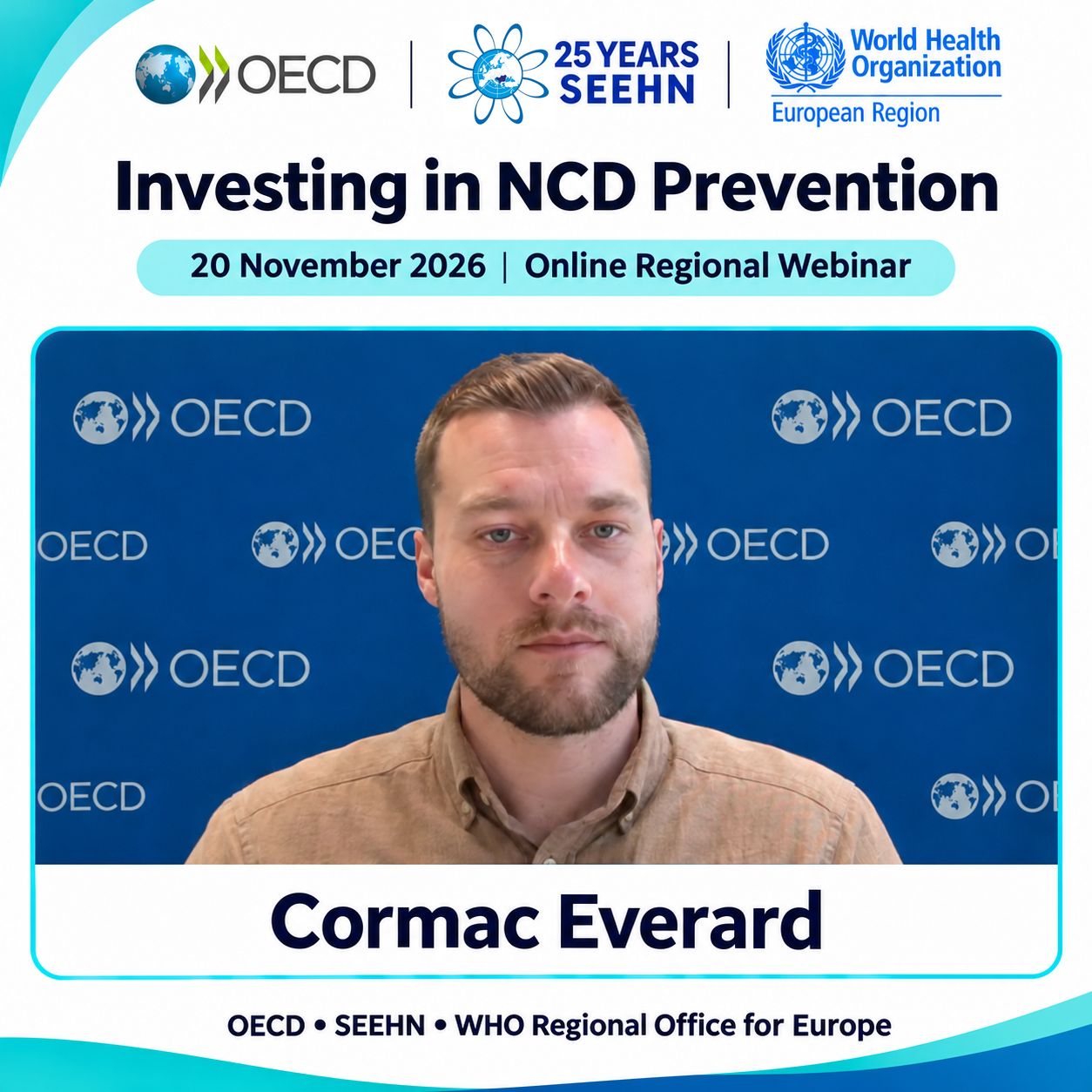
Cormac Everard, Health Research Officer at the OECD, presented the report’s findings and highlighted their relevance to South-Eastern Europe. The analysis covers several countries in the region, including SEEHN Member States Bulgaria, Israel and Romania, as well as partner countries Croatia and Slovenia.
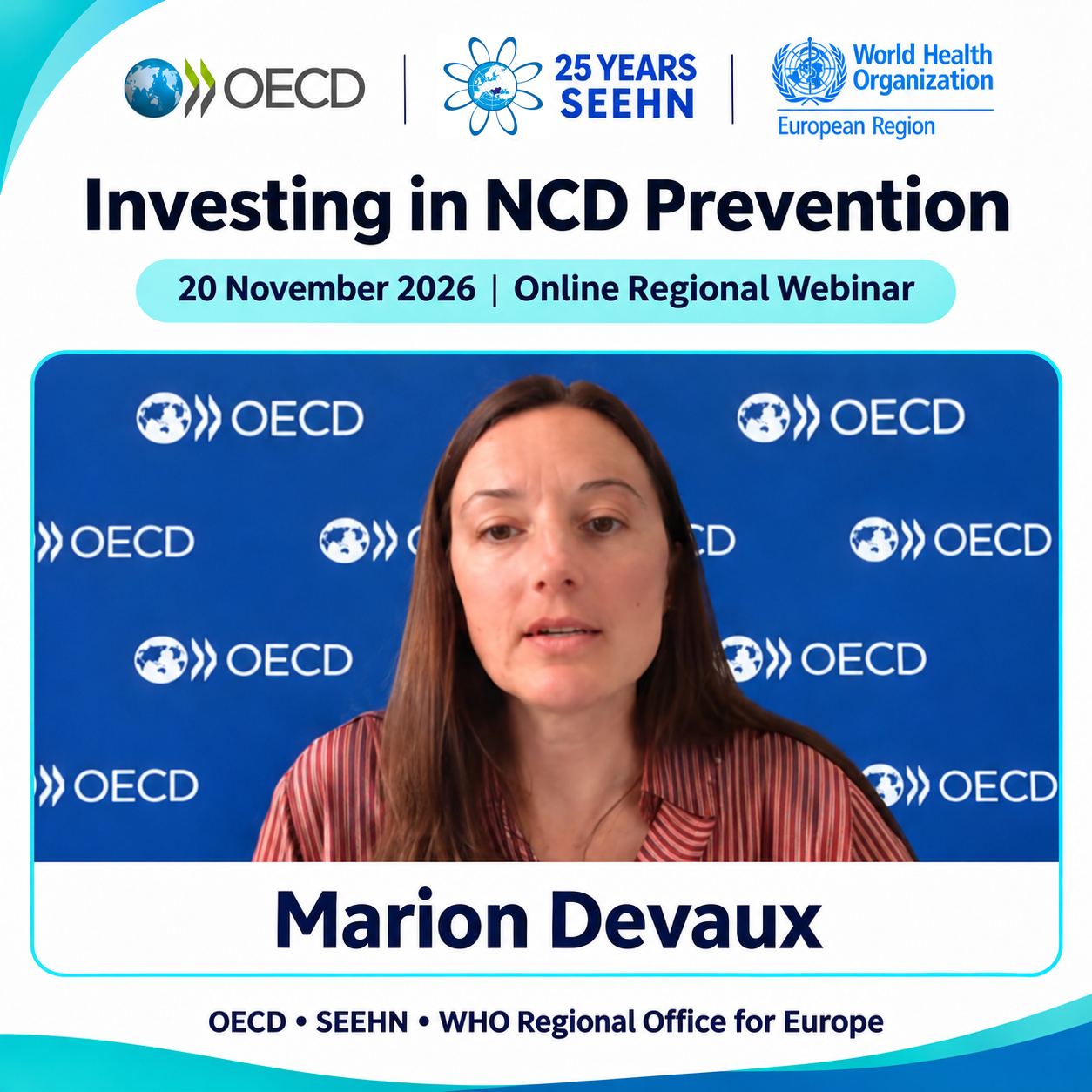
Marion Devaux, Health Policy Analyst at the OECD, presented the OECD project on tobacco taxation in South-Eastern European Countries. The OECD simulation results for Albania was presented as an example of the impact tobacco consumption has as financial pressure on household, GDP decrease, out-of-pocket health expediture increse and the estimated procentage burden from the health expenditure dedicated to mitigate the effects of tobacco consumption.
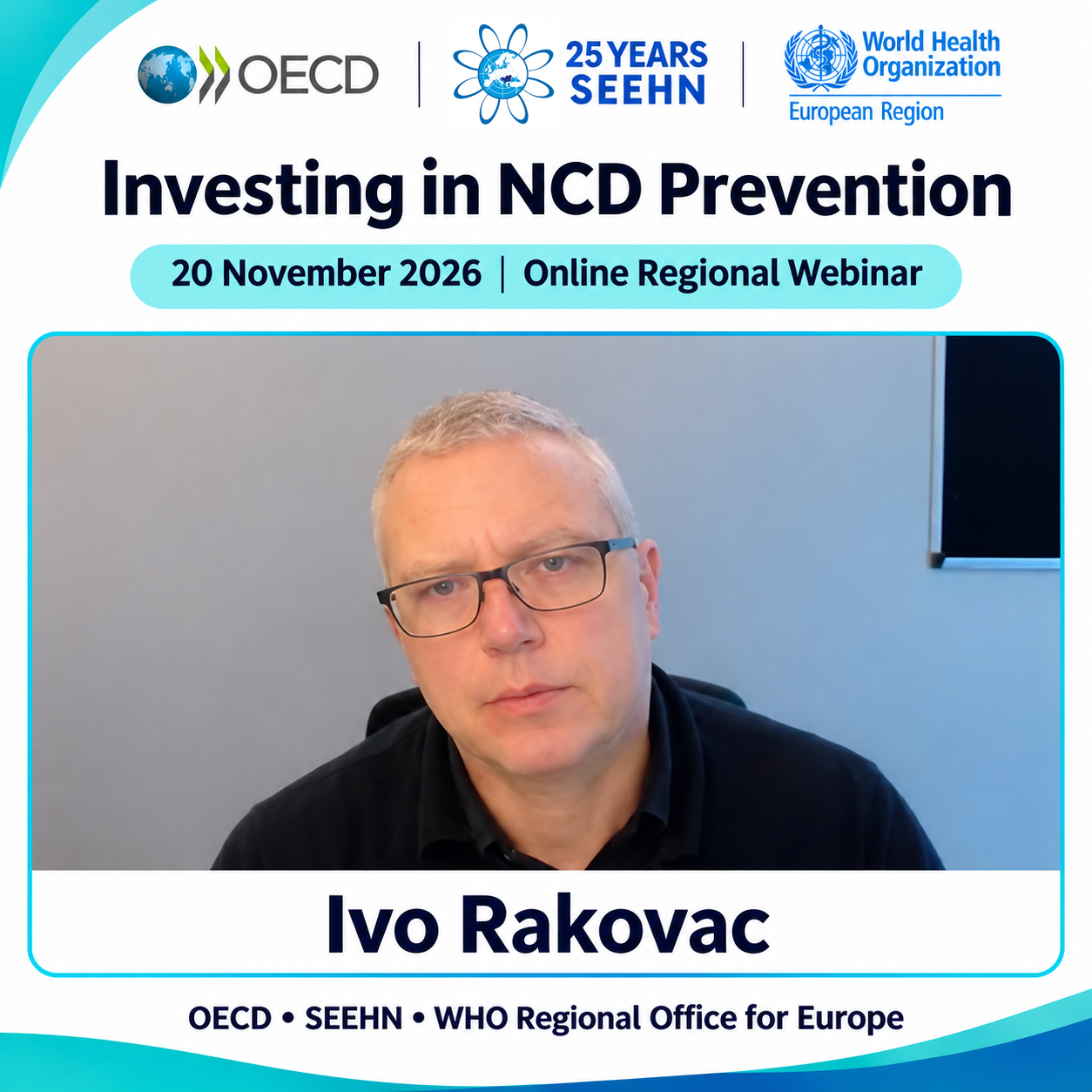
The OECD perspective was complemented by Dr. Ivo Rakovac, Unit Head and Regional Adviser for NCD Surveillance, World Health Organization (WHO), who provided a broader regional perspective on NCD prevention, including countries not covered by the OECD analysis. Also data on risk factors and other Global Monitoring Framework indicators were presented, highlighting that, despite progress compared with previous assessments, most countries in the region remain off track to achieve the targets, with Israel being the exception.
Discussions highlighted the value of developing individual country profiles to support evidence-informed policy dialogue and advocacy, alongside identifying key priority actions and opportunities for future cooperation and follow-up, with participants noting that the report’s findings and recommendations were relevant also to countries not covered by the assessment.
The webinar gave SEEHN Member States an opportunity to share national experiences, priorities, and challenges in NCD prevention, while exploring how international evidence can support practical policy responses tailored to national contexts.
The discussions on the wider benefits of prevention, including reducing avoidable healthcare costs, improving quality of life, and supporting economic and social development, also addressed the importance of coordinated action across sectors, as many of the factors influencing NCDs extend beyond the healthcare system.
The event provided an opportunity to explore areas of common interest and possibilities for continued knowledge exchange and cooperation between OECD, SEEHN, WHO and countries in the region.
Strengthening NCD prevention remains an important shared priority for SEEHN Member States. By facilitating dialogue between international partners and national experts, SEEHN continues to support the exchange of evidence, experience and practical approaches that can inform public health policies across South-Eastern Europe.
The joint webinar represents a further step in OECD–SEEHN cooperation and reflects a shared commitment to promoting prevention as an essential investment in healthier populations, stronger health systems and sustainable development.
[1] Average estimated impact across the five countries (BLG, ISR, ROU, CRO, SLO)