Skopje, Republic of North Macedonia, 18 June 2026
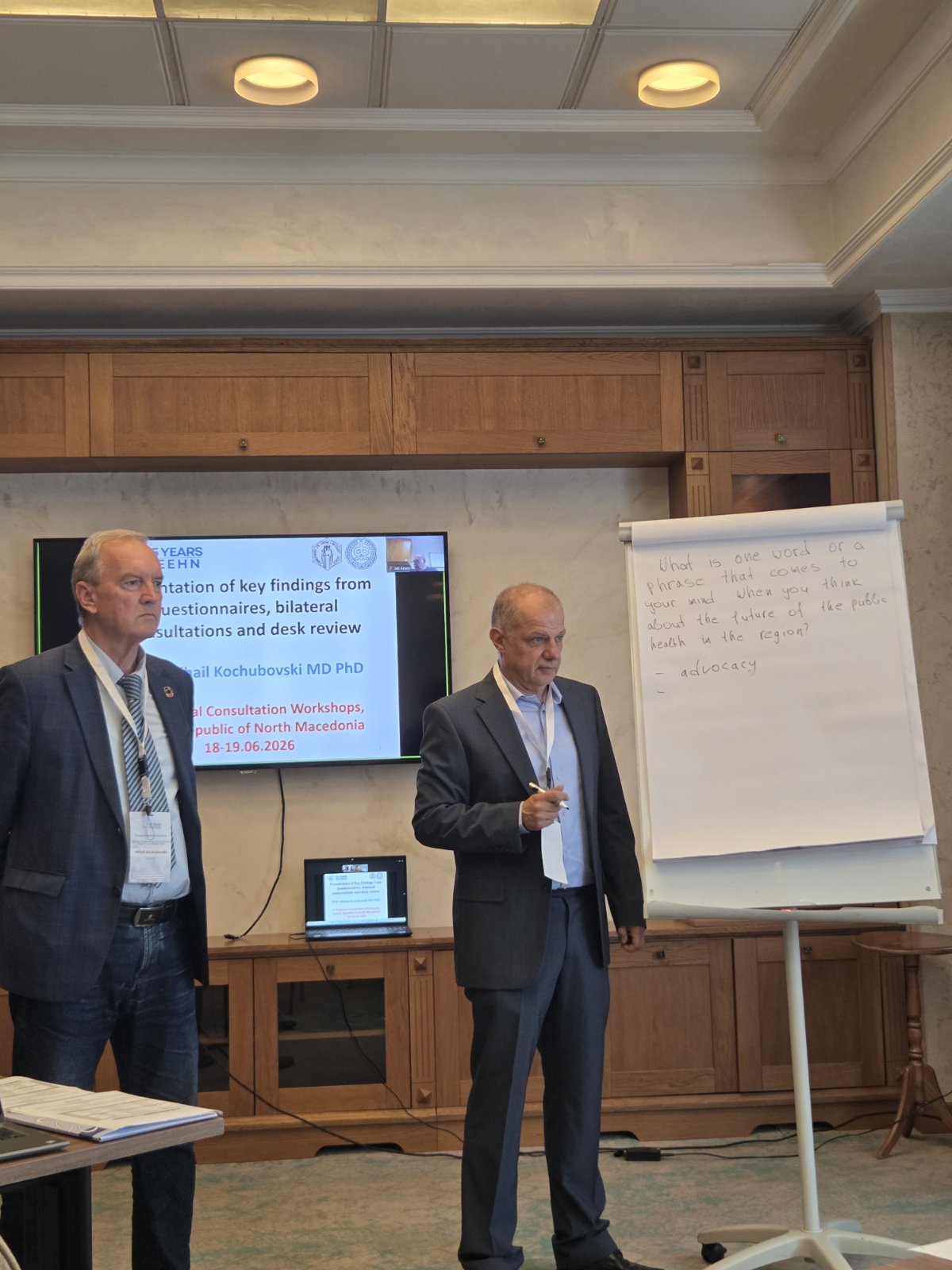
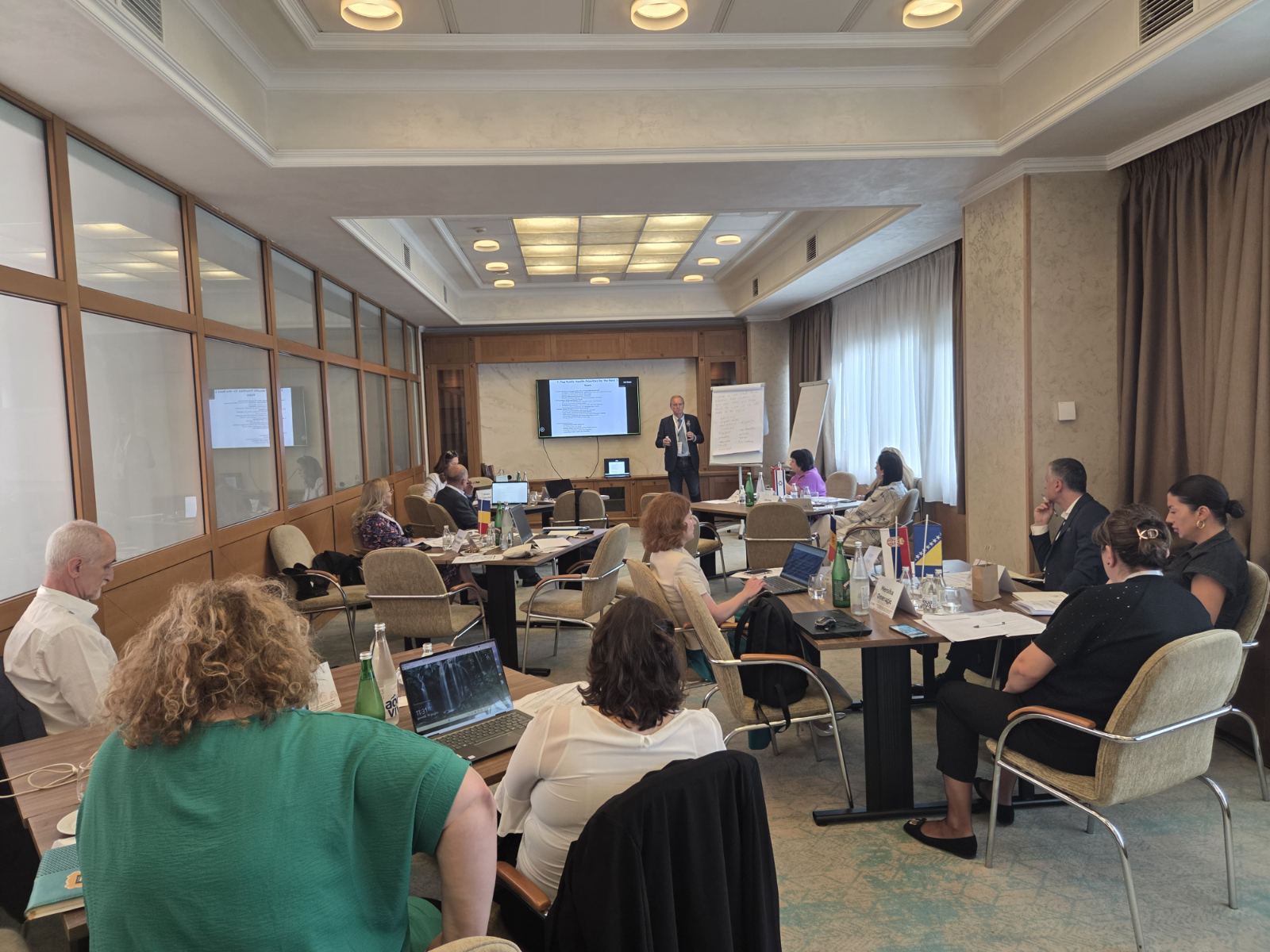
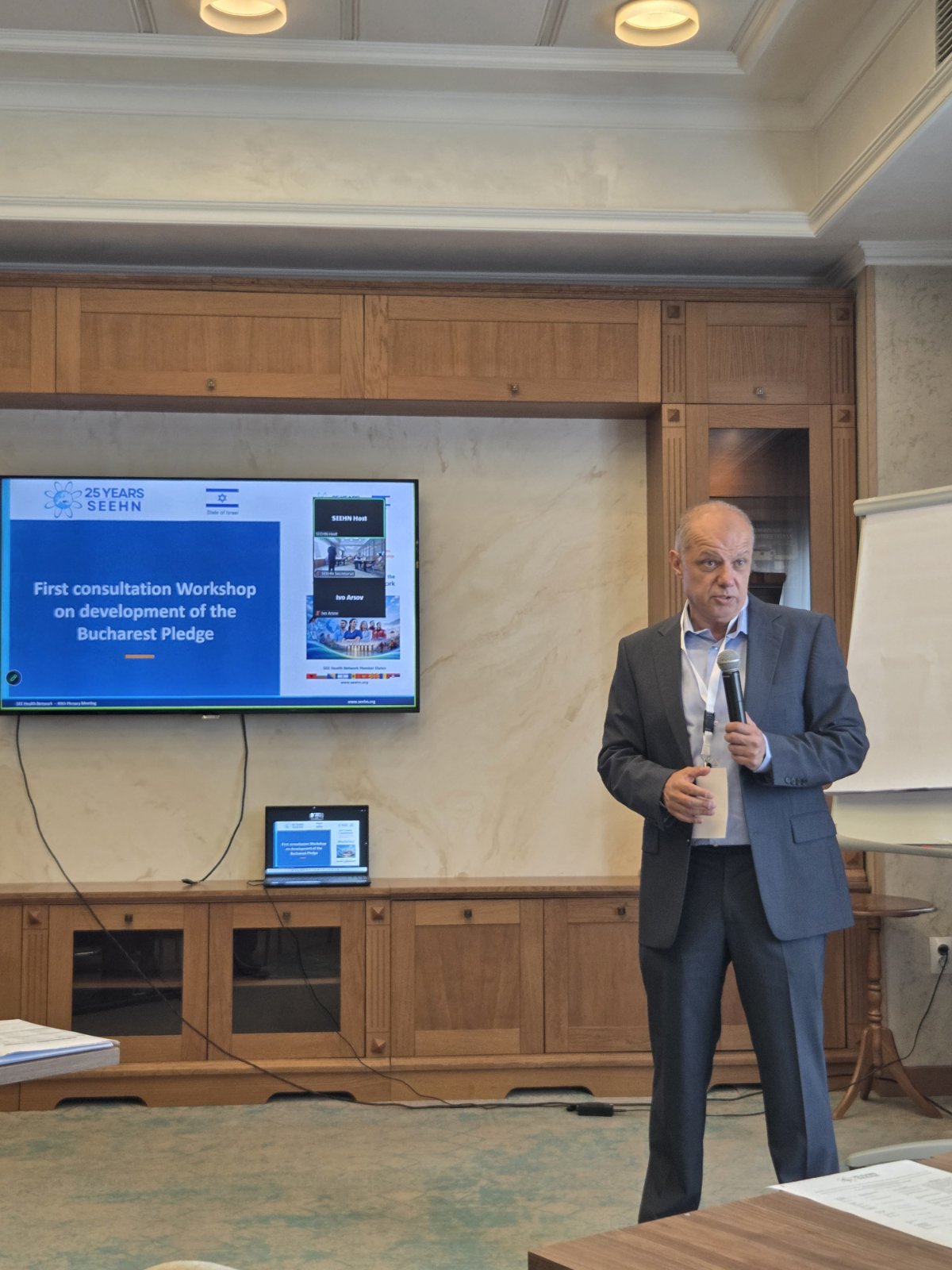
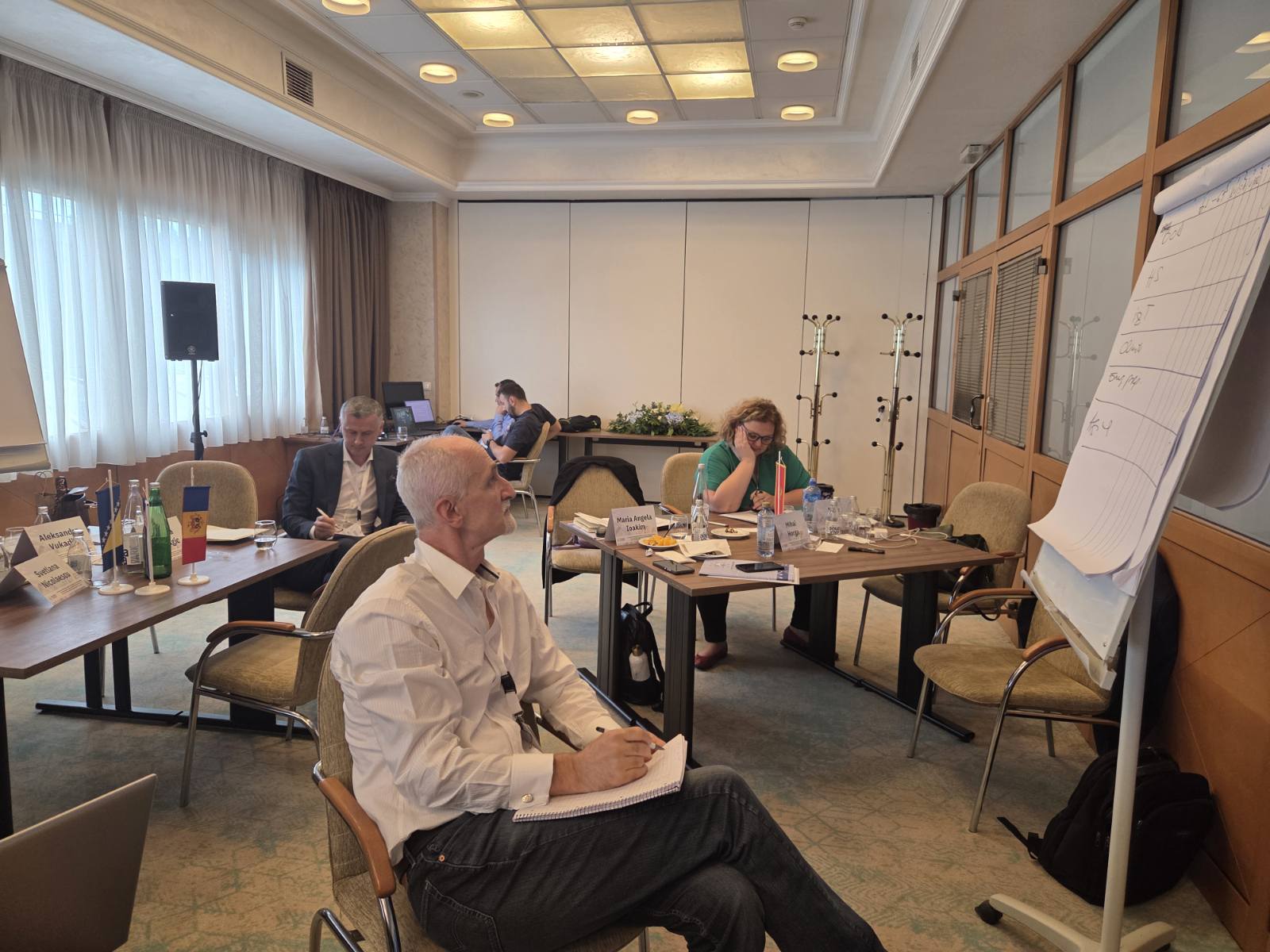
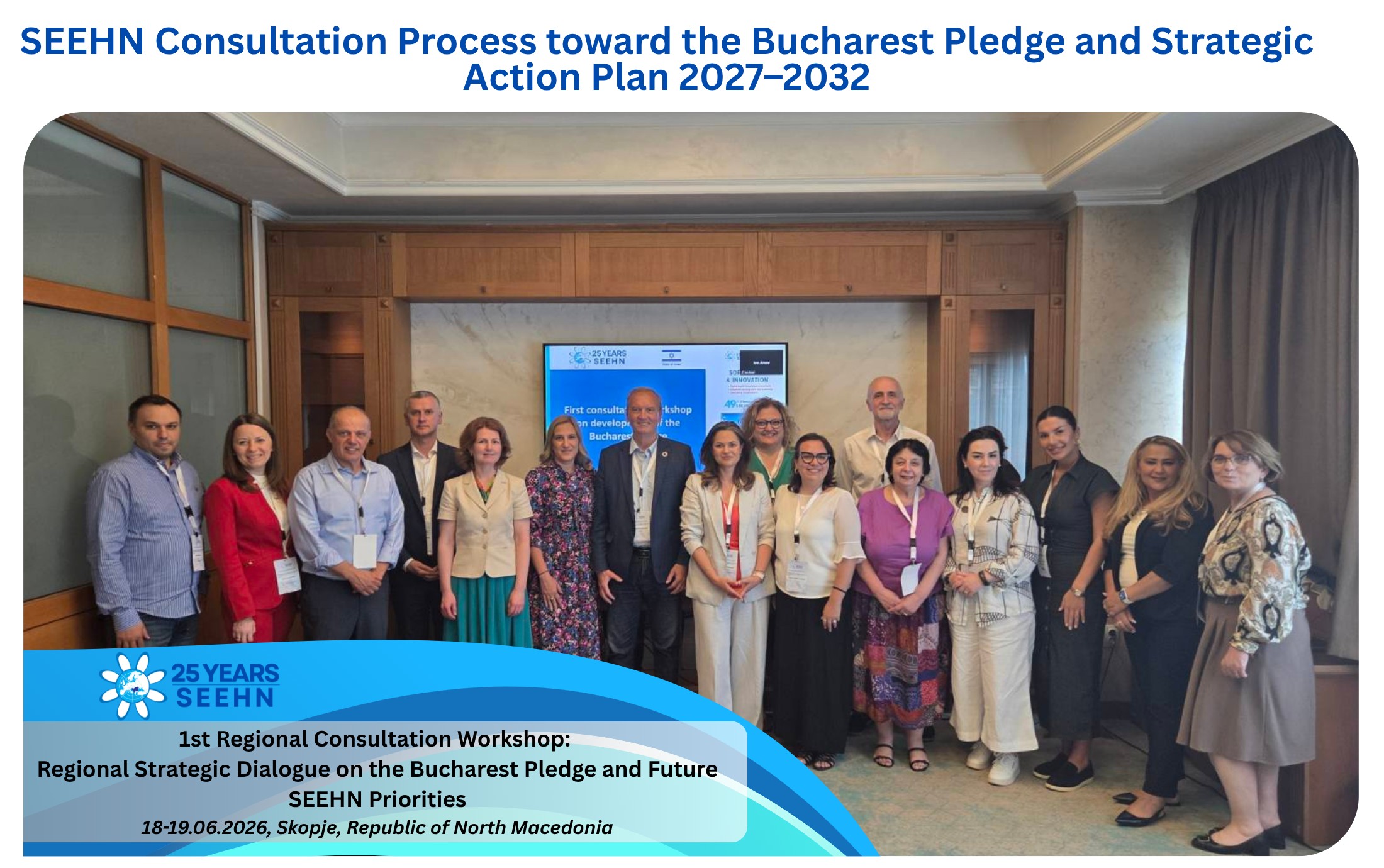
Representatives of the Member States of the South-Eastern Europe Health Network (SEEHN) concluded today in Skopje the First Regional Consultation Workshop on developing the Bucharest Pledge and the SEEHN Strategic Action Plan 2027–2032.
Convened after the 49th SEEHN Plenary Meeting, the workshop was part of the Network’s strategic consultation process to define priorities and directions for regional health cooperation for 2027–2032.
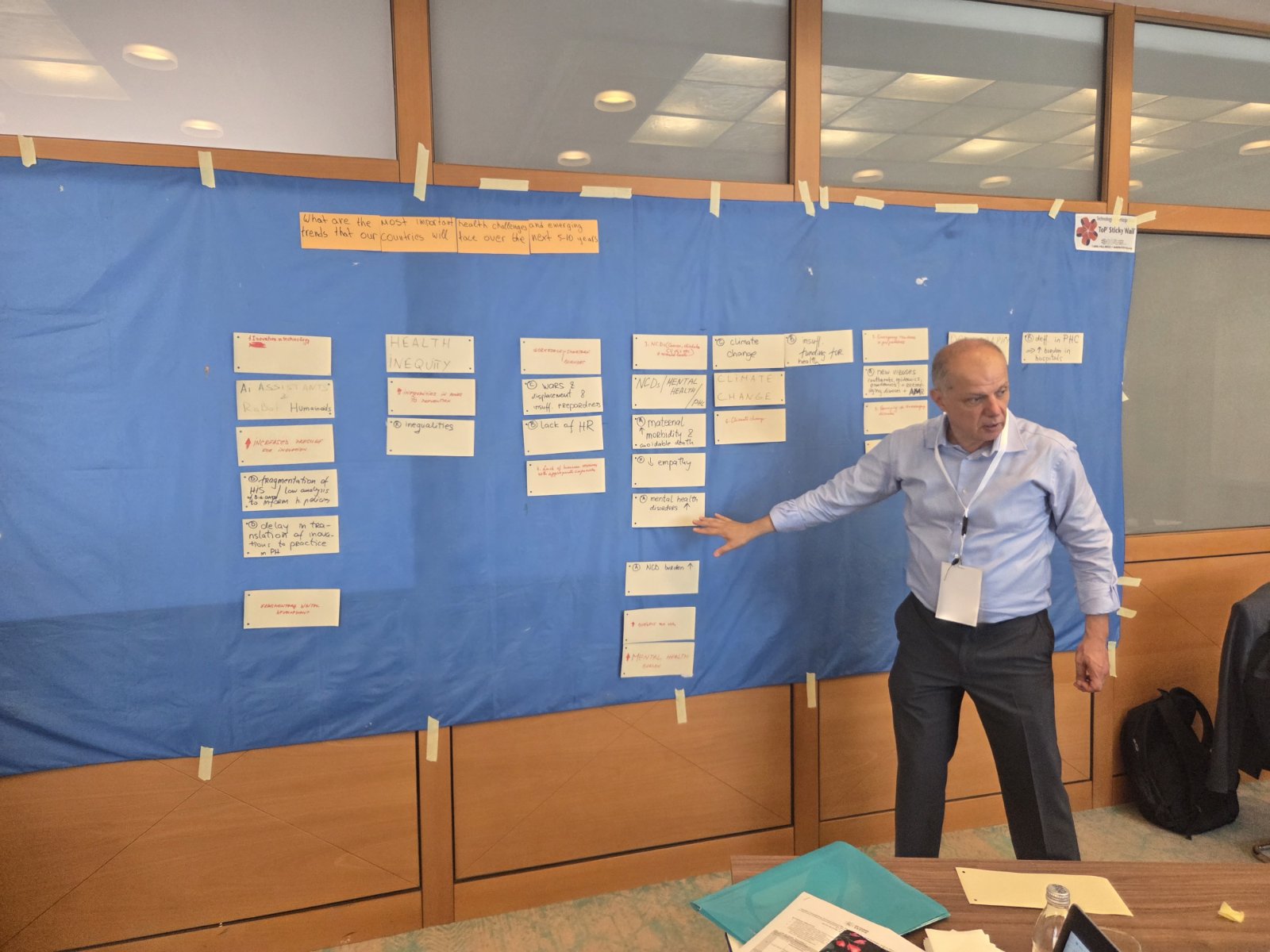
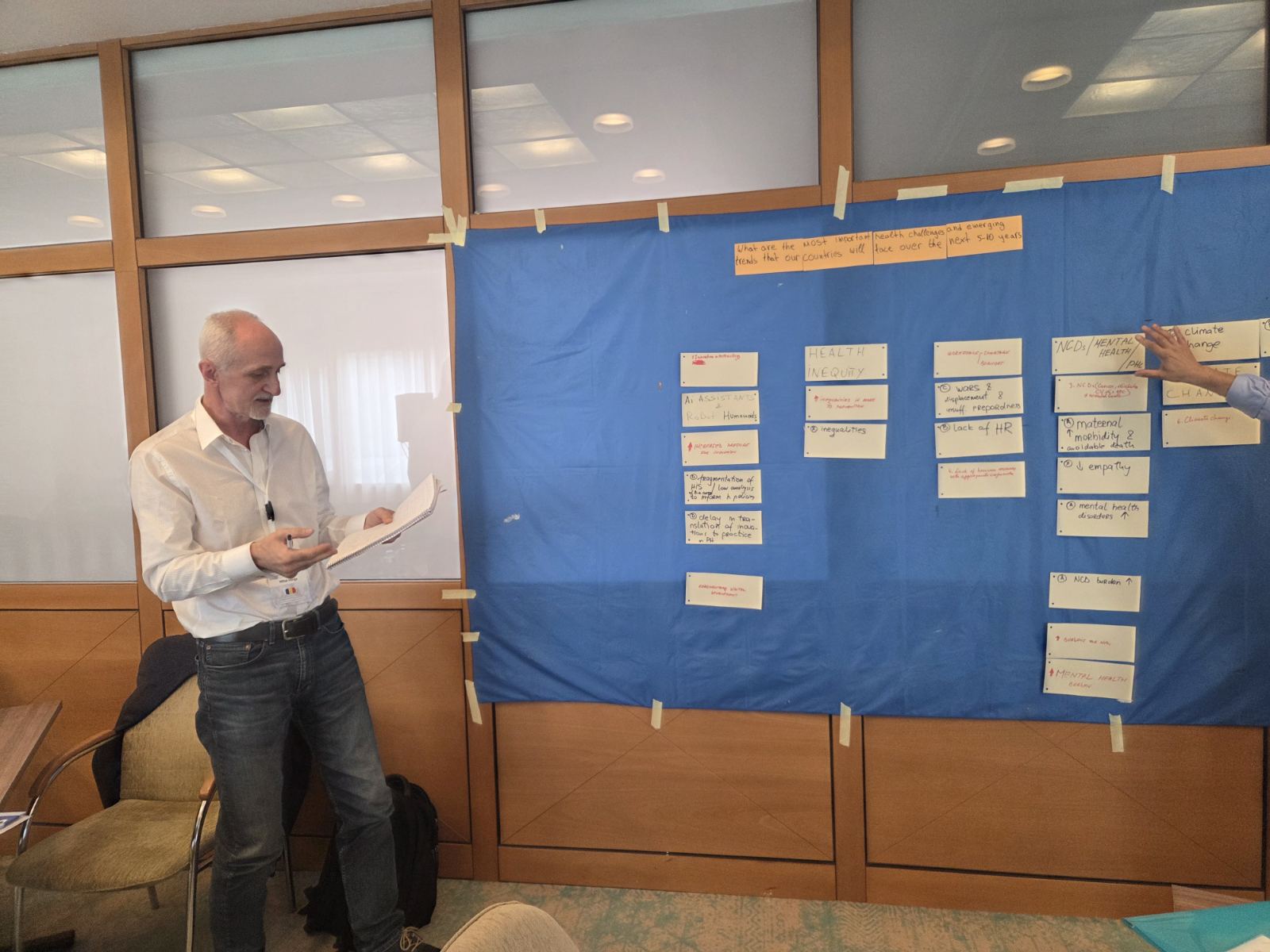
Participants engaged in a strategic dialogue to refine the proposed pillars of the Bucharest Pledge, identify priority areas for joint action, and discuss practical mechanisms to strengthen cooperation among Member States.
The consultations highlighted a strong consensus that the future SEEHN agenda must continue to address both longstanding and emerging health challenges and position health as a strategic investment in societal resilience, economic development, and regional stability.
The workshop also explored how SEEHN can further strengthen its role as a platform for knowledge exchange, policy dialogue, and joint action, building on twenty-five years of regional partnership and trust.
The recommendations from the consultation process will directly inform the drafting of the SEEHN Bucharest Pledge and the Strategic Action Plan 2027–2032, which are expected to guide regional cooperation during the next programming cycle.
The consultation process will continue over the coming months through additional technical work and stakeholder engagement, with the aim of presenting the final draft documents for consideration and endorsement by SEEHN Member States.
As SEEHN marks its twenty-fifth anniversary, the consultation process reflects the continued commitment of Member States to strengthening regional cooperation, promoting shared priorities and advancing collective action in support of health and well-being across South-Eastern Europe.
Speaking at the conclusion of the workshop, participants reaffirmed their commitment to a shared vision of stronger, more resilient, and people-centered health systems across South-Eastern Europe, underscoring that regional solidarity remains one of the most effective tools for addressing common challenges and advancing better health outcomes for all citizens.