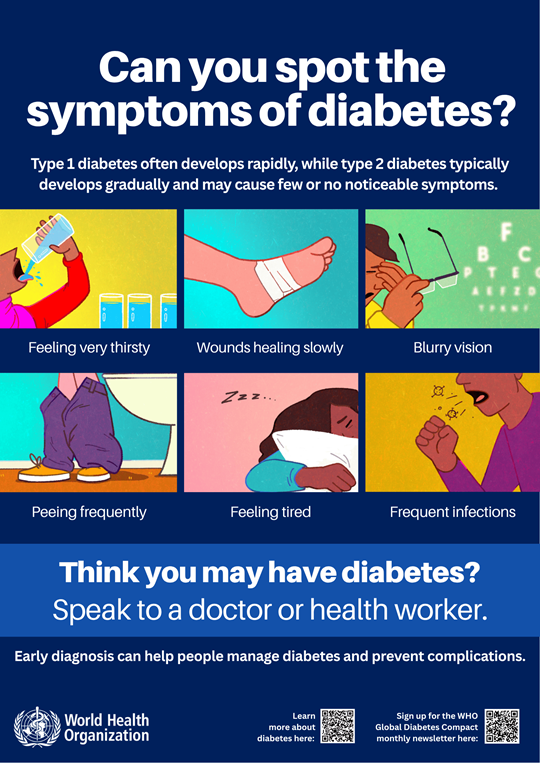
14 November 2026 – On World Diabetes Day, the South-Eastern Europe Health Network (SEEHN) joins the international community in raising awareness of diabetes and the importance of early diagnosis, effective prevention and timely access to quality healthcare.
This year’s theme, “Early Action on Diabetes”, highlights the need to identify risks earlier, improve access to screening and diagnosis, and ensure that people living with diabetes receive the care and support they need to prevent complications and maintain their quality of life.
Diabetes remains a major public health challenge worldwide. According to the International Diabetes Federation (IDF) Diabetes Atlas, an estimated 589 million adults aged 20–79 were living with diabetes globally in 2024, with more than four in ten unaware of their condition. In the IDF Europe Region, approximately 65.6 million adults are affected, while around one in three cases remains undiagnosed.
The burden is particularly relevant for South-Eastern Europe, where several countries face high diabetes prevalence, ageing populations and growing pressure on healthcare systems. IDF estimates indicate age-adjusted diabetes prevalence rates exceeding 10% in Montenegro, Albania, Serbia and Bosnia and Herzegovina. These figures underline the importance of strengthening prevention, improving early detection and ensuring equitable access to essential diabetes services.
Beyond its impact on individual health, diabetes carries significant social and economic consequences, including avoidable complications, increased healthcare expenditure and reduced quality of life. Addressing these challenges requires sustained investment in primary healthcare, health promotion, risk reduction and accessible, continuous care.
The importance of investing in prevention will also be at the centre of the joint OECD–SEEHN regional webinar, “Investing in NCD Prevention: The Health, Economic and Social Case for Action in South-Eastern Europe”, which has been postponed to 20 November 2026, from 12:30 to 14:00 CET, with contributions from the World Health Organization (WHO).
The webinar will bring together international evidence and national perspectives on the benefits of preventing non-communicable diseases, including diabetes. Drawing on OECD research and WHO expertise, the discussions will provide an opportunity to exchange experiences, consider national priorities and explore how prevention policies can contribute to healthier populations and more sustainable health systems.
Building on this regional dialogue, World Diabetes Day reinforces the need to translate evidence into practical action. Strengthening awareness, supporting healthier lifestyles, expanding opportunities for early diagnosis and ensuring continuity of care are essential steps towards reducing the burden of diabetes across the region.
SEEHN remains committed to supporting its Member States through regional cooperation, knowledge exchange and partnerships with international organisations, including WHO and OECD, to advance effective and sustainable public health policies.
Early action on diabetes is an investment in healthier lives, stronger communities and more resilient health systems.