Istanbul, Türkiye – 17 September 2026
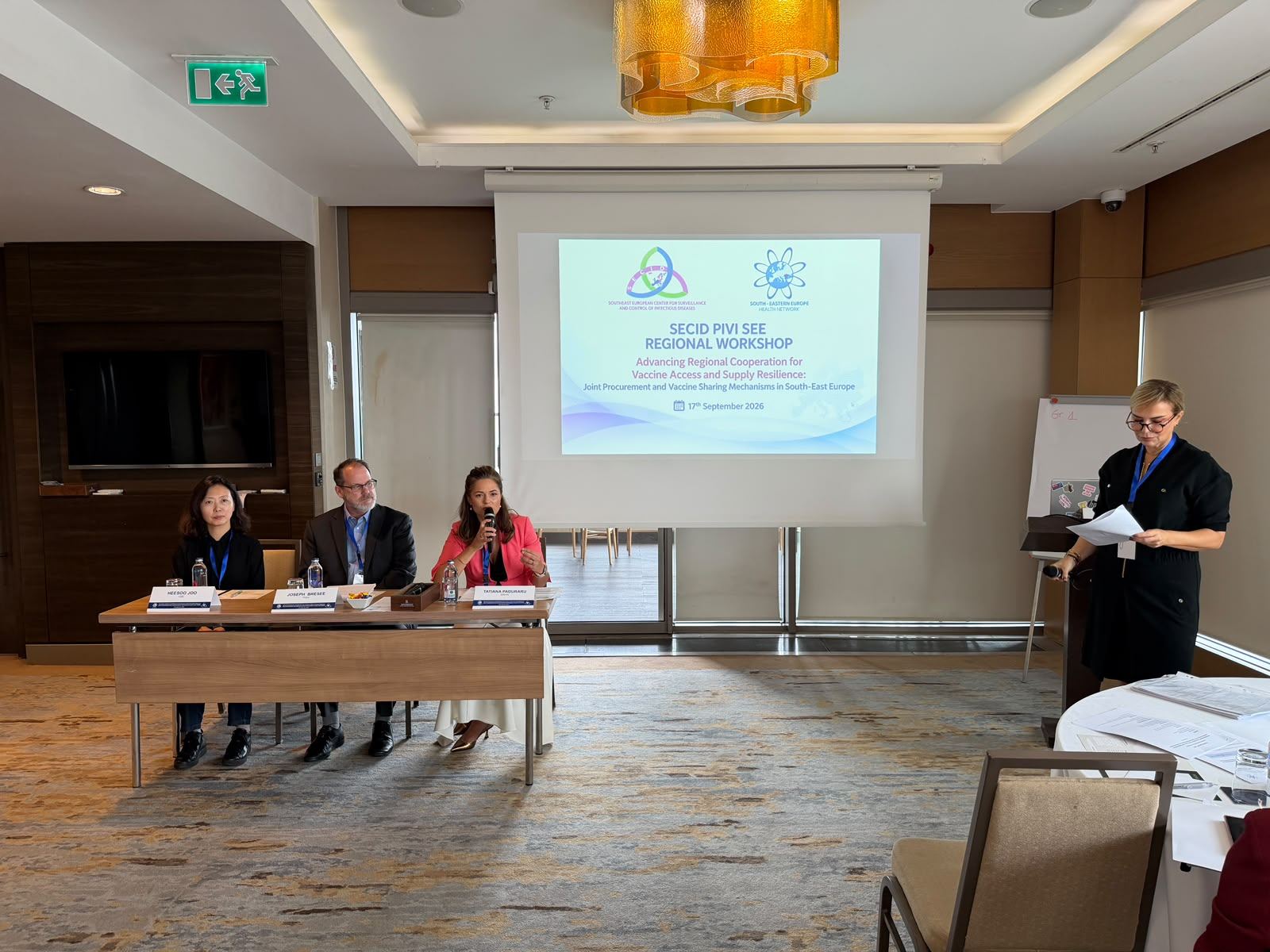
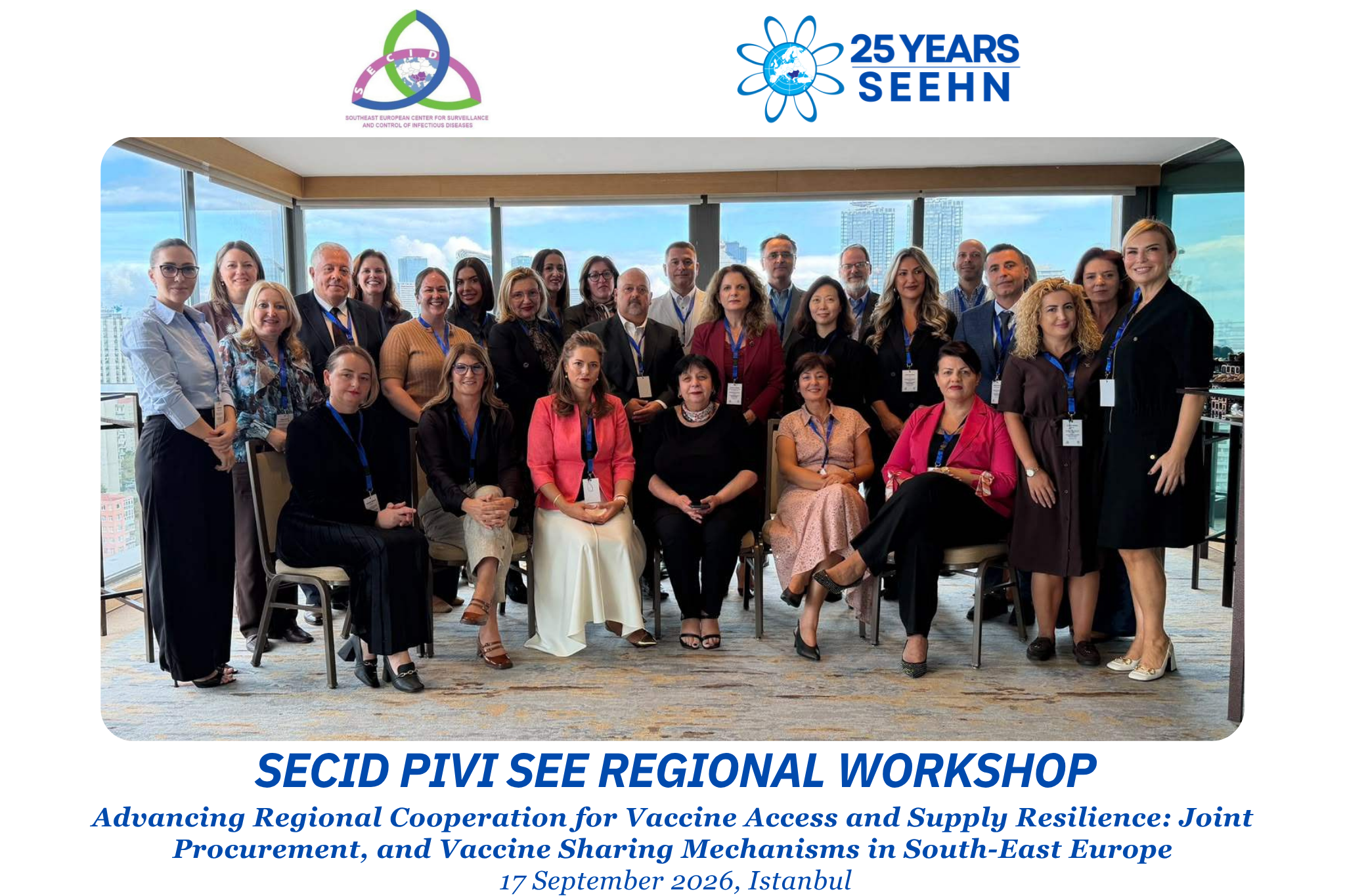
The Regional Health Development Center on Communicable Diseases – SECID, hosted by Albania brought together representatives of South-Eastern European countries and international partners in Istanbul on 17 September 2026, under the South-Eastern Europe Health Network (SEEHN) umbrella.
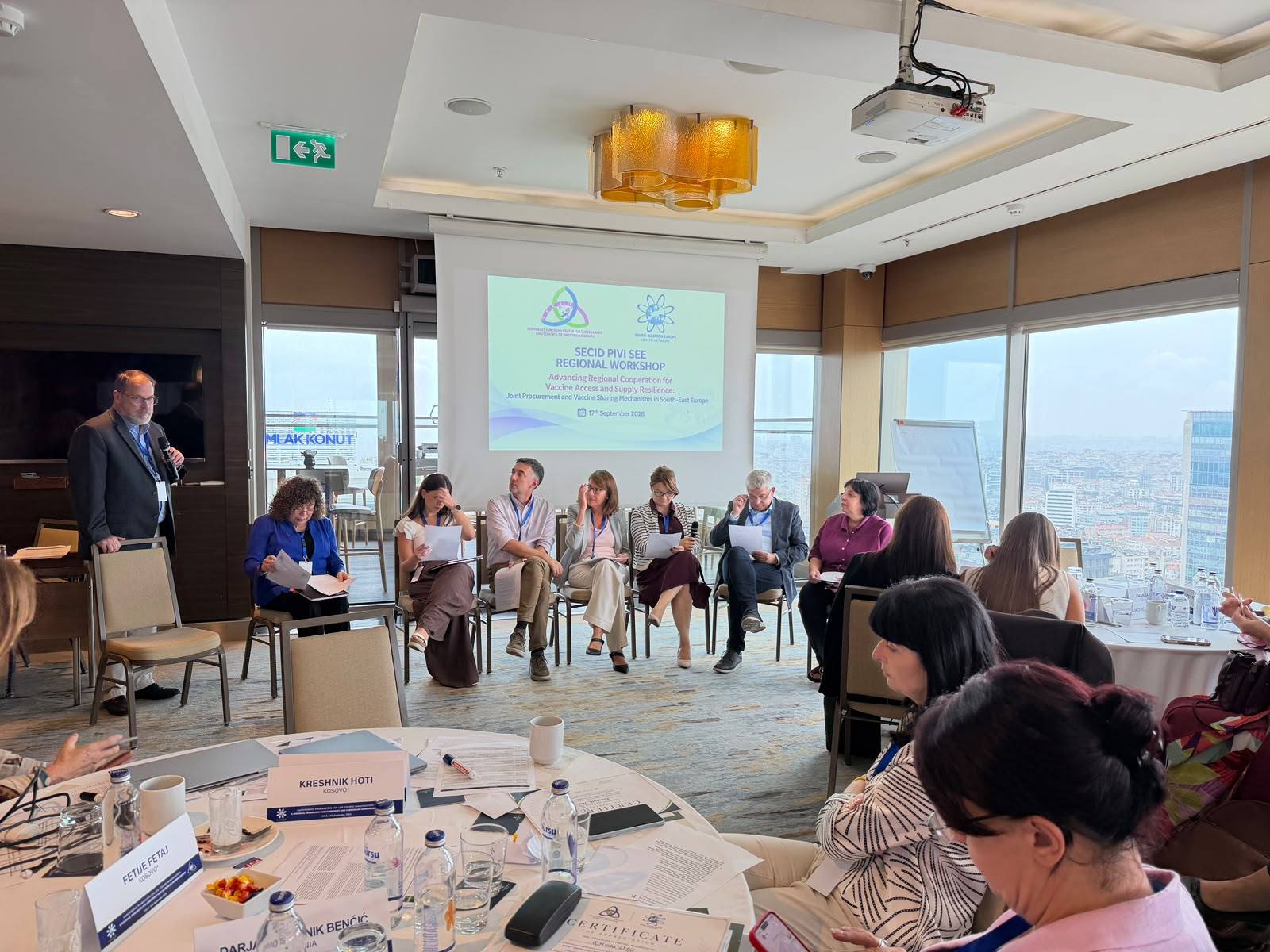
The regional workshop “Advancing Regional Cooperation for Vaccine Access and Supply Resilience: Joint Procurement and Vaccine Sharing Mechanisms in South-East Europe” organised with the support of SECID and PIVI, provided an important platform for countries to examine how stronger regional cooperation could contribute to more equitable vaccine access, greater supply resilience and stronger preparedness for public health emergencies, along with routine immunisation programmes.
The workshop built on national assessments undertaken by participating countries examining legal and regulatory frameworks, procurement legislation, market characteristics, vaccine financing arrangements, and existing mechanisms for vaccine donation, borrowing and redistribution. These assessments provide an evidence base for identifying common challenges, opportunities and possible pathways for regional cooperation.
From national experience to regional solutions
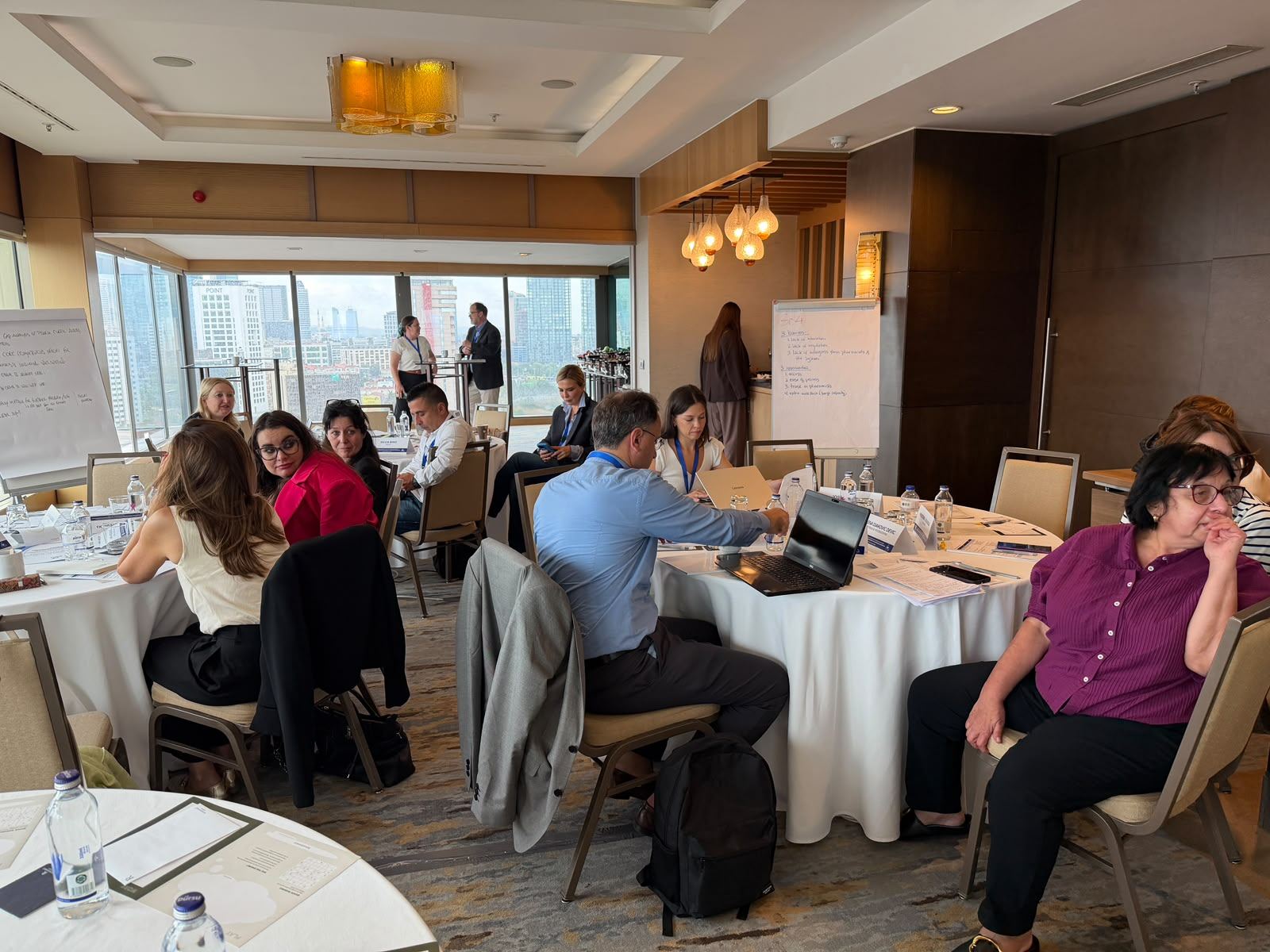
Throughout the meeting, country representatives shared experiences and discussed the practical challenges affecting vaccine procurement and supply, including market access, affordability, demand forecasting, financing, regulatory requirements, stock management, donation and borrowing mechanisms and continuity of supply.
Participants considered a range of possible approaches, including joint procurement, pooled purchasing, framework arrangements, vaccine donation, borrowing, sharing and redistribution. The objective was not to replace national procurement systems, but to explore where regional cooperation could provide additional value by strengthening purchasing power, negotiating capacity, supply security and solidarity across countries.
The workshop also highlighted the importance of ensuring that any future regional mechanism is compatible with existing national systems and takes account of the different legal, regulatory, financial and institutional contexts of SEEHN Member States.
A key outcome of the workshop was the identification of the next steps needed to translate the technical discussions into a regional policy process.
Participants discussed the potential establishment of a Regional Technical Working Group (RTWG) that would support the development of a regional strategy on joint procurement and vaccine-sharing mechanisms and contribute to evidence-based policy recommendations for national and regional decision-makers.
The workshop outcomes will contribute directly to preparations for the SEEHN Ministerial Meeting planned for 2027, where strategic options and recommendations on regional cooperation for vaccine access and supply resilience can be brought to the attention of Ministers and senior government officials.
For SEEHN, stronger regional cooperation can provide countries with additional options when facing common market constraints, supply disruptions or emergencies — while respecting national decision-making, legal frameworks and procurement systems.
The SEEHN Secretariat will continue to work with Member States and partners to advance the technical and policy process, with the aim of developing practical, sustainable and regionally relevant options for cooperation on vaccine procurement and sharing.