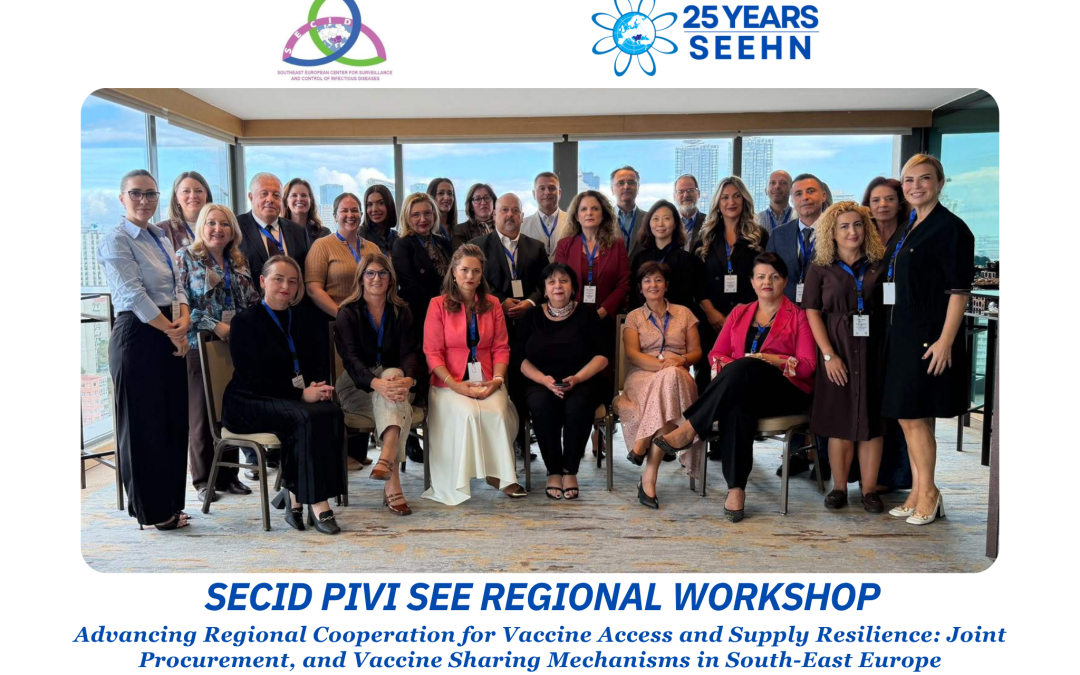
SEEHN advances regional cooperation on vaccine access, joint procurement and supply resilience

SEEHN advances regional cooperation on vaccine access, joint procurement and supply resilience
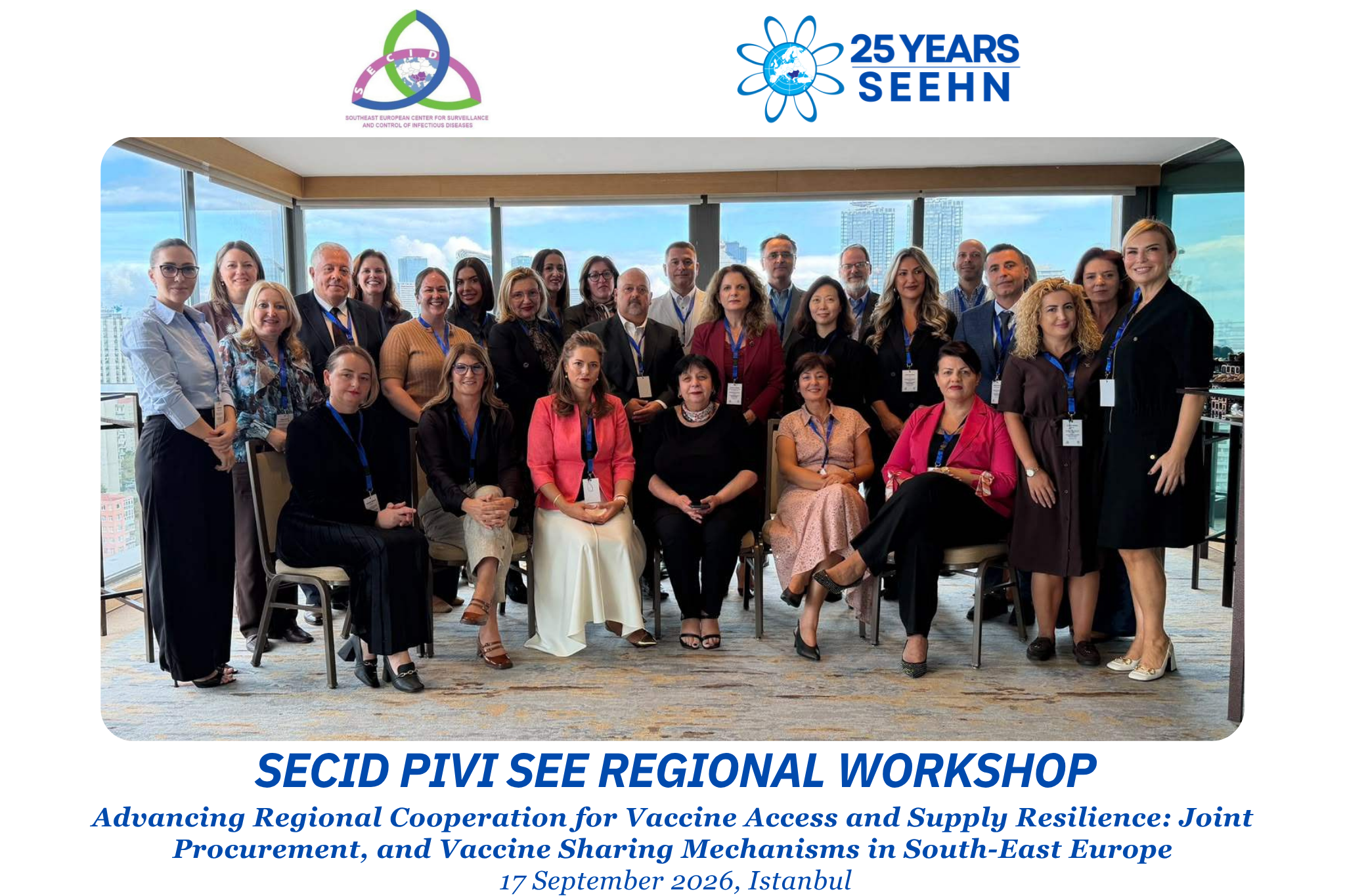
Istanbul, Türkiye – 17 September 2026

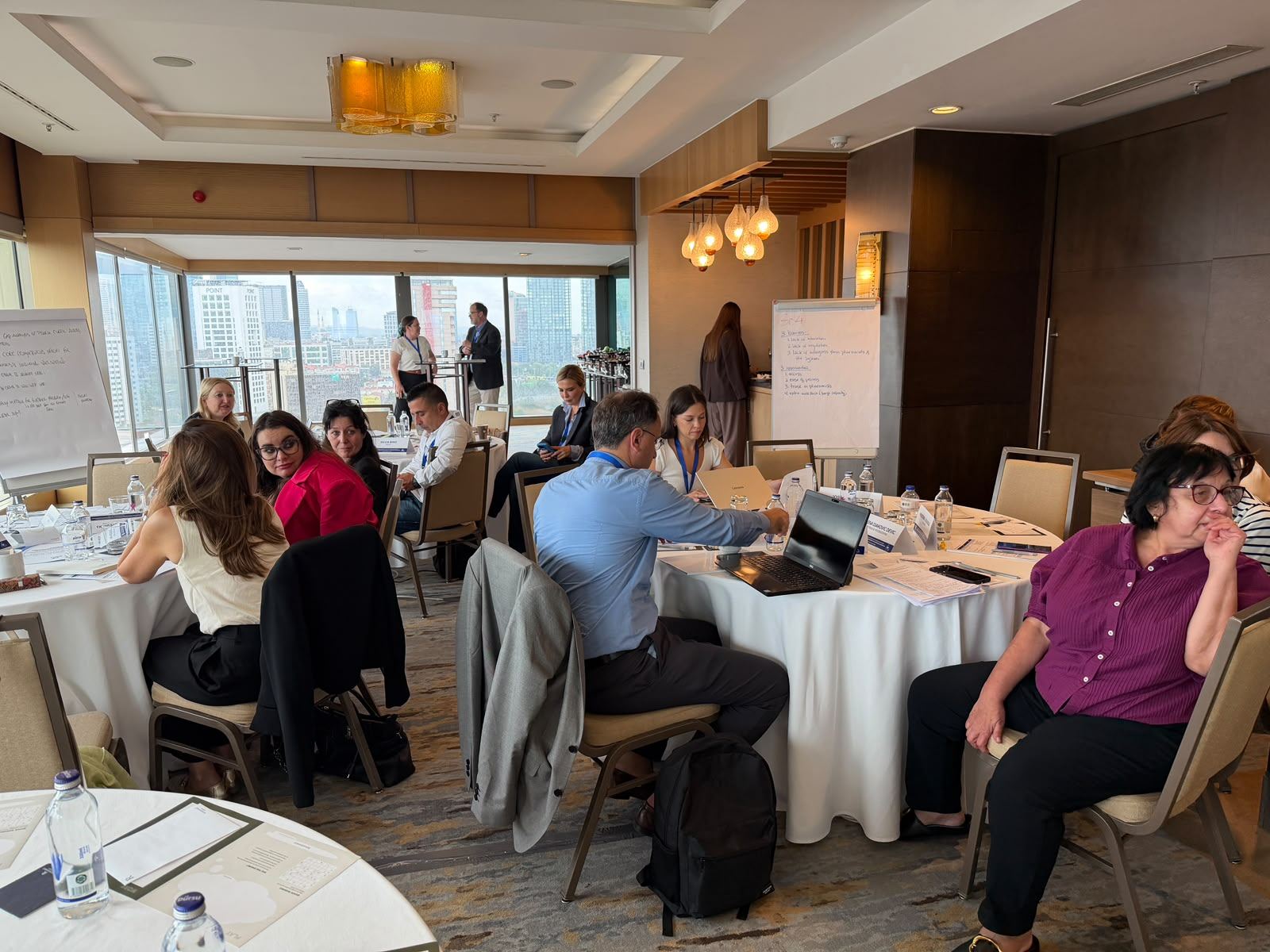
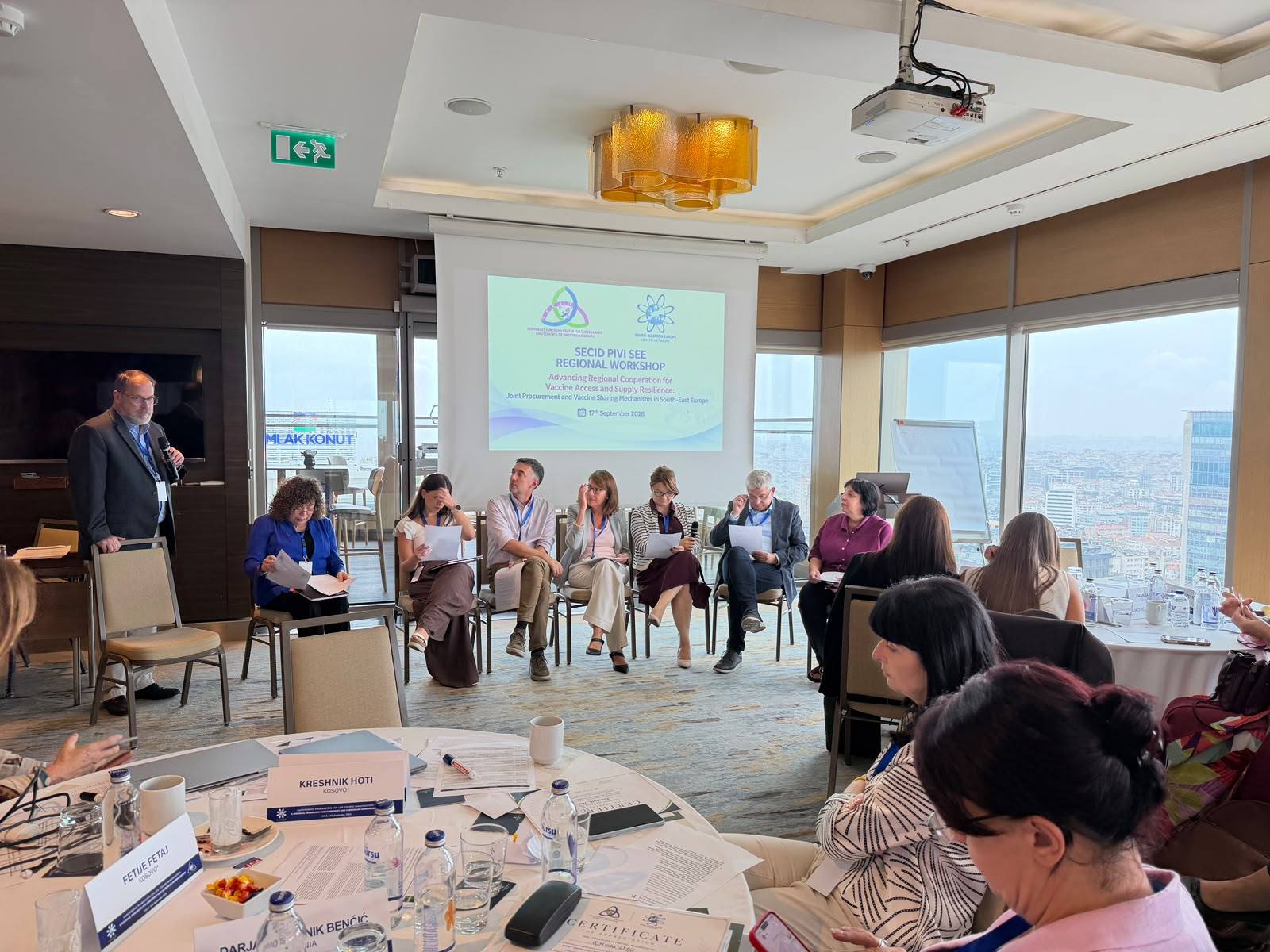
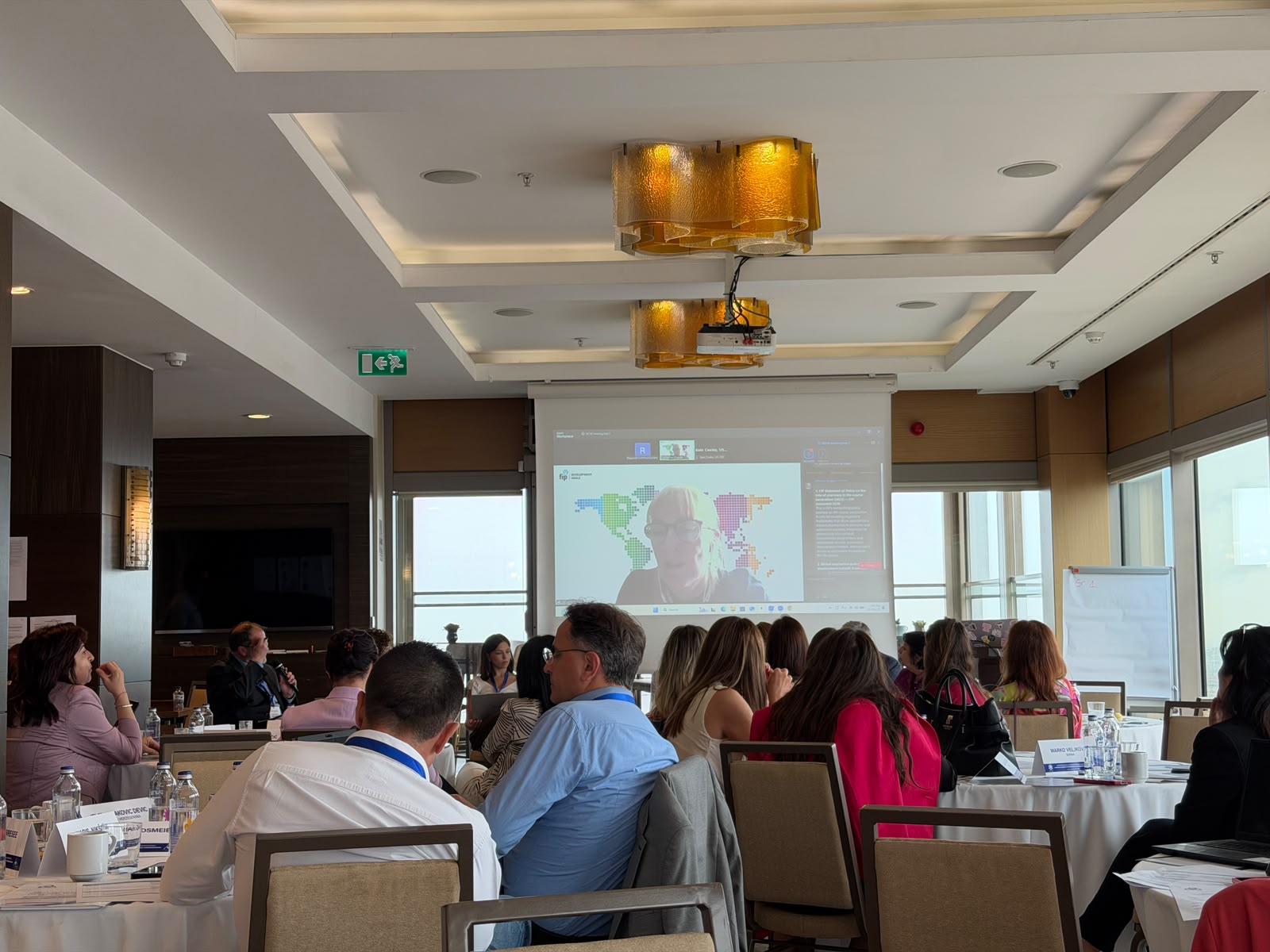
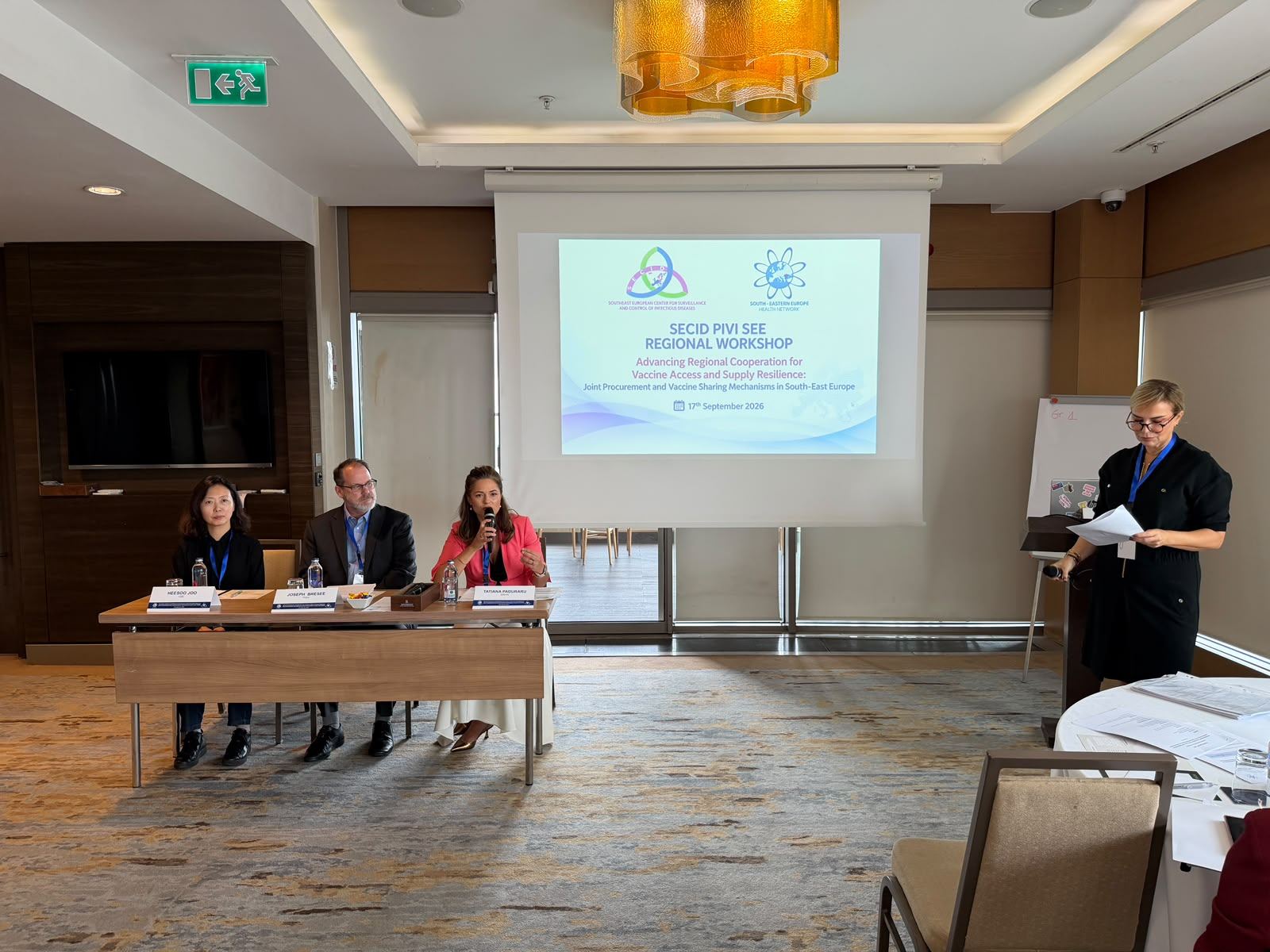
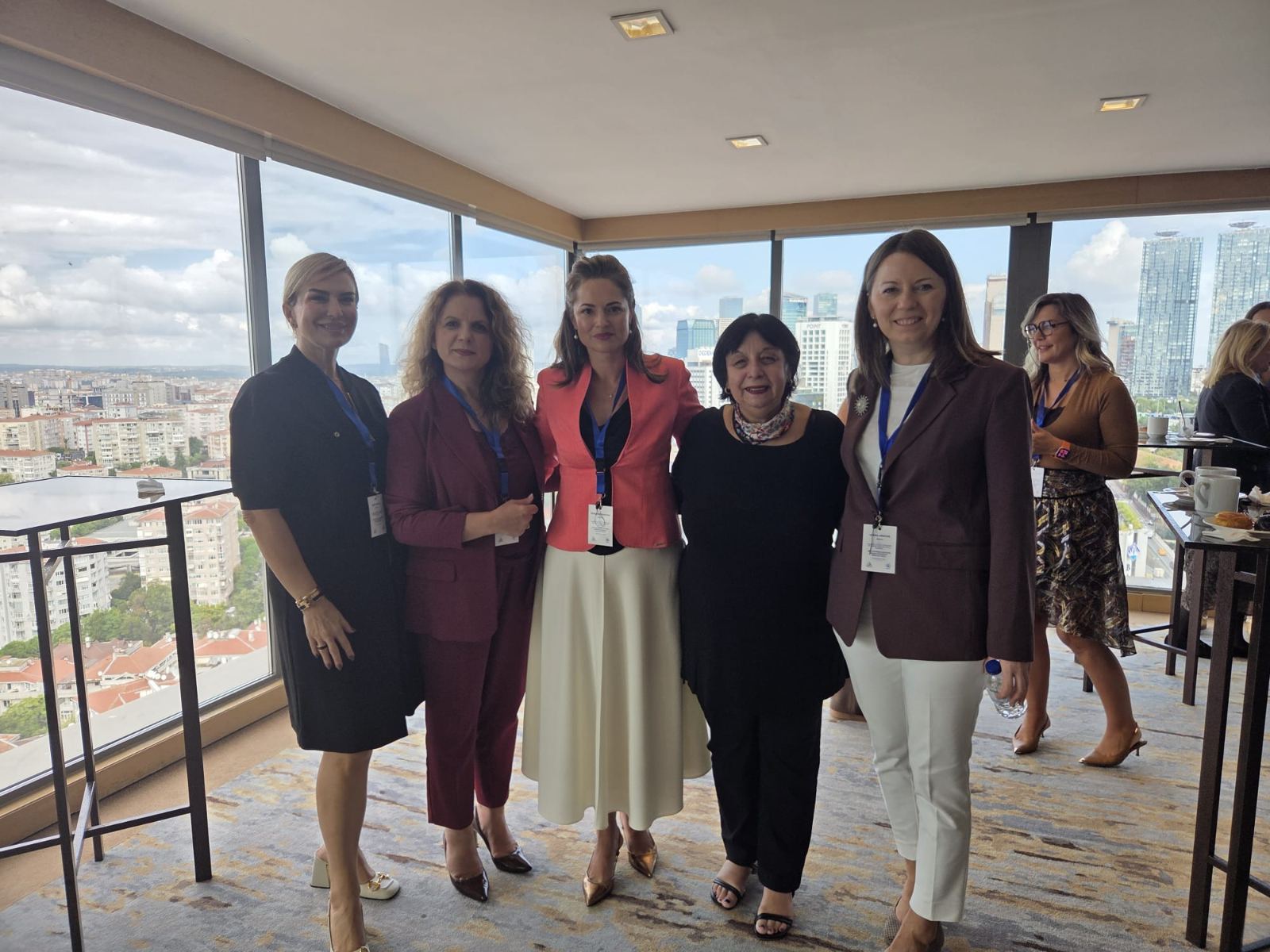
The Regional Health Development Center on Communicable Diseases – SECID, hosted by Albania brought together representatives of South-Eastern European countries and international partners in Istanbul on 17 September 2026, under the South-Eastern Europe Health Network (SEEHN) umbrella.

The regional workshop “Advancing Regional Cooperation for Vaccine Access and Supply Resilience: Joint Procurement and Vaccine Sharing Mechanisms in South-East Europe” organised with the support of SECID and PIVI, provided an important platform for countries to examine how stronger regional cooperation could contribute to more equitable vaccine access, greater supply resilience and stronger preparedness for public health emergencies, along with routine immunisation programmes.

The workshop built on national assessments undertaken by participating countries examining legal and regulatory frameworks, procurement legislation, market characteristics, vaccine financing arrangements, and existing mechanisms for vaccine donation, borrowing and redistribution. These assessments provide an evidence base for identifying common challenges, opportunities and possible pathways for regional cooperation.

From national experience to regional solutions

Throughout the meeting, country representatives shared experiences and discussed the practical challenges affecting vaccine procurement and supply, including market access, affordability, demand forecasting, financing, regulatory requirements, stock management, donation and borrowing mechanisms and continuity of supply.

Participants considered a range of possible approaches, including joint procurement, pooled purchasing, framework arrangements, vaccine donation, borrowing, sharing and redistribution. The objective was not to replace national procurement systems, but to explore where regional cooperation could provide additional value by strengthening purchasing power, negotiating capacity, supply security and solidarity across countries.

The workshop also highlighted the importance of ensuring that any future regional mechanism is compatible with existing national systems and takes account of the different legal, regulatory, financial and institutional contexts of SEEHN Member States.

A key outcome of the workshop was the identification of the next steps needed to translate the technical discussions into a regional policy process.

Participants discussed the potential establishment of a Regional Technical Working Group (RTWG) that would support the development of a regional strategy on joint procurement and vaccine-sharing mechanisms and contribute to evidence-based policy recommendations for national and regional decision-makers.

The workshop outcomes will contribute directly to preparations for the SEEHN Ministerial Meeting planned for 2027, where strategic options and recommendations on regional cooperation for vaccine access and supply resilience can be brought to the attention of Ministers and senior government officials.

For SEEHN, stronger regional cooperation can provide countries with additional options when facing common market constraints, supply disruptions or emergencies — while respecting national decision-making, legal frameworks and procurement systems.

The SEEHN Secretariat will continue to work with Member States and partners to advance the technical and policy process, with the aim of developing practical, sustainable and regionally relevant options for cooperation on vaccine procurement and sharing.

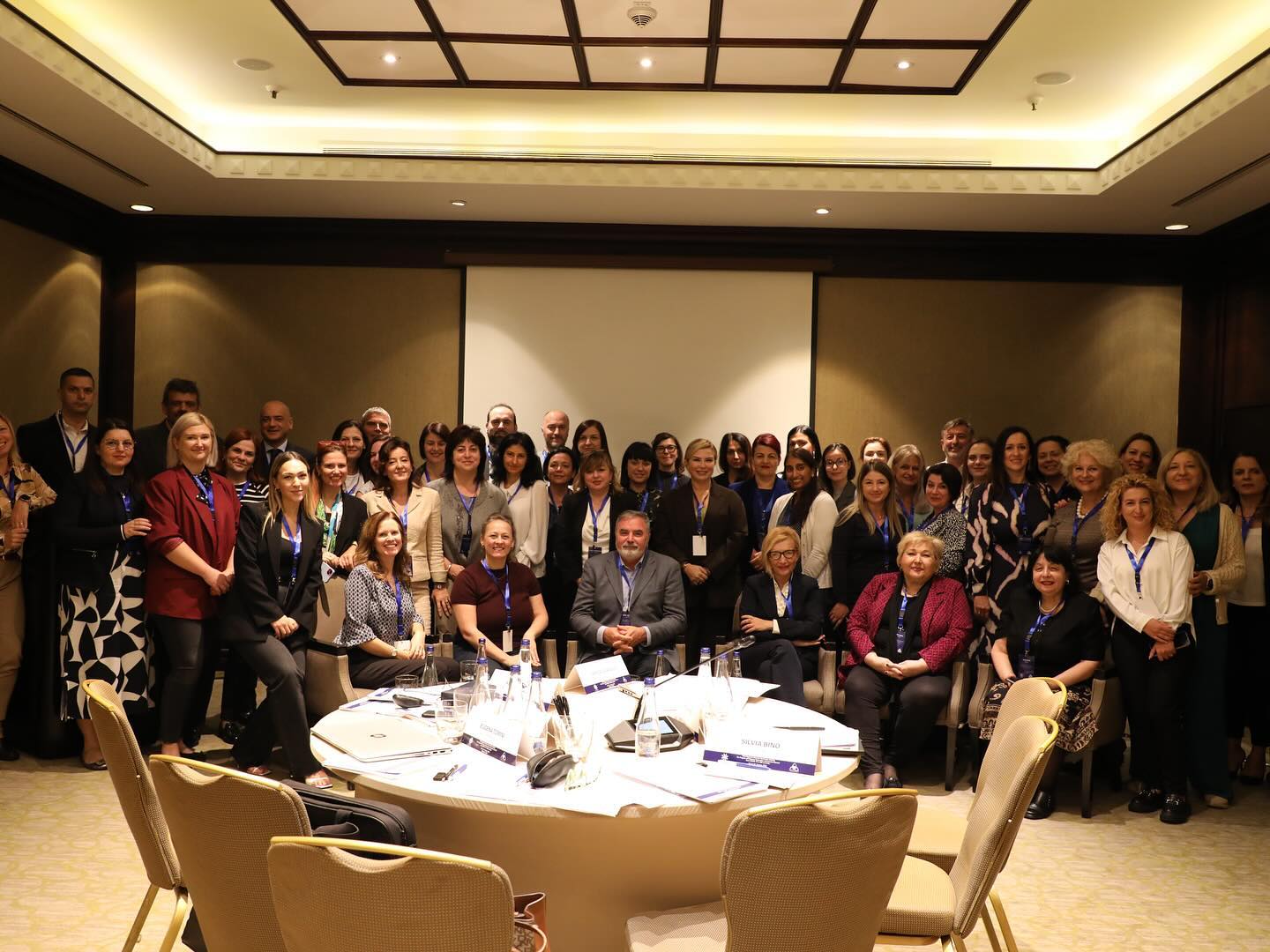
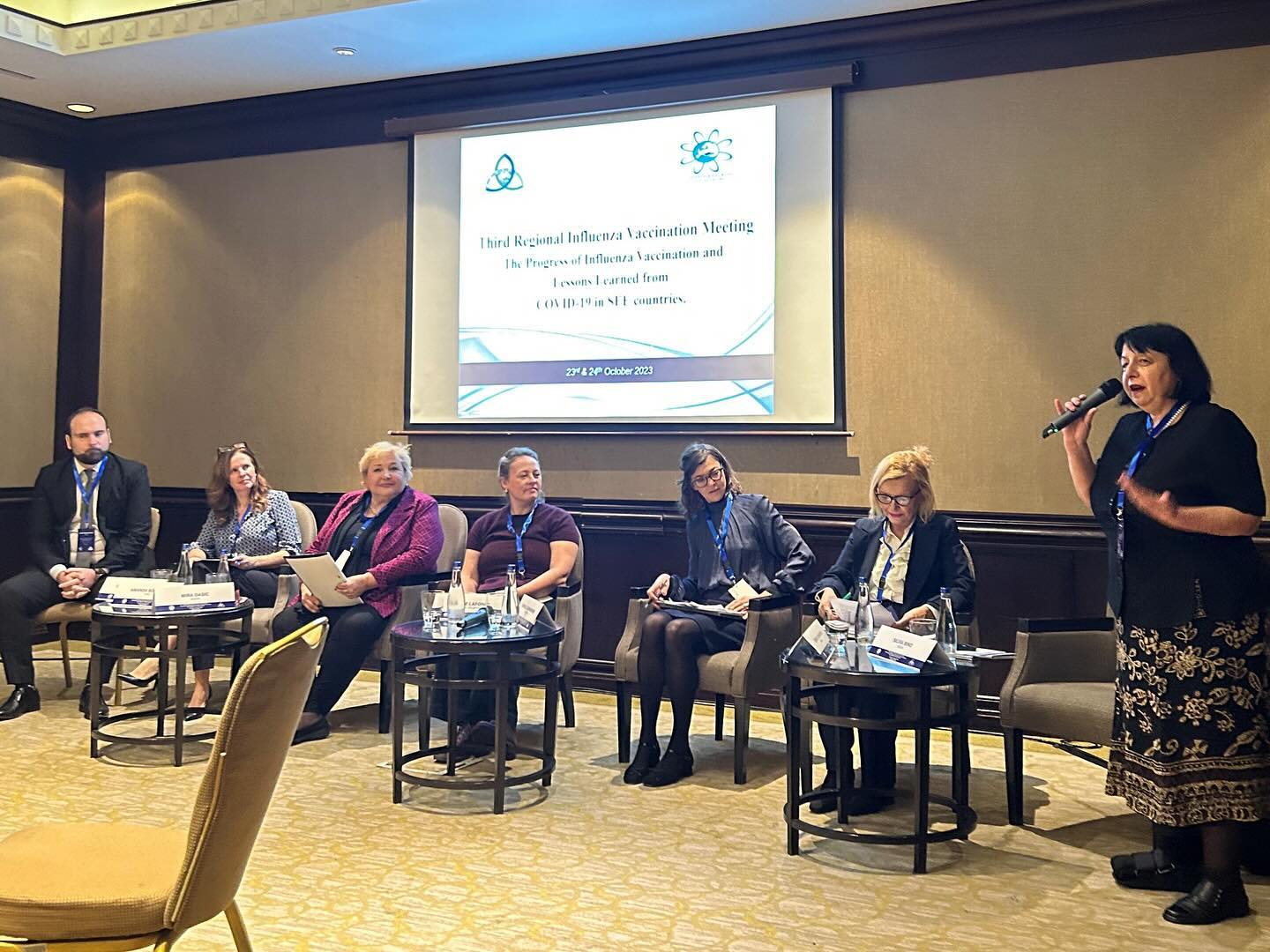
Dr Mira Jovanovski Dasic, Director of the SEE Health Network Secretariat participated in the Third Regional Influenza Vaccination Meeting: The Progress of Influenza Vaccination and Lessons Learned from COVID-19 in SEE

For the last two decades, the Southeast European (SEE) Member States have been working together on pandemic preparedness, influenza surveillance, and immunization. These efforts are led by SECID SEEHN RHDC on communicable diseases surveillance and control.

This Regional Influenza Vaccination Meeting was the third in a row. It was held in Belgrade, on 23-24 October 25, 2023. Its aim was to discuss programs implementation, identify the COVID-19 pandemic impact on influenza vaccination, challenges, possible solutions, recommendations.

Previous meetings back in 2017, and 2019, were focused on operational issues related to the implementation of seasonal influenza vaccination programs, to improve the current strategies, and to overcome challenges by looking into opportunities to ensure affordable prices by improving the process for procuring vaccines and cross-border cooperation.

The Meeting gathered participants from the SEEHN Member States and beyond, joined by representatives of the Task Force for Global Health, US CDC, WHO Europe, Balkan hub, the WHO office in Belgrade and RCC.

The main outcomes of the two days’ discussions are expected to:

▪ identify strategies to foster short-term influenza and COVID-19 vaccine program improvement and increase uptake especially among key target risk groups.

▪ Identify strategies for integration of influenza and COVID-19 vaccination and other immunization or program platforms following a whole life-course approach.

▪ Exchange country experiences and identify country and cross border actions to address possible gaps and challenges related to improve the access to influenza and COVID-19 or other epidemic or pandemic vaccines timely and with affordable prices and also to explore the possibilities for joint vaccine procurement in the SEE Region.

Finally, the Regional Influenza Vaccination Meeting proved the importance of joint work, harnessing regional particularities to strive for higher standards that will affect the livelihoods in the South Eastern Europe.

#SECID #SEEHN

ADVANCED TRAINING WORKSHOP- Strengthening Surveillance and Causality Assessment of Adverse Events Following Immunization in SEE

The South East European Centre for Surveillance and Control of Infectious Diseases – SECID, SEEHN RHDC in collaboration with WHO Regional Office for Europe, the Centers of Disease Control, USA and Task Force for Global Health has convened an advanced training workshop on surveillance and causality assessment of adverse events following immunization (AEFI), held in Tirana, Albania in the period 30th November – 2nd December 2022.

SEEHN Secretariat Director, Dr Mira Jovanovski Dasic addressed the audience online. Her message focused on the importance of the topic discussed and also cross-regional collaboration that is important to be kept especially view the immunisation sensitivity.

With the participation of lecturers in person and remotely from WHO Regional Office for Europe, Canada, Germany, Estonia, Serbia, US Centers of Disease Control and Prevention, and Uppsala Monitoring Center, during this very intense 3 days training brought great interest and a lot of discussion on the table.

The aim of the workshop was to provide guidance and technical advice to national experts from the Southern-eastern Europe Health Network Member States and guests on strengthening surveillance and causality assessment of AEFIs, by updating the national policies procedures and tools on surveillance of AEFIs to further strengthen the national mechanisms to detect, respond, assess causality and communicate effectively on serious adverse events following immunization.

Participants committed to improve their AEFI systems and causality assessments. By the end of the workshop they came up with a draft plan for actions on improving their systems engaging drugs regulators, immunization programs and other national stakeholders.

IIn addition, multiple cross-cutting issues were identified so that they can be addressed at regional level.

Regional Teleconference on COVID-19

Regional Teleconference on COVID-19

n

Thenincreasing pressure on the countries related to COVID-19 pandemicndetermined the organization of a Regional TC on 24 Marchn2020 at 11:00 CET, at the initiative and with the support of Dr Mira Jovanovski-Dasic,nHead of SEEHN Secretariat and Dr Silvia Bino, Director of SEEHN RHDC onnCommunicable Disease. It was tailored to the nine Member States of thenSouth Eastern Europe Health Network (SEEHN).

nnnn

The goal of the TC was to discuss the challengesnthat SEEHN Member States are facing in the response to COVID-2019 (quantity ofnavailable tests, capacity for testing, capacity for isolating measures, lack ofnconsumable material; lack of human resources, the need for mobilization ofnadditional expertise. etc.), in order to agree on regional actions needednin addition to the national responses each country is already takingnindividually.

nnnn

Additionalnto the SEEHN Members states experts, the TC has been joined by Kosovo* asnobserver and some of the SEEHN National Health Coordinators.

nnnn

The TC wasnalso joined by Dr Dorit Nitzan, Coordinator,nHealth Emergencies and Operation Management, Dr. Lucianne Licarinand Mr Robb Butler from WHO EURO.

nnnn

Dr Hans HenrinP. Kluge, WHO RegionalnDirector for Europe wasnable to join to greet and highlighted a core idea that health workers are doingntheir job for everyone not only for their country. It is a stress test for ournsolidarity: “We all are in this together united!”

n

RHDC Albania

RHDC on Communicable Diseases Control and Surveillance and IHR implementation in SEE

(Tirana, Albania)

The Regional Health Development Centre on Communicable Diseases Control and Surveillance and IHR implementation in South-Eastern Europe (RHDC CDC) has been hosted within the Institute of Public Health of Albania since its establishment in 2010.

In February 2013, “Southeast European Centre for the Surveillance and Control of Infectious Diseases” (SECID) was established as an integral part of the RHDC CDC as well as an administrative partner of IPH.

Consisted of Executive and Advisory Boards and Excellence Centres, SECID aims to build and improve regional and cross-border capacities, promote the regional “One Health” initiative and create sustainable initiatives and collaboration with networks and other agencies.

Since surveillance systems and health monitoring have long been in the focus of the Albanian health system, particularly in relation to influenza viruses, SECID has been actively contributing to the implementation of the Project “Surveillance and Response to Avian and pandemic Influenza by National Health Authorities of Countries of South East Europe” through country workshops in Kosovo, Montenegro, North Macedonia, Bosnia and Herzegovina, Bulgaria and Croatia.

More SECID-related information is available at the following link: www.secids.com

  • Contact
Dr. Silvia Bino 

Director of the SEEHN RHDC

National Institute for Public health

Head of Department and general coordinator for SECID

Institute of Public Health RHDC SECID Rr. Alexander Moisiu, No.80, Tirana, Albania 

Tel: +355 42 484 611

Mobile: +355 692 621 468

E-mail: [email protected]

Ms. Ledia Agolli 

Executive Manager of

SECIDS

Southeast European Center for Surveillance and Control of Infectious Diseases (SECIDS)
Institute of Public HealthRr. Aleksander Moisiu No.80, Tirana, AlbaniaTel: +355 42 484 611 

Mobile +355 682 069 698

E-mail: [email protected]