On February 25, a Regional Webinar “What is currently known about countering misinformation and resilience against misinformation” was held in a virtual format.
nnnn
Information literacy proves to be a critical resource and the role of nurses in combating COVID-19 related misinformation is now important more than ever.
nnnn
The webinar aimed at providing valuable insights on tools to guide the communities through a minefield of misinformation during these challenging times.
nnnn
Three panellists: Ms. Tina D Purnat, Technical Officer, Digital Health Technologies, WHO Supporting WHO COVID-19 Infodemic response pillar discussed on “Infodemic management as a function of health emergency preparedness and community resilience”; Mr. Radoje Cerović, Psychologist and Communication Expert, Digital Transformation strategist presented “Crisis and Risk Communication: Montenegro case study” ; and Ms Einav Shimron, SEEHN National Health Coordinator Deputy Director General for Media and International Relations, Ministry of Health, Israel shared the “Israeli experience on the topic”.
nnnn
They explored in-depth the barriers and the enablers to countering mis- and disinformation and examined best practices for tackling the phenomena by stressing the importance of trustworthiness of information and also discussed how to make societies more resilient to the aggressive infodemia.
nnnn
In her opening remarks, the Director of the SEEHN Secretariat Dr Mira Dasic stressed once again the crucial role played by the primary health care nurses stating that: “The primary health care Nurses are at the forefront of COVID-19 response, especially at this stage with their double contribution: they provide care and play a critical role in emergency risk reduction, preparedness and response and, at the same time, nurses are expected to ensure the COVID-19 vaccination system”.
nnnn
Mr Gian Matteo Apuzzo, Senior expert and project manager, on behalf of Central European Initiative (CEI) Executive Secretariat, stressed the tremendous importance of communication during a pandemic. He also praised SEEHN to be one successful implementer of the health emergency response projects that CEI commissioned last year to help countries with in their COVID-19 response.
nnnn
Ms Purnat, highlighted the key drivers that shall shape the approaches in social listening. “Three aspects should be considered by authorities in managing infodemia: (1) accountability to communities we work with, (2) our commitment to evaluation, and (3) supporting community resilience”.
nnnn
Mr Cerovic through the Montenegrin case study presented the developed communication strategy and approaches on how to counter misinformation.
nnnn
Ms Shimron reflected on the benefits of the community specificities-based approach in tackling the impact of fake news and the importance of using trust frameworks and opinion leaders in messaging and tailoring the message in the native language of the communities.
nnnn
This event was also the final activity of the project “Strengthening capacities of nurses – front line healthcare workers during the COVID-19 response – Strong nurses for strong health systems and a healthier world” funded by CEI and implemented by the SEEHN Secretariat.
On 9 February 2021 representatives from SEEHN Member States, WHO Regional Office for Europe, Slovenia, CDC, ECDC and Kosovo*, gathered in a virtual meeting.
nnnn
The discussion focused around the COVID-19 Vaccination challenges and opportunities. More than 40 participants joined the conversation and shared valuable experience on the state of affairs in their countries.
nnnn
The current sensitive situation related to COVID vaccination in terms of availability, distribution and access are at different degrees in most of the countries.
nnnn
The WHO EURO representative stressed that safe and effective vaccines are the critical tool to contain the pandemic. An overview of the landscape of the potential COVID vaccines was presented and the unprecedented effort was put together to tackle the pandemic that could be used in the future to boost solutions for other challenges. Regional mechanism for monitoring the countries COVID-19 preparedness needed to identify the programmatic areas that need strengthening.
nnnn
The State of Israel presentation showed that they are a role model, so far, in terms of vaccination strategy and implementation and they shared important lessons learned that could be used in SEE Region.
nnnn
Slovenia highlighted the importance of access to the vaccination to all the citizens, including minorities and migrants.
nnnn
The country presentations revealed and highlighted the most common specific challenges: the overloaded human resources, delays in vaccine delivery, the media pressure and population acceptance of the COVID vaccines etc.
nnnn
The ECDC Representative presented the stress test and reflected on the support provided to the countries who carried out this exercise that is mainly a self-assessment of the preparedness degree. The Western Balkans countries participated to it on the 1.02.2021. The preliminary results were shared and discussed on the 5.02.2021. The highlights emerged from the stress test were:
nnnn
• The opportunity to rehearse with the small amount in local settings; possibility to adapt and adjust; robust idea of forward supply chain.
nnnn
• Flexibility and adaptation: priority groups, vaccine delivery model, supply chain management, etc.
nnnn
• Exchange experience and keep the immunization program in parallel.
nnnn
The CDC representative reflected on the state of the affairs on the vaccination plan implementation since mid-December until now, which accounts to over 42 million doses administered so far. Common complexities and further considerations shall be given to: varying cold-chain requirements, need for socially distanced vaccination practices, sub-prioritization might be required when limited supply, one vs. two doses series, vaccine efficacy and safety monitoring, communication and education critical to success of the vaccination program. CDC is building upon a vast communication campaign aimed to reinforce trust, empower healthcare worker providers, engagement with communities and individuals.
nnnn
The discussions held proved the importance of this topic and yet again, that solidarity brings benefit and shows to be crucial in fighting back the spread of the virus.
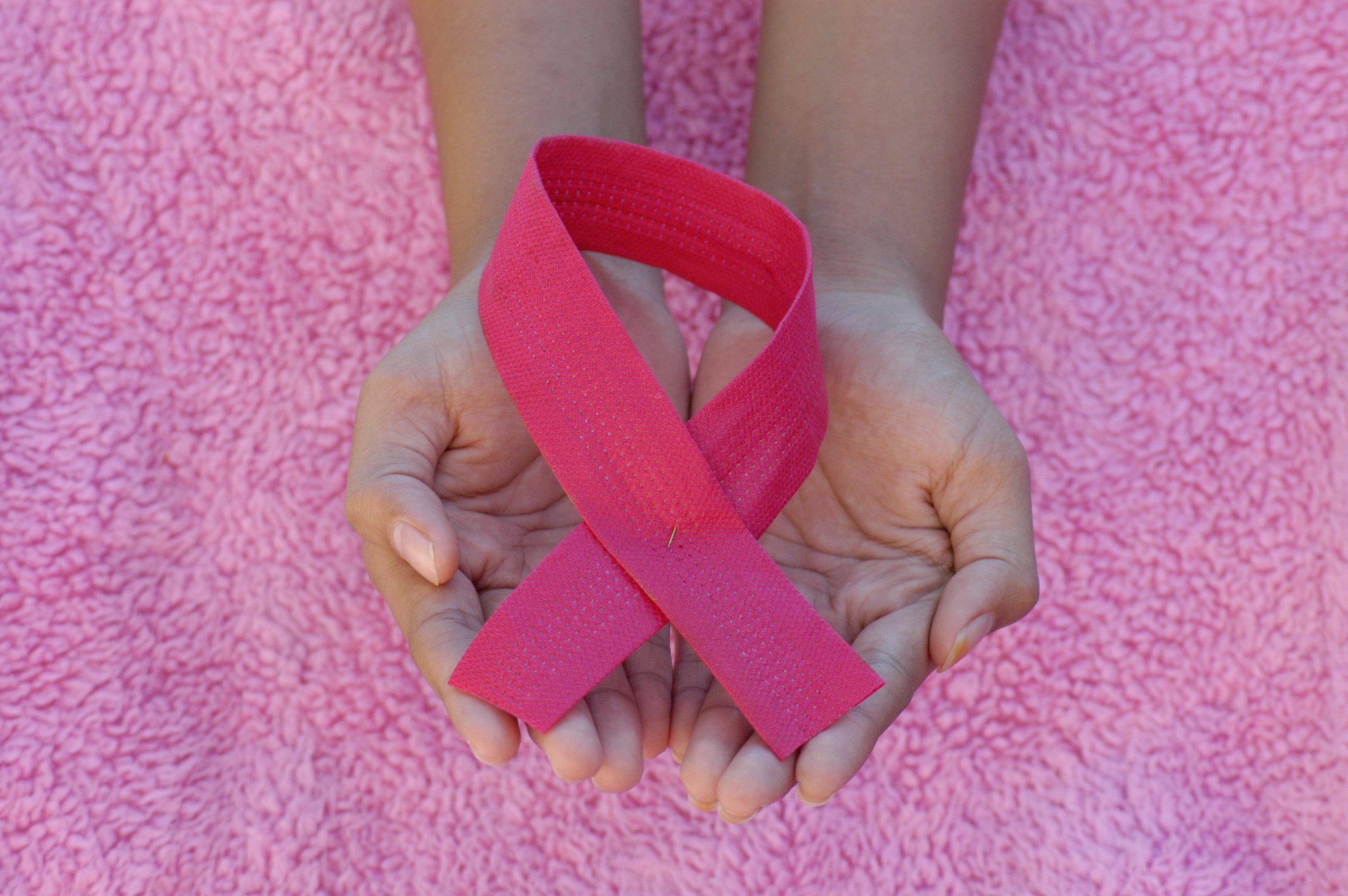
World Cancer Day is marked yearly, on February 4 to raise awareness across the world and to stimulate joint action in the fight against the global cancer epidemic.
nnnn
The “I am and I will” campaign acknowledges that everyone has the capacity to address the cancer burden. The theme promotes how our personal actions can be powerful and impactful while recognizing the extraordinary power of cooperation and collective action. Together our actions matter. We can work together to overcome barriers to early diagnosis, treatment and palliative care and achieve global targets to reduce preventable mortality.
nnnn
In the efforts to contain the COVID-19 pandemic, we lost focus to a more silent but aggressive fight against cancer, with many patients experiencing disrupting treatment, delayed diagnosis and affected access to medicines. In 2020, 3.5 million people in the European Union were diagnosed with cancer and another 1.3 million people lost their lives to it. Without action to reverse current trends, by 2035 cancer burden is estimated to increase by almost 25% making it the leading cause of death in Europe.
nnnn
The recently released European Cancer Beating Plan serves as a unique opportunity for the SEEHN Member States to reinforce their national strategic directions on cancer control.
nnnn
The SEEHN strategic vision and various initiatives as well as a dedicated Regional Health Development Center (RHDC) on NCDs hosted by Montenegro, reflect the strong engagement in addressing the burden of cancer. The SEEHN encourages its Member States to run national awareness campaigns to support cancer prevention, early diagnosis and lifesaving treatments.