Sound and timely expert knowledge and opinion is of utmost importance for the creation of strategies, policies and waynforward to sustainable health systems.
nnnn
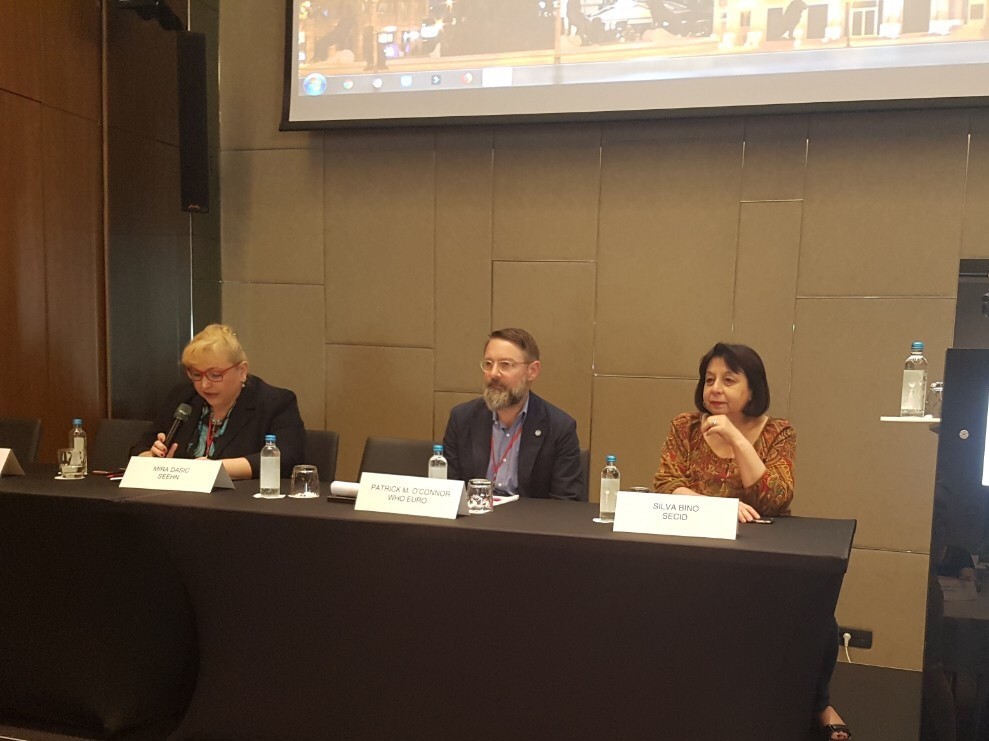
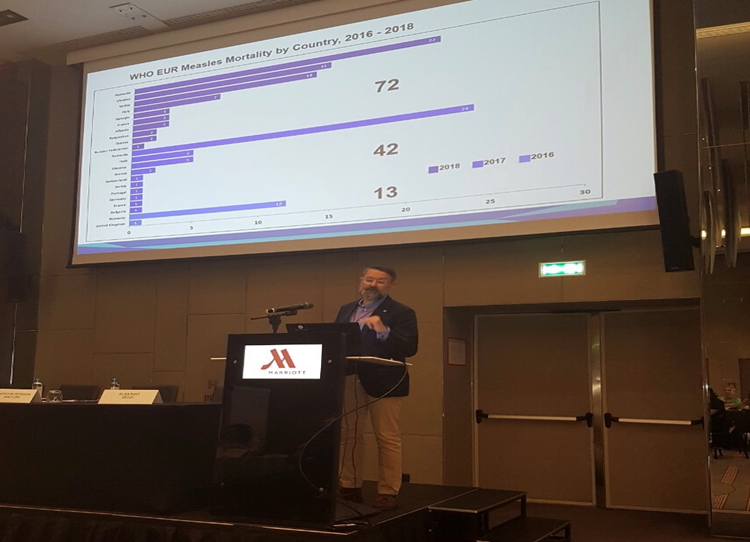
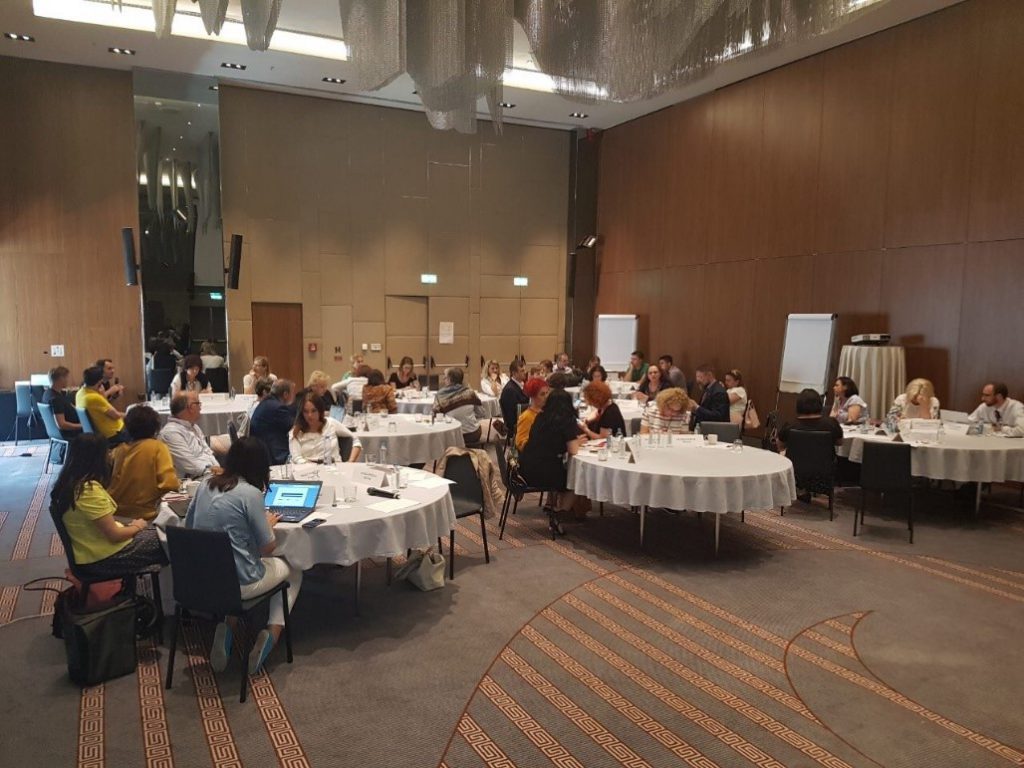
In this respect SEEHN with its Regional Health Development Center on Surveillance andnCommunicable Disease SECID hosted by Albania, together with expert support fromnWHO Euro and with experts from the SEE Region held a one day Round table on Current Measles Outbreaksnand Response Challenges in SEE Countries, on 27 June 2019 in Skopje, NorthnMacedonia.
nnnn
The aim of this round table was tonpresent the characteristics of measles outbreaks the current challenges innorder to find the best way on how to support an effective response in SEEncountries.
nnnn
All countries in the SEE region havencommitted to eliminate measles. Most of them were even certified for measlesnelimination. There is an effective, inexpensive combined vaccine that can protectnpopulations from measles. Unfortunately, this vaccine is not used as it shouldnbe.
nnnn
Each country presented their currentnmeasles situation and vaccination coverage followed by lively discussions.
nnnn
Conclusions and recommendations from this SEE round table will soon follow.
SEE Health Network Presidency, Executive Committeenand Secretariat organised and hosted the 41st Plenary Meeting of the SEE HealthnNetwork, held on 20-21 June 2019 in Skopje, Republic of North Macedonia in thenpremises of Ministry of Foreign Affairs under the subject “Healthnworkforce in SEE region, challenges and opportunities: brain drain – brainngain”.
nnnn
The 41st Plenary gathered representatives ofnDiplomatic Corps from the SEEHN Member States accredited to the Republic ofnNorth Macedonia, SEEHN National Health Coordinators, the Directors of the SEEHNnRegional Health Development Centres, by the partners and partner internationalnorganizations’ representatives.
nnnn
The opening remarks were given by Dr. VenkonFilipce, Chair of the SEE Health Network Presidency and Minister of Health ofnthe Republic of North Macedonia, Mr. Andrej Zernovski, Deputy Minister,nMinistry of Foreign Affairs of the Republic of North Macedonia and Dr. MiranJovanovski Dasic, Head of Secretariat, SEE Health Network.
nnnn
Chair of the SEE Health Network Presidency andnMinister of Health of the Republic of North Macedonia pointed out that:
nnnn
“One of thenmajor challenges we face, and I know, all of our Region is facing- IS thenworkforce shortages. Brain drain is increasing constantly, though,nunfortunately, the brain gain balance is not maintained. This is the reason itnis a very sensible topic and painful at the same time for all of us. Thenmigration of our health personnel towards the EU countries is an understandablenphenomenon, however, we are here today, to continue the conversation on thisntopic and to explore which policy options have been already tested, which are thenshort-term effects or impact and to identify viable solutions for healthnsystems from the SEE Region” Minister Filipce in his opening speech alsonhighlighted the importance of primary health care in the achievement ofnUniversal Health Coverage and the UN Sustainable Development Goals.
nnnn
The 41st SEEHN Plenary as a follow up to thencommitments of the SEE Ministers of Health, stipulated in the Chisinau Pledge,nendorsed during the Fourth Ministerial Forum in 2017 in Moldova, based on thenpriorities agreed within the SEEHN Macedonian Presidency Roadmap in 2018, dealtnwith several important strategic issues:
nnnn
– The implementation process of the ChisinaunPledge Action Plan, as a Strategic Framework for the SEE member states undernthe WHO-SEEHN Sub-Regional Cooperation Strategy for the period of 2018-2023;
nnnn
– The challenge of health workforce brain drainnfrom European perspective, brain drain challenge in the Western Balkans,ncountry case studies and practices from the SEEHN member states andncross-cutting issues; agreement on joint further actions to be taken;
nnnn
– Fostered further strengthening of the workingnrelationship between SEEHN member states, partners and stakeholders.
nnnn
Fruitful discussion on health workforce migration werentaken and all participants agreed that:
nnnn
It was very productive andninformative Plenary meeting that opened discussion and tried to map thensituation on health workforce migration in the region;
Different experiences were sharednto understand how complex this issue is and that this was followed by meaningful discussions;
Joint comprehensive regionalnapproach by involving different sectors and stakeholders is needed; strong commitment is crucial in thenjoint efforts;
SEEHN can be important mechanismnin tackling this problem;
nnnn
nnnnnnnnSupport from the partnersndealing with this issues was also acknowledged; and that their inputs andncontribution were very much appreciated nnnn
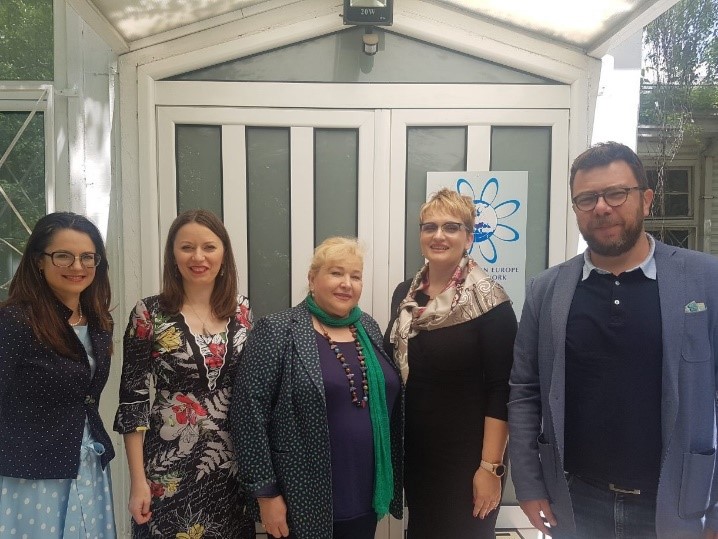
On Mayn30, Dr Mira Dasic, SEEHN Secretariat Director hosted Dr Danijela Urosevic, Chair of SEEHN ExecutivenCommittee and Republic of Serbia’s National Health Coordinator at SEEHN Secretariatnpremises in Skopje, North Macedonia.nnThisnwas a good opportunity to discuss the potential for enhancement ofnthe regional cooperation in public health and other relevant issues for thenupcoming Executive Committee meeting to be held in June in Skopje, along with thenSEEHN 41st Plenary. nnnn