SEEHN Strengthens Cooperation with Romania Ahead of Upcoming Presidency

SEEHN Strengthens Cooperation with Romania Ahead of Upcoming Presidency

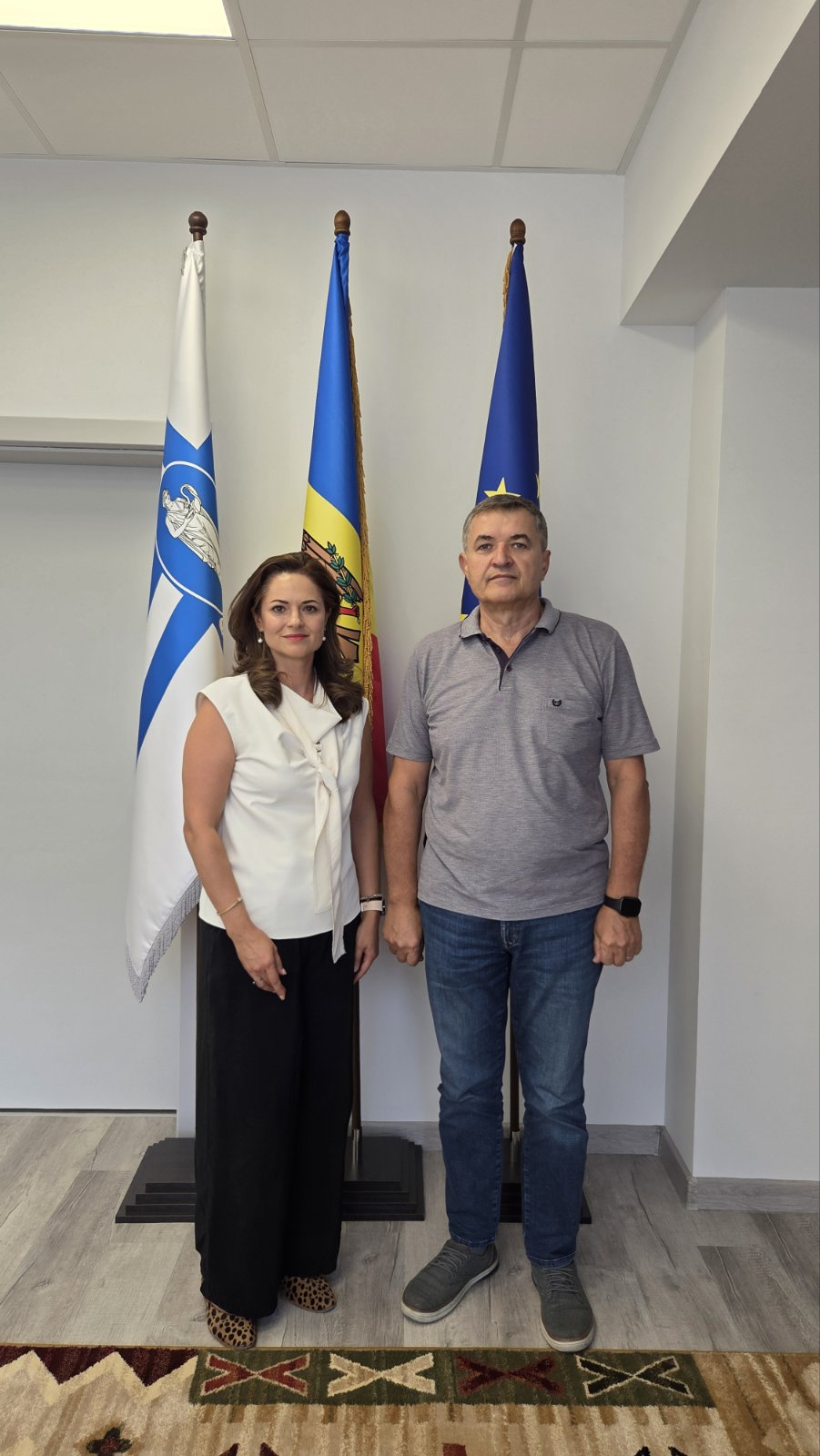
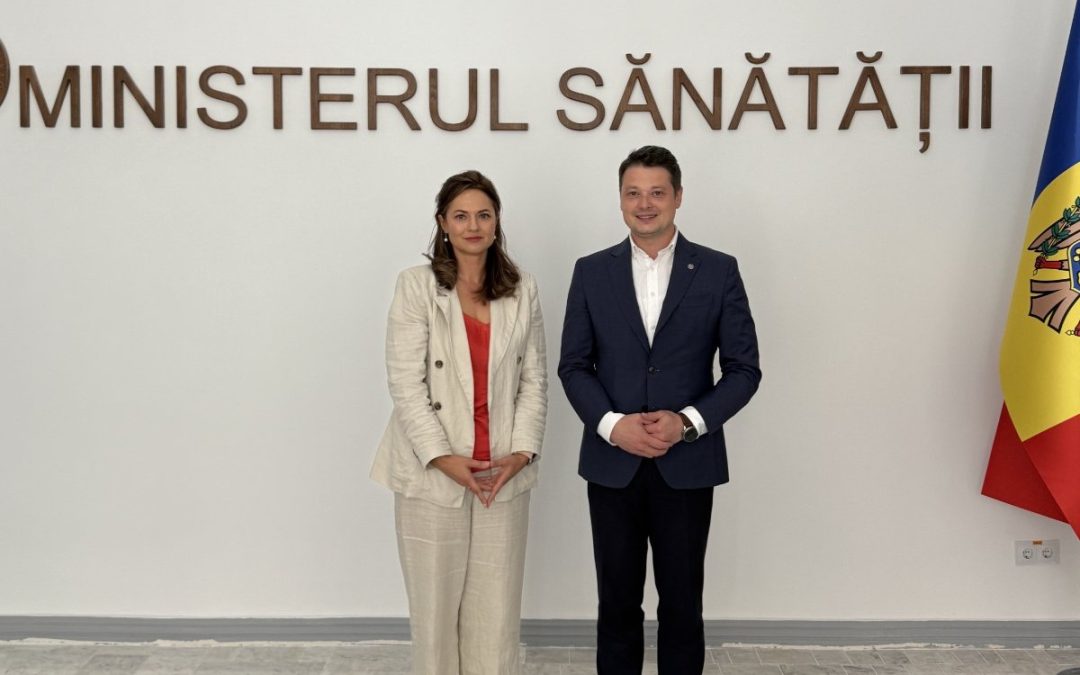
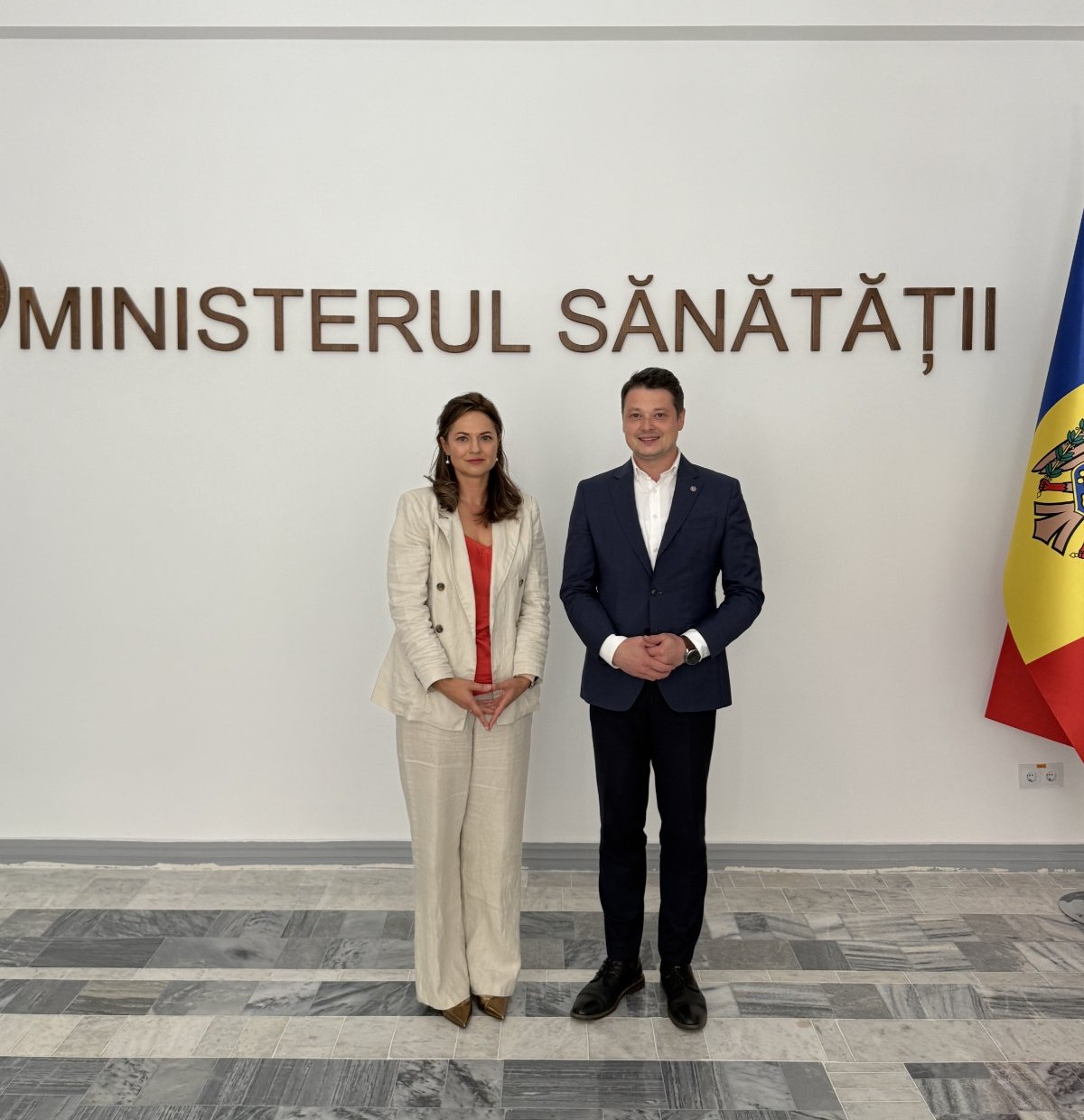
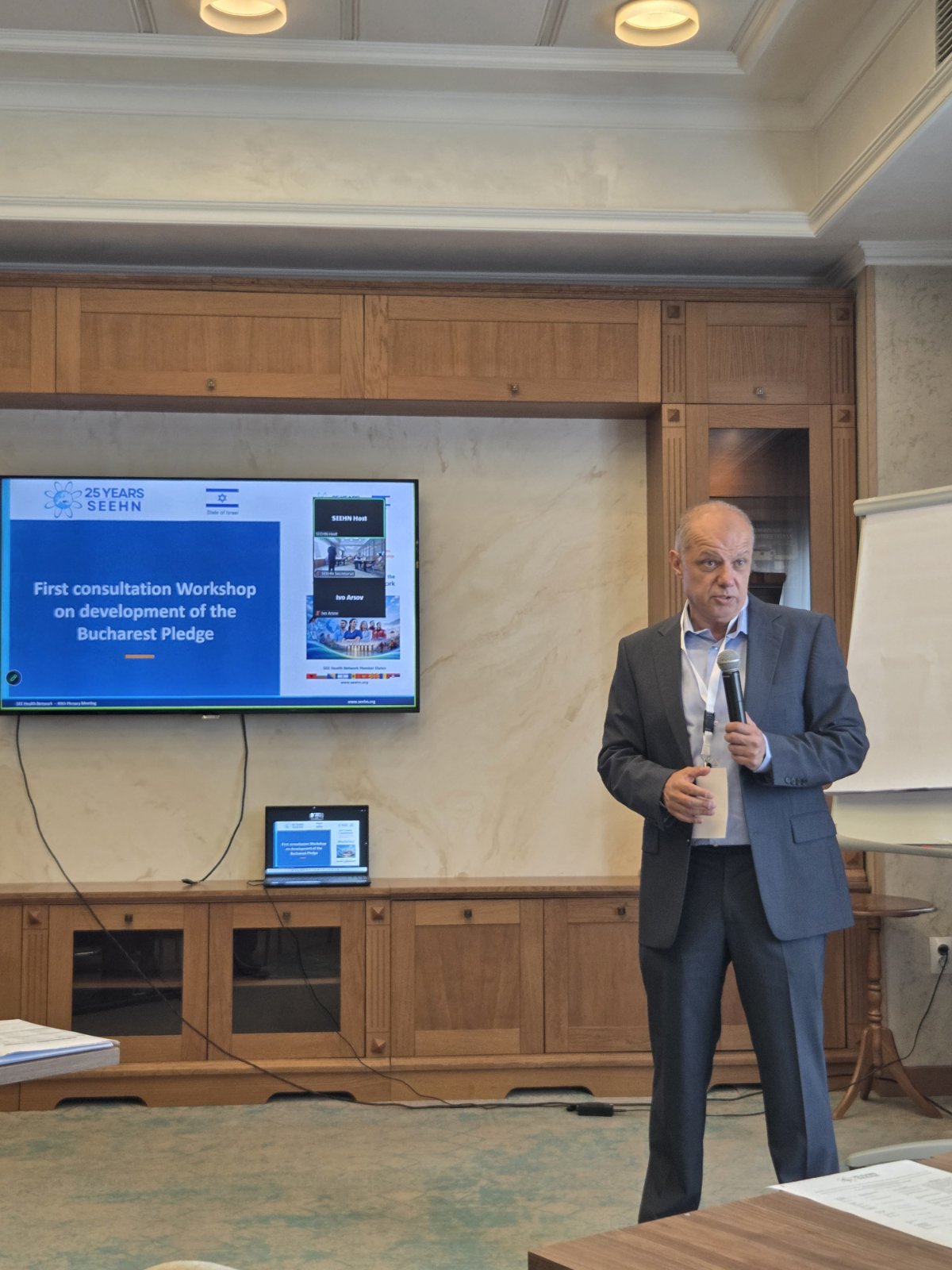
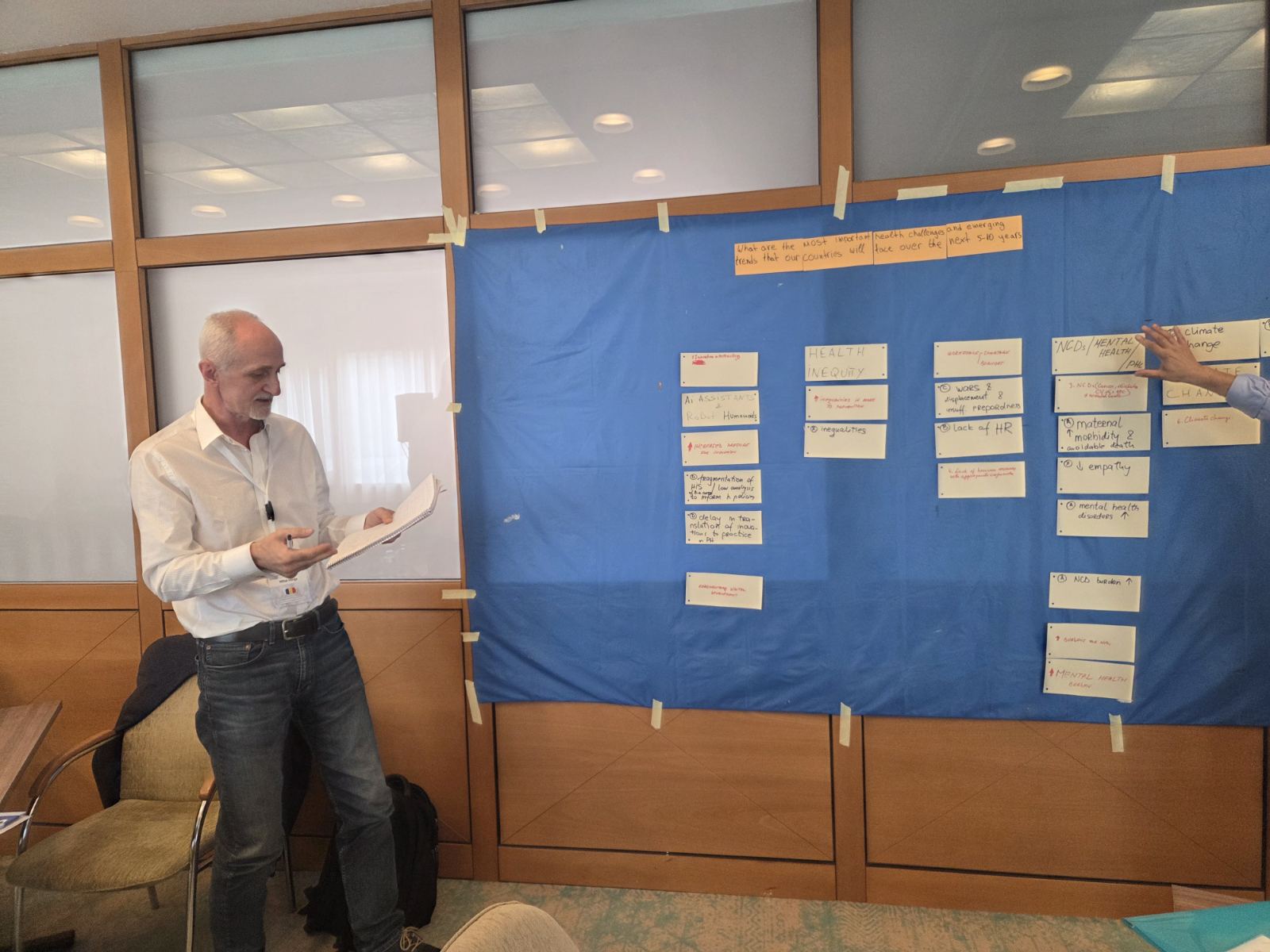
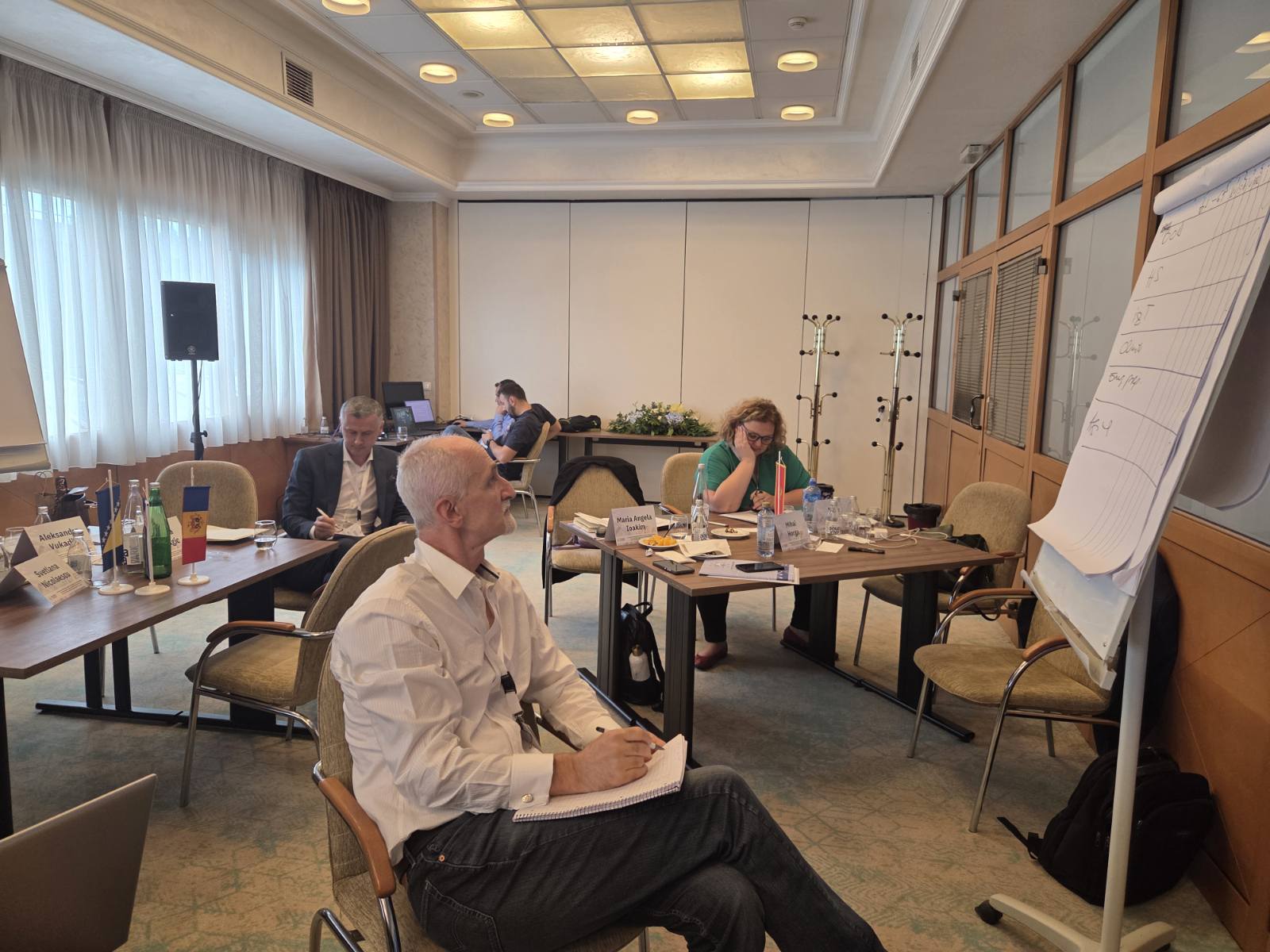
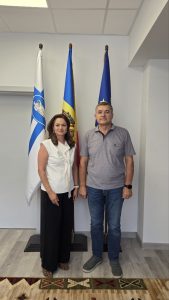
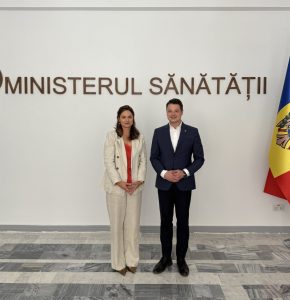
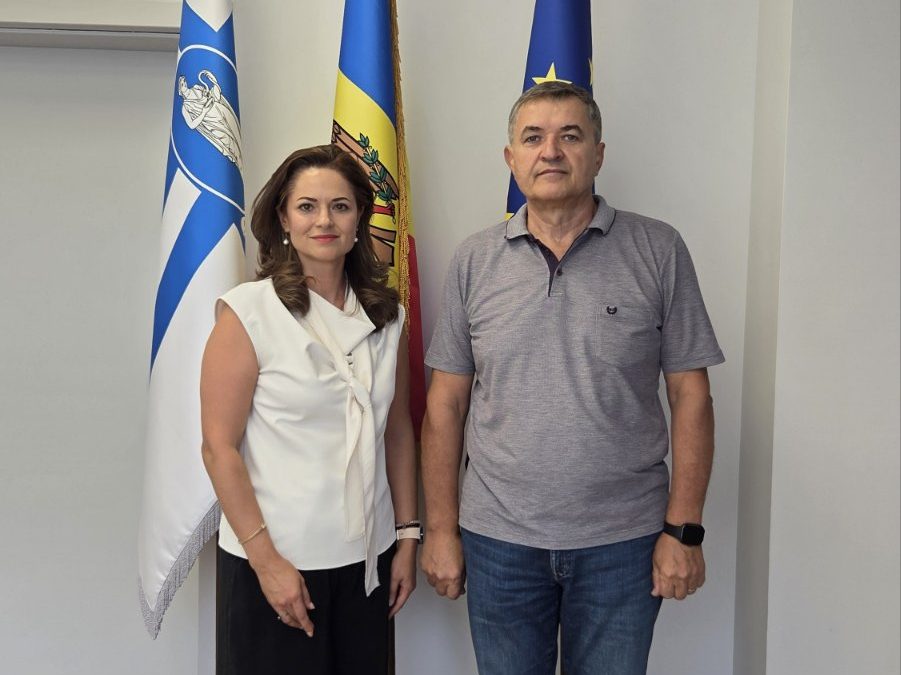
Skopje, 16 April 2026 — Dr Tatiana Paduraru, Head of the South-eastern Europe Health Network (SEEHN) Secretariat, held a meeting yesterday with H.E. Ambassador Adela Monica Axinte to discuss preparations for Romania’s upcoming SEEHN Presidency (26 July 2026 – 30 June 2027).
The discussions focused on key strategic priorities for the Presidency, including advancing primary health care (PHC), accelerating digital health transformation, strengthening the health workforce—with a particular emphasis on nursing leadership—and reinforcing governance and health system resilience across the region.
Both sides also explored opportunities to jointly mark the 25th anniversary of SEEHN, highlighting the Network’s longstanding contribution to regional cooperation, solidarity, and the advancement of public health in South-Eastern Europe.
The meeting reaffirmed the shared commitment to further strengthening collaboration and delivering impactful, forward-looking initiatives under Romania’s leadership.
7 April 2026 – World Health Day

7 April 2026 – World Health Day

On the occasion of World Health Day 2026, the South-Eastern Europe Health Network (SEEHN) joins the global community in supporting the World Health Organization (WHO) campaign under the theme “Together for health. Stand with science.”

This year’s campaign calls for a renewed global commitment to science, evidence-based policies, and multilateral cooperation as the foundation for protecting and improving health for all.

SEEHN fully aligns with WHO’s message that science is at the heart of solutions to today’s most pressing health challenges—from infectious diseases and antimicrobial resistance to environmental threats and health system resilience.

In a rapidly evolving global context, translating scientific knowledge into effective policies and practice is essential. Evidence-based decision-making ensures that health interventions are safe, effective, and equitable, while strengthening public trust in health institutions.

SEEHN reiterates that regional cooperation and knowledge-sharing are key enablers in turning evidence into action, particularly in South-Eastern Europe, where coordinated responses can significantly enhance preparedness and health outcomes.

In line with WHO’s call to “stand with science,” SEEHN emphasizes the growing importance of health literacy as a strategic priority and a critical tool against disinformation.

The spread of misinformation and disinformation—especially in the digital space—poses a serious threat to public health, undermining vaccination efforts, preventive care, and trust in health systems.

SEEHN calls for:

  • Strengthening population-wide health literacy
  • Investing in clear, accessible, and transparent communication
  • Empowering citizens to identify credible sources and make informed decisions
  • Supporting health professionals as trusted communicators of science

Building health-literate societies is not only a communication objective—it is a public health intervention in itself.

The 2026 campaign highlights the importance of transforming scientific evidence into public policy through strong institutions and international collaboration.

SEEHN underscores that evidence-based policies are essential for achieving equitable and resilient health systems and calls for further investment in data, research, and workforce capacity.

On World Health Day 2026, SEEHN calls on governments, institutions, professionals, and citizens to:

Stand with science. Invest in knowledge. Build trust. Act together for health.

Only through science-driven, evidence-based, and people-centered approaches can we ensure healthier societies and a more resilient future for all.

South-Eastern Europe Strengthens Regional One Health Cooperation to Address Avian Influenza Threats

South-Eastern Europe Strengthens Regional One Health Cooperation to Address Avian Influenza Threats

Vlora, Albania | 31 March – 1 April 2026

Health, veterinary, and environmental experts from across South-Eastern Europe convened in Vlora, Albania, for a high-level regional workshop on strengthening coordinated responses to avian influenza through a One Health approach. The event was organized by the Regional Health Development Centre (RHDC) on Communicable Diseases hosted by SECID, Albania, in collaboration with national authorities, and the United States Centers for Disease Control and Prevention (US CDC). The South-eastern Europe Health Network (SEEHN) Director had the honor to contribute to the event.

The workshop addressed an increasingly urgent regional priority: the need for harmonized data systems, shared surveillance standards, and clearly defined response triggers to effectively manage zoonotic threats such as avian influenza. As highlighted during the opening by Dr Tatiana Paduraru, Head of the SEEHN Secretariat, the region’s geographic position along major migratory routes places it at the centre of emerging cross-border health risks, requiring a coordinated and proactive response.

Over two days of intensive technical work, participants from SEEHN Member States engaged in joint analysis, simulations, and working groups to:

  • Define minimum datasets and interoperable data standards for cross-sectoral surveillance
  • Establish common triggers for outbreak investigation and response
  • Develop coordinated One Health action frameworks across human, animal, and environmental sectors
  • Explore the use of innovative digital tools, genomics, and surveillance technologies

The outcomes of the workshop are expected to contribute to the development of a regional operational framework for coordinated public health action, reinforcing preparedness and response capacities across South-Eastern Europe.

Regional Action and Next Steps

Building on the results of this workshop, SEEHN, through its Regional Health Development Centre (RHDC) on Communicable Diseases (SECID), will facilitate a series of follow-up regional actions, including:

  • Development of a regional consensus framework on One Health data standards and response triggers
  • Establishment of a regional technical working group on zoonotic surveillance and data interoperability
  • Support for capacity-building initiatives targeting national public health, veterinary, and environmental authorities
  • Promotion of cross-border simulation exercises to test coordinated outbreak responses
  • Exploration of digital solutions and shared platforms to strengthen real-time data exchange
  • Contribution to the development of a sustainable regional One Health coordination mechanism

These actions aim to ensure that the SEE region moves from fragmented approaches to coordinated, evidence-based and timely responses, strengthening health security and protecting populations.

The SEEHN Secretariat reaffirmed its commitment to supporting Member States in advancing this agenda, fostering regional solidarity, and aligning efforts with broader European and global health frameworks.