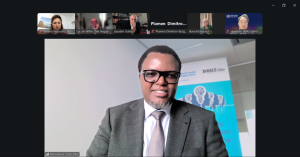
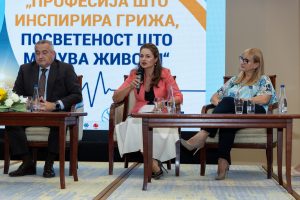
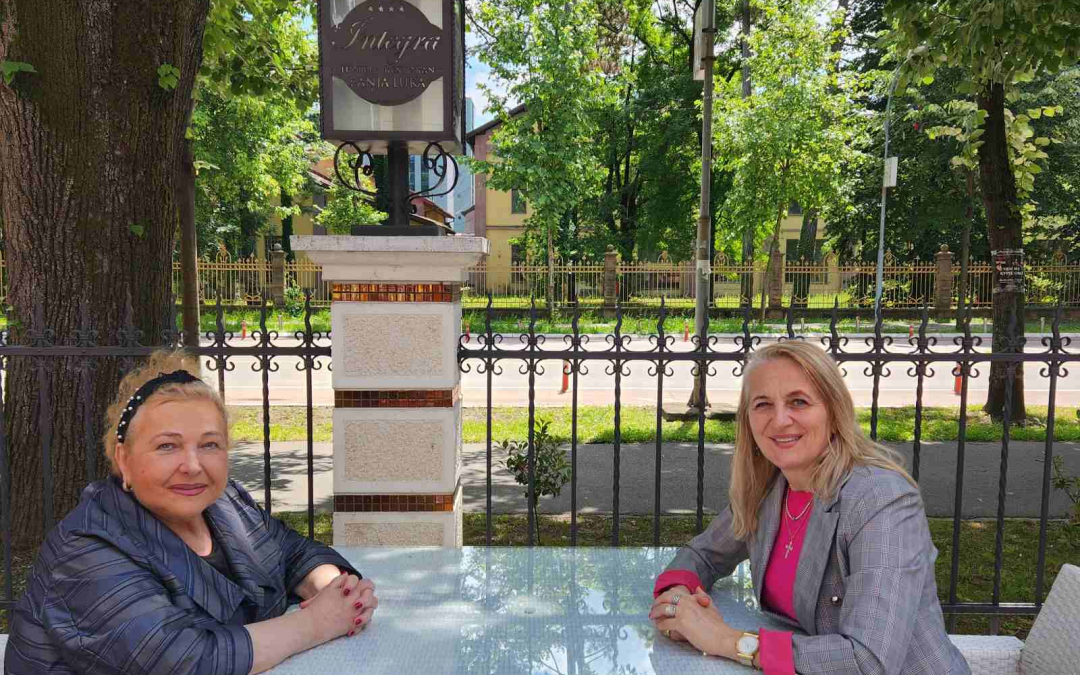
#SEEHN Secretariat Director Dr Mira Jovanovski Dasic had again the pleasure to meet, after two years, with Director of the Primary Health Care Centre Banja Luka, Republic of Srpska, Bosnia and Herzegovina, Dr Nevena Todorovic.
They discussed the outcome of the thematic meeting dedicated to the SECURE FUTURE OF THE HEALTHCARE WORKFORCE AND THE PROVISION OF HIGH-QUALITY HEALTH CARE: NURSING AND MIDWIFERY CHALLENGES AND NEXT STEPS that took place on the 22 and 23 May and the forthcoming Symposium „Prevention is the foundation for health” https://www.youtube.com/watch?v=6U-W9yKA1uk 24 and 25 May.
The importance of the #PHC strengthening, the reform #regional cooperation, the role of SEEHN and the forthcoming # SEEHN activities and expected results were also tackled.
The South Eastern Europe Health Network (SEEHN) joins the global community to celebrate the European Immunization Week (EIW) 2024, highlighting the critical importance of vaccination in protecting public health.
As the European region celebrates the 50th anniversary of the Expanded Program on Immunization (EPI), SEEHN recognizes the essential step made in protecting populations from vaccine-preventable diseases over the past half century.
The European Immunization Week serves as an important reminder of the life-saving impact of immunization and the need to achieve high and equitable vaccination coverage in all communities.
Guided by EPI principles, SEEHN reaffirms its commitment to support Member States and regional efforts in implementing robust immunization programs and ensuring access to vaccines for all.
Given the ongoing challenges of misinformation and vaccine hesitancy, SEEHN emphasizes the importance of combating misinformation and promoting accurate, science-based information about vaccines.
Through collaborative efforts with government bodies, health professionals and community stakeholders, SEEHN calls for sustained partnerships to combat misinformation and build confidence in vaccination as a cornerstone of public health.
SEEHN recognizes the invaluable role in promoting vaccination and looks forward to engaging with partners to promote a culture of vaccine acceptance and uptake.
As the global community celebrates World Health Day on April 7, the South Eastern Europe Health Network (SEEHN) reaffirms its solidarity with worldwide endeavours to ensure universal healthcare access.
World Health Day marks the establishment of the World Health Organization (WHO) and serves as a symbol to raise awareness about pressing health issues and mobilize action to tackle them.
This year’s focus is on advocating for the right to health as enshrined in the Universal Declaration of Human Rights, emphasizing the importance of ensuring the availability, accessibility, acceptability, and quality of health services for everyone, everywhere.
Under the slogan of “My Health, My Right; Make the Right to Health a Reality for All,” SEEHN underscores its dedication to advancing health equity and upholding the fundamental right to health for individuals throughout the region. These words encapsulate the essence of our mission: ensuring that every person, regardless of their background or circumstances, has access to the highest standard of health care.
Today, amid multifaceted global challenges, from pandemics to environmental crises, realizing this fundamental right assumes even greater significance. We are confronted with the stark reality where health inequalities persist, where millions suffer needlessly due to lack of access to essential services. We must recognize our shared responsibility in addressing these disparities and strive towards creating a future where health is truly a universal human right.
Realizing the right to health requires concerted efforts across all sectors and levels of society. Investments in health must be viewed as investments in our collective well-being, and adequate funding must be allocated to expand primary healthcare services.
Healthcare workers play a crucial role in realizing the right to health, embodying principles of person-centred care and inclusivity. By dispelling myths and prejudices and addressing the specific needs of vulnerable populations, they serve as compassion and empathy in our healthcare systems.
Individuals also have a pivotal role in advocating for health as a priority, asserting their rights to access quality care and making informed choices that promote their well-being. By adopting healthier lifestyles and advocating for sustainable practices, we can build healthier communities and a brighter future for future generations.
On World Health Day, SEEHN calls upon governments, policymakers, healthcare professionals, civil society organizations, and individuals across the South Eastern Europe region to unite to advance the right to health and achieve universal health coverage. By prioritizing health equity, investing in robust health systems, and fostering collaboration, we can support a healthier, more resilient future for all.
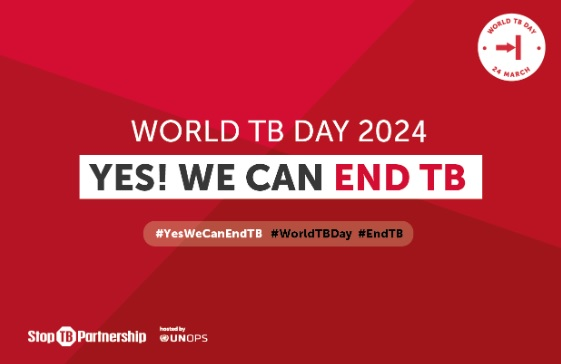
As the global community observes World Tuberculosis (TB) Day on March 24, 2024, attention is once again focused towards combating this persistent threat, a global health emergency claiming the lives of over 1.4 million individuals each year.
Under the theme “Yes! We can end TB” World Tuberculosis Day serves as a unifying call to action against one of world’s deadliest diseases. Despite progress in the fight against TB, recent years have witnessed a concerning rise in drug-resistant strains, posing new challenges to global health efforts.
Worldwide, TB is the second leading infectious killer after COVID-19 (above HIV and AIDS). In 2022, an estimated 10.6 million people fell ill with tuberculosis (TB) worldwide, including 5.8 million men, 3.5 million women and 1.3 million children. TB is present in all countries and age groups. The highest MDR rates are found in countries of Eastern Europe and central Asia, where MDR strains threaten to become as common as pan-susceptible strains. In some countries, MDR strains account for up to 20% of new TB cases and well over 50% of patients with a history of previous TB treatment. Multidrug-resistant TB (MDR-TB) remains a public health crisis and a health security threat. Only about 2 in 5 people with drug resistant TB accessed treatment in 2022. Ending the TB epidemic by 2030 is among the health targets of the United Nations Sustainable Development Goals (SDGs).
While Europe generally experiences a low incidence of TB, the South Eastern European Health Network (SEEHN) remains steadfast in its commitment to supporting member states in South Eastern Europe, where TB rates remain notably high. In some areas, the prevalence of drug-resistant strains adds further complexity to the situation.
World TB Day serves as an important reminder that sustained, collaborative, and multi-sectoral efforts are imperative to eradicate TB. SEEHN reaffirms its dedication to working hand in hand with member states and partners to comprehensively address TB, with the ultimate aim of curbing the escalation in TB incidence and creating a region free from the burden of tuberculosis.
As part of World TB Day initiatives, SEEHN urges active participation from its member states in various endeavors aimed at raising awareness, advocating for increased investment, and mobilizing support for TB prevention, treatment, and care. While prevention remains paramount, SEEHN also advocates for heightened investment in research and treatment, while expressing solidarity with those impacted by the disease.
These initiatives are directed towards fortifying health systems, enhancing access to quality services, and tackling the social determinants of health contributing to TB transmission.
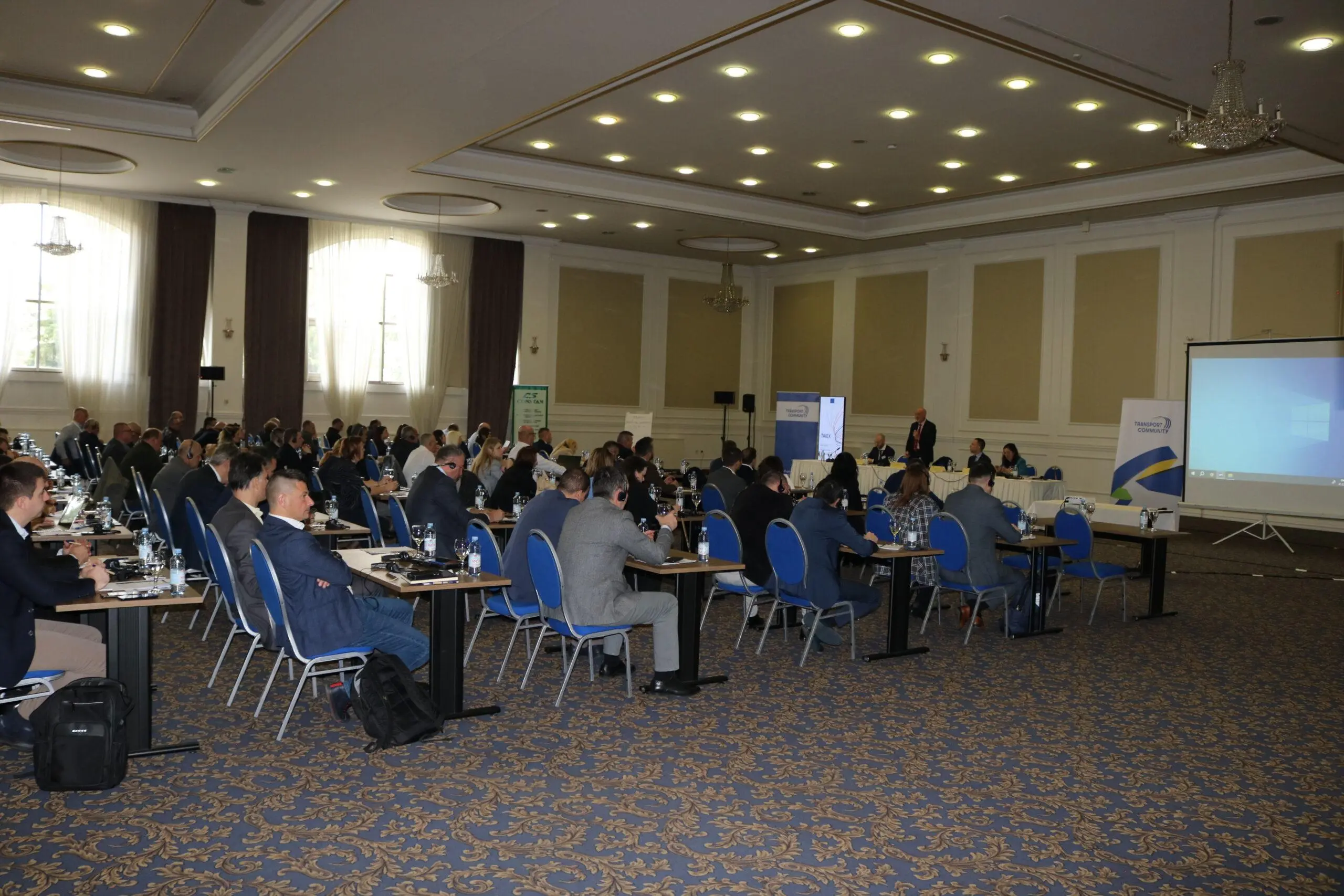
SKOPJE – The Transport Community Permanent Secretariat (TCT Secretariat), together with the European Commission, organises the TAIEX (Technical Assistance and Information Exchange) Regional Workshop on 112 and e-Call, on 21 and 22 February in Skopje, North Macedonia. This workshop fosters closer integration of emergency and communication services in the Western Balkans six and Observing Participants view to further integration with the European Union transport market and build up of the common regional market.
In alignment with the decisions of the Regional Steering Committee, the Commission’s services offered full support of advancing the implementation of the unique emergency number, 112, in the Western Balkans. This initiative builds upon previous projects in Montenegro and Albania, focusing on enhancing preparedness for accidents involving transport of dangerous goods.
The workshop aims to facilitate cross-disciplinary collaboration, particularly with firefighters and emergency responders, emphasising the importance of cooperation across different administrative levels.
112 and e-Call systems play a key role in expediting emergency response not only in transport-related incidents but also in natural disasters and criminal activities, thereby constituting a vital investment in public safety.
The TCT Secretariat extends its sincere appreciation to the experts from EU Member States and international organisations for sharing their insights at this workshop. Dr. Fotios Fitsilis from the Hellenic Parliament, Mr. Juha Suominen from the Emergency Response Agency 112 in Finland, Mr. Rafał Matuszkiewicz from the Fire University in Poland, and Andrej Fink from the University Medical Centre Ljubljana, Slovenia, will offer their expertise on various aspects of emergency response.
Acknowledging the significance of international cooperation, we are grateful for the contributions of Dr. Mira Jovanovski Dašić from the South Eastern Europe Health Network and Ms. Cristina Lumbreras from the European Emergency Number Association.
We express heartfelt gratitude to Ms. Adrienn Kiraly, Director of Directorate Neighbourhood East and Institution Building, European Commission, and Mr. David Geer, Ambassador representing the Delegation of the European Union to North Macedonia, for their support.
With this TAIEX Regional Workshop on 112 and e-Call, we aspire to delineate a comprehensive “to-do list” at the TCT level and for each Regional Partner and Observing Participant, fostering a safer future for all.
Accessibility of 112 services, alike those in the EU, should be within reach for citizens of the Western Balkans, too. We extend our gratitude to all 100 experts from the Regional Partners, Observing Participants, and EU Member States for their dedication to this cause, as well as our colleagues from North Macedonia for their invaluable assistance in organising this event.
An interview with Dr Mira Jovanovski Dasic, Head of the South-eastern Europe Health Network(SEEHN)Secretariat
What role can EU health policies play in strengthening the ties between countries in the SEE and the EU?
EU health policies can play a multifaceted role in strengthening the ties between South-Eastern European (SEE) countries and the European Union (EU).
Firstly, these policies can establish a framework for harmonising healthcare standards and regulations across SEE countries, bringing them into closer alignment with EU standards. This not only improves the quality and safety of healthcare services but also facilitates cross-border healthcare access for citizens.
Secondly, EU health policies can act as a catalyst for knowledge exchange and the sharing of best practices. Initiatives such as collaborative research projects and information sharing enable SEE countries to gain insights from the experiences of EU Member States in healthcare management, disease prevention, and public health strategies. This exchange of knowledge can lead to more effective healthcare systems and policies in SEE. We are actively fostering this collaboration with Romania and Bulgaria, both members of the SEEHN. These countries, along with others, aspire to join the EU family in near future.
Thirdly, EU health policies for the SEE region often prioritise health security and preparedness for public health emergencies. Collaborative efforts on issues such as pandemic preparedness, vaccine distribution, and healthcare infrastructure development empower SEE countries to strengthen their collective response to health crises. This collaboration not only enhances healthcare resilience but also fosters a sense of solidarity and mutual support among countries in the region.
In summary, EU health policies offer SEE countries a framework to align their healthcare systems with EU standards, promote knowledge exchange and best practices, and enhance collective health security. These efforts can foster closer ties between SEE countries and the EU, promoting regional integration and cooperation across healthcare and beyond.
Why is a network such as the SEEHN important in supporting countries to improve the health and resilience of their populations?
The SEEHN plays a crucial role in supporting Member States to improve the health and resilience of their populations in several ways:
Knowledge exchange and sharing best practices: The SEEHN provides a platform for member countries to share their experiences, successes, and challenges in areas such as mental health and vaccine inequalities. This exchange of knowledge allows Member States to learn from each other’s strategies and best practices, accelerating the adoption of effective health promotion and disease prevention measures.
Resource mobilisation: The SEEHN can facilitate the pooling of resources, expertise, and funding opportunities. This collaborative approach can help member countries access resources they might not have individually, enabling them to implement more comprehensive and sustainable health programmes.
Advocacy and policy development: The SEEHN often engages in collective advocacy efforts to promote policies and initiatives that address common health issues. This united front enables Member States to influence regional and international bodies for improved policies and resources in health promotion and disease prevention.
Technical assistance and capacity building: The SEEHN offers technical assistance and capacity-building programmes, assisting member countries to strengthen their healthcare systems, workforce, and infrastructure. This support is essential for implementing effective health promotion and prevention strategies.
Data sharing and monitoring: The SEEHN facilitates data sharing and joint monitoring of health indicators, enabling Member States to track progress, identify disparities, and continuously adjust strategies to improve health outcomes.
Crisis preparedness and response: The SEEHN enhances collective resilience by coordinating preparedness and response efforts during health crises, including pandemics.
Cross-border collaboration: In the context of the SEEHN, which includes countries in SEE, cross-border collaboration is particularly important. The SEEHN fosters regional cooperation, vital for addressing health challenges that transcend national borders, such as infectious diseases and environmental health issues.
In conclusion, networks like the SEEHN play a vital role in supporting countries to improve the health and resilience of their populations by facilitating knowledge exchange, resource mobilisation, advocacy, technical assistance, and data sharing. Beyond addressing health challenges, the SEEHN serves as a peacebuilding platform at heart, promoting cross-country collaborations in a region still recovering from past conflicts.
Could you give an example of a project or programme supported or promoted by the SEEHN or one of your members that has advanced mental health and/or vaccine uptake in the population?
The SEEHN has set up a Regional Health Development Centre (RHDC) on mental health, hosted by Bosnia and Herzegovina. Mental health is a top priority for Bosnia and Herzegovina, the current rotating presidency of the network.
In response to mental health challenges during the pandemic, the SEEHN implemented the “Mental Health and Resilience Training for Healthcare Workers responding to COVID-19 in SEE Region”, funded by Project HOPE. Approximately 8000 healthcare workers were trained on stress, trauma, and resilience concepts, providing a regional emergency response to combat healthcare worker burnout.
Additionally, the SEEHN conducted a study “Rapid Mapping Out of the Current Situation in the Area of Mental Health in the SEE Region 2000-2022: Towards Better Mental Health and Well-Being”. The study revealed:
SEE countries are home to almost 70 million people.
They face multifaceted challenges, including demographic decline, economic disparities, reliance on limited financing sources, and gaps in mental healthcare provision.
Developments over the past 20 years have focused on community-based practices, accreditation, standardisation of legislation and practices, and greater involvement of service users.
Future efforts should prioritise investments in capacity building, ensure quality assurance and monitoring, improve routine data collection, and harmonise legislation with international standards.
In the short-term, the SEEHN has also developed flyers for healthcare workers translated into Albanian, Macedonian, and English.
Regarding vaccine uptake, through our RHDC on Communicable Diseases, hosted by Albania, the SEEHN, has worked to enhance vaccination rates and improve accessibility and availability of vaccines for the SEEHN Member States markets. During the COVID-19 period, the SEEHN Secretariat, in collaboration with our RHDC, conducted webinars to promote vaccination and improve vaccination rates. Moreover, the SEEHN, Project HOPE, and the Center for Human Rights and Humanitarian Studies at the Watson Institute of Brown University, organised the COVID-19 vaccine-training programme for frontline responders in 2021. The training gathered over 150 frontline workers from the SEEHN Member States, providing a platform to discuss the latest science behind different, concerns and answers, vaccine rollout communications, prioritisation systems, and country specific guidelines. The training was expanded to reach over 1200 participants in the respective SEEHN Member States.
If you had unlimited funding to address one priority of your network, what would you choose to invest in and why?
One important area that could significantly benefit from increased funding is human capital, specifically in capacity building and the healthcare infrastructure to support it. This would involve investing in health workforce, strengthening it through training, recruitment, and retention of healthcare professionals, such as doctors, nurses, technicians, and other essential staff. Adequate staffing is critical for providing quality care and addressing shortages in healthcare.
Interview conducted by Anne-Sophie Travert, Global Health Policy Advisor, French Ministry for Europe and Foreign Affairs, and Lina Papartyte, Project Coordinator, EuroHealthNet, at the European Health Forum Gastein (EHFG) 2023.
WESTERN BALKANS – 11 February marks European 112 Day, a day dedicated to raising awareness about the European emergency number 112 and recognising the crucial work of emergency services personnel across Europe. As we commemorate this important day, the Transport Community Permanent Secretariat joins institutions, communities, and organisations across the continent in highlighting the significance of prompt and efficient emergency response.
Whether it is medical emergencies, accidents, natural disasters, or any other unforeseen event requiring immediate attention, 112 ensures that help is just a phone call away. The emergency services personnel’s commitment and resilience in the face of adversity are truly commendable, and we extend our deepest gratitude for their invaluable service.
In addition to recognising the efforts of emergency responders, European 112 Day serves as a reminder to the public about the importance of knowing and utilising the 112 number responsibly.
Mental health is a significant concern at the European level. While there are funding opportunities, there are also persistent inequalities between countries. How can these disparities be tackled? Mental health is indeed a pressing public health concern in Europe. Despite promising funding opportunities, we must recognize disparities among regions and countries. To tackle these issues, a collective and strategic approach is essential. First and foremost, we must acknowledge and understand the unique challenges faced by each area. More than a one-size fit all, a tailored approach is required. We must dwelve into the root causes, ranging from cultural to economic factors. Collaboration is key. European countries must share best practices, resources and expertise. By establishing a network of collaboration, we can leverage each nation’s strengths to uplift those facing greater challenges. This sense of solidarity will promote collective responsibility for the mental well-being of all European citizens. Moreover, targeted funding mechanisms are crucial. We must design grants, subsidies, and incentives tailored explicitly to regions and populations experiencing the most significant mental health disparities. Lastly, we must address stigma through robust educational campaigns. Promoting awareness and understanding will create an environment where seeking help is accepted and encouraged.
Moving on to South-Eastern Europe, what are the characteristics of the mental health systems in this region, and how can their needs be addressed? The South-Eastern Europe Health Network (SEEHN) is a political and institutional forum set up by the governments of Albania, Bosnia and Herzegovina, Bulgaria, Montenegro, Moldova, Romania, Serbia and North Macedonia to promote peace, reconciliation and health in the region. In 2011, Israel became the 9th member state of the Network. The Network covers a region with a population of nearly 60 million in 2020. Excluding Israel, these countries witnessed a significant demographic decline of 6.3 million people (11.1%) from 2000 to 2020. The economic context is characterized by disparities between GDP growth and declining populations, suggesting complex factors like migration and an ageing population. This economic context is crucial as mental health is closely linked to socioeconomic conditions. Mental health in the region faces challenges such as a higher stigma of mental illness, lack of systematic implementation of mental health policies, and non-transparent decision-making on resource allocation. SEEHN conducted a comprehensive study from 2000 to 2020 to address these needs. The results revealed disparities in mental health policies, quality assurance, financing, and workforce across SEE countries. While progress has been made, there’s room for improvement. For example, our analysis found that mental health policies and legislation exist in most countries, but there are opportunities for enhancement, particularly concerning national suicide prevention programs. Future efforts should focus on capacity building, quality assurance, harmonizing legislation with international standards, and fostering inter-sectoral cooperation. These strategies are crucial for effectively addressing the mental health needs of the populations in these countries.
What would be the essential principles of a European Strategy for mental health? The recent initiative launched by the Commission of the European Union serves as an excellent example from which we can derive a sub-regional tailored strategy. This initiative prioritizes mental health equally with physical health through 20 flagship initiatives and EU funding of 1.23 billion EUR. The guiding principles are adequate and effective prevention, access to high-quality and affordable mental health care, and reintegration into society after recovery. Adequate and effective prevention involves promoting good mental health through comprehensive initiatives such as a European initiative to prevent depression and suicide, a European Code for Mental Health, and the strengthening of brain health research. Access to high-quality and affordable mental health care requires significant investment in training and capacity-building, ensuring mental health is integrated into all policies, and improving access to treatment and care. Reintegration into society after recovery involves protecting vulnerable groups, especially children and young people, and leading by example internationally by raising awareness and providing quality mental health support in humanitarian emergencies. This comprehensive approach addresses mental health in all policies to recognize multiple risk factors affecting mental health. Concrete actions will cover a wide range of guidelines and include efforts to promote good mental health, invest in training and capacity-building, ensure good mental health in the workplace, protect children and young people, address vulnerable groups, and lead by example internationally in mental health support during humanitarian emergencies.
AWARENESS AND EDUCATION
How could civil society be involved in preventing, combating, and managing mental health problems? Civil society plays a crucial role in creating a supportive environment to address mental health challenges. Through awareness campaigns, educational initiatives, and advocacy, civil society can contribute significantly to breaking the stigma associated with mental health issues. Civil society organizations can collaborate with healthcare professionals and policymakers to create accessible and inclusive mental health services. Promoting mental health literacy, providing resources for early intervention, and establishing support networks empower individuals and communities to address mental health challenges proactively. Civil society’s engagement in policy advocacy ensures mental health remains a priority on the public agenda. By actively participating in developing and implementing mental health policies, civil society organizations can contribute valuable perspectives that consider the needs and concerns of diverse communities. Additionally, fostering partnerships between civil society organizations and health professionals can lead to innovative community-based programs that address mental health challenges at the grassroots level.
Are there examples of national good practices that could be translated to the South-Eastern European region? For more than 20 years the South-Eastern Europe Health Network (SEEHN) has been a key player in the mental health development in the region. Instruments like the Dubrovnik Pledge focused on strengthening social cohesion and mental health. The SEE ministries of health committed their governments to reform the old psychiatric hospital system as an essential component of their overall health system reform process. New community mental health centres were established to help people with mental health problems live better lives. A dedicated Regional Health Center for mental health was also established in Bosnia and Herzegovina to accelerate change in the region. A critical mass of experts is now playing a crucial driving role in the mental health field and reform process.
The South Eastern Europe Health Network (SEEHN) Member States and partner countries representatives gathered in Trieste to gain a first-hand experience in developing community mental health services and occupational health through integration practices.
In her opening address Dr Dasic director of the SEEHN Secretariat highlighted that the SEEHN Secretariat has been working very hard in the past year to be able to deliver as many activities as possible beneficial to its member states. One of them was to arrange a study visit on mental health to Trieste for mental health experts from South Eastern Europe. .
Under the leadership of Dr Dasic, the SEEHN Secretariat organized this study visit, as the Trieste model is acknowledged academically in the world. It was a multi-stakeholder partnership between the SEEHN Secretariat, the Central European Initiative, and the Secretariat of WHO Collaborating Center for Research and Training in Mental Health, Trieste, Italy.
The mental health experts engaged into vivid discussions about the challenges, progress, and policies that shape mental health services in the SEE region versus the Trieste history and progress up to today’s success.
The specific objective of this project was to strengthen the capacities of the experts and decision-making level in SEEHN Member States by acknowledging the best practices in community mental healthcare and by drawing applicable models to the specific SEE Region in the local and community prospective.
As the mental health is a vital aspect of our overall well-being, the South Eastern Europe Health Network remains committed to supporting countries in this transformative process. Bosnia and Herzegovina, regionally being the champion for the last two decades in the mental health reforms, remains devoted to lead it while holding the SEEHN Presidency.
The European Directorate for the Quality of Medicines & HealthCare (EDQM) has just published the results of a survey conducted in 2022 among states who are members of both the South-eastern Europe Health Network (SEEHN) and the Council of Europe. The main objective of this initiative was to assess the implementation of pharmaceutical care (PC) in daily practice, with special attention to the process and services described in Council of Europe Resolution CM/Res (2020) 3 on the implementation of pharmaceutical care for the benefit of patients and health services.
To summarise the results, awareness and implementation of PC and related services varies significantly in the region. Shortcomings are frequently due to the absence of regulations or healthcare policies, the lack of data on the proven benefit of PC, the lack of computerised systems and/or IT tools, and the lack of access to patient medical records. A full analysis of the results can be found in the survey report (link below). Wider dissemination of the resolution and broad promotion of the PC concept are needed in SEEHN member states.
Pharmaceutical care is a quality concept and a working method for health professionals involved in prescribing, dispensing and administering medicines. In short, it is the responsible provision of medicine therapy for the purpose of achieving definite outcomes that improve a patient’s quality of life. It involves a process of direct co-operation between pharmacists, other healthcare professionals and the patient to design, implement and monitor a therapeutic plan intended to achieve those outcomes by addressing the medication needs of patients in a comprehensive manner and using a patient-centred approach. Implementation of PC in the SEEHN member states will allow this approach to strengthen healthcare systems through more efficient interprofessional collaboration, leading to a more rational use of medicines and better health outcomes.
South Eastern Europe Health Network (SEEHN) Member States (ALB, BIH, ISR, BLG, MNE, MKD, MDA, ROU, SRB) in partnership with Ministry of Health of Slovenia, representatives of the Institute of Public Health, partner organizations as WHO Regional Office for Europe, CEI, OECD, European Commission, the Council of Europe, convened at a high level meeting, on 4 and 5 December 2023, in Brdo Congress Centre, Slovenia. The meeting is co-organized by the Ministry of Health of the Republic of Slovenia and the SEEHN, along with the National Institute of Public Health and the WHO Regional Office for Europe.
Health is a principal and widespread value in every society as well as a fundamental human right. As such, it must be safeguarded with particular attention and caution. Health systems are in the forefront to implement this task. Almost all healthcare systems are facing challenges related to the post pandemic period, climate changes – marked with catastrophic natural disasters worldwide and with the megatrend of the aging of the population.
The main objective of the high-level meeting is to present and discuss:
strengthening the healthcare systems within SEE and beyond, for more resilience and better preparedness for possible future shocks and crisis,
solutions for persistent health workforce shortages,
establishing or strengthening trust among the various stakeholders in our healthcare systems.
The participants at the event will additionally discuss the potential of digitalization in healthcare, the questions related to the uninterrupted access to medicines, as well as, issues concerning medicine supply chains, where the lessons learnt from the COVID-19 pandemic will be shared.
Over 50 participants’ health professionals from South East Europe Health Network (SEEHN) Member States, guests and EU experts, convened at a specialized workshop to compare, standardize, and enhance health data monitoring systems. The Multi-Country TAIEX Workshop on NCDs’ population based registries in the SEEHN Member States (Western Balkans and beyond), is organized during 29-30 November 2023, in Podgorica, Montenegro. The event aims to foster discussions on methodology, data quality control, and the establishment of registries. Participants will delve into the challenges and successes of SEEHN Member States both individually and as a regional network. EC is supporting the SEEHN Member States (ALB, BIH, MNE, MKD, MDA, SRB) along with guests form Kosovo* and Turkiye through the TAIEX Multi Country Workshop on NCDs’ population based registries, prepared in collaboration with IPH MNE and the SEEHN RHDC on NCDs hosted by Montenegro. Key themes of the workshop include the presentation of the current health data monitoring landscape in SEEHN Member States, sharing best practices from leading EU countries in developing and upgrading monitoring systems, particularly in the area of non-communicable diseases’ population-based registries. The agenda will also feature activities geared towards harmonizing monitoring systems across SEEHN Member States, aligning them with EU standards and fostering cohesion among the states. The workshop is anticipated to serve as a valuable platform for knowledge exchange, collaborative problem-solving, and the advancement of health data monitoring practices within the SEEHN region.
SEEHN Secretariat jointly with the SEEHN RHDC on Accreditation and Continuous Quality Improvement of Health Care (ACQIHC) organized the Round table on “Patients’ Rights – Tool for Long-Term Improvements on Safety and Quality in the Health Systems in the SEEHN Member States”. The event is taking place, today, 23 November in Belgrade. The event was addressed by Dr Mira Dasic, SEEHN Secretariat Director, Dr Danijela Urosevic, Assistant Minister, MoH SRB, SEEHN NHC, member of the ExCom, Mr Vladimir Arsenovic, Director of the Agency for Accreditation of HealthCare Institutions of Serbia (also Director of RHDC ACQIHC), the WHO representative in Serbia and Special Envoy of the Regional Director for the Western Balkans Dr Fabio Scano and Dr Maja Vuckovic-Krcmar, Programme Officer, Delegation of the European Union to Serbia. The main goal of the round table is to discuss multi-lateral interventions aimed to increase the highest possible quality of care in the SEE region. Another aspect is to learn the EU countries invaluable experiences in the realm of Patient Rights, particularly in cross-border healthcare. These two objectives are especially relevant to the focus and mandate of SEEHN facilitating inter-country and regional cooperation beyond borders. Every country faces challenges in implementing Patient Rights. This round table, featuring representatives from each SEEHN member state, presents a unique opportunity for an in-depth examination of Patient Rights implementation practices. It provides a platform for sharing experiences among participating countries, where each nation can acknowledge its strengths and weaknesses in relation to Patient Rights.
For the last two decades, the Southeast European (SEE) Member States have been working together on pandemic preparedness, influenza surveillance, and immunization. These efforts are led by SECID SEEHN RHDC on communicable diseases surveillance and control.
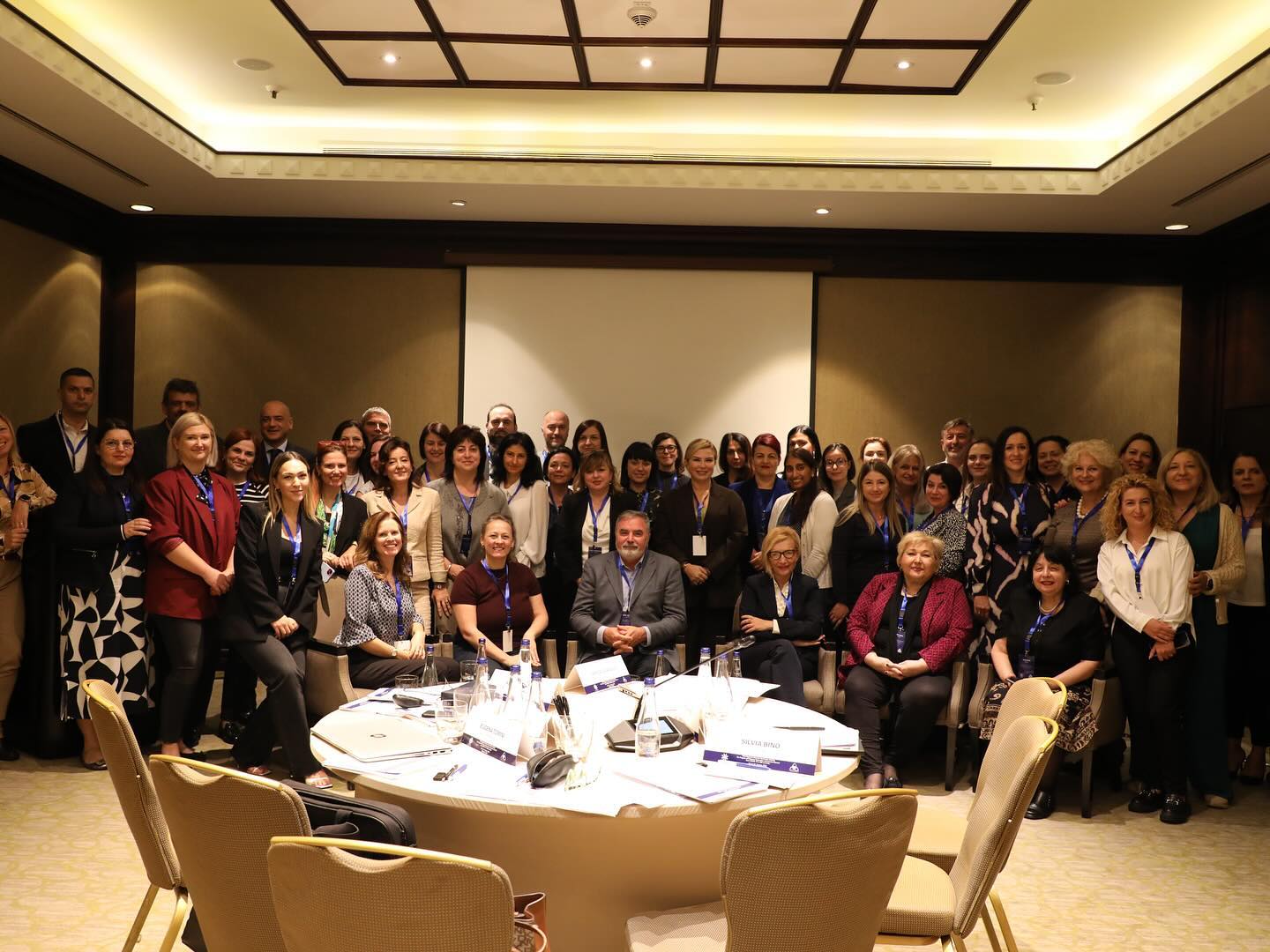
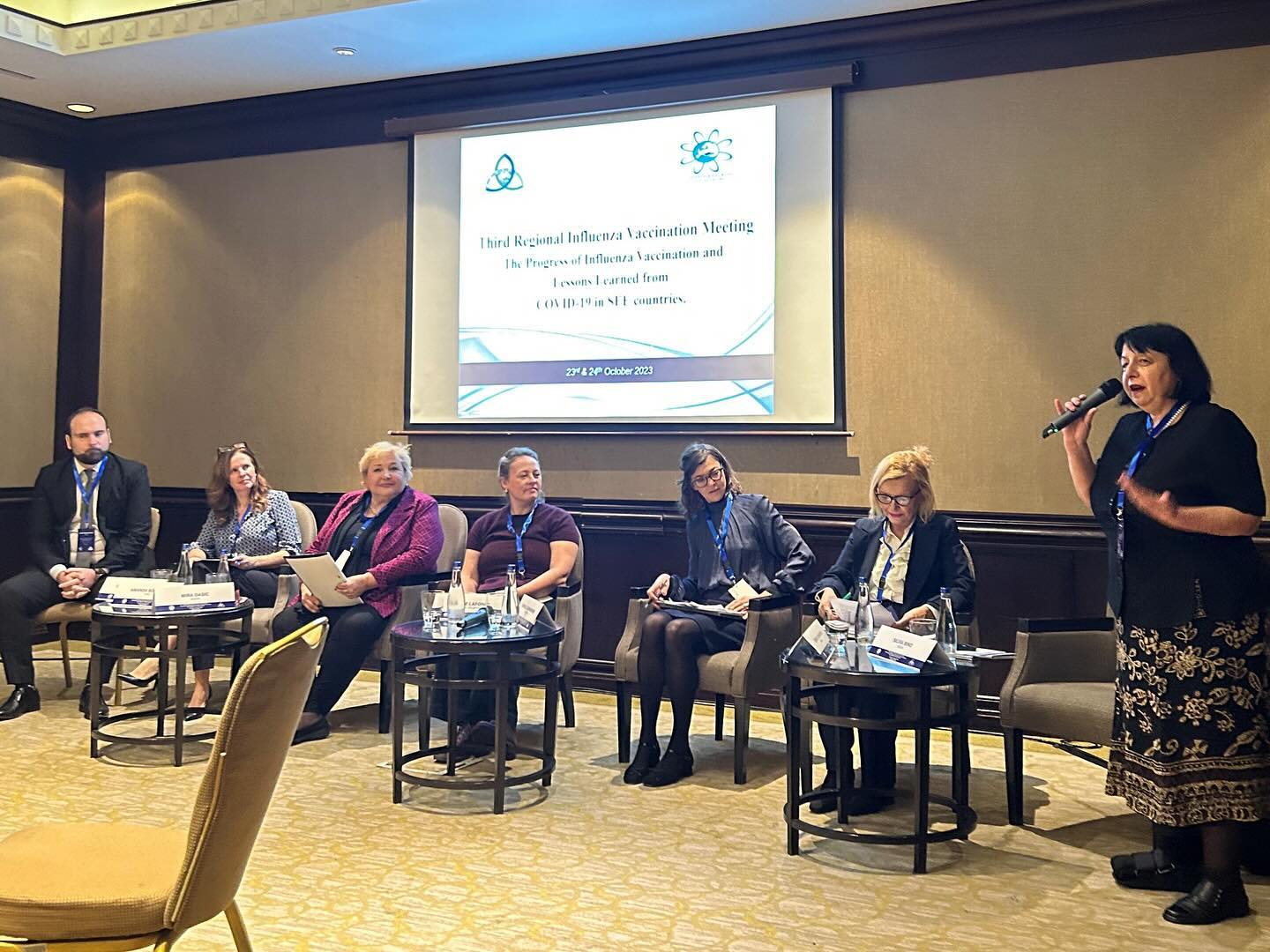
This Regional Influenza Vaccination Meeting was the third in a row. It was held in Belgrade, on 23-24 October 25, 2023. Its aim was to discuss programs implementation, identify the COVID-19 pandemic impact on influenza vaccination, challenges, possible solutions, recommendations.
Previous meetings back in 2017, and 2019, were focused on operational issues related to the implementation of seasonal influenza vaccination programs, to improve the current strategies, and to overcome challenges by looking into opportunities to ensure affordable prices by improving the process for procuring vaccines and cross-border cooperation.
The Meeting gathered participants from the SEEHN Member States and beyond, joined by representatives of the Task Force for Global Health, US CDC, WHO Europe, Balkan hub, the WHO office in Belgrade and RCC.
The main outcomes of the two days’ discussions are expected to:
▪ identify strategies to foster short-term influenza and COVID-19 vaccine program improvement and increase uptake especially among key target risk groups.
▪ Identify strategies for integration of influenza and COVID-19 vaccination and other immunization or program platforms following a whole life-course approach.
▪ Exchange country experiences and identify country and cross border actions to address possible gaps and challenges related to improve the access to influenza and COVID-19 or other epidemic or pandemic vaccines timely and with affordable prices and also to explore the possibilities for joint vaccine procurement in the SEE Region.
Finally, the Regional Influenza Vaccination Meeting proved the importance of joint work, harnessing regional particularities to strive for higher standards that will affect the livelihoods in the South Eastern Europe.
World Mental Health Day 2023serves as a platform for individuals and communities to observe together this important health day. This years theme is‘Mental health is an universal human right.’ The collective effort aims to enhance understanding, elevate consciousness, and spur initiatives that advance and safeguard the mental well-being of all, recognizing it as a fundamental human entitlement.
Currently,Bosnia and Herzegovina holds the SEE Health Network (SEEHN) presidency, and it focuses its primary efforts and expertise to promote mental health reforms, namely community mental health services, including the ones in post-conflict settings. Special attention is given to the healthcare workforce and its mental health, mainly after the pandemic in view of the pandemic impact and the permacrisis in the region..
The SEEHN is dedicated to its continued collaboration with other organizations in an effort to maintain mental health high on the policy makers agenda.
On September 26, 2023, the SEEHN Secretariat was proud to organize a highly successful Mental Health Session during the prestigious European Health Forum Gastein (EHFG) 2023 conference.
The session convened an esteemed assembly of experts, policymakers, and advocates, uniting to tackle critical mental health challenges prevalent in the South-eastern Europe (SEE) region.
The event was marked by profound discussions, exchange of invaluable insights, and the exploration of strategies aimed at fortifying mental health services across Europe.
Moreover, by the end of this year, a study tour, at the WHO Collaborative Center for Research and Training in Mental Health, to visit the community mental health services in Trieste is planned.
The SEEHN strongly urges its Member States to act, to safeguard the mental health of the medical personnel, and to increase the funding for the battle against the hidden mental illness burden. We all must continue to seek to deepen our European and South Eastern European commitment to mental health as a rights-based strategy.
On September 26, 2023, the South-eastern Europe Health Network (SEEHN) Secretariat was proud to organize a highly successful Mental Health Session during the prestigious European Health Forum Gastein (EHFG) 2023 conference.
The session convened an esteemed assembly of experts, policymakers, and advocates, uniting to tackle critical mental health challenges prevalent in the South-eastern Europe (SEE) region.
Broadcast globally via live-streaming, the event was marked by profound discussions, exchange of invaluable insights, and the exploration of strategies aimed at fortifying mental health services across Europe.
The session featured distinguished speakers who significantly enriched the discourse:
Prof Dr Hristo Hinkov, minister of health Bulgaria, emphasized the global, regional and national strategic frameworks to advance mental health.
Dr Nathalie Berger, Director for Support to Member State Reforms at the European Commission, and Dr Nikolina Jovanović, Associate Professor at Queen Mary University of London, provided succinct talks on pivotal elements necessary for the advancement of mental health services in South-Eastern Europe.
Dr Nicolae Jelamschi, representing the public sector, shared illuminating insights into the trends and the significance of mental health in the SEE region’s healthcare workforce, along with key priorities for improvement.
At the same time, the session benefited from the profound experiences of Dr Biljana Lakić and Dr Irina Rizvan, who offered insights into Bosnia and Herzegovina’s mental health sector.
The panel discussions and audience interaction were moderated by Dr Mira Jovanovski Dašić, Director of South-Eastern European Health Network (SEEHN) Secretariat. Additionally a Young Gasteiner, Ms Benedetta Baldini, provided support at the News Desk throughout the session.
Key Highlights and Outcomes:
Regional Comparative Study Findings: The session unveiled the findings of a comprehensive regional comparative study on mental health services in SEE, providing an all-encompassing overview of the current state of mental health services in the region.
National Experience Sharing: Attendees were privileged to gain profound insights into Bosnia and Herzegovina’s remarkable two-decade journey in post-conflict mental health reforms, with a focus on the importance of sharing such experiences to benefit other SEEHN Member States.
Prioritizing Healthcare Workers’ Mental Health: Best practices for addressing mental health issues among healthcare professionals took center stage. The session underscored the necessity of prioritizing the well-being and resilience of healthcare workers.
Empowering Civil Society: A significant portion of the session was dedicated to exploring the critical role of civil society in furnishing community-based mental health services and fostering inclusivity and support, emphasizing the significance of collaborative endeavors.
EU Support and Aspirations: Deliberations revolved around the European Union’s pivotal role in supporting mental health reforms in the SEE region, aligning harmoniously with the region’s aspirations for EU accession.
Engaged Audience: Active participation from both onsite and online attendees enriched the session, with thought-provoking questions and discussions spanning topics such as EU support for mental health, accessibility to mental healthcare services, trends in mental health for the healthcare workforce, and innovative approaches to mental health service delivery.
The session concluded with a comprehensive panel discussion that provided attendees with an opportunity to delve deeply into subjects encompassing current practices, effective implementation strategies, the scaling up of mental health services, and the fundamental prerequisites for successful mental health reforms.
SEEHN Secretariat extends its heartfelt appreciation to all the speakers, panelists, moderators, and participants whose invaluable contributions played a pivotal role in the resounding success of the Mental Health Session at EHFG 2023. The session reflected the unwavering dedication and commitment of individuals and organizations to advance mental health services and support the well-being of healthcare professionals in the SEE region.
The insights, knowledge, and recommendations generated during this session will undoubtedly have a lasting impact on mental health policies and practices in the SEE region.
SEEHN Secretariat remains steadfast in its commitment to advancing the cause of mental health and eagerly anticipates ongoing collaboration and progress in this pivotal area.
EuroHealthNet, in collaboration with the RIVER-EU project, hosted a dynamic session on vaccine hesitancy and its underlying factors on September 27, 2023, during the European Health Forum Gastein (EHFG) 2023 conference.
The event aimed to reveal the broader health determinants influencing vaccine choices and challenge the misconception that vaccine hesitancy is the sole driver of unequal vaccine coverage in Europe.
Dr. Mira Jovanovski Dašić, Head of the SEEHN Secretariat, with other prominent speakers Prof Danielle Jansen, Associate Professor at the University Medical Center Groningen, Dr Angelo Fasce, Research Fellow at the University of Coimbra, and Ms Caroline Bollars, Senior Advisor at WHO Europe, contributed to this exciting session. Ms Alison Maassen, Programme Manager at EuroHealthNet, moderated skilfully the discussion. Additionally a Young Gasteiner, Ms Lina Papartyte, provided support at the News Desk.
In a compelling address, Dr. Dašić highlighted the following key points:
Impact of Misinformation: Dr Dasic emphasized the detrimental effect of misinformation on vaccine hesitancy, particularly during the COVID-19 pandemic. SEEHN responded by promoting accurate information and debunking falsehoods.
SEEHN’s Role as a Peace-builder: Dr. Dasic discussed SEEHN’s genesis as a peace-building tool in post-conflict Balkan states. Health, as a human right, facilitated communication and collaboration among member states, even during distrust and limited resources. High vaccination rates were maintained due to mandatory schedules and trust in locally produced vaccines.
Evolution of Vaccine Discourse: Dr. Dasic noted the changing vaccine narrative from her experience supervising school vaccination programs between 1990 and 2000. Trust in healthcare workers, mandatory vaccination, and a lack of anti-vaccination groups contributed to high vaccination rates. Today, unified messaging from experts is essential for achieving adequate vaccine coverage.
This event fostered dialogue on vaccine uptake barriers and systemic changes for equitable vaccine services. The insights shared will further efforts to enhance vaccine coverage and public health across Europe.
On the occasion of World Patient Safety Day 2023, 17 September 2023
The South-eastern Europe Health Network (SEEHN) and the SEEHN Regional Health Development Center (RHDC) on Accreditation and Continuous Quality Improvement of Health Care (ACQI), representing the one voice of the 10 (ten)Focal Points for ACQI1 from the 9 (nine) SEEHN member states – the Republic of Albania, Bosnia and Herzegovina, Bulgaria, the State of Israel, Republic of Moldova, Montenegro, the Republic of North Macedonia, Romania and the Republic of Serbia, call for integrated, coordinated and forward-looking regional efforts and actions in the field of empowerment of Patient Safetyand in line with WHO launched a flagship initiative: The Decade of Patient Safety 2020-2030
Taking into account the Resolution 72.6 of the World Health Organization (WHA72.6) and the Global Patient Safety Action Plan of the World Health Organization 2021-2030 (Global Patient Safety Action Plan 2021-2030), SEEHN member states will strive to achieve the above Joint Commitment through seven actions.
First: Strengthening SEEHN cooperation and joint initiatives in order to maximize regional capacities for patient safety improvement.
Second: Raising awareness on safety of clinical processes, like: clinical procedures, medication without harm, infection prevention, control and antimicrobial resistance, safety of medical devices, medicines, blood and vaccines.
Third: Raising awareness among healthcare professionals and general public about the importance of patient safety issues in the provision of health care.
Fourth: Strengthening the role of patients and their families, as well as patients` associations in developing and implementing patient safety policies and measuring the improvement of providing safe healthcare.
Fifth: Prioritizing the issue of patient safety in the creation of health policies and in the entire institutional framework of our health systems.
Sixth: Strengthening existing mechanisms and establishing new mechanisms for recording, collecting, reporting and analyzing data related to patient safety at all levels of the health systems, in compliance with data protection legislation/regulations.
Seventh: Improving and strengthening the knowledge, skills and competencies of healthcare workers in terms of patient safety through the development and implementation of formal and informal trainings with regional coordination.
Recognizing the importance of providing safe health care, but also aware of the challenges that our health systems face when it comes to patient safety, the representatives of the Healthcare Quality and Accreditation Agencies in the member states of the SEEHN agree that in the coming period, they will jointly contribute to improving patient safety, according member state ‘context.
First planned activity will be organized in November 2023 in Belgrade. During the Round Table on Patient Rights, one session will be attributed to Patient Safety. As, SEEHN and RHDC on ACQI of HC are following WHO initiatives and Action Plan for Patient Safety, as a strategic priority for modern health care, there is also one more activity planned as a Round Table, also in Belgrade, with a topic on raising the Patent Safety in the first quarter of 2024.
1For Bosnia and Herzegovina, health care is in jurisdiction of Republic of Srpska and Federation of Bosnia and Herzegovina. Therefore, there are two focal points in Bosnia and Herzegovina, one from Republic of Srpska and one from Federation of Bosnia and Herzegovina
Dedicated to the theme “Engaging patients for patient safety” with the slogan “Elevate the voice of patients!”
The South-eastern Europe Health Network (SEEHN) and the SEEHN Regional Health Development Center (RHDC) on Accreditation and Continuous Quality Improvement of Health Care (ACQI), on the occasion of the World Patient Safety Day 2023 launched a Joint Statement for integrated, coordinated and forward-looking regional efforts and actions in the field of empowerment of Patient Safety.
Moreover, with the support of SEEHN Secretariat, Agencies for accreditation of Health Care Institutions from the SEEHN member states, translated and printed promotional materials (posters) contributing to raising the awareness for Patient Safety and ultimately for healthcare safety globally.




 SEEHN Secretariat jointly with the SEEHN RHDC on Accreditation and Continuous Quality Improvement of Health Care (ACQIHC) organized the Round table on “Patients’ Rights – Tool for Long-Term Improvements on Safety and Quality in the Health Systems in the SEEHN Member States”. The event is taking place, today, 23 November in Belgrade.

 On September 26, 2023, the South-eastern Europe Health Network (SEEHN) Secretariat was proud to organize a highly successful Mental Health Session during the prestigious European Health Forum Gastein (EHFG) 2023 conference.