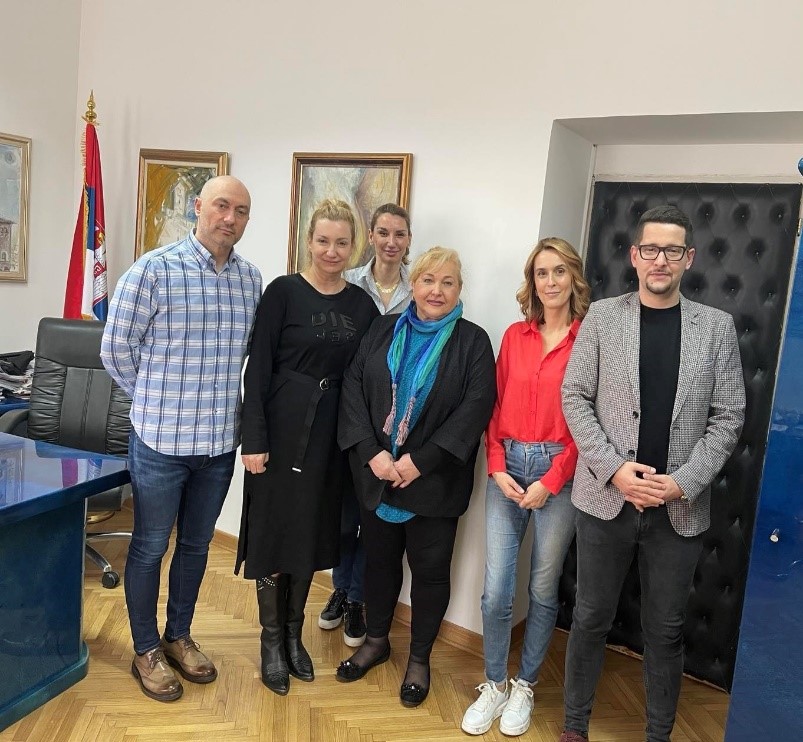
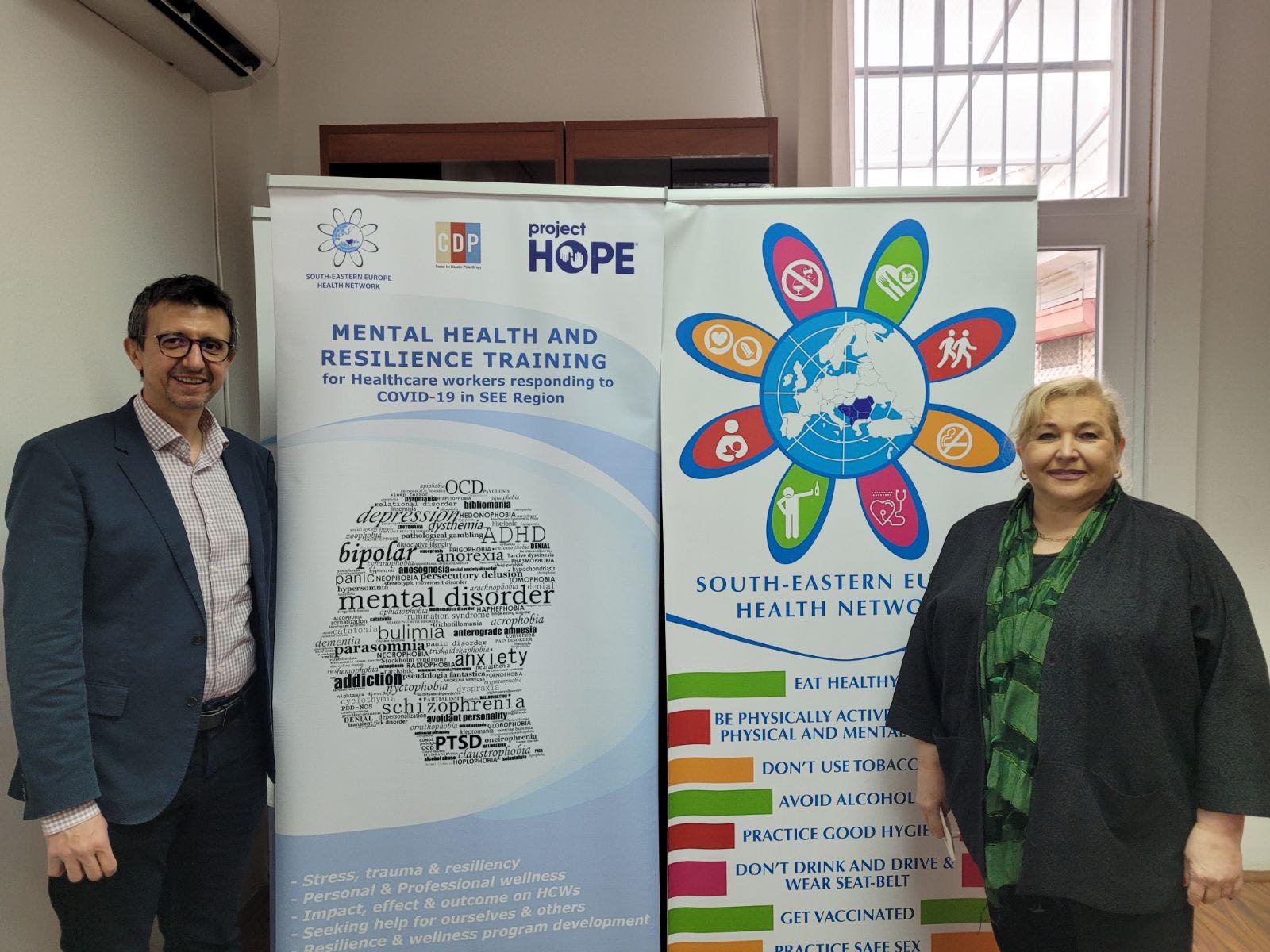
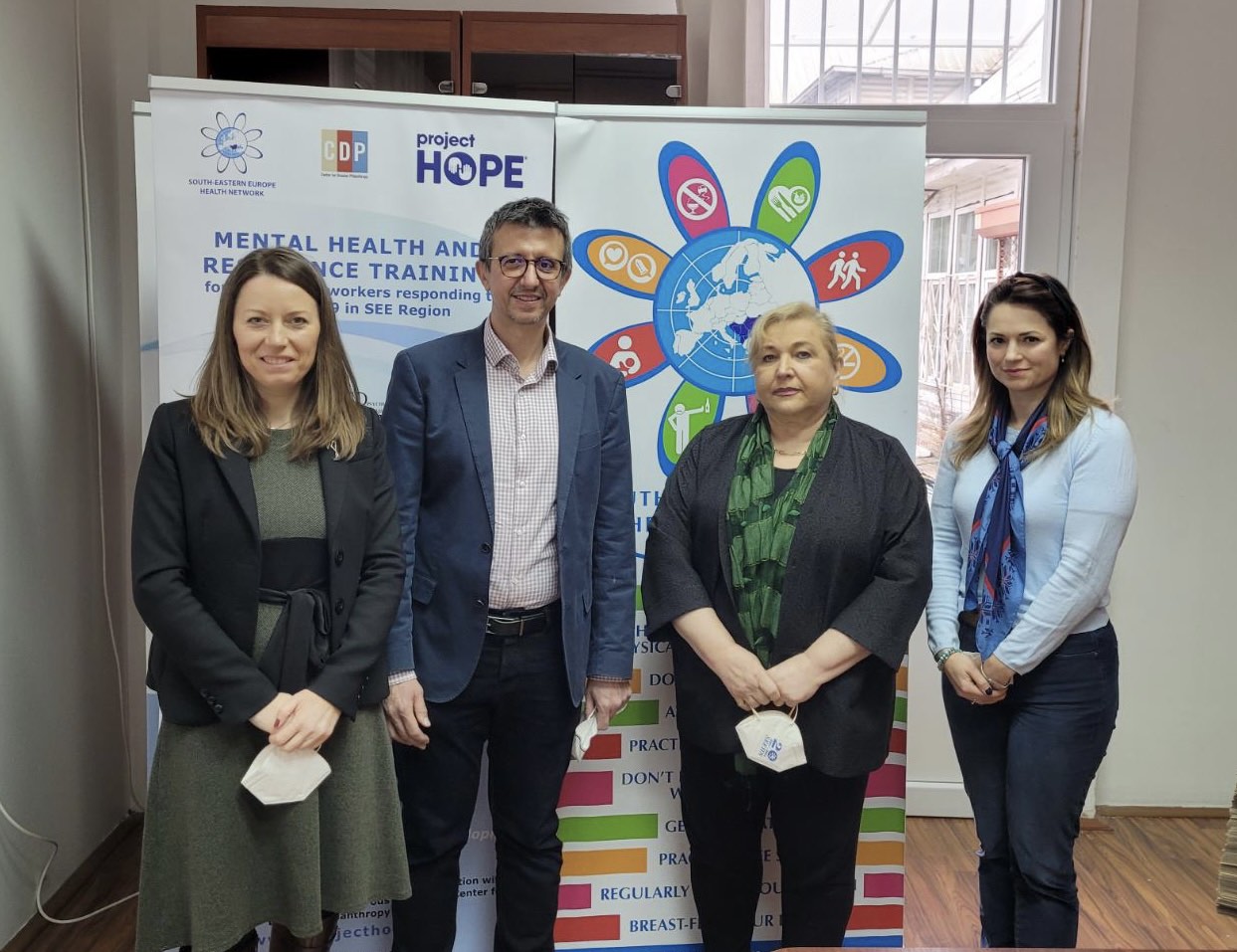
On April 8, Dr. Mira Dašić, the Head of SEEHN Secretariat met in Belgrade with Mr Vladimir Arsenovic the Director of the Agency for Accreditation of Health Care Institutions in Serbia and the Director of the SEEHN RHDC on Accreditation and continuous quality improvement of health care.
The parties assessed the status of the Centre’s activities and discussed ways to further develop and expand its work in the field at regional level.
In the wake of the pandemic, joining forces to capitalize on the importance of continually improving the quality of healthcare is greater than ever and we must seize the opportunities to step up our efforts to strengthen and redesign our health care systems.
The interlocutors also agreed to organize a round table on mandatory versus voluntary accreditation of health care institutions, which will take place at the end of May 2022.
The visit is part of the SEEHN Secretariat’s agenda to increase the visibility of the Network’s RHDCs and enhance synergies between different areas of activity at the regional levels.
It is celebrated every year on 7 April with the aim of drawing attention to a specific health topic of concern to people all over the world. On this date in 1948, World Health Organization was founded.
This year, the World Health Day is dedicated to raising the awareness on the threats posed by climate change and calls for governments to take immediate steps on climate change to protect the health of the communities they serve.
According to WHO,13 million deaths around the world each year are due to avoidable environmental causes and climate changeis expected to cause approximately 250 000 additional deaths per year between 2030 and 2050 and a wider range of health problems such as respiratory illness, cardiovascular disease, injuries, and premature death.
The global scale of environmental health problems requires consideration on how to curtail its size within the limits of global ecological sustainability. Enhancing the public narrative about climate change is not only justified, but it would make a difference in policy surrounding the paradigm.
The 2030 agenda recognizes that the relationship between health, economic development and social cohesion is linked to climate change and calls for a roadmap for climate actions that will reduce emissions and build climate resilience.
Building upon the knowledge that people’s health is intertwined with our planet’s climate, health must take a pivotal part of every country’s climate policy. The campaign “Our planet, our health”lays extraordinary foundational premises for intensive efforts to protect the health of the planet and the well-being of its people!
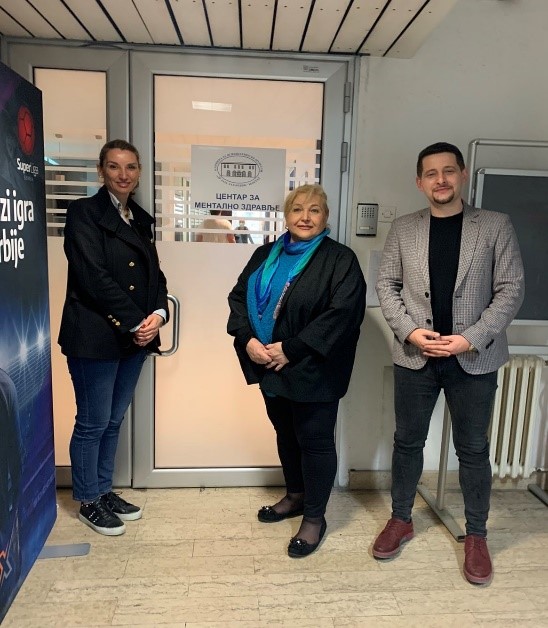
Belgrade, 1 April 2022 – As a follow up to the recently completed project “Mental Health and Resilience Training for healthcare workers responding to COVID-19 in SEE Region”, SEEHN Secretariat Director Dr. Mira Jovanovski – Dasic paid a working visit to the the Clinic for Psychiatric Diseases and the Mental Health Center “Laza Lazarevic” in Belgrade. The visit was hosted by the Clinic’s Director Prof. Ivana Stasevic Karlicic, MD, who was also the Mental Health Expert and Master Trainer from Serbia during the project.
The first part of the visit was organized at the premises of the Clinic for Psychiatric Diseases in Visegradska 26 where the meeting between the directors was held, also attended by the National Focal Point from Serbia Assistant Prof. Vladan Djordjevic, MD. Prof. Stasevic Karlicic used this opportunity to present the latest novelties introduced in the field of mental health in Serbia, mainly relating to easier access to mental health services, anonimous, free of charge and without the need of presenting the health insurance card or the GP’s refferal in order to avoid possible stigma. She also explained that persons with mental health issues since recently also have the possibility to contact experts online.
Dr. Jovanovski – Dasic thanked Prof. Stasevic Karlicic for her invaluable contribution during the implementation phase of the project and her kind hospitality. She expressed hope that by joining forces this momentum can continue and much more will be done for mental health well being in the Region.
After the meeting, a tour of the Mental Health Centre in Terazije 3/3 was organized.
Belgrade, 29 March 2022 – In the light of the recent establishment of the Organizational Board for the Fifth Ministerial Forum, director of SEEHN Secretariat Dr. Mira Jovanovski – Dasic and Chair of SEEHN Executive Committee and National Health Coordinator of the Republic of Serbia Dr. Danijela Urosevic met today at the Ministry of Health of the Republic of Serbia.
The purpose of the meeting was to elaborate on the most important questions regarding the forthcoming Forum that is going to be hosted by the Republic of Serbia in June. Dr. Urosevic suggested the Forum to be held during the first half of June, having in mind the tight agenda and the end of the Serbian Presidency. She also proposed potential venues and reminded that she will continuously support all the activities through her role in the Organizational Board. Dr. Dasic informed that the Secretariat is intensively working on the preparation of the necessary documents, including the draft text of the Belgrade Pledge that will be soon shared for comments with all member states. She added that in the next period the SEEHN Secretariat would organize a series of virtual meetings with the aim of monitoring the progress towards a successful event.
On 28 and 29 March 2022 theMulti-country – TAIEX Workshop on Good Practice in Strengthening Health Systems for the Prevention and the Control of TB in the SEEHN Member States (Western Balkans and beyond)was held virtually.
The initiative for this multi-country event was developed and implemented as a partnership between the IPH of Albania and the SEEHN Secretariat, and funded by TAIEX. Around 50 participants from Albania, Bosnia and Herzegovina, Moldova, Montenegro, North Macedonia, Serbia, Kosovo* and Turkey gathered for two days to accelerate progress towards the elimination of this life-threatening disease.
The aim of the meeting was to map the current Tuberculosis (TB) situation, review the TB management, and develop recommendations for national comprehensive policies, strategies and plans for scaling up programmes towards effective interventions to prevent and control TB in the South Eastern Europe Region.
Additionally, discussions focused on the screening and management of TB in the refugees’ population. The current experience came to particular relevance and Turkey shared their expertise in the matter. SEEHN and its international partners will continuously join efforts and will work to support the Member States in their endeavour to eliminate this deadly disease.
Dr. Mira Jovanovski Dasic, head of SEEHN Secretariat, took part at The First World Conference“Fighting COVID-19 Pandemic – Health Challenges”that was held from 26 to 28 March 2022 in Belgrade, Serbia. On the first day, as part of session three, she gave a presentation on the “Regional collaboration and partnership in supporting the healthcare workers in COVID-19 pandemic”. Representatives of WHO, UNDP, UNOPS, and UNICEF, also attended this session, dedicated to international organizations.
The Conference gathered almost 1000 participants and 300 experts from all over the world around 50 different topics related to the pandemic. The aim of this groundbreaking conference was to create a platform for better preparedness and response to the upcoming health system challenges based on the knowledge, experience, and practice gained worldwide during the Covid-19 pandemic.
The Serbian Prime Minister H.E. Ms. Ana Brnabić, Serbian Minister of Health Dr. Zlatibor Loncar, WHO Regional Director for Europe Dr. Hans Kluge, Conference-Chairlady Prof. Tatjana Adžiċ-Vukičeviċ, MD, and Dean of the Faculty of Medicine, University of Belgrade Prof. Lazar Davidoviċ, MD, addressed the audience during the opening ceremony.
The agenda included topics ranging from leadership and coordination in the prevention and control of COVID-19, public health partnerships and cooperation in the fight against COVID-19, important health care challenges triggered by the COVID-19 pandemic and their possible solutions, access to medicines and medical devices during the COVID-19 pandemic, mental health during the crisis caused by COVID-19, influences and challenges in the treatment of emergency and elective patients, COVID- 19 in health care workers, physical performance of patients with COVID-19, “pneumo” related COVID-19 ” complications etc.
Prior to the official Project Closing Ceremony, a working meeting of the Mental Health & Resilience Master Trainers and National Focal Points was held in Skopje. The goal of the meeting was for the participants to exchange experience on the implementation of the training program in their countries and to discuss and propose follow up actions for continuation and sustainability from the project results. All participants confirmed that the project came in a right time, expressed their gratitude to the SEEHN Secretariat and Project HOPE for providing such important training program to promote mental health of the healthcare workers. The meeting closed with joint conclusion and strong commitment to continue the training program by building up on the created capacities within the countries: (i) Master trainer enrolled with the program; (ii) adjusted and translated training materials; (iii) created pool of trained trainers who will cascade the training at their working place and/or their community.
A Video that reflects the impressions and views of the Mental Health & Resilience Master Trainers and training participants was produced within the project.
Watch and listen to the experience from the project activities
SEEHN Secretariat extends its most sincere gratitude and appreciation to all colleagues and institutions who have contributed to the successful project implementation.
During the Project Closing Ceremony, Dr Dasic, Head of SEEHN Secretariat presented Certificates of appreciation to the:
Minister of Health of the Republic of North Macedonia, Dr Bekim Sali
Mental Health&Resilience Master Trainers
National Focal Points
Ministries of Health from the respective project participants
Partners and supporters (Project HOPE, CDP, NYC Health+ Hospitals)
Training participants who contributed to the produced video
Launched in 2021 insix of the SEEHN Member States (ALB, BiH, MKD, MNE, SRB, MDA) and in Kosovo*, Project HOPE funded this project with the aim to build knowledge and skills on core resilience drivers and capacities during the eight months of implementation.
The closing ceremony was attended by a group of high-level partners and stakeholders and benefited of the presence of H.E. Dr. Bekim Sali, Minister of Health of the Republic of North Macedonia.
During her opening remarks, the SEEHN Secretariat Director Dr. MiraDašićreminded of the immense impact of the crisis on health workers. “Since the start of the pandemic, health and care workers have been under unprecedented pressure as they provided care to COVID-19 patients, maintaining the essential health services, and roll-out vaccination rounds. They are the backbone of every health system, but the pandemic has brought to the front not only their tremendous contribution, but also huge sacrifices”,Dr.Dašićsaid.
Considering the weight that the pandemic brought on all of us, but especially on HCWs, SEEHN aligned with Project Hope to launch an initiative to help improve their resilience, improve the ongoing Covid-19 response and other emergency responses for selected project participants.
The content of the training sessions was based on adapted training materials from NYC Health + Hospitals, with the generous support of the Center for Disaster Philanthropy and provided by expert trainers from each of the implemented countries.
Minister Sali noted, “United action for more and stronger support for mental health and well-being is highly placed at our national agenda, and is in line with the efforts of different international organizations to empower and protect mental health of health care workforce. This project implemented by South-eastern Europe Health Network Secretariat and financed by Project HOPE came at a right time to provide HCWs with practical tools how to take care for their mental health, to help their colleagues, to build better resilience and to improve the COVID-19 response”.Thanks to the dedication and intense efforts of the SEEHN Secretariat, partners and countries involved, the project reached out to more than 8,000 health workers.
#WorldTBDay, marked on March 24, aims to raise global awareness of the impact of tuberculosis worldwide. It also emphasizes the importance of sharing success in the prevention and control of tuberculosis in accelerating progress towards the elimination of this life-threatening disease. This year’s World TB Day theme, Invest to End TB. Save Lives reminds leaders that without adequate financial resources to fight TB, we will not be able to reverse the severe impact of COVID-19, nor will we be able to meet the goals set at the 2018 United Nations Summit (UNHLM). SEEHN and its partners are working together to support the SEEHN Member States efforts to eliminate this deadly disease. A multi-country – TAIEX Workshop on Good Practice in Strengthening Health Systems for the Prevention and the Control of TB in the SEEHN Member States (Western Balkans and beyond) will be held on March 28 and 29, 2022. The aim of the meeting is to map the current Tuberculosis (TB) situation, review the TB management, and develop recommendations for national comprehensive policies, strategies and plans for scaling up programmes towards effective interventions to prevent and control TB in the South Eastern Europe Region. This initiative is a result of SEEHN Secretariat partnership with IPH Albania, funded by the European Commission TAIEX and it will be implemented in the Western Balkans, Moldova and Turkey.
Skopje, 21 March 2022 – A week after she was appointed as the National Health Coordinator of the Republic of North Macedonia, Prof. Elena Petrova-Kostova, MD, Faculty of Medicine, Skopje, paid a working visit to the SEEHN Secretariat.
At the meeting, Dr Dasic, the SEEHN Secretariat Director, presented the last year’s achievements under the Serbian Presidency. She shared short and medium-term plans aiming to identify challenges and opportunities for strengthening the practical aspects of the work of the SEEHN. In addition, she explained the role of the SEEHN Secretariat and emphasized its importance as the main engine for providing administrative and technical support to the Network’s activities.
Prof. Petrova-Kostova offered her full support to future SEEHN endeavors aimed at boosting regional cooperation, especially in the area of public health.
The discussion stressed the need to take follow-up actions on the Ad-Hoc Plenary meeting that took place on 17 March 2022 online, when the Fifth Ministerial Forum and the Ukrainian crisis were identified as key priorities. Both parties agreed that intensifying the dialogue in the next period is the best way forward.
Skopje, 17 March 2022 – The SEEHN Regional Health Development Centers (RHDCs) are the main vector of technical expertise within SEEHN. Fostering collaboration at the regional level is crucial to strengthening the inter-country collaboration as this enhances the exchange of information and most importantly the interchange of best practices.
nnnn
Dr. Mira Dasic, the Director of SEEHN Secretariat had a meeting with Dr. Milica Stanisic, Director, RHDC on Non-communicable diseases (NCDs), Montenegro, and Dr. Igor Spiroski, Professor of Hygiene of Food and Nutrition at the Faculty of Medicine, Republic of North Macedonia.
nnnn
The discussions focused around the priority areas of interventions to reduce the NCDs risk factors, in particular, the children nutrition and obesity. At the center of the debate were the recommendations from the SEE Health Network “Round Table on Reduction of Childhood Malnutrition and Control of Marketing of Unhealthy Food and Beverages Impact”, held on 25 February 2020 in Podgorica, Montenegro. With the overall objective to reduce childhood malnutrition, the interlocutors shall continue working on proposals for activities whose main priority is fighting obesity. Enabling healthy lifestyle choices from the early age among children is key to preventing obesity and other related diseases.
17 March 2022 – Dr. Mira Dasic, Director of the SEEHN Secretariat, held a meeting in Skopje with directors of the two SEEHN RHDCs, Prof. Silvia Bino, SEEHN RHDC on Communicable Diseases (SECID), hosted by the Institute of Public Health of Albania and Dr. Milica Stanisic, RHDC on Non-communicable diseases (NCDs), hosted by the the Institute of Public Health of Montenegro.
nnnn
Starting with the conclusions from the Ad-hoc Plenary Meeting related to the Fifth Ministerial Forum, the dialogue continued with defining the specific role the RHDCs would play at the high-level forum and beyond; to act as satellites of health expertise and deliver health data for information-based decisions leading towards adopting adequate health policies.
nnnn
The interlocutors concluded that there is space for a more visible role for the RHDCs and agreed to continue advocacy for new directions of action and new projects as well as all other initiatives related to public health that might be of interest for the Region. With that in mind, a visit to Albania has been included in the agenda for this year.
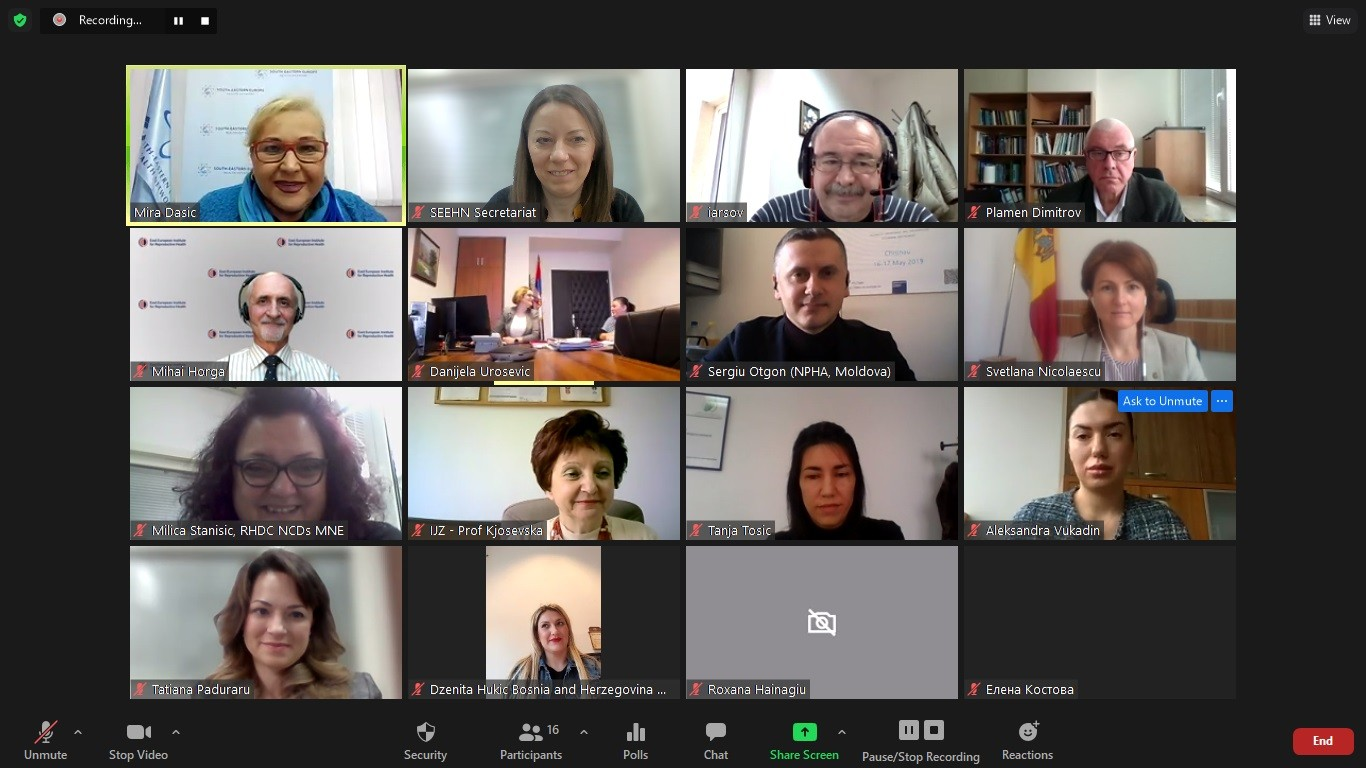
The national representatives of the SEEHN Member States, and the directors of the SEEHN Regional Health Development Centers met virtually for an Ad-Hoc Plenary meeting on 17 March. The event was held virtually considering both health and security circumstances.
nnnn
The opening remarks were given by Dr. Danijela Urosevic, Chair of SEEHN Executive Committee, Dr. Mira Jovanovski Dašić, Head of Secretariat of the SEEHN, and Mr. Robb Butler, Executive Director of the WHO Regional Director`s Office (pre-recorded message).
nnnn
The agenda provided the participants with the opportunity to take a glance backat the South Eastern Health Network`s actions under the Serbian Presidency in 2021, followed by discussions on the status of the organization of the 5th Ministerial Forum. Additionally, reflections on the opportunities to strengthen SEEHN Regional Health Development Centers capacity and lessons learned from the Covid-19 pandemic to increase resilience and strive for further progress were discussed.
nnnn
In her welcoming remarks, Dr. Danijela Urosevic emphasized the specific context we are facing and the need to use the Belgrade Ministerial Forum to create a momentum to better redefine and rebuild ourselves. “The Belgrade Pledge shall define the next major axes of interventions for the next four years. At the same time, I would reiterate that it is time to reflect on what would be the Network in ten years, what we want to achieve, through which means and how. Our priorities will determine our focus of work and also the budgets to drive for results. Thus, the reflective and coordination exercise shall be our priority and when agreement is reached the implementation will follow”, the official stated.
nnnn
Reffering to the same topic, the Head of the SEEHN Secretariat, Dr. Mira Dašić, also stressed (…)”it is the very time to have all the ministers of health around the table. It is of outmost importance to anticipate and plan a relief and supporting plan around core priorities for SEEHN. We, as the SEEHN Secretariat, are looking forward to the opportunity to put all the efforts, to join our expertise and use this political event to bring the highest commitment towards health systems in the SEE Region”.
nnnn
A special core taskforce has been set up to prepare the Belgrade Declaration, which will be responsible for making decisions leading to a successful event in June. The WHO EURO nominated its representative to the working group – the WHO representative in Serbia.
nnnn
The national representatives were also invited to reflect on the challenges of the situation in Ukraine, with a focus on how to mobilize and shape support and with brief updates from the neighbouring countries on the inflow of refugees. It is of outmost importance to have a coordinated, channelled effort with the involved governments in close partnership.
nnnn
The migrant flow will determine an increase in demand over the health services but not limited to:
nnnn
Increased need in emergency, maternal, and childcare.
Mental health issues from both sides: the overwhelmed health personnel that faces another emergency and from the incoming migrants traumatised by the conflict.
NCDs management.
nnnn
Since SEEHN has been created on the principle of solidarity with the aim of contributing to social cohesion, peace and security – after 20 years it is still relevant. In this situation, SEEHN will mobilize partners to provide coordinated emergency relief support.
15 March 2022 – Dr. Mira Dasic, Director of SEEHN Secretariat had a meeting today in Skopje with Mr. Roberto Antonione, CEI Secretary General and Ms. Nina Kodelja, CEI Deputy Secretary General. The aim of the meeting was to facilitate new collaborations and decide on the next steps in the areas of common interest.
nnnn
Means for strengthening the dialogue, revision of joint activities and developing practical ideas for closer cooperation were in the focus. At the end, both parties agreed that facing the new challenges affecting the whole world, more than ever are emphasizing the importance of partnerships and the need for coordinated actions in public health, starting at the regional levels, by following a comprehensive approach that integrates health in all policies.
Today, the SEE Health Network Secretariat is celebrating the 9th anniversary of the official opening of the new Seat in Skopje, Republic of North Macedonia.
nnnn
On March 7, 2013, the impressive inaugural event was held under the auspices of the Prime Minister of the Republic of North Macedonia and in the presence of the WHO Regional Director, as well as distinguished members of the Member States, partners, and diplomatic corps.
nnnn
SEEHN appreciation and respect will always go to the Government of the Republic of North Macedonia for its continued support of the Host Agreement, which was essential for the swift operationalization of the Seat. Recognition also goes to our partners for closely promoting an excellent pathway to an outstanding regional public health cooperation in the Southeast Europe region.
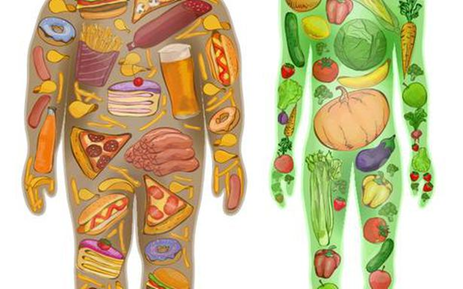
With more than 800 people worldwide affected by obesity and millions more at risk, World Obesity Day is an opportunity to raise awareness and enhance the call for cross-cutting policies to address the burden of this life-altering disease.
nnnn
Moreover, the associated comorbidities such as diabetes, cardiovascular disease, as well as stigma, the risk of a psychiatric diagnosis, especially among the pediatric population, reflect the reality of a complex condition with extremely serious social and psychological dimensions. Sadly, the Covid-19 pandemic with the lockdown is likely to have contributed to the further growth in obesity, undermining the wellbeing of our citizens and placing huge strains on our societies.
nnnn
There is a clear case for immediate and unwavering action to curb the projections of this silent pandemic that continue to increase its pace, and evidence of the gains through reducing the risk factors have built up over time. Adopting a balanced lifestyle and a healthy diet has a significant contribution to reducing the risk of obesity. Individual action is important and each of us must act to protect our health.
nnnn
However, individual responsibility is not enough, it must be doubled by the action of the authorities to educate citizens to make healthier choices. Prioritizing the prevention and health literacy of our populations remains crucial to generating healthy behaviors and reducing preventable mortality.
nnnn
With both the adoption of specific targets in its strategic documents and operational plans as well as within the projects developed over the years, the SEEHN has consistently advocated for a comprehensive multi-stakeholder policy, including both communication and awareness-raising but also broader fiscal and regulatory measures to effectively tackle obesity.
nnnn
SEE Health Network has started its efforts back in 2020. SEEHN organized a Round Table with the SEEHN RHDC on NCDs from Montenegro on the “Reduction of Childhood Malnutrition and Control of Marketing of Unhealthy Food and Beverages Impact”, held on 25 February 2020, Podgorica, Montenegro. The Round table was the launching activity with overall objective to reduce childhood malnutrition by focusing especially on obesity and to enable healthy lifestyle choices from the early age among children.
nnnn
Improving the information on nutrients displayed on food labels, regulating the marketing of food are examples of policies that have emerged in recent years. But there is so much to do. In addition, for that, we need strong commitment, inspiring leadership, cross-sectoral collaboration, and cooperation efforts, capacity building, and coordination of synergies at national, regional and global level.
Dr. Mira Dasic, the Director of SEEHN Secretariat and Secretariat staff met on 22 February 2022, in Skopje Prof. Stojan Bajraktarov, Medical Director at Psychiatry Clinic, Medical Faculty, University “St. Cyril and Methodius”.
nnnn
The discussions focused around two main activities in the mental health area. Dr Dasic started with an overview of the ongoing activities and events related to mental health. Also explained the role of the SEEHN Secretariat and emphasized its importance as the main engine for providing administrative and technical support to the Network’s activities, in particular to the current projects.
nnnn
Both parties informed on the progress achieved within the mental health project “Mental Health and Resilience Training for healthcare workers responding to COVID-19 in SEE Region”, implemented by SEEHN Secretariat, funded by Project Hope and Center for Disaster Philanthropy; and on the SEEHN “Comparative analysis study on the mental health services in the SEEHN Member States”.
nnnn
The interlocutors agreed on the next steps roadmap to be implemented within both projects. Additionally, the parties touched upon the sustainability of the initiated actions and concluded that there is space for closer cooperation by following the opportunities for strengthening and building further mental health resilience in the South Eastern Europe Region.
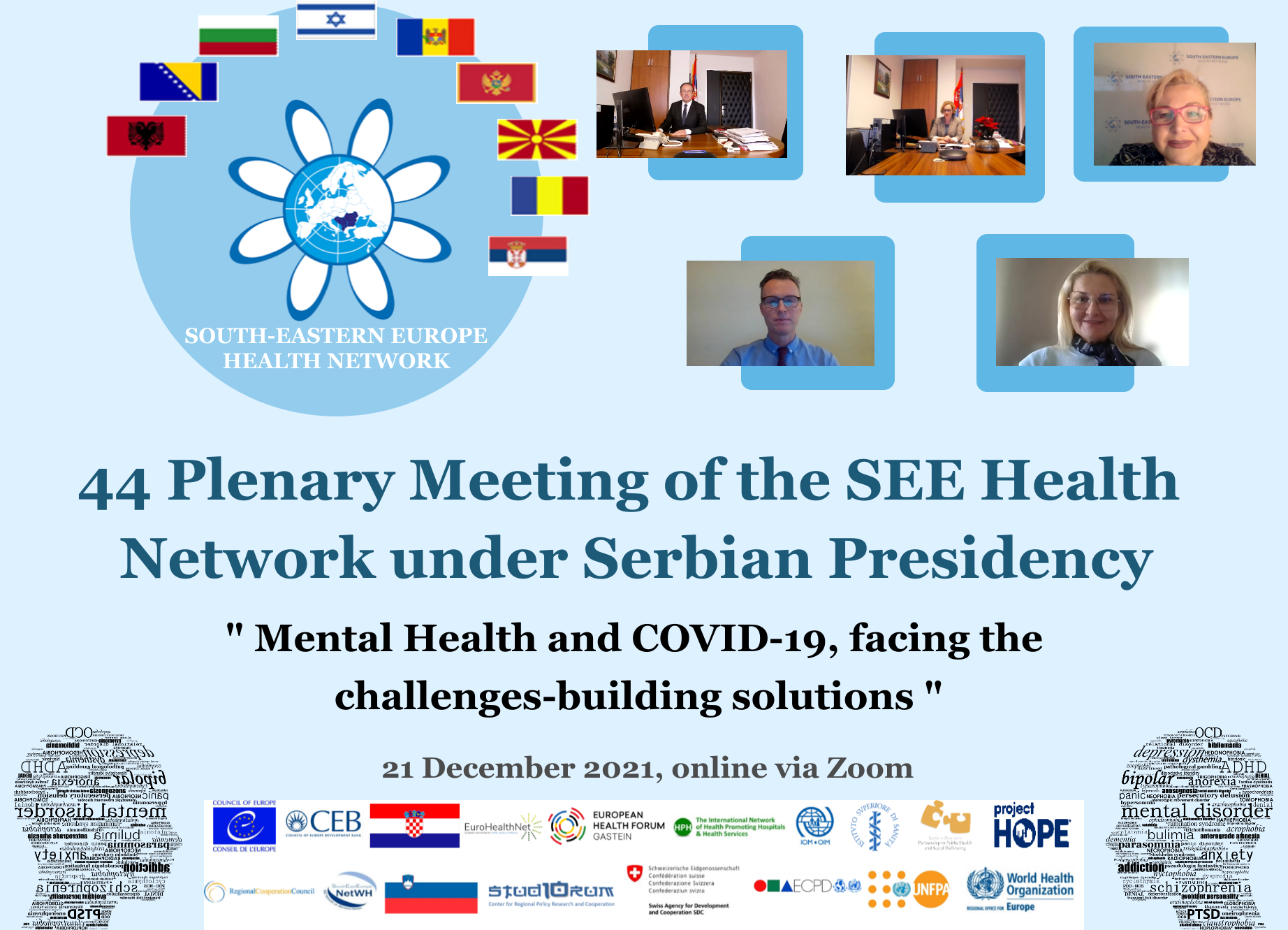
National health coordinators of the SEEHN Member States, representatives of the partner countries, international organizations, directors of the SEEHN Regional Health Development Centers met virtually for the 44th plenary meeting of the South Eastern Europe Health Network on 21 December 2021.
nnnn
Organized by the SEE Health Network Serbian Presidency, Executive Committee and Secretariat, the event was held virtually for the third time considering the ongoing pandemic circumstances.
nnnn
The opening remarks were given by Prof. Dr. Ferenc Vicko, State Secretary of the Ministry of Health of the Republic of Serbia, Dr. Danijela Urosevic, Chair of SEEHN Executive Committee, Dr. Mira Jovanovski Dasic, Head of Secretariat, SEE Health Network, Mr. Robb Butler, Executive Director of the WHO Regional Director`s Office and Ms. Tanja Miščević, RCC`s Deputy Secretary General.
nnnn
SEEHN Member States mitigation of the COVID-19 pandemic and mental health in SEE region was central to the agenda of the 44th plenary meeting. Although the Covid-19 health crisis is still unfolding and its consequences are yet to be fully assessed, the evidence that has already been built on mental health impact of the pandemic is driving renewed interest to mobilize action to build mental health resilience.
nnnn
The meeting represented a unique opportunity to draw on lessons from the response to the Covid-19 pandemic in the region and address the complex issue of the mental health burden as well as long-standing systemic problems and shortcomings in the mental health services within the Region.
nnnn
The session included three keynote presentations, delivered by Dr. Ledia Lezeri, Regional Advisor for Mental Health of the WHO EURO, a country case presentationon Serbian Experience presentedby Dr. Danijela Urosevic and the progress achieved and next steps of the Comparative Analysis “Mental Health Situation Analysis in the SEE region”, and shared byAss. Prof. Dr Stojan Bajraktarov, National Focal Point for Mental Health to the South Eastern Europe Health Network from the Republic of North Makedonia.
nnnn
At its December plenary meeting, SEEHN took stock of the Serbian Presidency work in the second term of 2021 and laid the groundwork for its activities in 2022. The Serbian Presidency also put forward the proposal for the organization of the fifth SEEHN Ministerial Forum by the end of June 2022.
nnnn
A specific session of the plenary was dedicated to the collaboration activities during 2021 and next steps for defining the possible areas of collaboration in 2022, highlighting a multistakeholder commitment to support the SEEHN Member States in achieving long-term results and sustainable health gains within the Region.