Skopje, Republic of North Macedonia, 17 June 2026
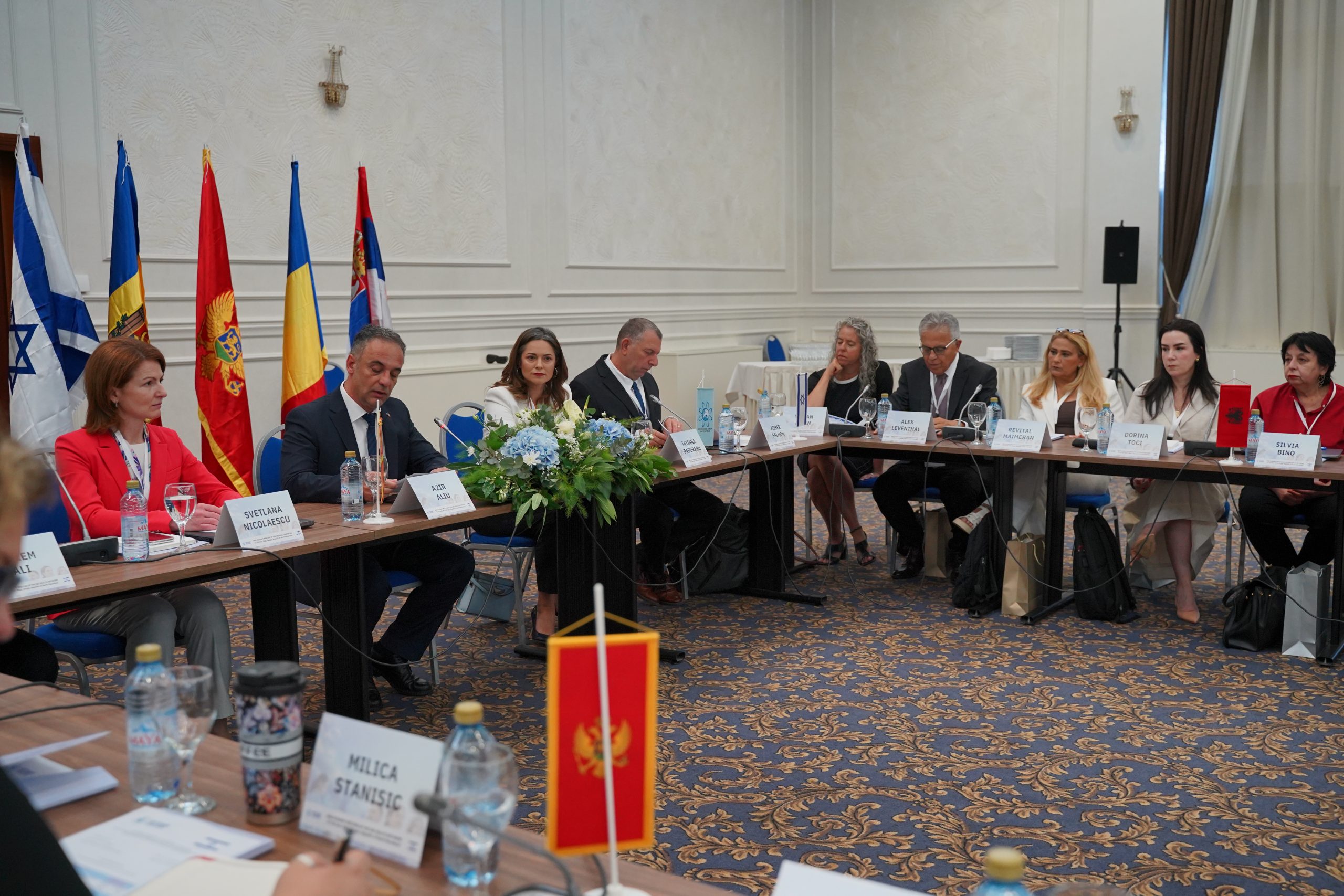
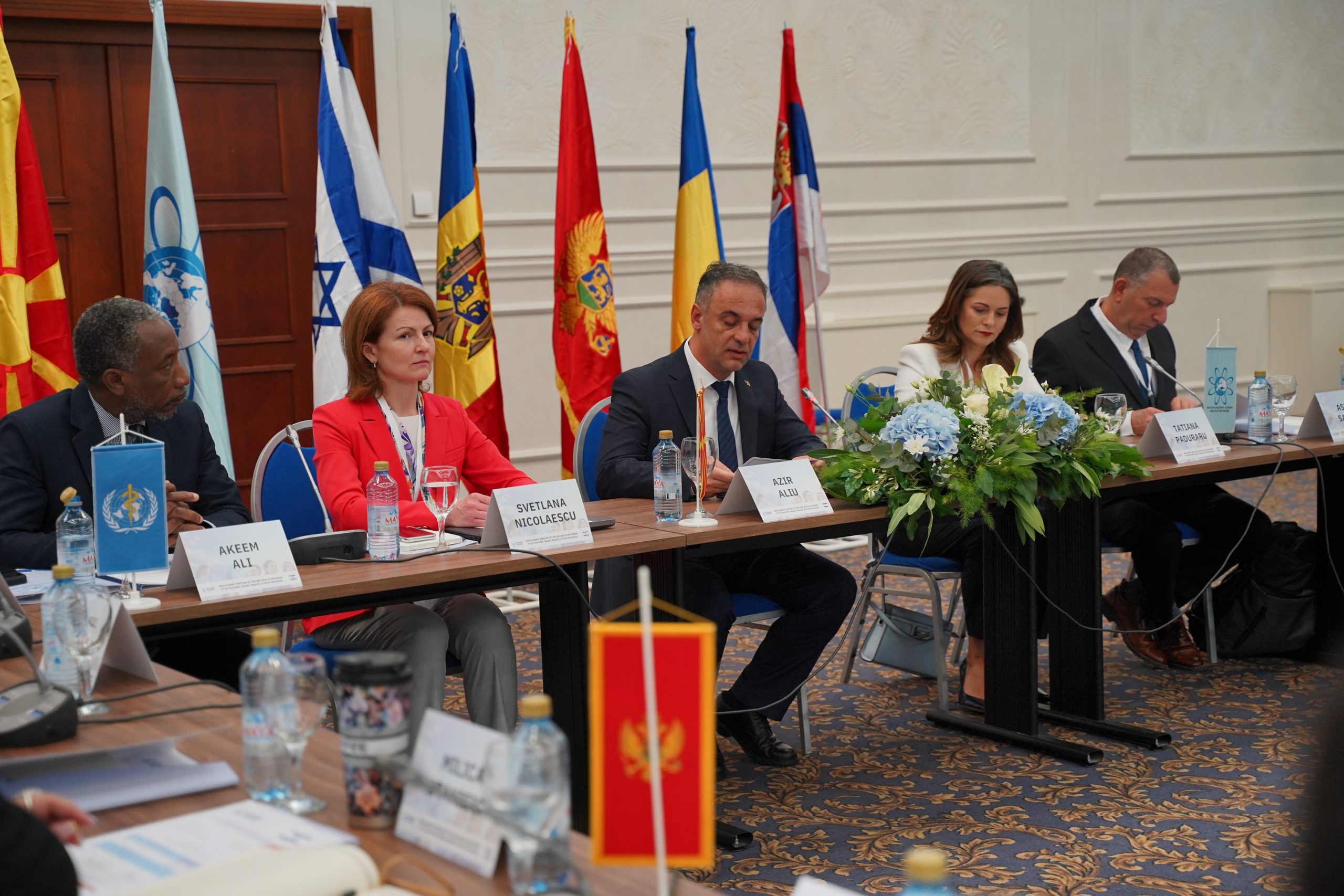
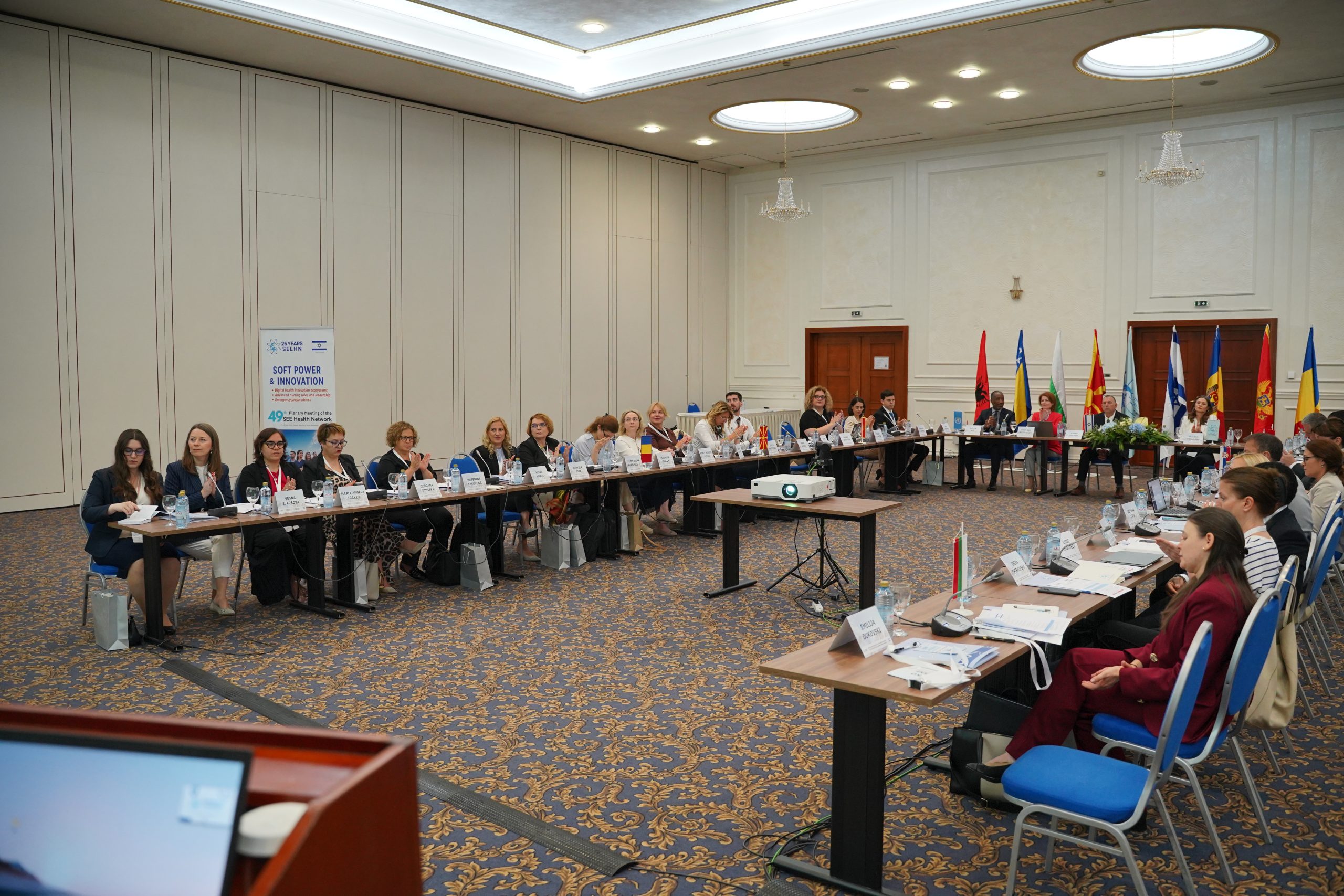
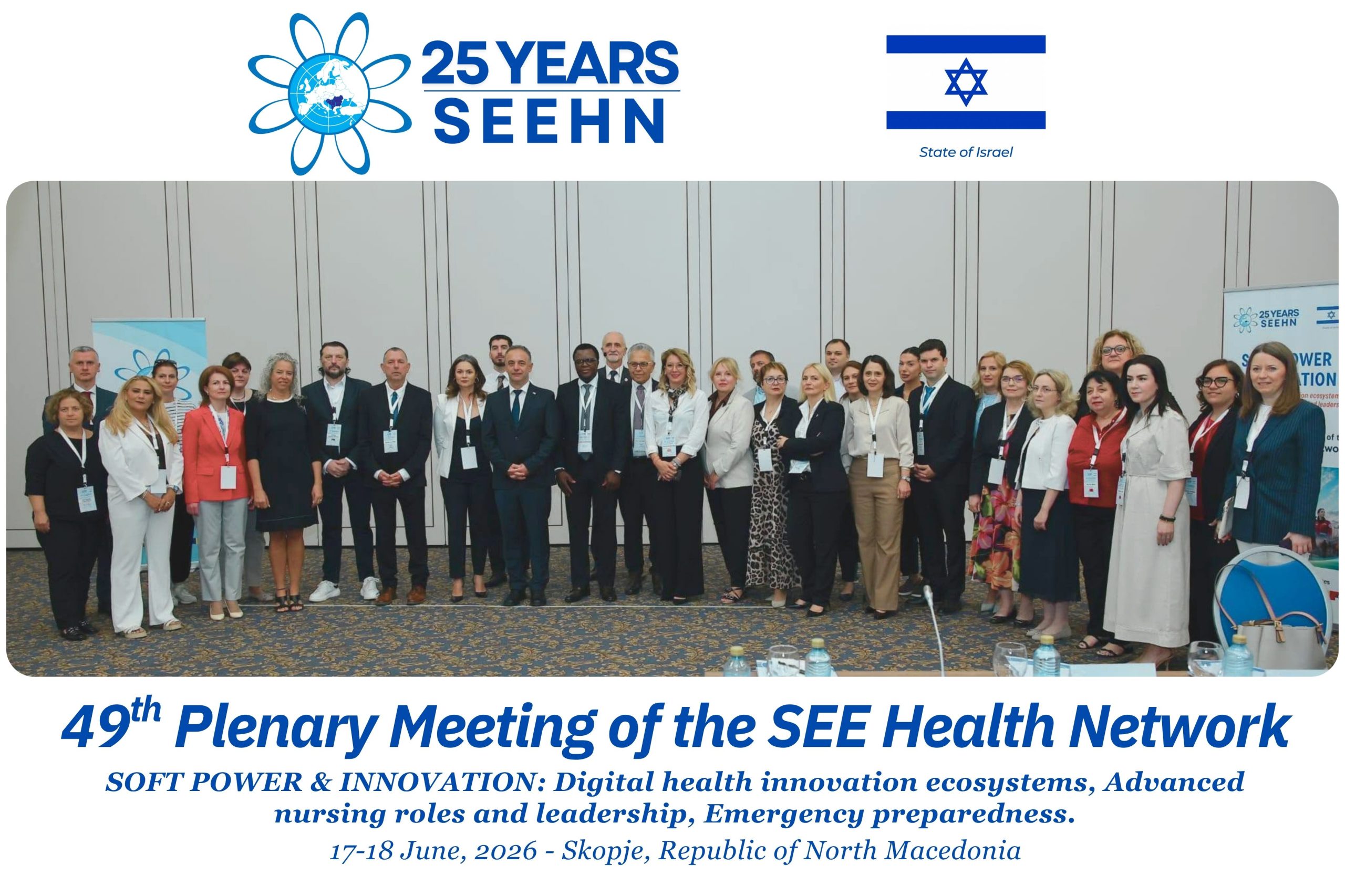
The South-Eastern Europe Health Network (SEEHN) today opened its 49th Plenary Meeting in Skopje, bringing together health leaders, policymakers, public health experts and representatives of international organizations from across the region to discuss the future of health systems, innovation and regional cooperation.
Hosted under the Presidency of the State of Israel, the meeting is held under the theme “Soft Power and Innovation: Digital Health Innovation Ecosystems; Advanced Nursing Roles and Leadership; Emergency Preparedness.” Participants include representatives of SEEHN Member States, the World Health Organization (WHO), Regional Health Development Centres (RHDCs), academic institutions and international partners.
A highlight of the opening ceremony was the celebration of SEEHN’s 25th anniversary, marking a quarter century of regional partnership and collective action in health. Over the past 25 years, SEEHN has established itself as a unique platform for cooperation, supporting health system strengthening, capacity building, knowledge exchange, and coordinated responses to shared public health challenges across South-Eastern Europe.
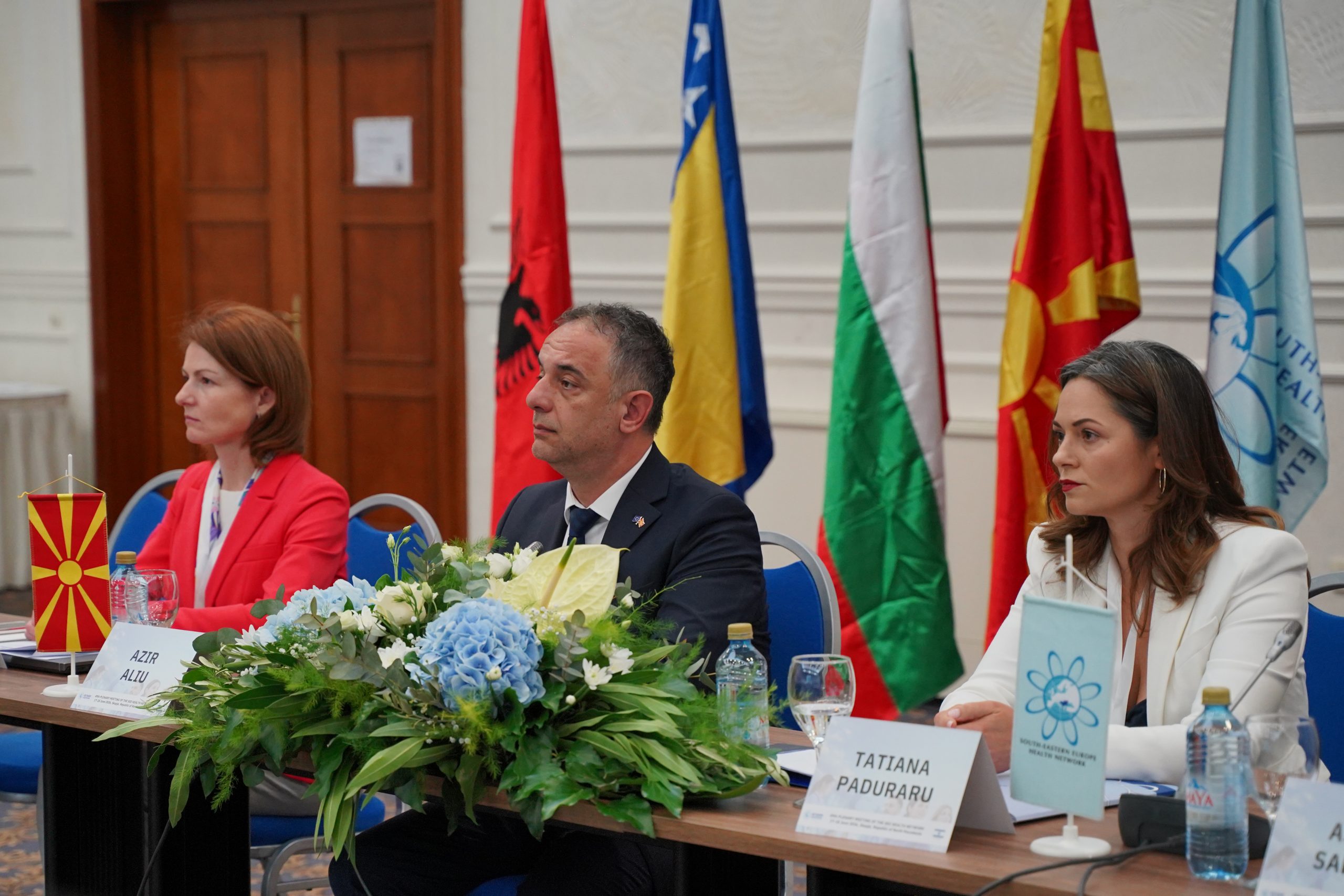
The opening session featured remarks from Dr. Azir Aliu, Minister of Health of the Republic of North Macedonia, along with representatives of the State of Israel, the Republic of Moldova, WHO, and the SEEHN Secretariat. Special video messages were delivered by Dr. Hans Kluge, WHO Regional Director for Europe; Mr. Olivér Várhelyi, European Commissioner for Health and Animal Welfare; Dr. Alen Šeranić, Minister of Health and Social Welfare of Republika Srpska/Bosnia and Herzegovina; Ms. Katya Ivkova, Minister of Health of Bulgaria; and Dr. Zlatibor Lončar, Minister of Health of Serbia. Their messages underscored the importance of regional collaboration, innovation, and sustained investment in health systems capable of responding to emerging challenges.
Dr. Tatiana Păduraru, Head of the SEEHN Secretariat, reflected on the Network’s achievements and underscored the importance of sustaining regional solidarity and cooperation amid an increasingly complex health environment. Participants also looked ahead to SEEHN’s future role in supporting resilient, innovative, and people-centered health systems. The anniversary segment was moderated by Dr. Mihai Horga, Director of the SEEHN Regional Health Development Centre on Sexual and Reproductive Health.
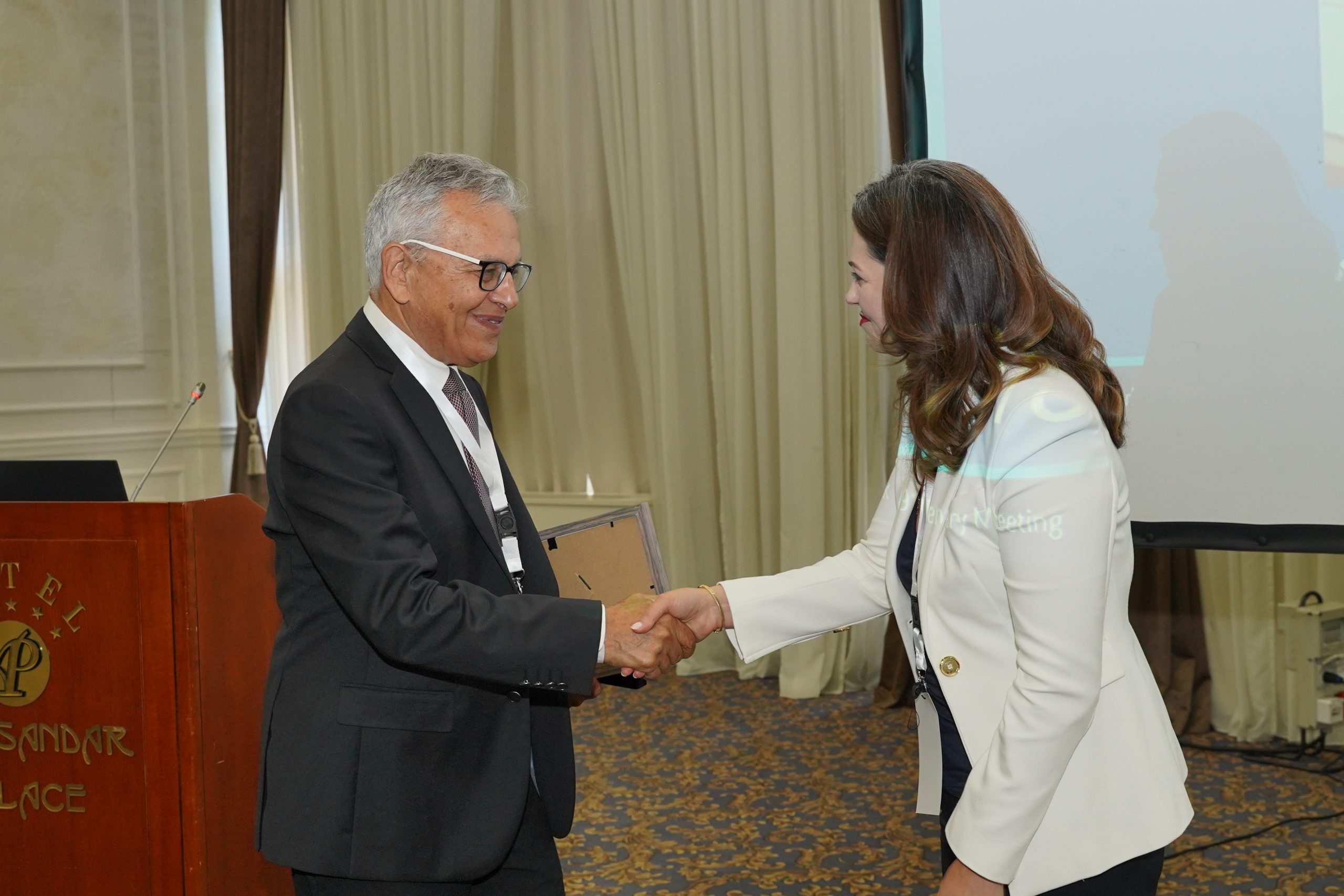
A highlight of the program was the Dr. Alexandre Berlin Prize Award Ceremony, honoring outstanding contributions to public health and regional cooperation. The award nomination was presented by Dr. Asher Salmon, Director of the Directorate for International Cooperation at the Ministry of Health of the State of Israel. The 2026 laureate, Prof. Alex Leventhal, delivered a keynote address reflecting on leadership, excellence in public health, and the value of international cooperation in improving population health outcomes.
The first day of discussions focused on the strategic priorities of the Israeli SEEHN Presidency, including emergency preparedness, artificial intelligence governance, genomics and innovation in health systems. Particular attention was given to the growing role of digital transformation and advanced nursing leadership in strengthening health system resilience and improving access to quality care.
Experts from WHO, government institutions, academia, and healthcare organizations explored opportunities and challenges related to emerging technologies, healthy aging, and evidence-informed policymaking. Member States also exchanged experiences and national perspectives on innovation and resilience across their respective health systems.
The Plenary also showcased the work of SEEHN Regional Health Development Centers, highlighting initiatives in communicable diseases, sexual and reproductive health, noncommunicable diseases, health workforce sustainability, and regional preparedness for future health threats.
The meeting also marks an important transition for the Network. Participants reviewed the achievements of the Israeli Presidency and discussed priorities for the upcoming Romanian SEEHN Presidency (July 2026–June 2027). During the session, Romania presented its vision for the year ahead, including the launch of consultations on the Bucharest Pledge, a strategic framework intended to guide regional health cooperation and development in the coming years.
The 49th SEEHN Plenary Meeting continues on 18 June with discussions on governance and strategic planning, and the first consultation workshop dedicated to developing the Bucharest Pledge.