News
As the global community celebrates World Health Day on April 7, the South Eastern Europe Health Network (SEEHN) reaffirms its solidarity with worldwide endeavours to ensure universal healthcare access.
World Health Day marks the establishment of the World Health Organization (WHO) and serves as a symbol to raise awareness about pressing health issues and mobilize action to tackle them.
This year’s focus is on advocating for the right to health as enshrined in the Universal Declaration of Human Rights, emphasizing the importance of ensuring the availability, accessibility, acceptability, and quality of health services for everyone, everywhere.
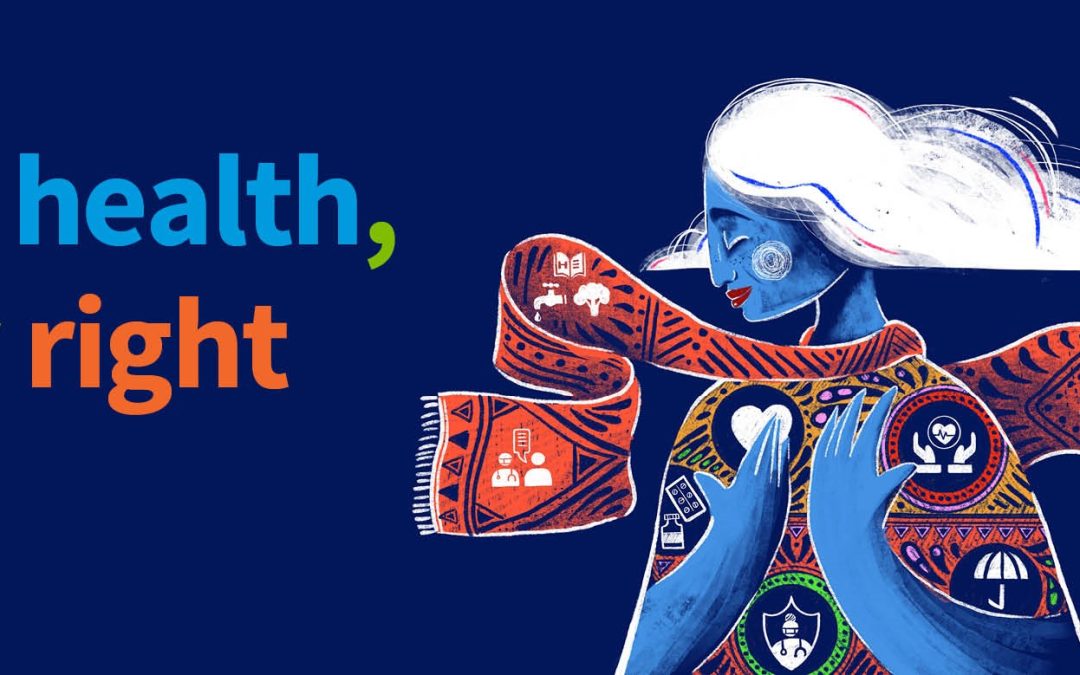
Under the slogan of “My Health, My Right; Make the Right to Health a Reality for All,” SEEHN underscores its dedication to advancing health equity and upholding the fundamental right to health for individuals throughout the region. These words encapsulate the essence of our mission: ensuring that every person, regardless of their background or circumstances, has access to the highest standard of health care.
Today, amid multifaceted global challenges, from pandemics to environmental crises, realizing this fundamental right assumes even greater significance. We are confronted with the stark reality where health inequalities persist, where millions suffer needlessly due to lack of access to essential services. We must recognize our shared responsibility in addressing these disparities and strive towards creating a future where health is truly a universal human right.
Realizing the right to health requires concerted efforts across all sectors and levels of society. Investments in health must be viewed as investments in our collective well-being, and adequate funding must be allocated to expand primary healthcare services.
Healthcare workers play a crucial role in realizing the right to health, embodying principles of person-centred care and inclusivity. By dispelling myths and prejudices and addressing the specific needs of vulnerable populations, they serve as compassion and empathy in our healthcare systems.
Individuals also have a pivotal role in advocating for health as a priority, asserting their rights to access quality care and making informed choices that promote their well-being. By adopting healthier lifestyles and advocating for sustainable practices, we can build healthier communities and a brighter future for future generations.
On World Health Day, SEEHN calls upon governments, policymakers, healthcare professionals, civil society organizations, and individuals across the South Eastern Europe region to unite to advance the right to health and achieve universal health coverage. By prioritizing health equity, investing in robust health systems, and fostering collaboration, we can support a healthier, more resilient future for all.
News
As the global community observes World Tuberculosis (TB) Day on March 24, 2024, attention is once again focused towards combating this persistent threat, a global health emergency claiming the lives of over 1.4 million individuals each year.
Under the theme “Yes! We can end TB” World Tuberculosis Day serves as a unifying call to action against one of world’s deadliest diseases. Despite progress in the fight against TB, recent years have witnessed a concerning rise in drug-resistant strains, posing new challenges to global health efforts.
Worldwide, TB is the second leading infectious killer after COVID-19 (above HIV and AIDS). In 2022, an estimated 10.6 million people fell ill with tuberculosis (TB) worldwide, including 5.8 million men, 3.5 million women and 1.3 million children. TB is present in all countries and age groups. The highest MDR rates are found in countries of Eastern Europe and central Asia, where MDR strains threaten to become as common as pan-susceptible strains. In some countries, MDR strains account for up to 20% of new TB cases and well over 50% of patients with a history of previous TB treatment. Multidrug-resistant TB (MDR-TB) remains a public health crisis and a health security threat. Only about 2 in 5 people with drug resistant TB accessed treatment in 2022. Ending the TB epidemic by 2030 is among the health targets of the United Nations Sustainable Development Goals (SDGs).
While Europe generally experiences a low incidence of TB, the South Eastern European Health Network (SEEHN) remains steadfast in its commitment to supporting member states in South Eastern Europe, where TB rates remain notably high. In some areas, the prevalence of drug-resistant strains adds further complexity to the situation.
World TB Day serves as an important reminder that sustained, collaborative, and multi-sectoral efforts are imperative to eradicate TB. SEEHN reaffirms its dedication to working hand in hand with member states and partners to comprehensively address TB, with the ultimate aim of curbing the escalation in TB incidence and creating a region free from the burden of tuberculosis.
As part of World TB Day initiatives, SEEHN urges active participation from its member states in various endeavors aimed at raising awareness, advocating for increased investment, and mobilizing support for TB prevention, treatment, and care. While prevention remains paramount, SEEHN also advocates for heightened investment in research and treatment, while expressing solidarity with those impacted by the disease.
These initiatives are directed towards fortifying health systems, enhancing access to quality services, and tackling the social determinants of health contributing to TB transmission.
News
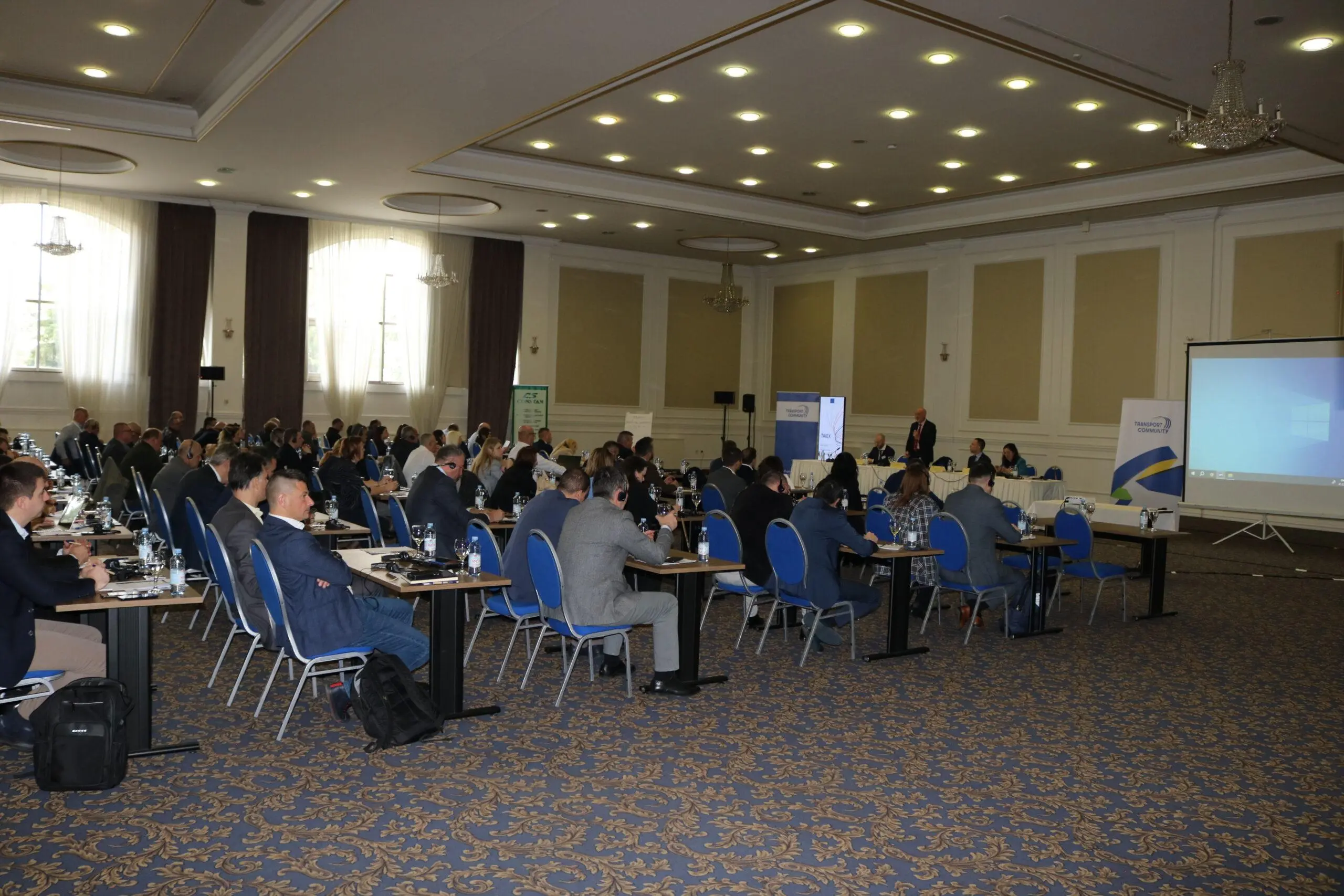
SKOPJE – The Transport Community Permanent Secretariat (TCT Secretariat), together with the European Commission, organises the TAIEX (Technical Assistance and Information Exchange) Regional Workshop on 112 and e-Call, on 21 and 22 February in Skopje, North Macedonia. This workshop fosters closer integration of emergency and communication services in the Western Balkans six and Observing Participants view to further integration with the European Union transport market and build up of the common regional market.
In alignment with the decisions of the Regional Steering Committee, the Commission’s services offered full support of advancing the implementation of the unique emergency number, 112, in the Western Balkans. This initiative builds upon previous projects in Montenegro and Albania, focusing on enhancing preparedness for accidents involving transport of dangerous goods.
The workshop aims to facilitate cross-disciplinary collaboration, particularly with firefighters and emergency responders, emphasising the importance of cooperation across different administrative levels.
112 and e-Call systems play a key role in expediting emergency response not only in transport-related incidents but also in natural disasters and criminal activities, thereby constituting a vital investment in public safety.
The TCT Secretariat extends its sincere appreciation to the experts from EU Member States and international organisations for sharing their insights at this workshop. Dr. Fotios Fitsilis from the Hellenic Parliament, Mr. Juha Suominen from the Emergency Response Agency 112 in Finland, Mr. Rafał Matuszkiewicz from the Fire University in Poland, and Andrej Fink from the University Medical Centre Ljubljana, Slovenia, will offer their expertise on various aspects of emergency response.
Acknowledging the significance of international cooperation, we are grateful for the contributions of Dr. Mira Jovanovski Dašić from the South Eastern Europe Health Network and Ms. Cristina Lumbreras from the European Emergency Number Association.
We express heartfelt gratitude to Ms. Adrienn Kiraly, Director of Directorate Neighbourhood East and Institution Building, European Commission, and Mr. David Geer, Ambassador representing the Delegation of the European Union to North Macedonia, for their support.
With this TAIEX Regional Workshop on 112 and e-Call, we aspire to delineate a comprehensive “to-do list” at the TCT level and for each Regional Partner and Observing Participant, fostering a safer future for all.
Accessibility of 112 services, alike those in the EU, should be within reach for citizens of the Western Balkans, too. We extend our gratitude to all 100 experts from the Regional Partners, Observing Participants, and EU Member States for their dedication to this cause, as well as our colleagues from North Macedonia for their invaluable assistance in organising this event.
Credits to : Transport Community