SEEHN Emphasizes Innovation as a Driver of Health Transformation in South-Eastern Europe

SEEHN Emphasizes Innovation as a Driver of Health Transformation in South-Eastern Europe
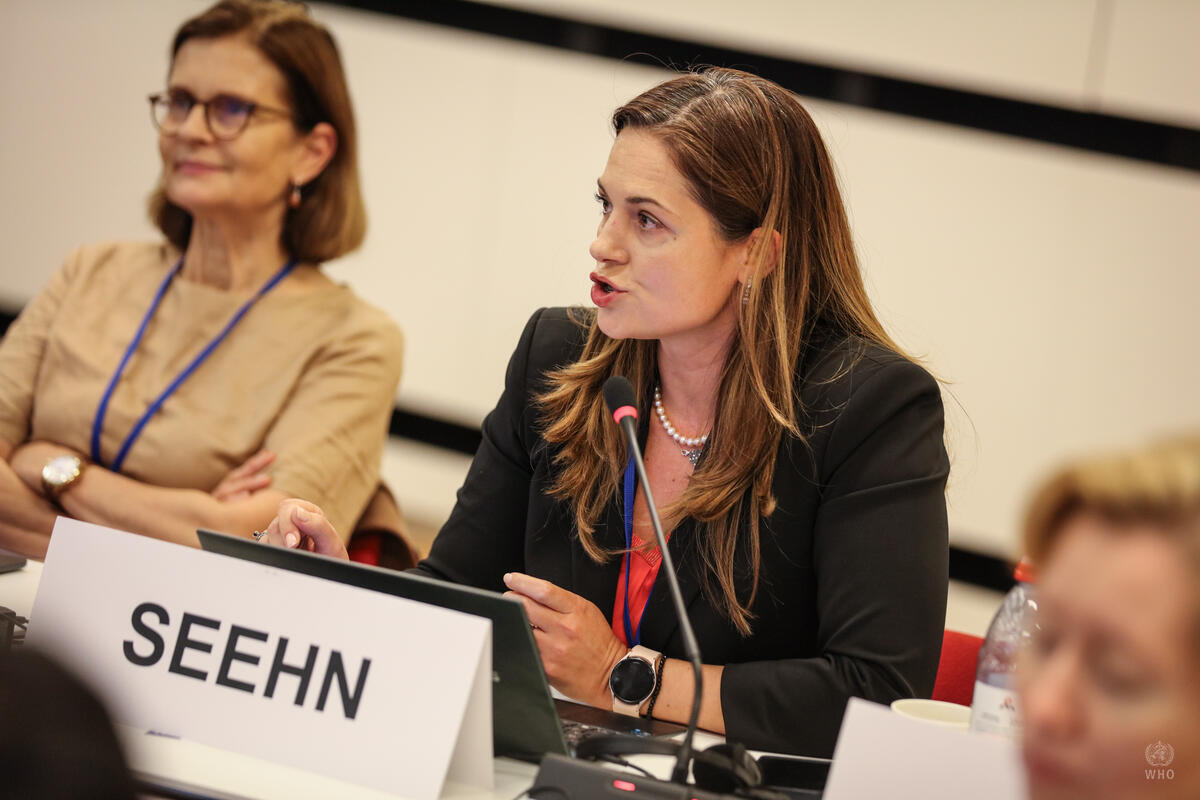
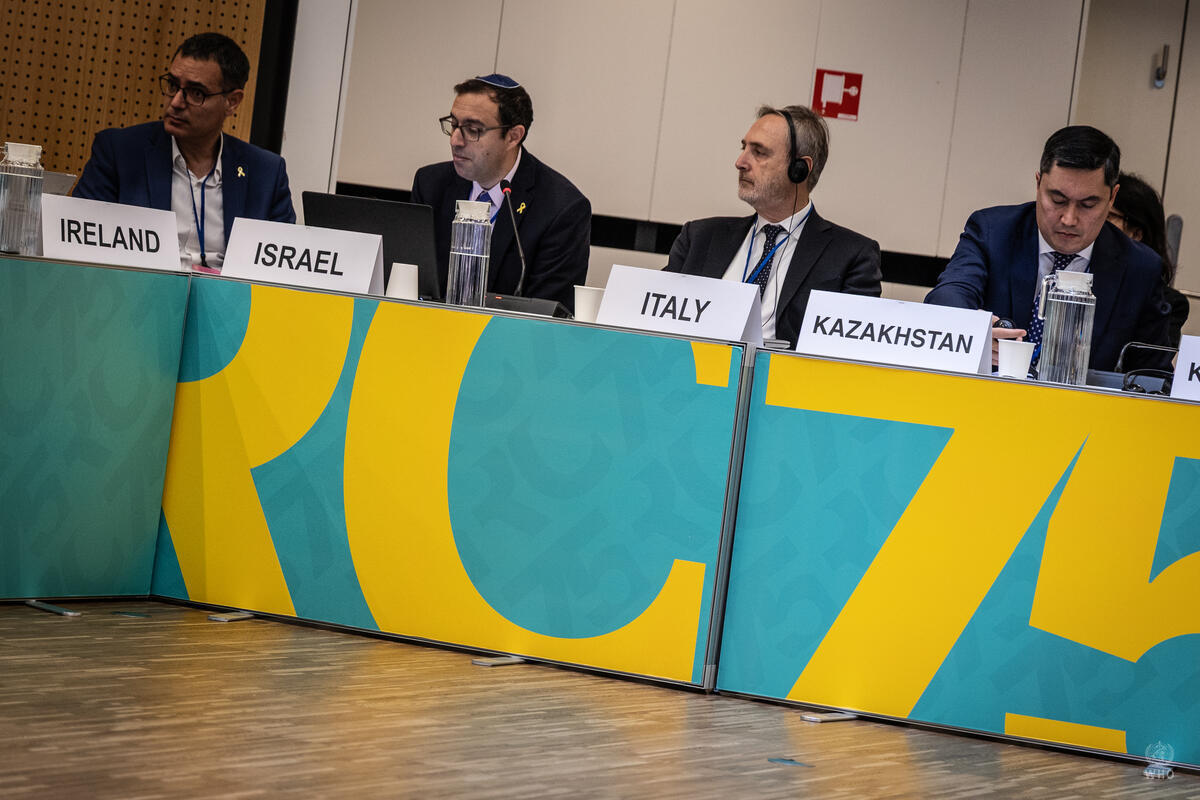
The South-Eastern Europe Health Network (SEEHN) reaffirmed its strong commitment to advancing health innovation during the 75th Session of the WHO Regional Committee for Europe (RC75), held in Copenhagen, Denmark.

Dr. Tatiana Păduraru, Head of the SEEHN Secretariat, delivered a statement on Agenda Item 9 – A Strategy on Harnessing Innovation for Public Health in the WHO European Region 2025–2030, expressing SEEHN’s full support for WHO/Europe’s forward-looking framework.

In her speech, Dr. Păduraru emphasized that innovation is crucial for remaining relevant and resilient in today’s rapidly evolving health landscape. For South-Eastern Europe, innovation provides transformative opportunities to bridge resource gaps, solve workforce challenges, and strengthen health systems.

She emphasized that SEEHN has already started this journey through initiatives promoting digital transformation, human capital development, and equitable access to health innovations. These efforts closely align with the five pillars of the WHO/Europe Innovation Strategy and demonstrate SEEHN’s ongoing efforts to build a collaborative innovation space across the region.

Dr. Păduraru emphasized SEEHN’s willingness to collaborate with WHO/Europe as a regional implementation partner, ensuring that innovation results in concrete improvements in health outcomes.

“Innovation is not an abstract concept—it is the practical means by which we make health systems more inclusive, adaptive, and effective. SEEHN is committed to turning innovative ideas into real progress for all countries of South-Eastern Europe,”
said Dr. Tatiana Păduraru.

The intervention concluded with a reaffirmation of SEEHN’s commitment to fostering partnerships, equity-driven innovation, and regional solidarity in pursuit of a healthier and more resilient European Region.

SEEHN Presidency Highlights Regional Priorities at the 75th Session of the WHO Regional Committee for Europe

SEEHN Presidency Highlights Regional Priorities at the 75th Session of the WHO Regional Committee for Europe

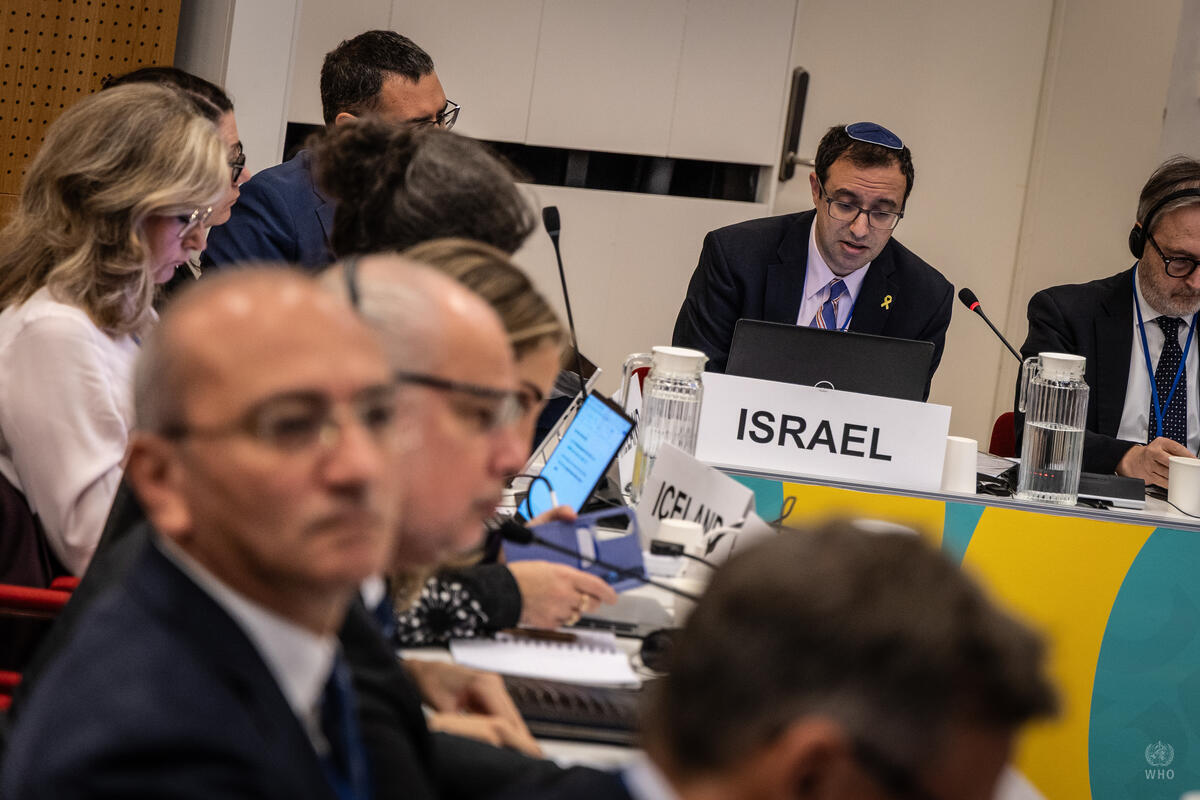
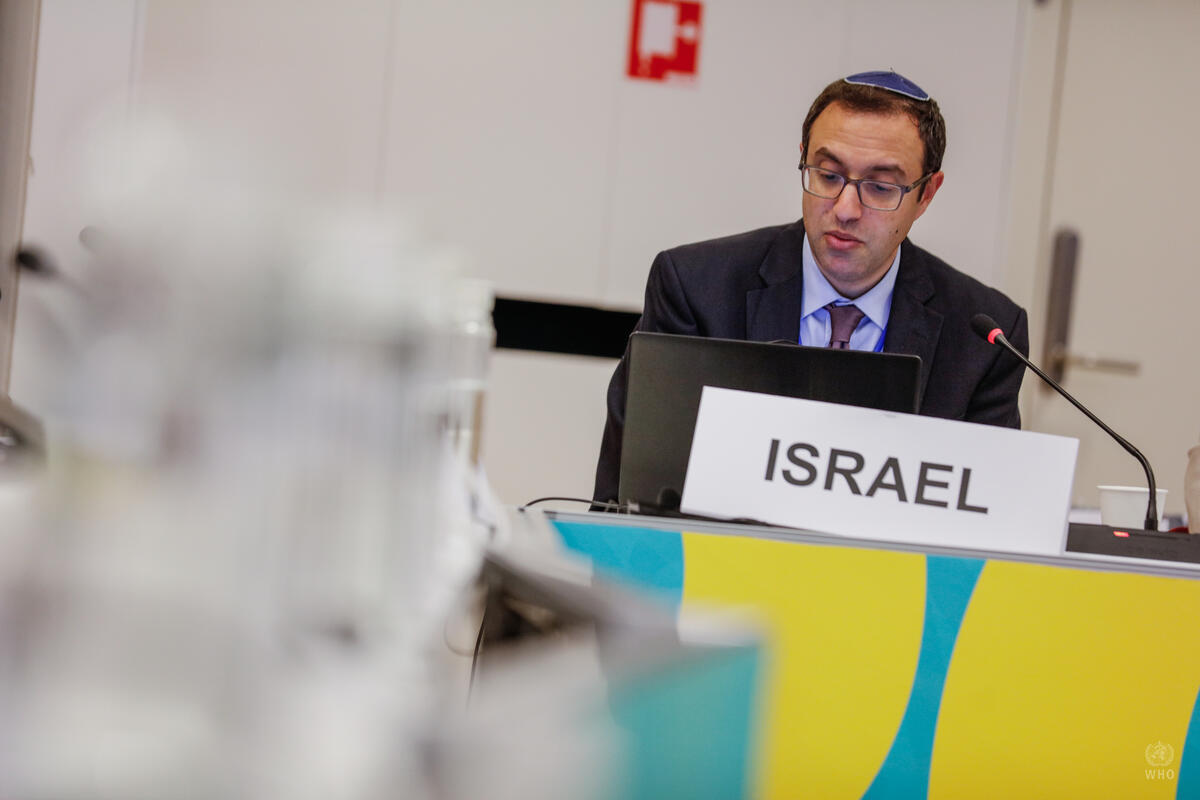
The South-Eastern Europe Health Network (SEEHN), under Israel’s Presidency, participated actively in the 75th Session of the WHO Regional Committee for Europe (RC75), held in Copenhagen, Denmark, from October 28 to 31, 2025.

Throughout the session, speaking on behalf of the SEEHN Member States — Albania, Bosnia and Herzegovina, Bulgaria, Israel, the Republic of Moldova, Montenegro, North Macedonia, Romania, and Serbia — the Israeli Presidency highlighted the network’s dedication to building resilient health systems rooted in solidarity, innovation, and collaboration.

During the general debate, SEEHN reiterated its strong support for the Second European Programme of Work 2026–2030 (EPW2) and its focus on health security, climate change, noncommunicable diseases, and ageing, all underpinned by digital transformation and innovation. The statement emphasized SEEHN’s regional progress in emergency preparedness, health workforce strengthening, and healthy ageing, while reaffirming solidarity and cooperation as guiding principles for the region.

In the discussions on Aging and Well-being, SEEHN emphasized the results of the regional Healthy Aging Workshop held in Montenegro in September 2025, highlighting the importance of evidence-based policy, equity, and regional cooperation as key drivers for an aging population.

Under the agenda item on Child and Adolescent Health and Well-being, SEEHN praised WHO/Europe and UNICEF for their joint strategy and reaffirmed its dedication to enhancing maternal, newborn, and adolescent health through stronger systems, digital innovation, and cross-border cooperation.

The SEEHN Presidency’s actions reflected the Network’s vision of shared regional progress, demonstrating how Member States turn global and European strategies into tangible efforts through collaboration, innovation, and solidarity.

SEEHN expressed gratitude to WHO/Europe and Dr. Hans Henri P. Kluge, Regional Director for Europe, for their continued partnership and leadership in supporting regional health priorities.

Photo: WHO/Europe – Source: https://www.who.int/europe/about-us/governance/regional-committee/75th-session-of-the-who-regional-committee-for-europe
SEEHN Strengthens Regional Nursing Leadership at the 21st National Symposium of the Macedonian Association of Nurses and Midwives

SEEHN Strengthens Regional Nursing Leadership at the 21st National Symposium of the Macedonian Association of Nurses and Midwives

Ohrid, North Macedonia – October 2025

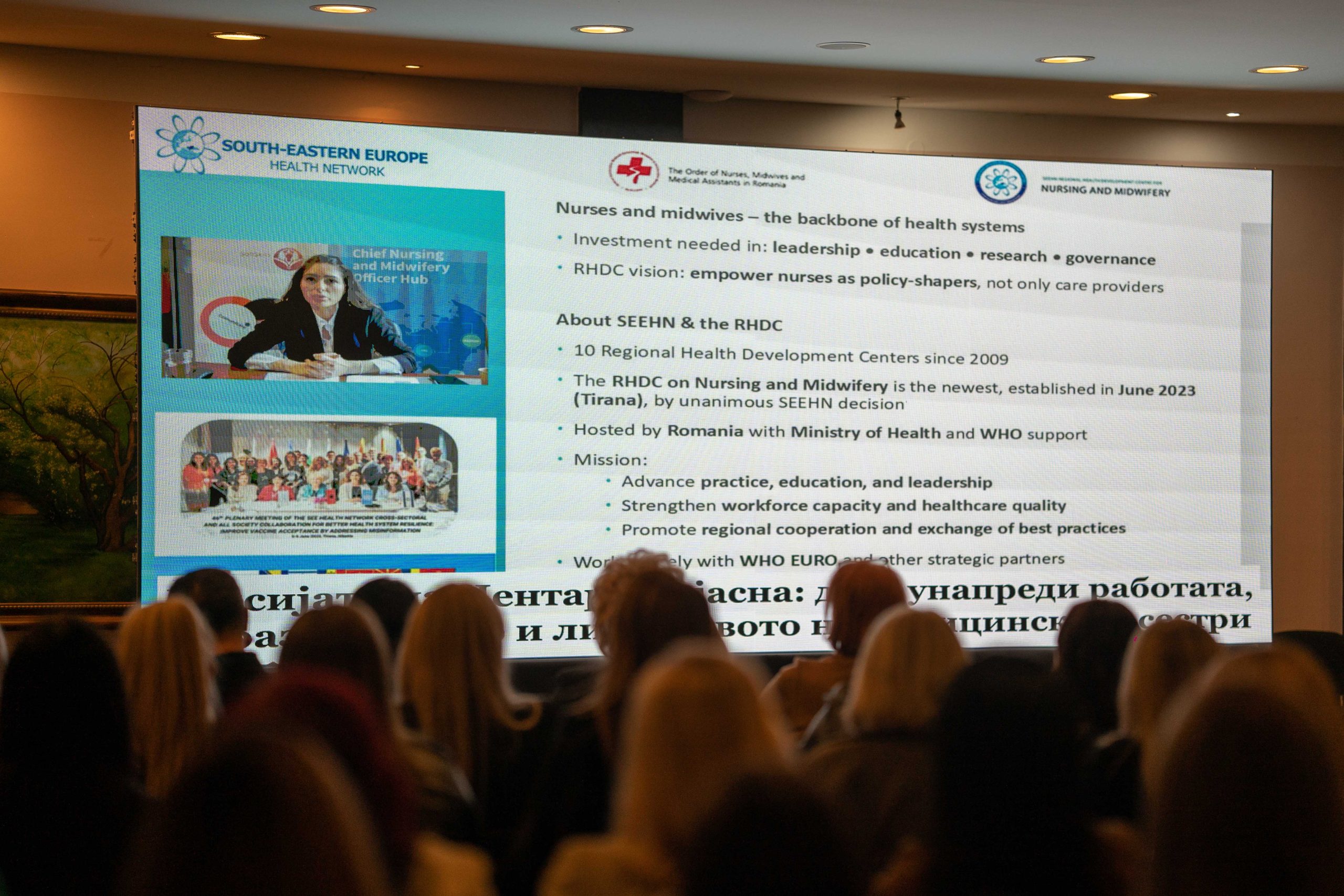
The South-Eastern Europe Health Network (SEEHN) was represented at the 21st National Symposium of the Macedonian Association of Nurses and Midwives, held in Ohrid under the theme “Nursing and Midwifery – Challenges and Opportunities for the Future”, organized by the Macedonian Association of Nurses and Midwives (ZMSTAM).

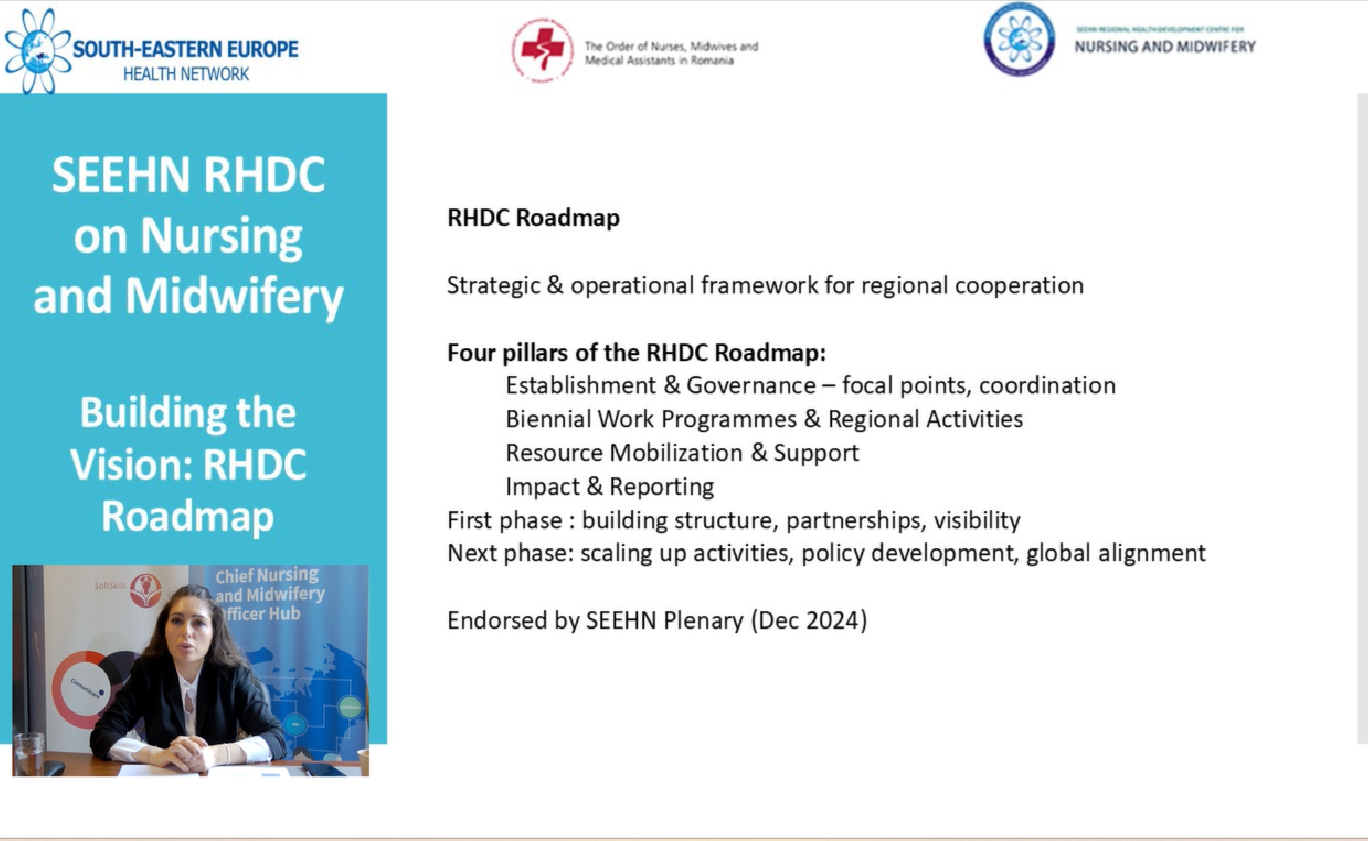
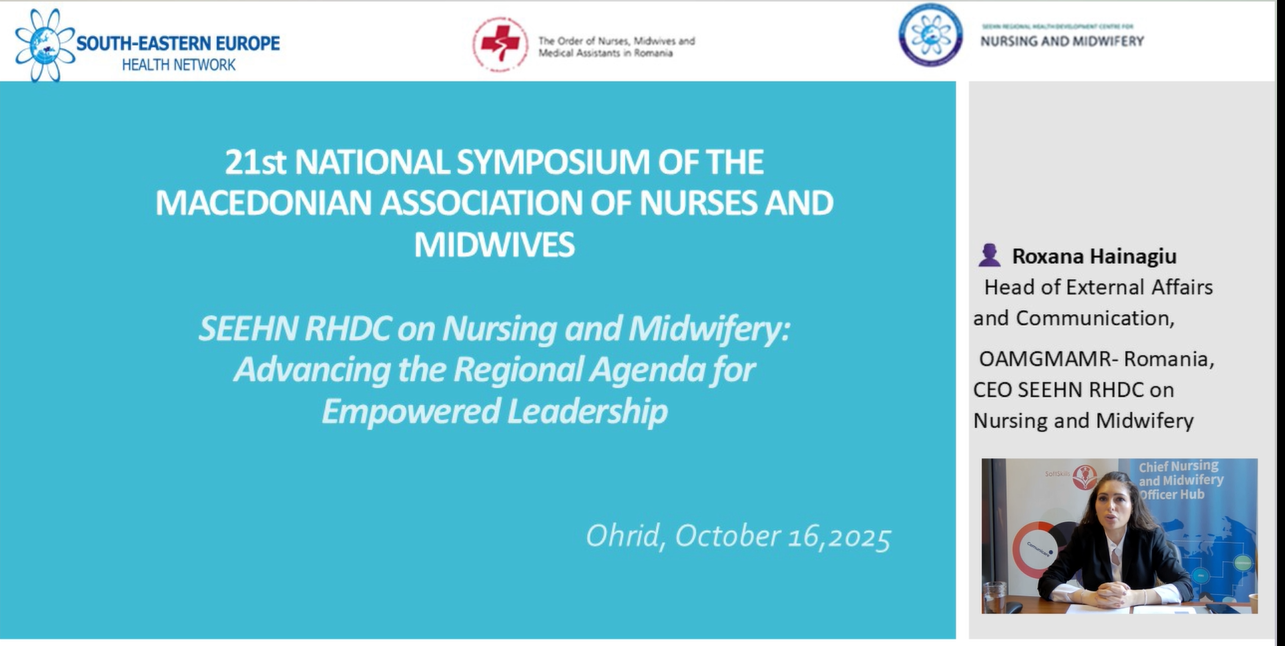
Ms. Roxana Hainagiu, CEO of the SEEHN Regional Health Development Centre (RHDC) on Nursing and Midwifery, hosted by the Order of Nurses, Midwives and Medical Assistants of Romania, delivered a video recorded presentation titled “Advancing the Regional Nursing and Midwifery Agenda for Empowered Leadership” .

In her address, Ms. Hainagiu conveyed the greetings and messages of Dr. Tatiana Păduraru, SEEHN Head of Secretariat, and Mr. Mircea Timofte, President of the RHDC on Nursing and Midwifery and President of the Romanian Order of Nurses, Midwives and Medical Assistants. Both leaders commended the dedication of the Macedonian nursing and midwifery community to advancing professional leadership, governance, and education, emphasizing that “nurses and midwives are the backbone of every health system, and investing in their leadership means investing in resilient and equitable health systems.”

Highlighting the RHDC’s milestones since its establishment in 2023, Ms. Hainagiu presented ongoing regional initiatives on workforce data, leadership development, and evidence-based policy, carried out in partnership with the World Health Organization (WHO) and the SEEHN Secretariat.

Her intervention reaffirmed SEEHN’s continued commitment to strengthening nursing and midwifery across South-Eastern Europe, fostering regional cooperation, and contributing to the global agenda for health workforce sustainability.