News
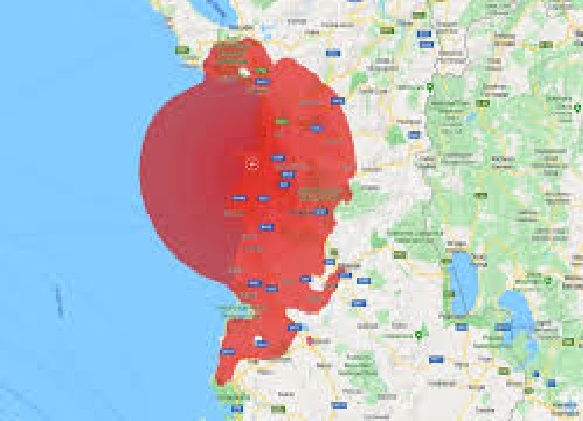
n #SEEHN is deeply saddened with the news on the earthquake that has struck Albania and also the whole Region.
nnnnThis is a very difficult time for Albanian people.
nnnn#SEEHN is expressing solidarity and its thoughts are with people from the affected areas.
n
News
n18–22 November 2019
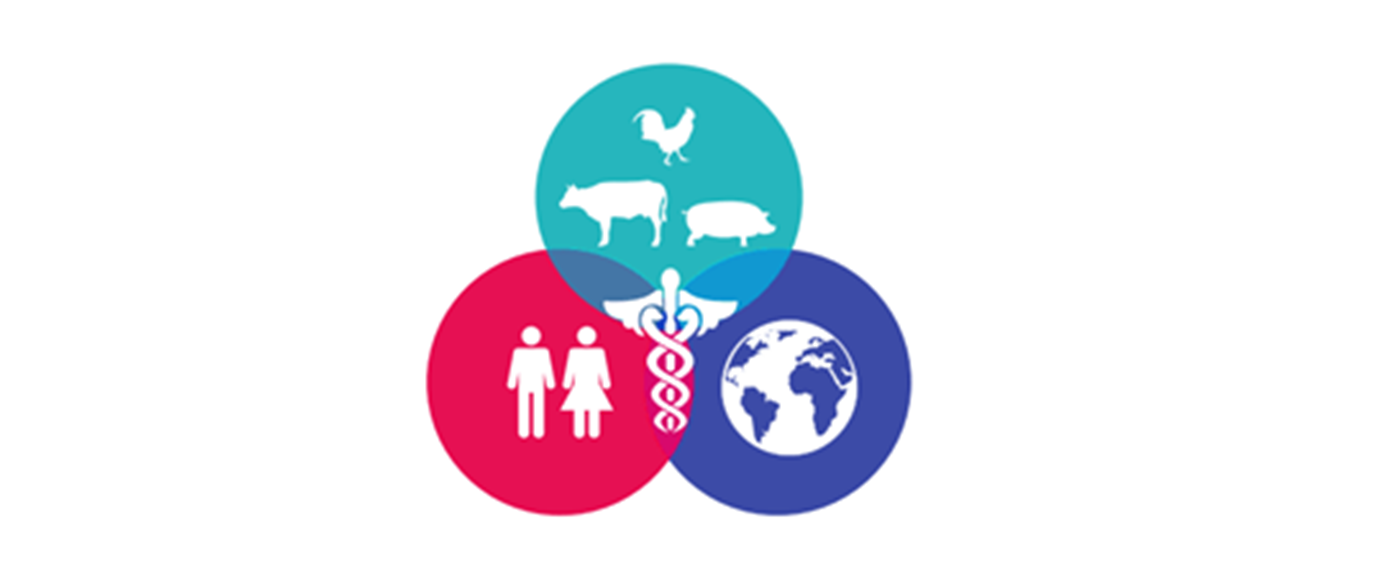
nnnnWorld Antibiotic Awareness Week this year has the aim to spot the attention towards a “one health” approach.
nnnnHuman, animal and environment are One health. Improper use of antimicrobials in both humans andnanimals is accelerating antimicrobial resistance (AMR) with potentiallyndevastating consequences for health and future of the health systems.
nnnnResistance of microbes to antibiotics knows no bordersntherefore advocating for a responsible and prudent use of antibiotics acrossnsectors and countries to protect people’s health is a must.
nnnnAMR is constantly increasing since 2001 and will continue this trend if no effective action is put in place. Currently, close to one in five infections in the EU/EEA is due to antibiotic-resistant bacteria.nIn some countries, like Romania, about 40% of infections are due tonantibiotic-resistant bacteria. The predictable scenario of growing AMR to the second-line and third-line antibiotics is an alarm not only for our health system financing sustainability knowing that there are no new options against resistant bacteria’s.
nnnnThe health burden of infections duento bacteria with AMR in the EU/EEA population is comparable to that of influenza,ntuberculosis and HIV/AIDS combined.[1] Each year, in the EU/EEA, more than 670 000 infections occurndue to bacteria with AMR. 33 000 people die as a direct consequence of theseninfections. If nothing is put in place to take measures, up to 1.1 billionnEuros are expected to be spent yearly between 2015 and 2050 due to AMR innEU/EEA.
nnnnThe WHO Global Action Plan on AMR hasnset “best buys” policies:
nnnn• improving hygiene in health carenfacilities, including promotion of hand hygiene and better hospital hygienen(e.g. disinfection of surfaces and equipment in hospitals);
nnnn• stewardship programmes promotingnmore prudent use of antibiotics to end decades of over-prescription;
nnnn• use of rapid diagnostic tests innprimary care to detect whether an infection is bacterial or viral;
nnnn• delayed prescriptions; and
nnnn• public awareness campaigns.nnSEEHNnis dedicated to the high importance to raise awareness of antibioticalnresistance and in partnership with its Regional Health Development Center basednin Sofia Bulgaria is planning a series of actions in 2020. nn
nnnn
nnnn[1] https://www.oecd.org/health/health-systems/AMR-Tackling-the-Burden-in-the-EU-OECD-ECDC-Briefing-Note-2019.pdf
n

News
nIt became an official United Nations Day in 2006 with the passage of United Nation Resolution 61/225. It is marked every year on November 14th, the birthday of Sir Frederick Banting, who co-discovered insulin along with Charles Best in 1922. The primary aim of the World Diabetes Day and World Diabetes Month 2019 campaign is to raise awareness of the impact that diabetes has on the family and to promote the role of the family in the management, care, prevention and education of the condition.
nnnnThe WDD 2019 has three main focus areas:
nnnn- Discoverndiabetes
- Preventntype 2 diabetes
- Managendiabetes
nnnnDETECTING DIABETES EARLY INVOLVES THE FAMILY TOO
nnnnOne in every two people with diabetes is undiagnosed.nEarly diagnosis and treatment are key to helping prevent or delaynlife-threatening complications.
nnnnIf diabetes is not detected early, it can lead tonserious disability or death. Diabetes is a leading cause of blindness,namputation, heart disease, kidney failure and early death. Know the signs andnsymptoms to protect yourself and your family.
nnnnManagingndiabetes requires daily treatment, regular monitoring, a healthy lifestyle and ongoing education. Family support is key
nnnnAll health professionals should have the knowledge andnskills to help individuals and families manage diabetes
n