The South-eastern Health Network (SEEHN) is pleased to announce the designation of a New Regional Health Development Centre on Sexual and Reproductive Health, hosted by the East European Institute of Reproductive Health (EEIRH) in Romania. Romania is a strong example of success and continued regional cooperation in the area of sexual and reproductive health. In its capacity as EU Member State, Romania is ready to share with its partners in the Network the experience gathered during the accession and integration process and to promote the EU principles and policies in this particular health area. In the last 20 years, the East European Institute of Reproductive Health in Romania has been providing valuable technical assistance in sexual and reproductive health to countries in Eastern Europe and Central Asia, including several SEEHN Member States. EEIRH is also acting as a UNFPA regional partner, promoting the right of women and men to sexual and reproductive health, the right to a life without gender-based violence and to a healthy and dignified ageing. To fulfill this mission, EEIRH provides policy advisory work, consultancy and technical assistance, develops and implements research, training and communication programmes and projects. In all its activities, EEIRH promotes dialogue, partnerships and international cooperation with commitment to supporting the achievement of the Sustainable Development Goals, in particular Goals 3 and 5, through the combined efforts of governments, civil society organizations and the private sector, in the context of a stronger and more effective partnership for development.
nnnnnnnn
Dr. Mihai Horga – Director of the RHDC
nnnn
East European Institute for Reproductive Health n1 Moldovei St. nTirgu-Mures, Romania nTel.: +40 265 255532, +40 265 255931 nMobile: +40 744 602488 nE-mail: [email protected] nwww.eeirh.org
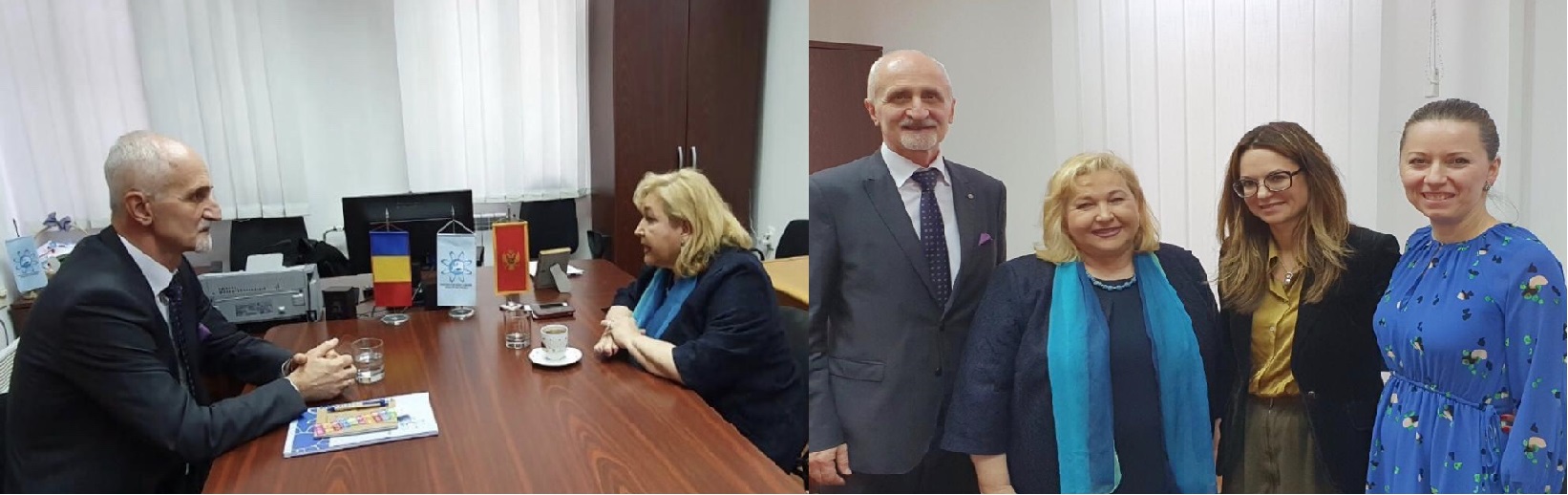
#SEEHN Secretariat Director Dr Mira Jovanovski Dasic welcomed Dr. Mihai Horga, Director Eastern European Institute of Reproductive Health and SEEHN Regional Health Development Center (RHDC) on Sexual and Reproductive health hosted by Romania to discuss activities and exchange ideas aimed to improve sexual and reproductive health in the SEE Region in 2020.
28 November 2019, Shtip, Republic of North Macedonia
nnnn
Through the SEEHN Chisinau Pledge, adopted in 2017, MembernStates committed themselves to work Regionally towards the achievement of thenSustainable Development Goals by 2030. To achieve the
nnnn
SDG 10, it isnnecessary to reduce inequality within and among countries and this can benachieved also by improving health literacy.
nnnn
Health literacy is not just a concept – it shapes people’snhealth every day from day one when we are born to our last day.
nnnn
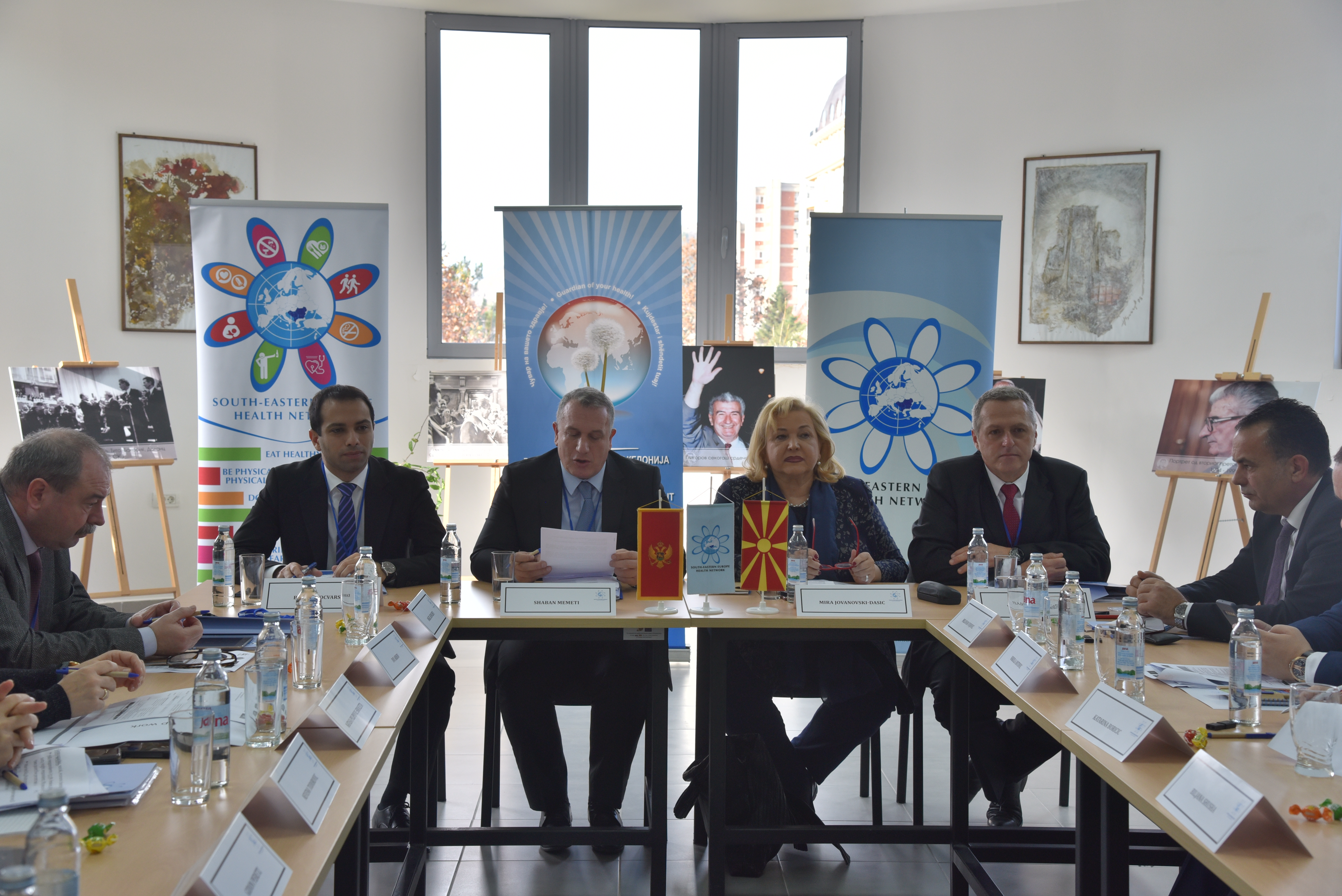
SEEHN in partnership with the Ministry of Health of NorthnMacedonia and the SEEHN Regional Health Development Center on Public HealthnServices hosted by North Macedonia for the first time is tackling thisnsubject. Health literacy plays annimportant role in how well individuals can access the health system and receivenquality care.
nnnn
This meeting is the first one to provide space for mappingnthe situation that is currently in place in all 9 SEEHN Member States and tondiscuss and agree recommendations for the continuous Regional joint effortsnwith the objective to agree on several policy response options to be takennforward.
nnnn
WHO Deputy DG, FormernWHO Regional Director Dr Jakab is declaring that “health is a politicalnchoice”, indeed in this case we need strong commitments and action fromneveryone: ministry of health, other sectors: education, finance, economy;ncommunity leaders, civil society, the private sector, and individuals.nEffective responses to health literacy issues can improve health outcomes andnreduce health inequities. During this meeting it will also be discussed andnstressed that individuals have not only the responsibility for their health butnalso need knowledge and infrastructure to make healthy choices.