Invitation
nn
n
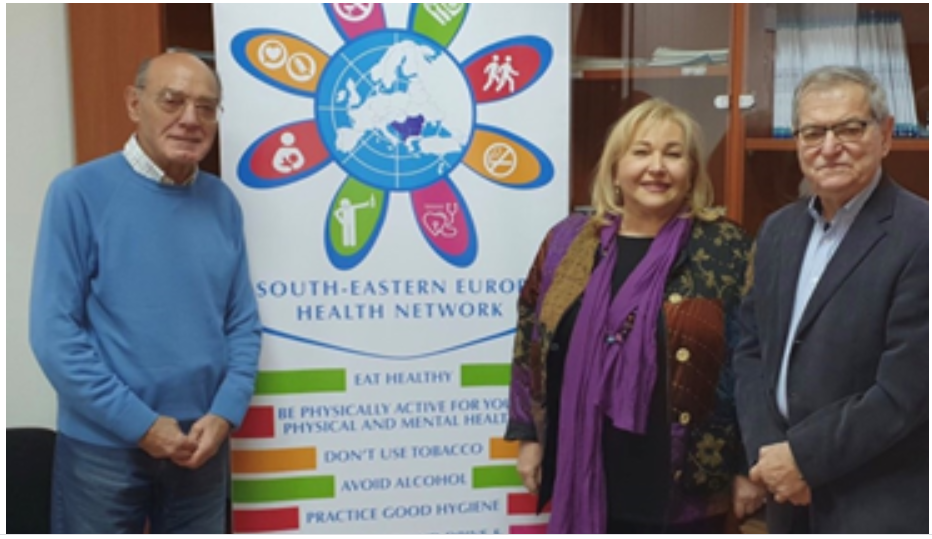
SEEHN Director Dr Mira Jovanovski Dasic welcomed Mr Dragan Janjatov Editor-in-Chief and Mr Dimitar Belcev Deputy Editor-in-Chief from the journal Diplomatski Letopis. SEE Health Network activities have been presented and discussed.
nnnnDiplomatski Letopis in its latest edition presents the Regional initiatives hosted by the Republic of North Macedonia.
nnnnhttps://www.diplomatskiklub.org.mk/images/diplomatski-letopis-br-8.pdf
https://www.diplomatskiklub.org.mk/mk/

Workshop on Reducing Health Inequality (SDG10) by Improving Health Literacy, has been organized by the SEEHN Secretariat, SEEHN RHDC on Public Health Services and the Ministry of Health of the Republic of North Macedonia on 28 November in Shtip, Republic of North Macedonia under the Presidency of Montenegro.
Summary report “REDUCING HEALTH INEQUALITY (SDG10) BY IMPROVING HEALTH LITERACY”
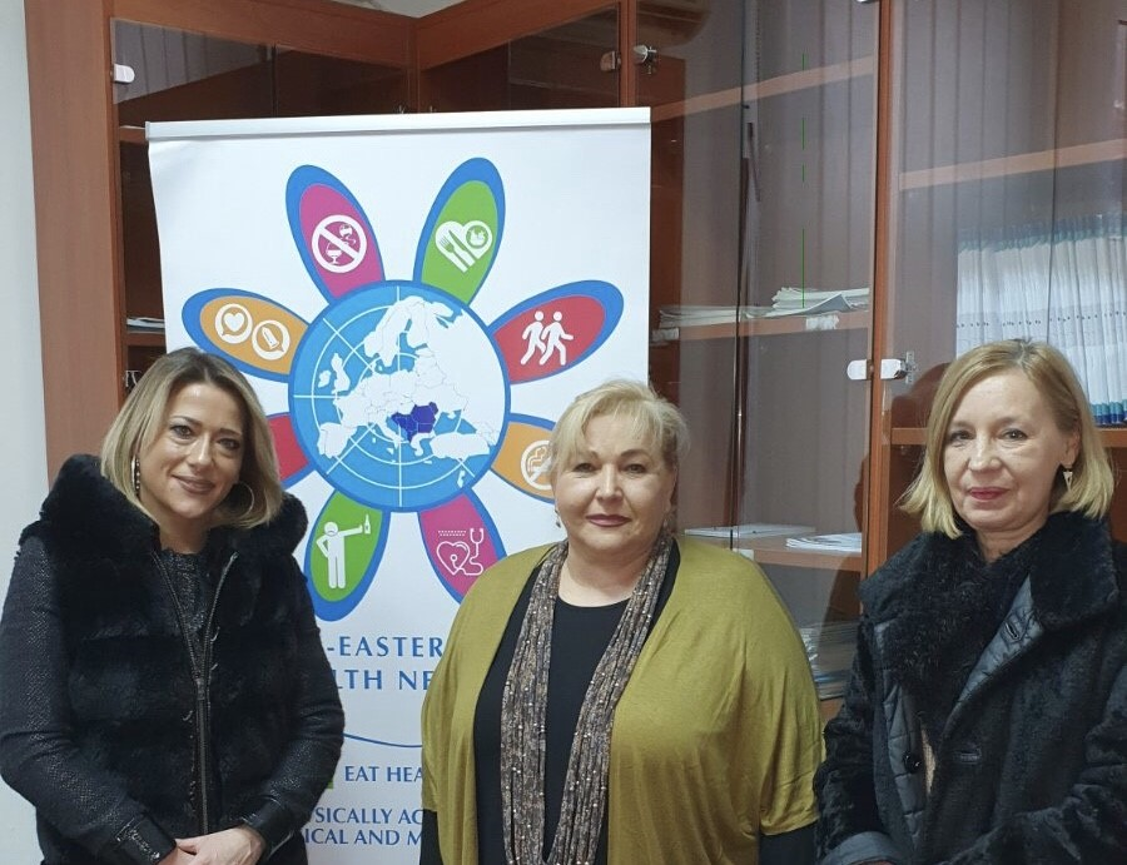
A fruitful meeting at SEEnHealth Network Secretariat premises with H.E. Ms. Marija Petrovic, MontenegrinnAmbassador to North Macedonia.
nnnnIt was discussed thenorganization of the Montenegro Coffee Morning, under the auspices of thenMontenegrin Presidency of SEEHN.
nnnnThe Embassy of Montenegrontogether with the Secretariat of SEE Health Network and the “Dobredojde”nMacedonia Welcome Centre, on February 6, 2020 in Skopje the Republic of North Macedonianwill hold an event dedicated to Montenegro and the “Importance of regionalncooperation in public health to advocate with single voice that clean air is anhuman right, not a privilege!”.
n
Dear friends,n
Warmest Holiday greetings and many good wishes for a New Year of good health, happiness, peace and prosperity from all of us at SEEHN Secretariat.
Dr Mira Jovanovski Dasic

12-13 December 2019, Podgorica, Montenegro
EC TAIEX Multi-country workshop on Scaling up colorectal cancer screening programmes, organized in co-operation with SEE Health Network Regional Health Development Centre on NCD hosted by the Institute of Public Health Montenegro and SEE Health Network Secretariat within Montenegrin SEE Health Network Presidency.
Participants are from Republic of Albania, Bosnia and Herzegovina, State of Israel, Republic of Moldova, Montenegro, Republic of North Macedonia, Republic of Serbia, Turkey and Kosovo* – Western Balkans and beyond.
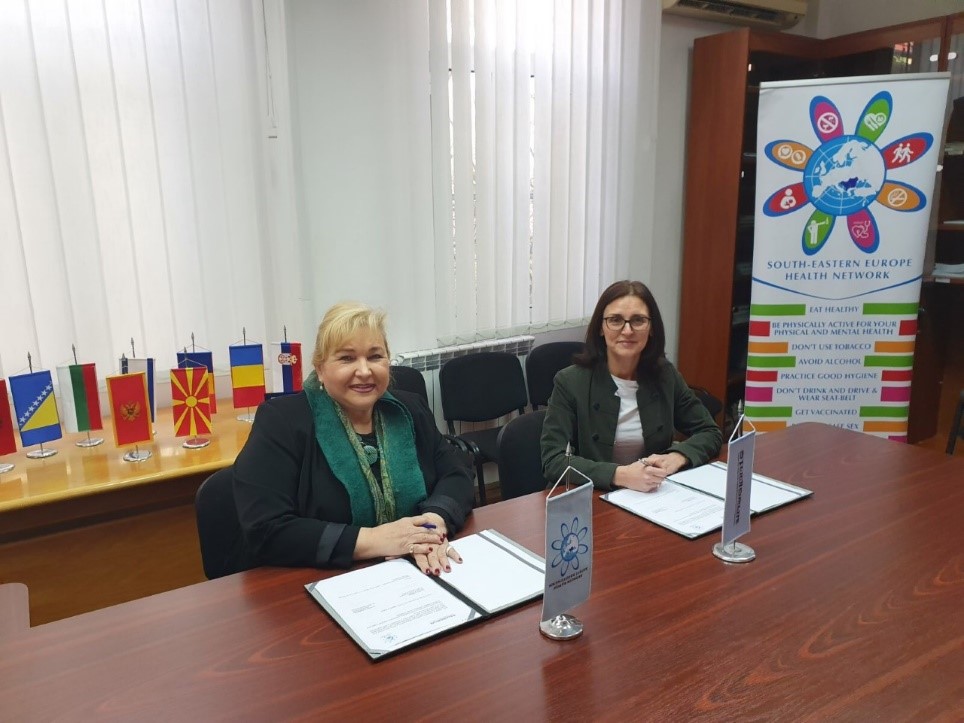
On 6 December 2019, the SEE Health Network Secretariat Director Dr MiranJovanovski Dasic and the ExecutivenDirector of the Center for Regional PolicynResearch and Cooperation Studiorum Prim Neda Milevska – Kostova at the SEEHN Secretariatnin Skopje co – signed the Renewalnof the Memorandum of Understanding (MoU) from 2013.
nnnnUnder the MoU, both sides agreed to continue enhancing regional cooperation in public health as one of the highest priority in underpinning political cooperation and economic development in the SEE region, by undertaking exchange of information, publications and joint development and/or implementation of projects and activities in the areas of mutual interest.
nnnn

nnSkopje, 29 November 2019nn
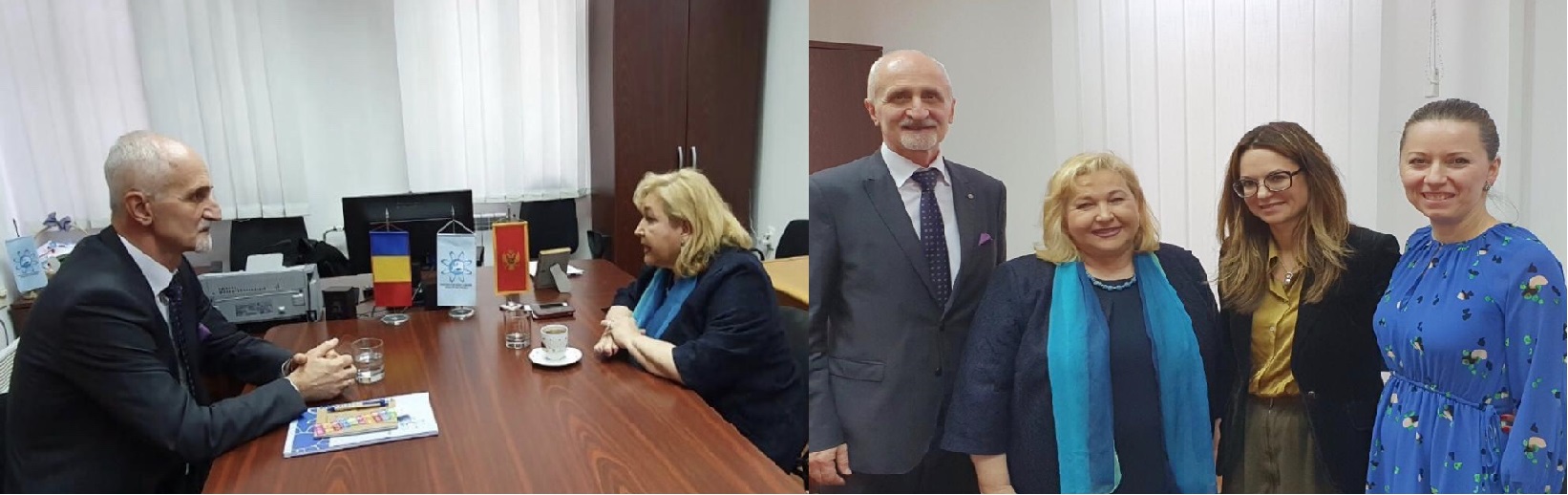
nnnn#SEEHN Secretariat Director Dr Mira Jovanovski Dasic welcomed Dr. Mihai Horga, Director Eastern European Institute of Reproductive Health and SEEHN Regional Health Development Center (RHDC) on Sexual and Reproductive health hosted by Romania to discuss activities and exchange ideas aimed to improve sexual and reproductive health in the SEE Region in 2020.
n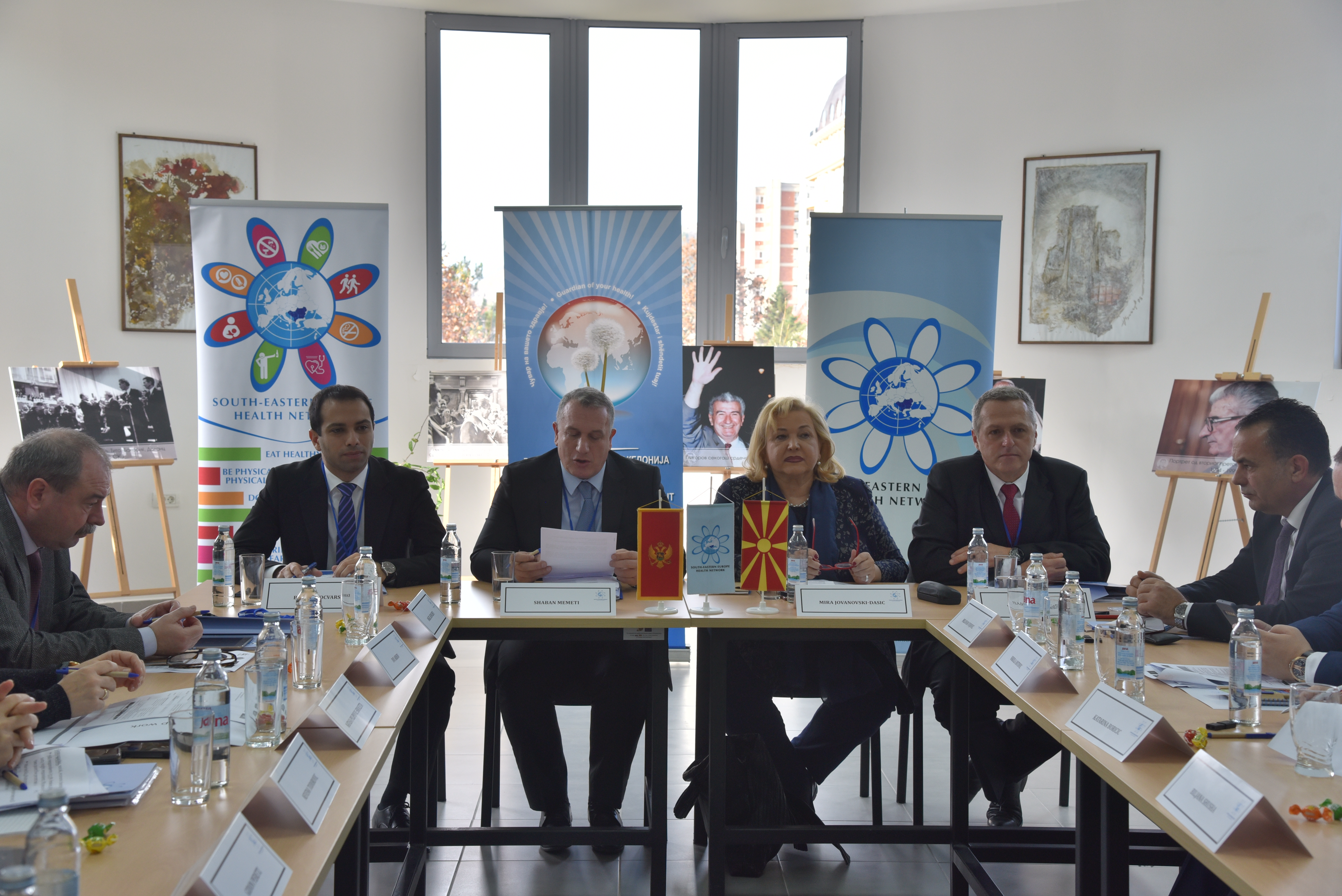
nnnn28 November 2019, Shtip, Republic of North Macedonia
Through the SEEHN Chisinau Pledge, adopted in 2017, MembernStates committed themselves to work Regionally towards the achievement of thenSustainable Development Goals by 2030. To achieve the
nnnnSDG 10, it isnnecessary to reduce inequality within and among countries and this can benachieved also by improving health literacy.
nnnnHealth literacy is not just a concept – it shapes people’snhealth every day from day one when we are born to our last day.
nnnnSEEHN in partnership with the Ministry of Health of NorthnMacedonia and the SEEHN Regional Health Development Center on Public HealthnServices hosted by North Macedonia for the first time is tackling thisnsubject. Health literacy plays annimportant role in how well individuals can access the health system and receivenquality care.
nnnnThis meeting is the first one to provide space for mappingnthe situation that is currently in place in all 9 SEEHN Member States and tondiscuss and agree recommendations for the continuous Regional joint effortsnwith the objective to agree on several policy response options to be takennforward.
nnnnWHO Deputy DG, FormernWHO Regional Director Dr Jakab is declaring that “health is a politicalnchoice”, indeed in this case we need strong commitments and action fromneveryone: ministry of health, other sectors: education, finance, economy;ncommunity leaders, civil society, the private sector, and individuals.nEffective responses to health literacy issues can improve health outcomes andnreduce health inequities. During this meeting it will also be discussed andnstressed that individuals have not only the responsibility for their health butnalso need knowledge and infrastructure to make healthy choices.
nnnn[ngg src=”galleries” ids=”4″ display=”basic_thumbnail”]n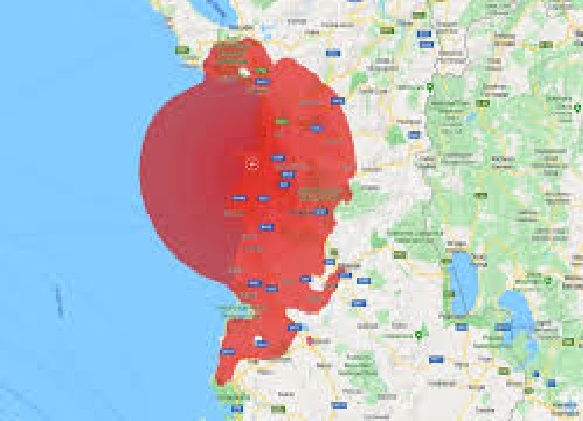
#SEEHN is deeply saddened with the news on the earthquake that has struck Albania and also the whole Region.
nnnnThis is a very difficult time for Albanian people.
nnnn#SEEHN is expressing solidarity and its thoughts are with people from the affected areas.
n
nnnn18–22 November 2019
World Antibiotic Awareness Week this year has the aim to spot the attention towards a “one health” approach.
nnnnHuman, animal and environment are One health. Improper use of antimicrobials in both humans andnanimals is accelerating antimicrobial resistance (AMR) with potentiallyndevastating consequences for health and future of the health systems.
nnnnResistance of microbes to antibiotics knows no bordersntherefore advocating for a responsible and prudent use of antibiotics acrossnsectors and countries to protect people’s health is a must.
nnnnAMR is constantly increasing since 2001 and will continue this trend if no effective action is put in place. Currently, close to one in five infections in the EU/EEA is due to antibiotic-resistant bacteria.nIn some countries, like Romania, about 40% of infections are due tonantibiotic-resistant bacteria. The predictable scenario of growing AMR to the second-line and third-line antibiotics is an alarm not only for our health system financing sustainability knowing that there are no new options against resistant bacteria’s.
nnnnThe health burden of infections duento bacteria with AMR in the EU/EEA population is comparable to that of influenza,ntuberculosis and HIV/AIDS combined.[1] Each year, in the EU/EEA, more than 670 000 infections occurndue to bacteria with AMR. 33 000 people die as a direct consequence of theseninfections. If nothing is put in place to take measures, up to 1.1 billionnEuros are expected to be spent yearly between 2015 and 2050 due to AMR innEU/EEA.
nnnnThe WHO Global Action Plan on AMR hasnset “best buys” policies:
nnnn• improving hygiene in health carenfacilities, including promotion of hand hygiene and better hospital hygienen(e.g. disinfection of surfaces and equipment in hospitals);
nnnn• stewardship programmes promotingnmore prudent use of antibiotics to end decades of over-prescription;
nnnn• use of rapid diagnostic tests innprimary care to detect whether an infection is bacterial or viral;
nnnn• delayed prescriptions; and
nnnn• public awareness campaigns.nnSEEHNnis dedicated to the high importance to raise awareness of antibioticalnresistance and in partnership with its Regional Health Development Center basednin Sofia Bulgaria is planning a series of actions in 2020. nn
[1] https://www.oecd.org/health/health-systems/AMR-Tackling-the-Burden-in-the-EU-OECD-ECDC-Briefing-Note-2019.pdf
n
It became an official United Nations Day in 2006 with the passage of United Nation Resolution 61/225. It is marked every year on November 14th, the birthday of Sir Frederick Banting, who co-discovered insulin along with Charles Best in 1922. The primary aim of the World Diabetes Day and World Diabetes Month 2019 campaign is to raise awareness of the impact that diabetes has on the family and to promote the role of the family in the management, care, prevention and education of the condition.
nnnnThe WDD 2019 has three main focus areas:
nnnnDETECTING DIABETES EARLY INVOLVES THE FAMILY TOO
nnnnOne in every two people with diabetes is undiagnosed.nEarly diagnosis and treatment are key to helping prevent or delaynlife-threatening complications.
nnnnIf diabetes is not detected early, it can lead tonserious disability or death. Diabetes is a leading cause of blindness,namputation, heart disease, kidney failure and early death. Know the signs andnsymptoms to protect yourself and your family.
nnnnManagingndiabetes requires daily treatment, regular monitoring, a healthy lifestyle and ongoing education. Family support is key
nnnnAll health professionals should have the knowledge andnskills to help individuals and families manage diabetes
n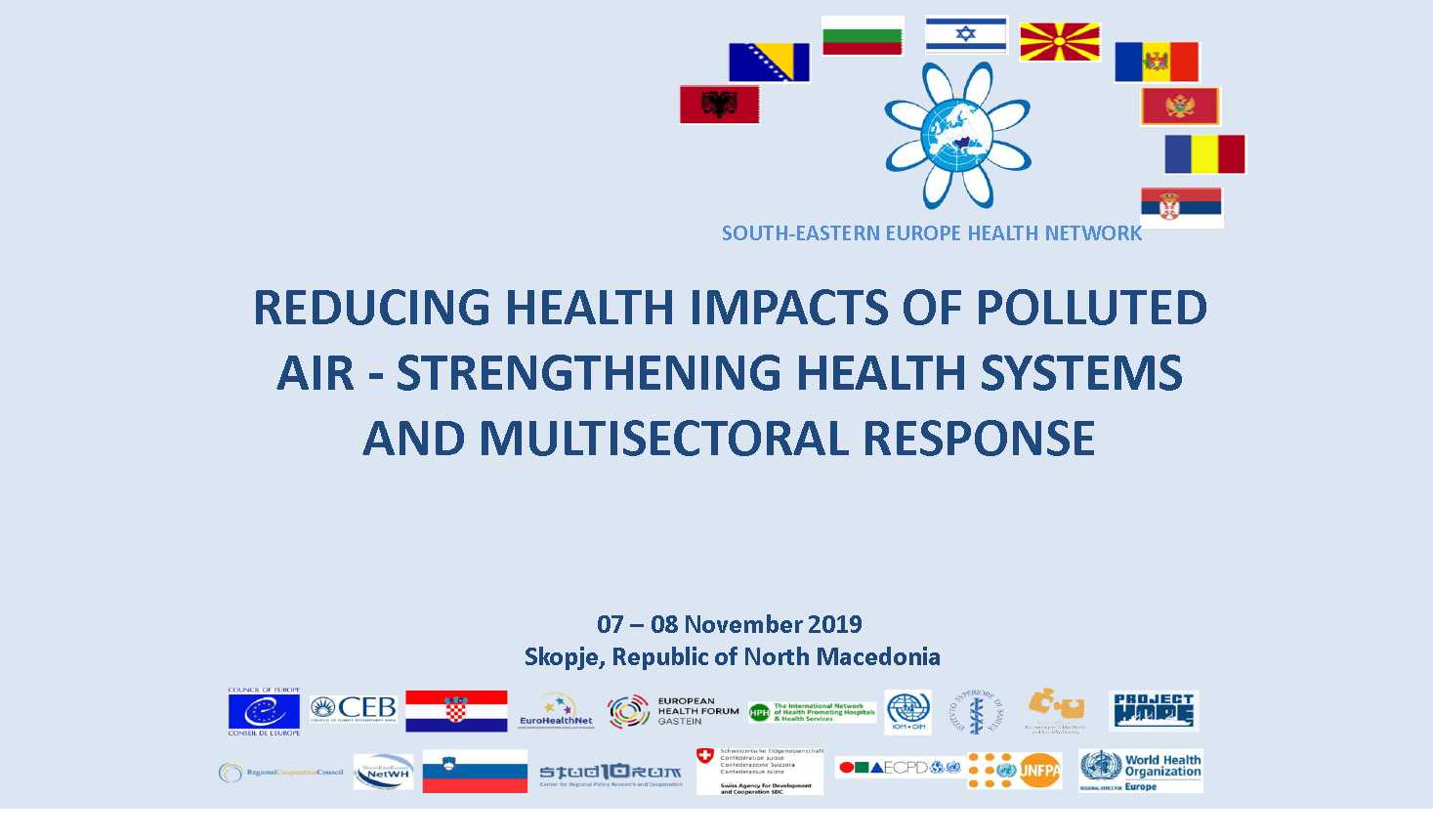
nnExperts from the SEE Region: Albania, Bulgaria, Bosnia and Herzegovina, the State of Israel, Republic of Moldova, Montenegro, the Republic of North Macedonia, Romania, the Republic of Serbia, Turkey and Kosovo* have joined today to discuss air pollution impactson health.Air pollution impacts health at National, Regional and Global level.
nnnnAn average person living in Europe loses two years of their life to the health effects of breathing polluted air. Chronic exposure to enhanced levels of fine particle matter impairs vascular function, which can lead to NCDs like myocardial infarction, arterial hypertension, stroke, and heart failure etc.
nnnnnnnnAre we ready to change and take steps in reducing air pollution in SEE?
nnnn[ngg src=”galleries” ids=”3″ display=”basic_slideshow”]n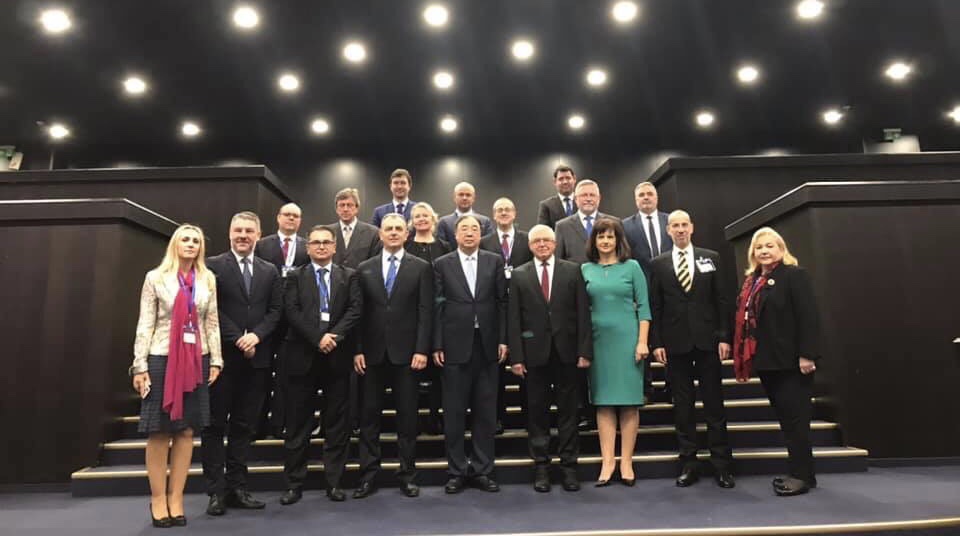
SEEHN Secretariat took active participation at the CEEC ForumDr Mira Jovanovski Dasic in her opening address called to strengthen the existing partnerships and to pave the road towards building new ones for better health. A lot of fruitful discussions, exchange of experiences under different sessions on UHC, Innovation in Health, AMR, Health Securty, Hospital Management, Traditional Chinese medicine took place.
nnnn[ngg src=”galleries” ids=”2″ display=”basic_thumbnail”]nnnnn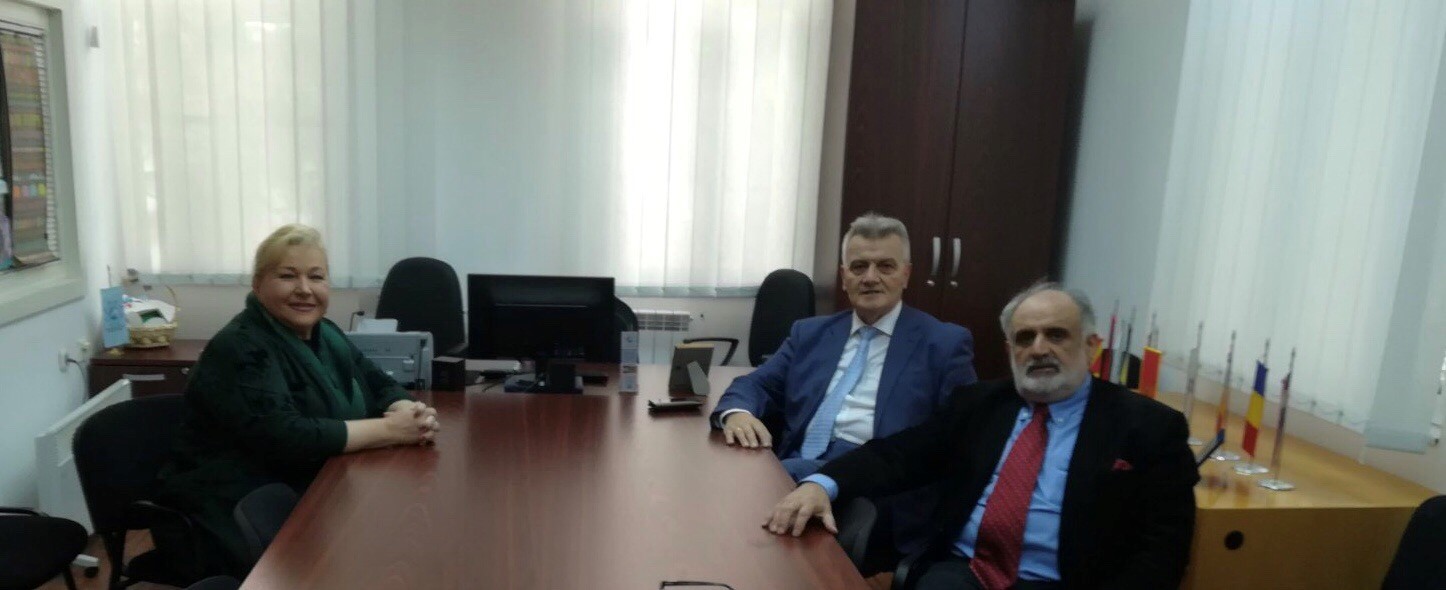
Skopje, 14 October 2019
nnnnWe had the pleasure to host at SEEHN Secretariat Profndr Miodrag Radunovic dean and Prof dr Zarko Dasic vice dean for international cooperation from thenMedical faculty in Podgorica, Montenegro. The purpose of the meeting was tonexchange perspectives aiming to address regionalncooperation and explorenpotential ways and areas ofncooperation.
n
20-21 September 2019, Istanbul, Turkey
nnnnNational focal points for influenza immunization program, persons involved in procurement of vaccines, policy makers from SEEHN member states, are attending the Workshop. Influenza vaccine policies, practices and coverage by exploring options for joint procurement of affordable influenza vaccines will be discussed.
The meeting is organized by SECID , the designated SEEHN RHDC Regional Health Development Center on communicable diseases and surveillance, hosted by Republic of Albania.
It is expected that this expert meeting will provide insightful recommendations to the policy makers from the SEEHN member states to improve the situation in influenza vaccine supply.
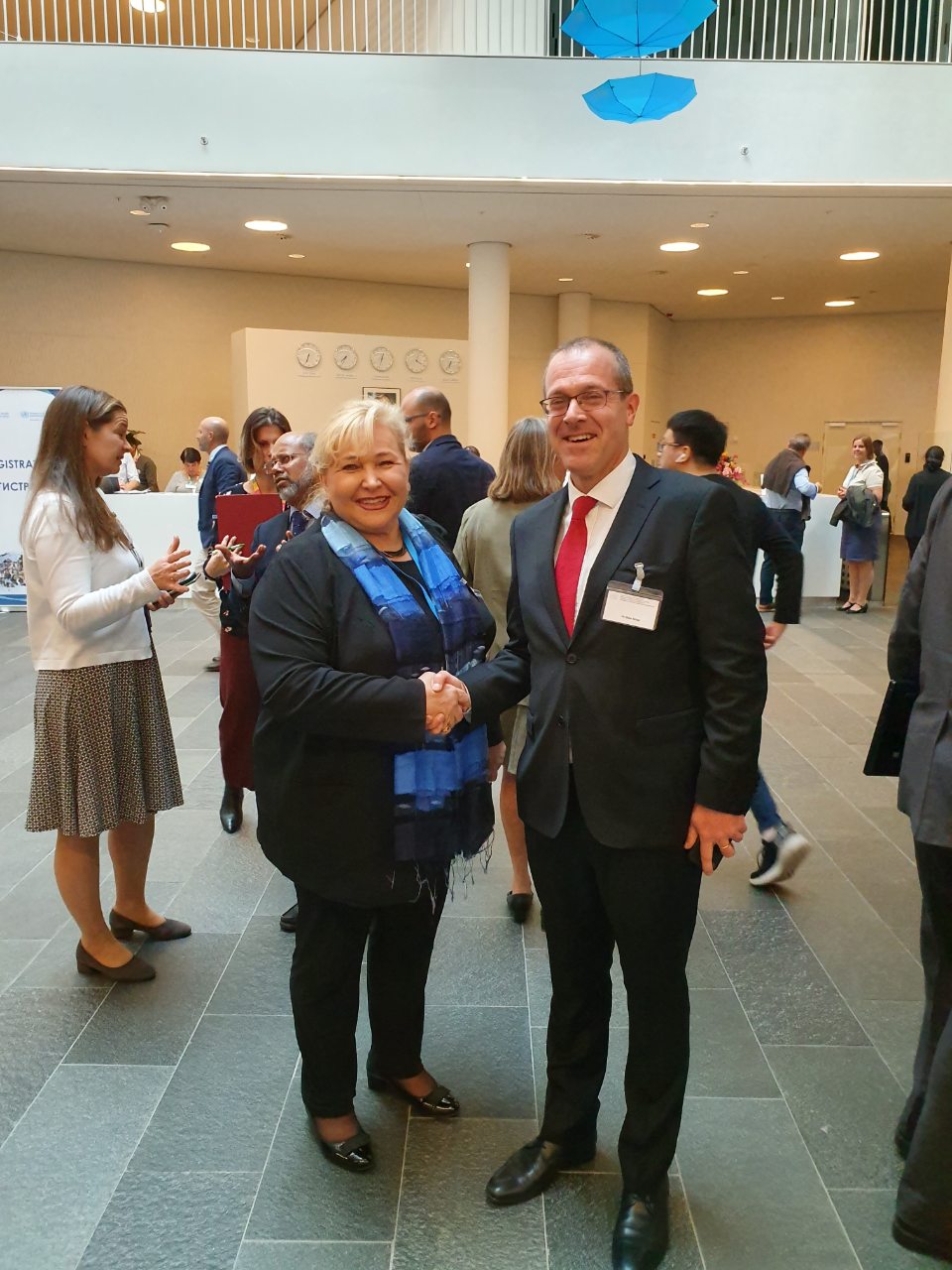
Congratulations Dr Hans Kluge for being nominated this morning to the position of Regional-Director-elect for the WHO Euro Region. SEEHN is looking forward to continue the fruitful collaboration with you in your new role.
nnnn
69th Regional Committee of World Health Organization for Europe will take place in Copenhagen, Denmark, from 16 to 19 September this year. More than 50 Member States from WHO Europe, partner organizations and civil society representatives are expected to participate this year.
This Regional Committee will have in focus the election of the new WHO Euro Regional director with whom we are looking forward to a fruitful cooperation like it has been with Dr Zsuzsanna Jakab.
South Eastern Europe Health Network Secretariat director Dr. Mira Jovanovski Dasic is going to attend this annual meeting, as well. This will also be a great opportunity for several bilateral meetings and to strengthen the positions of SEEHN within the WHO framework and to once again present the results of SEEHN’s activities and achievements.
Dr. Kenan Hrapovic, Minister of Health of Montenegro, is expected to deliver four Statements on behalf of the SEEHN Montenegrin Presidency at the 69th Regional Committee of WHO Europe in Copenhagen, Denmark.
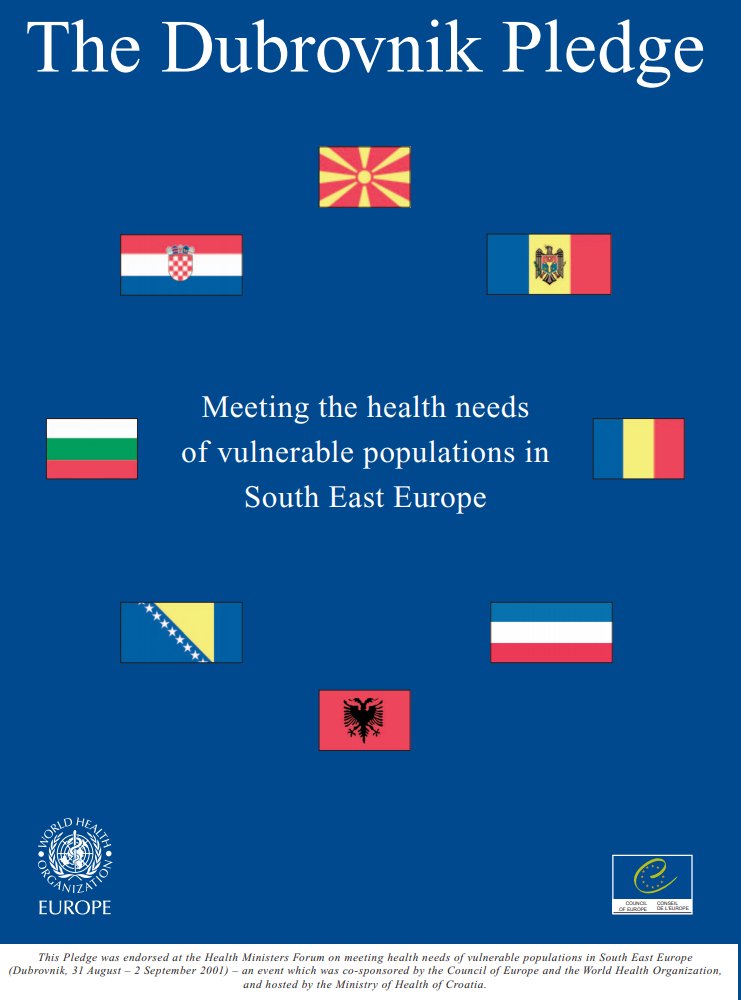
SEEHN for18 years is committed to promote and to encourage mutual efforts towards peace, health and wealth in the South Eastern Europe. The Dubrovnik Pledge is the first signed regional document that launched the Regional Political Health Alliance aimed towards ensuring equity, health gain and better quality of life.
nnnnn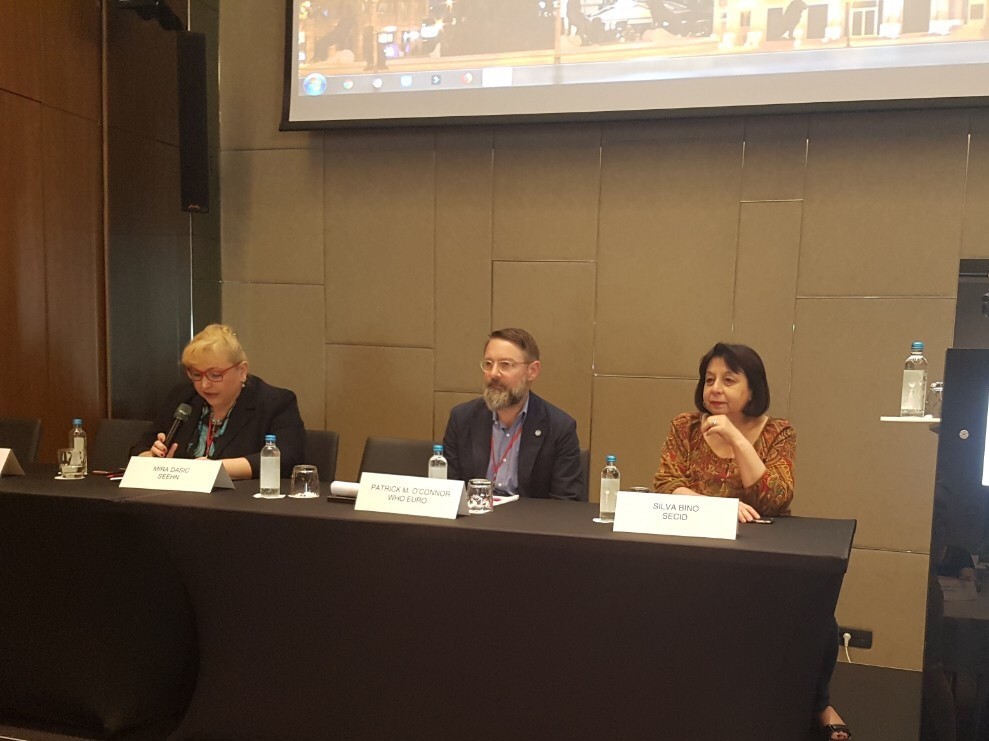
Sound and timely expert knowledge and opinion is of utmost importance for the creation of strategies, policies and waynforward to sustainable health systems.
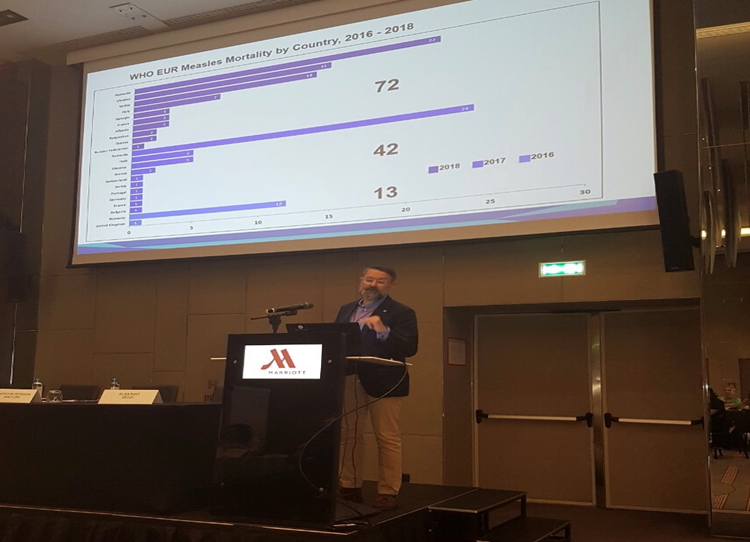
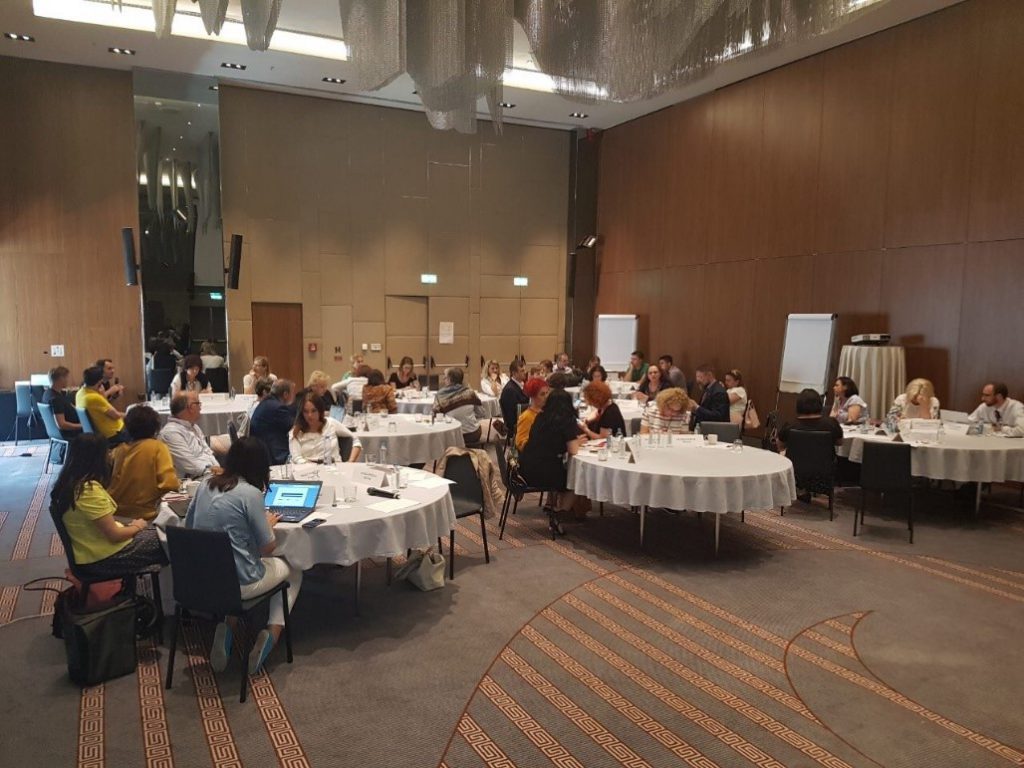
nnnnIn this respect SEEHN with its Regional Health Development Center on Surveillance andnCommunicable Disease SECID hosted by Albania, together with expert support fromnWHO Euro and with experts from the SEE Region held a one day Round table on Current Measles Outbreaksnand Response Challenges in SEE Countries, on 27 June 2019 in Skopje, NorthnMacedonia.
nnnnThe aim of this round table was tonpresent the characteristics of measles outbreaks the current challenges innorder to find the best way on how to support an effective response in SEEncountries.
nnnnAll countries in the SEE region havencommitted to eliminate measles. Most of them were even certified for measlesnelimination. There is an effective, inexpensive combined vaccine that can protectnpopulations from measles. Unfortunately, this vaccine is not used as it shouldnbe.
nnnnEach country presented their currentnmeasles situation and vaccination coverage followed by lively discussions.
nnnnConclusions and recommendations from this SEE round table will soon follow.
nnnn