In his intervention, on behalf of the Network, the Romanian Presidency of the SEEHN reflected on the regional challenges generated by the Covid-19 outbreak and emphasized the role of joint efforts and solidarity for a coherent response against the pandemic. “I would like to further call on our partners WHO, the WHO Regional Office for Europe, the European Commission and all other UN Agencies to continue the initiatives to ensure an equitable access to safe, and affordable medicines and vaccines against COVID-19 with a special focus on the most vulnerable countries and people most at risk”, the SEEHN representative concluded.
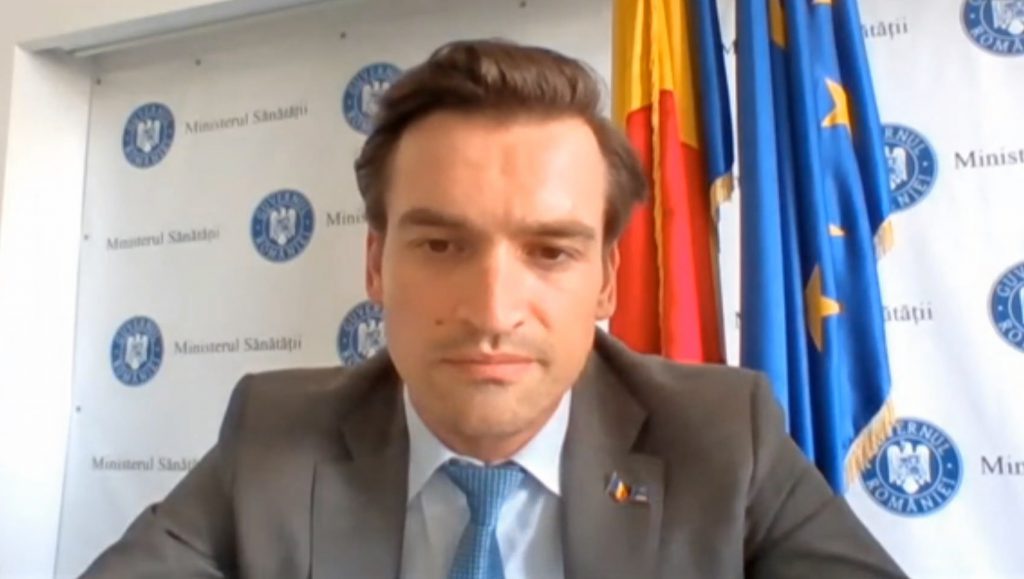
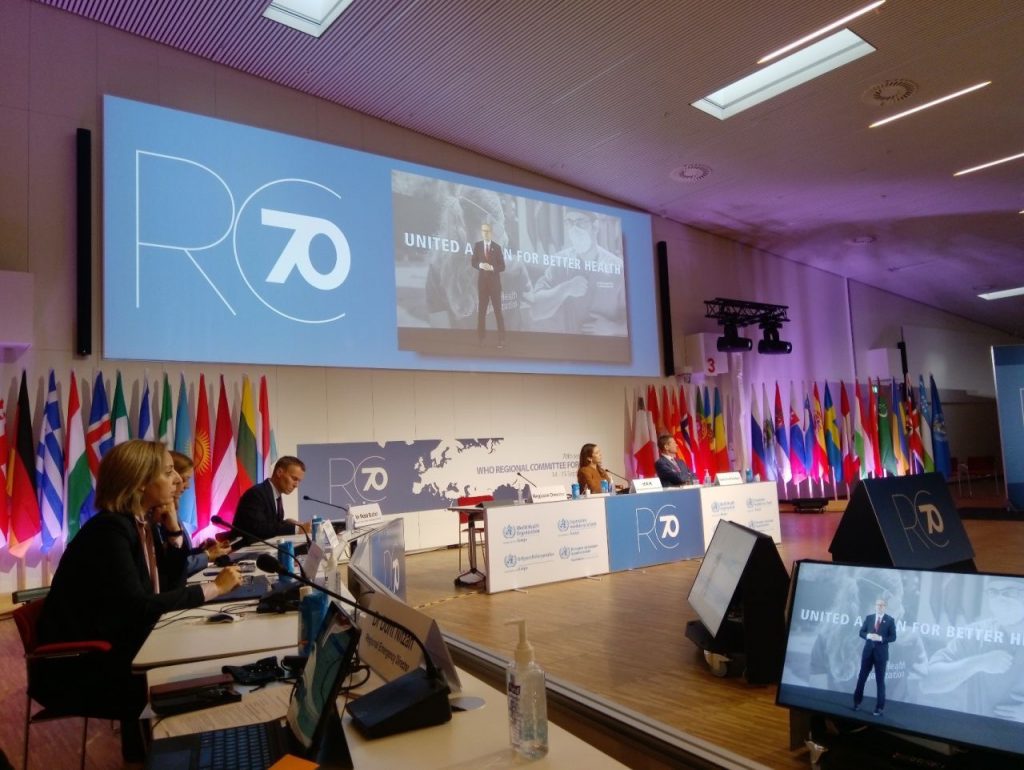
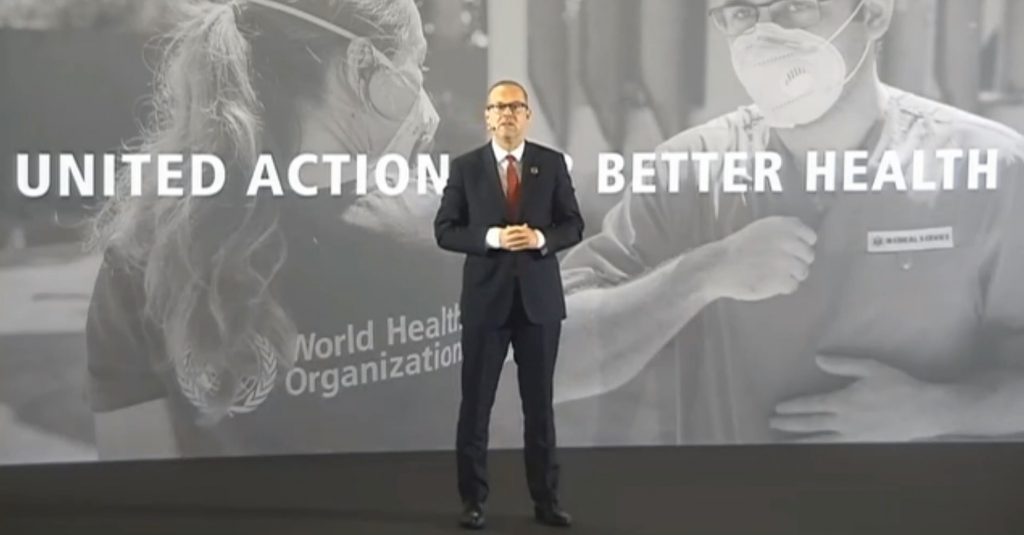
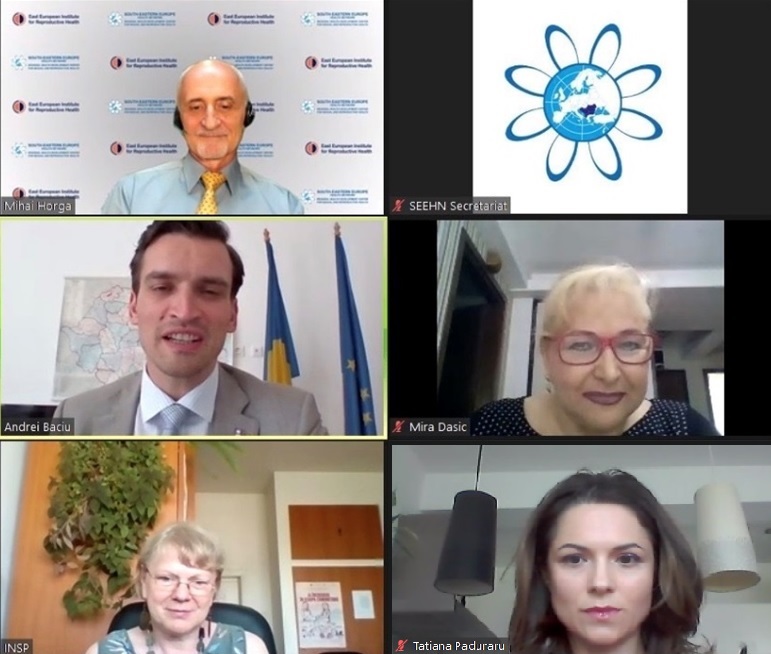
The 70th meeting of the WHO Regional Committee for Europe is taking place virtually this year on 14-15.09.2020, due to the COVID-19 pandemic. SEEHN will be represented by the Romanian Presidency. Dr Andrei Baciu, State Secretary will deliver two SEEHN statements on the Regional Directors’ Report and the new European Programme of Work 2020–2025 “United action for better health”.
“SEEHN MEMBER STATES RESPONSE TO THE COVID-19 PANDEMIC AND IMMUNIZATION AS ONE OF THE CORE HEALTH SYSTEM SERVICES IN SEE REGION”
n
nnnn
nnnn
The South-Eastern Europe Health Network 42ndnSEEHN Plenary Meeting organized by the SEE Health Network MontenegrinnPresidency, Executive Committee and Secretariat was held on 21 July, 2020 as annonline event.
nnnn
Thenmeeting joined the member states National Health Coordinators and /ornAlternates, the partner countries, international organizations, directors ofnthe SEEHN Regional Health Development Centers (RHDC) and Diplomatic corps, withnover 50 participants.
nnnn
Then42nd Plenary focused on the unprecedented COVID-19 pandemic effect on the SEEHNnMember States, SEEHN major developments, activities and challenges during thenterm of the Montenegrin Presidency (SEEHN Presidency report July 2019 – June,n2020) and the Future Presidency of Romania (July – December 2020).
nnnn
Innthis sense, based on the commitments of the SEE Ministers of Health, as specifiednin the Chisinau Pledge, endorsed during their Fourth Ministerial Forum in 2017,nas well as based on the priorities agreed in the SEEHN Montenegrin PresidencynRoadmap from 2019, the SEEHN Secretariat will build upon the discussions andndecisions from the 42nd Plenary Meeting. Thus, the focus is on several prioritynareas:
nnnn
1. Commitment to strengthen capacities ofnthe healthcare personnel – implementation of projects to build capacities onnhealth emergency response and in particular on COVID-19.
nnnn
2. To address mental health of thenhealthcare personnel.
nnnn
3. Gather information on the COVID-19 andnits effects, impact on different areas of the health systems.
nnnn
4. Digitalisation.
nnnn
5. Vaccination and Immunisation.
nnnn
6. Partnerships.
nnnn
7. Strengthening of SEEHN technicalnexpertise by supporting its Regional Health Development Centers (RHDC)
nnnn
Thisnpandemic more than ever thought us that we cannot be safe somewhere alone andnisolated, instead we need to focus on working together, put resources andncoordinate in a multi-factorial mode. We should explore all collaborations andnfructify them by supporting each other for the common wellness, to promotenuniversal health coverage and people-centered services. Solidarity is the keynprinciple of the SEEHN.
SEEHN Secretariatntoday hosted virtually a meeting with the State Secretary, Ministry of HealthnRomania and SEEHN National Health Coordinator Romania, Dr Andrei RomicanBaciu, Mrs Adriana Galan SEEHN NHC alternate and Dr Mihai Horga,ndirector SEEHN Regional Health Development Center for Sexual and ReproductivenHealth ( hosted by Romania) to discuss how to better plan, prepare andncoordinate regional efforts under Romanian Presidency mandate July 1, 2020 – December 31, 2020.
World Blood Donor Day is an event at international levelncelebrated every year on 14 June, to raise awareness on the need for safe bloodndonations; to praise and to thank regular blood donors; and to encourage morenpeople to give blood on a regular basis.
nnnn
There is no real substitute for human blood and onendonation can save three lives. Every couple of seconds someone around the worldnneeds blood. Blood transfusions save millions of lives each year, both innemergency and non-emergency situations.
nnnn
It needs to be highlighted that the services providingnsafe blood and blood products are an essential element of every health carensystem.
nnnn
This year, 2020 is marked by the COVID-19 pandemic. COVID-19 convalescent plasma can be a life-savingnact of solidarity.
nnnn
nnnn
WHO encourages governments, national healthnauthorities and national blood services to work together to:
nnnn
ensurensystems and infrastructure are in place to increase collection of blood fromnvoluntary, regular unpaid donors;
establishnand strengthen quality assurance systems for blood and blood products to ensurensafe blood and blood products;
providenquality donor care;
promotenand implement appropriate clinical use of blood; and
overseenthe whole chain of blood transfusion.
nnnn
SEE Health Network joins the celebration of the WorldnBlood Donor Day and underlines that everyone should have access to safe bloodnand blood products.
South Eastern Europe Health Network (SEEHN) celebratesnthe # No Tobacco Day to raise awareness on the importance of the protection ofnthe new generations in the SEE Health Network – 9 Member States.
nnnn
Every year, WHO recognizesnindividuals or organizations in each of the six WHO Regions for theirnaccomplishments in the area of tobacco control. This recognition takes the formnof WHO Director-General Special Recognition Award and World No Tobacco DaynAwards.
nnnn
This year among the EuropeannRegion awardees, is Dr Ghenadie Turcanu, program coordinator, Center for HealthnPolicies and Studies, Republic of Moldova.
nnnn
SEEHN is congratulatingnand recognizing the champions in the SEE Region that are role models in thentobacco control area.
nnnn
Tobacco products kill more than 8 million people everynyear. Tobacco use is responsible for 25% of all cancer deaths globally. Usenof nicotine and tobacco productsnincreases the risk for cancer, cardiovascular and pulmonary disease. Over 1 million people die from second-hand smoke exposure every year.
nnnn
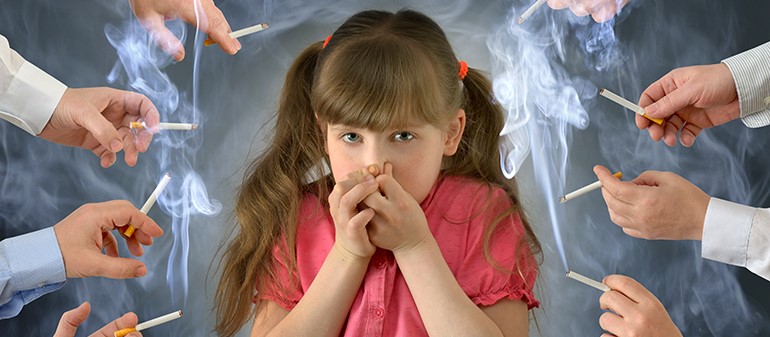
Itnneeds also to be highlighted that the third-nhand smoke is residual nicotine and other chemicals left on indoor surfacesnby tobacco smoke. People are exposed to these chemicals byntouching contaminated surfaces or breathing in the off-gassing from thesensurfaces. This residue is thought to react with common indoor pollutants toncreate a toxic mix including cancer causing compounds, posing a potentialnhealth hazard to nonsmokers — especially children.
nnnn
Tobacco and related industries’ target children andnadolescents by using market tactics that include:
nnnn
Overn15,000 flavors, most of which attract children and adolescents
Socialnmedia influencers in marketing
Sponsornevents and parties
Schoolnscholarships
Sleek,nsexy designs
Productnplacement in entertainment media
Freenproduct samples
Singlenstick cigarettes that make addiction more affordable
Sellnproducts at eye level for children
Productnplacement and advertising near schools
nnnn
nnSEE Health Networknhas the dream of tobacco free generations, decrease of second-hand smoke andnthird-hand smoke and the deaths and diseases that they cause. This is a questnfor all public health professionals around the Region through enforcement ofnthe anti-tobacco legislation and strong mechanisms of implementation andncontrol. nnnn
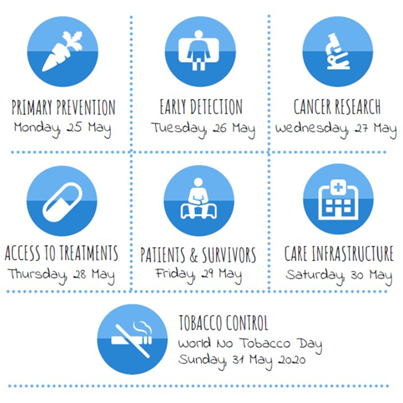
SEE Health Network joins the celebration of the EuropeannWeek Against Cancer to highlight the crucial importance of beating cancer innits 9 Member States. The European Commission on the health domain in the periodn2019-2024 has as a core priority and focus on shaping Europe’s Beating CancernPlan (#EUCancerPlan).
nnnn
For most SEEHN memberncountries, premature mortality due to malignant neoplasms is higher than thatnfor the WHO European Region (70 deaths per 100 000 in 2014)[1], except for Israel.
nnnn
SEEHN Member States share common challenges similar tonthe rest of the European countries.
nnnn
Today, 26th May, we focusnon early detection. In this context a EC TAIEX Multi-Country WORKSHOP onnScaling up colorectal cancer (CRC) screening programs has been organized innPodgorica,nMontenegro 12 – 13 December 2019, thanks to the financial support of EC TAIEX withnthe collaborative effort of the SEEHN Regional Health Development Center (RHDC)non Non communicable disease (NCD) hosted by Montenegro and the SEEHNnSecretariat.
nnnn
The meeting aimed to tackle the implementation of programmes in South-eastern Europe Health Network member states including [2] Kosovo* and Turkey, pointing out in particular the methodology, reporting indicators, quality and impact, achievements, campaigns and awareness, improvements and setbacks. This Workshop enabled exchanging experiences and presenting good practices in the SEE Region and on how to apply European Union (EU) Recommendations and standards in order to improve and strengthen the control of the CRC.
[2] *Thisndesignation is without prejudice to positions on status, and is in line withnUNSCR 1244/1999 and the ICJ Opinion on the Kosovo declaration of independence.
Hand Hygiene Day isnobserved annually on May 5 to raise awareness of the importance of adequatenhandwashing in health care settings.
nnnn
nnnn
Health care systems poorncare is responsible to more than 8 million deaths annually in low- andnmiddle-income countries.
nnnn
SEE Health Network (SEEHN)njoins the celebration of the SAVE LIVES: Clean Your Hands: an ongoing worldwidencampaign to highlight the crucial importance of cleaning hands.
nnnn
This year to align with the International Year of the Nurse and the Midwife, SEEHN is reiterating the importance of nurses and midwives in infection prevention and control, providing clean and safer care.
nnnn
Thencurrent pandemic of COVID-19 revived and spotted the decisive role of cleannhands to stop the virus spreading and to keep safe the health professionals,ntherefore SEEHN is calling thenGovernments for Action to ensure hand hygiene practices widely aimed to preventnthe transmission of the COVID-19 virus by:
nnnn
1. Providing universalnaccess to public hand hygiene stations and making their use obligatory onnentering and leaving any public or private commercial building and any publicntransport facility.
nnnn
2. Improving access to hand hygiene facilities and practices in health care facilities.
SEE Health Network joins the celebration of the European Immunization Week to highlight the crucial importance of vaccination in the modern world. Vaccination is a public good and it is a right and responsibility of every citizen and we all as society and communities can benefit from. This year the work of the nurses and midwifes, who are at the forefront of the vaccination points and are a trusted source of information on vaccination, is highlighted.
nnnn
SEEHN Member States at national level show a widenvariation in vaccination coverage and share common challenges that are similarnto the rest of the European countries related to vaccination coverage,navailability, quality of vaccines, etc.
nnnn
In this context, SEEHN placed high on the agenda tonstrengthen immunization. Steady efforts have been channeled over the last 3nyears in partnership with WHO EURO and the SEEHN RHDC on Communicable Diseases hostednby Albania – SECID.
nnnn
Governments within the South-eastern Europe HealthnMinisterial Meeting on Immunization, that took place in Podgorica, Montenegro,non 20 February 2018,endorsed a Statementnof Intent that reiterated commitment to the European Vaccine ActionnPlan.
nnnn
Furthermore, over the last couple of years SEEHN received comprehensive guidance from WHO EURO and SEEHN RHDC SECID over a series of Regional meetings on the development of a regional roadmap providing a foundation upon which joint action, partnership and collaboration can be strengthened and scaled-up to tackle shared immunization programme challenges.
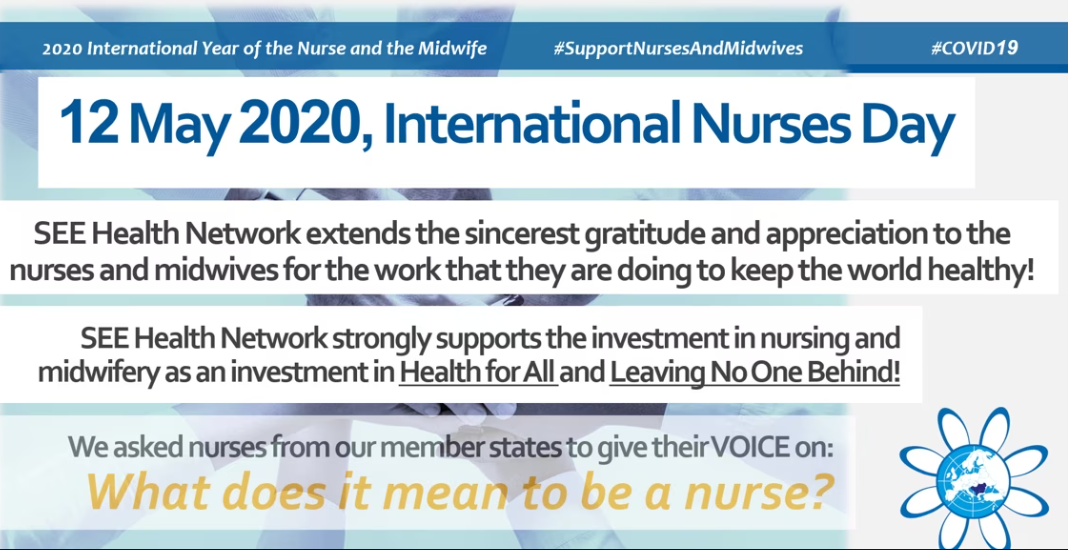
SEE Health Network extends the sincerest gratitude and appreciation to the nurses and midwives for the work that they are doing to keep the world healthy! SEE Health Network strongly supports the investment in nursing and midwifery as an investment in Health for All and Leaving No One Behind! On behalf of 7 April 2020, World Health Day We asked nurses from our member states to give their VOICE on: What does it mean to be a nurse? THANK YOU for keeping the world healthy!
Thenincreasing pressure on the countries related to COVID-19 pandemicndetermined the organization of a Regional TC on 24 Marchn2020 at 11:00 CET, at the initiative and with the support of Dr Mira Jovanovski-Dasic,nHead of SEEHN Secretariat and Dr Silvia Bino, Director of SEEHN RHDC onnCommunicable Disease. It was tailored to the nine Member States of thenSouth Eastern Europe Health Network (SEEHN).
nnnn
The goal of the TC was to discuss the challengesnthat SEEHN Member States are facing in the response to COVID-2019 (quantity ofnavailable tests, capacity for testing, capacity for isolating measures, lack ofnconsumable material; lack of human resources, the need for mobilization ofnadditional expertise. etc.), in order to agree on regional actions needednin addition to the national responses each country is already takingnindividually.
nnnn
Additionalnto the SEEHN Members states experts, the TC has been joined by Kosovo* asnobserver and some of the SEEHN National Health Coordinators.
nnnn
The TC wasnalso joined by Dr Dorit Nitzan, Coordinator,nHealth Emergencies and Operation Management, Dr. Lucianne Licarinand Mr Robb Butler from WHO EURO.
nnnn
Dr Hans HenrinP. Kluge, WHO RegionalnDirector for Europe wasnable to join to greet and highlighted a core idea that health workers are doingntheir job for everyone not only for their country. It is a stress test for ournsolidarity: “We all are in this together united!”
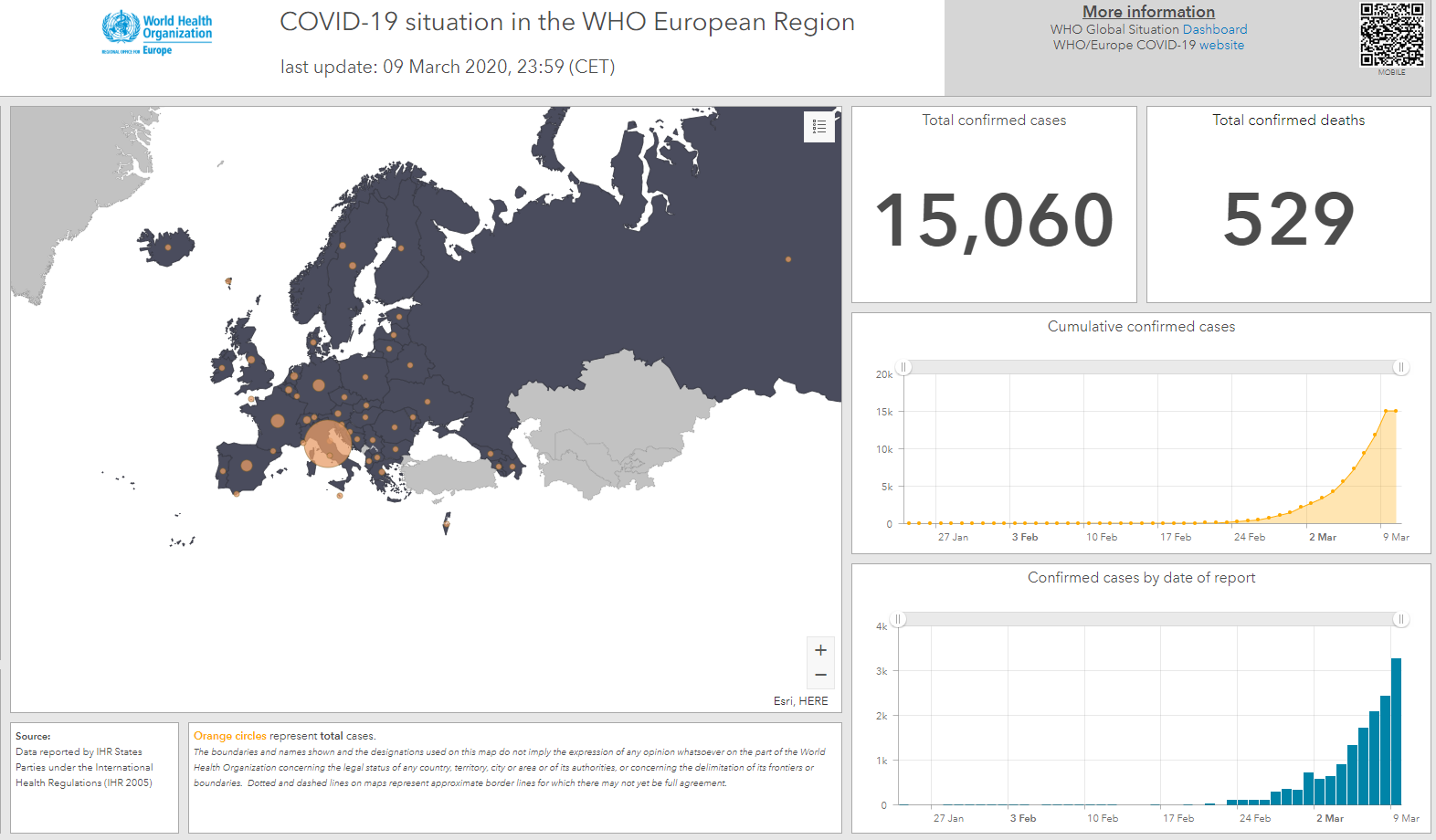
nn”In the days and weeks ahead, we expect to see the number of COVID-19 cases, the number of deaths, and the number of affected countries climb even higher. WHO has been assessing this outbreak around the clock and we are deeply concerned both by the alarming levels of spread and severity, and by the alarming levels of inaction. We have therefore made the assessment that COVID-19 can be characterized as a pandemic”- Tedros Adhanom Ghebreyesus
The Round Table is organized by the SEEHN RHDC on NCDs from Montenegro and SEEHN Secretariat under the Montenegro SEEHN Presidency. The specific objective of the meeting is to review the national policies, recommendations and guidelines in SEE Health Network member states. (Western Balkans and beyond),regarding children nutrition with focus on the preschool and school facilities and to review the possibilities to control the impact of marketing of food and non-alcoholic beverages high in calories, free sugars, salt and saturated fats on children. This Round table is the first activity in a row of activities with overall objective to reduce childhood malnutrition by focusing especially on obesity and to enable healthy lifestyle choices from the early age among children. The meeting is attended by experts involved in the specific work in policies development and promotion in the nine SEEHN member states.
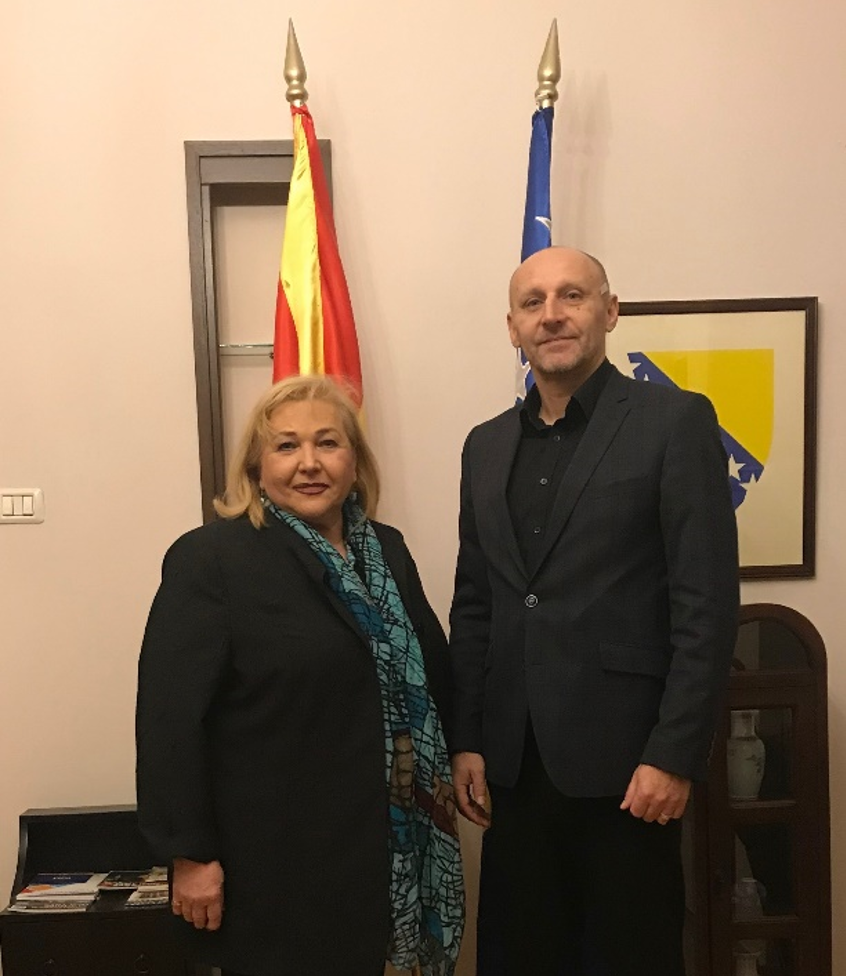
Dr. Mira Jovanovski Dasic, Director ofnSEEHN Secretariat met with H.E. Mr Dragan Jacimovic, Ambassador of Bosnia andnHerzegovina to the Republic of North Macedonia.
nnnn
Dr. Jovanovski Dasic expressed herngratitude to Bosnia and Herzegovina, Member State of the SEE Health Network, fornthe strong support and active participation to SEEHN activities over the past years.n
nnnn
She presented the structure of thenNetwork, the ongoing activities under the Montenegro Presidency and the roadnmap for future ones.
nnnn
It was also highlighted that the SEEnHealth Network is continuously committed to Regional cooperation and PublicnHealth issues and that SEE Health Network is evolving to best serve SEEHNnmember States (Western Balkans and beyond).
nnnn
She also gave an overview of the worknof the SEEHN Regional Health Development Centers (RHDCs) and particularlynacknowledged the importance of the RHDC on Mental Health based in Sarajevo,nBiH. nnIn a friendly atmosphereninformation on the current areas of interest regarding the strengthening of thentechnical possibilities of the Network have also been exchanged. nnnn
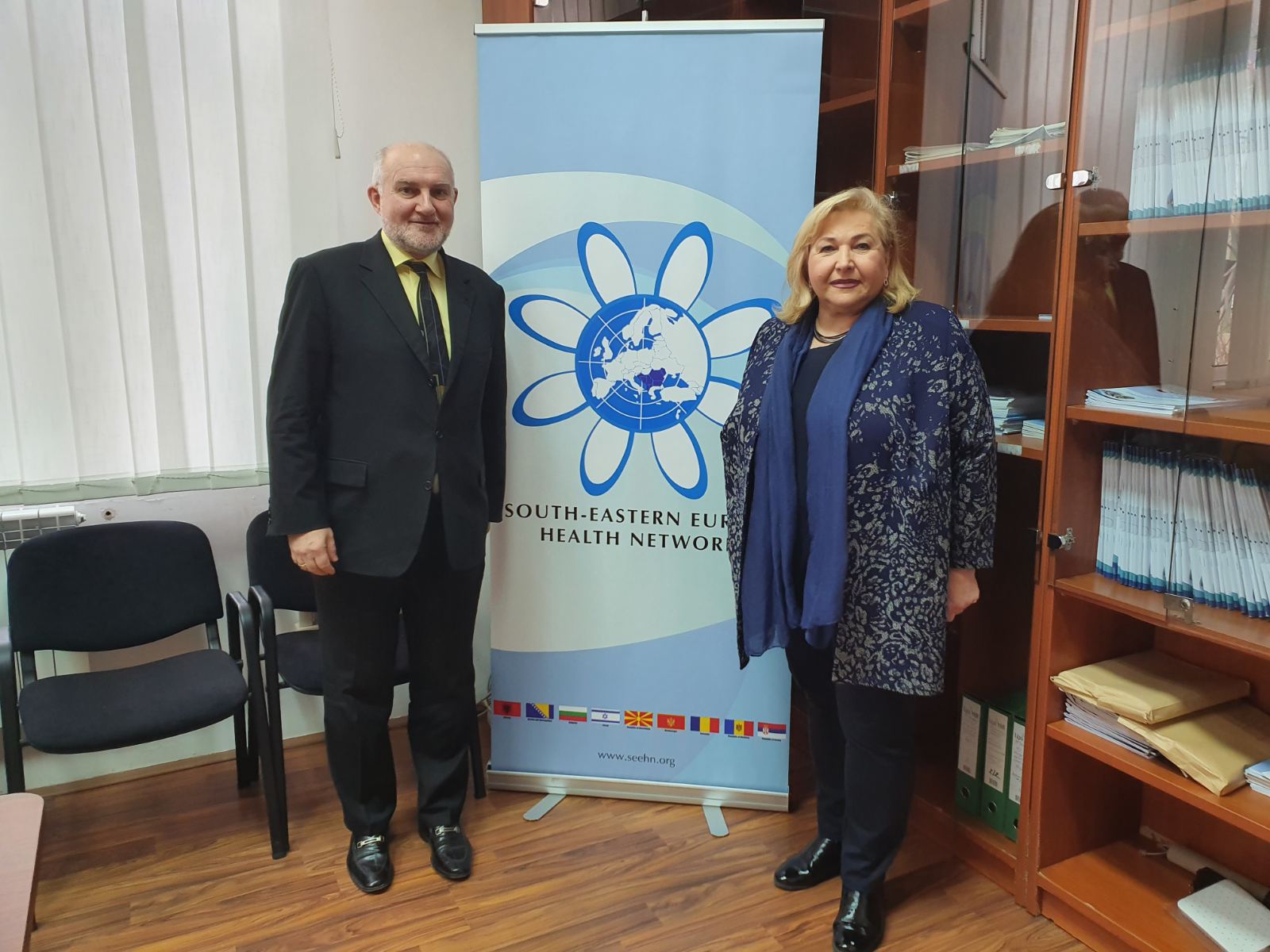
A great meeting at SEEnHealth Network Secretariat premises today with H.E. Dr. Georg Woutsas, AustriannAmbassador.
nnnn
Director of the SEEHNnSecretariat Dr Mira Dasic presented SEEHN, its organization and its recent activitiesnand achievements, highlighting eventual opportunities to be built upon towards thenimplementation of the Chisinau Pledge and 2030nAgenda for Sustainable Development.
nnnn
The discussion included currentnand future plans of SEEHN, comprising the readiness to continue working onnhealth issues and strategic partnerships in the SEE Region (WesternnBalkans and beyond).
nnnn
One particular fruitful partnershipncooperation between SEEHN and European Health Forum Gastein from Austria hasnbeen underlined.
nnnn
Specific attention hasnbeen put also on the air pollution in the Region and the eventual modalities onnhow to contribute to the government’s efforts to decrease the threat to thenpopulation health.
nnnn
Finally, interlocutorsnexchanged opinions regarding the existing possibilities on how to betternaddress public health challenges, nationally and regionally.
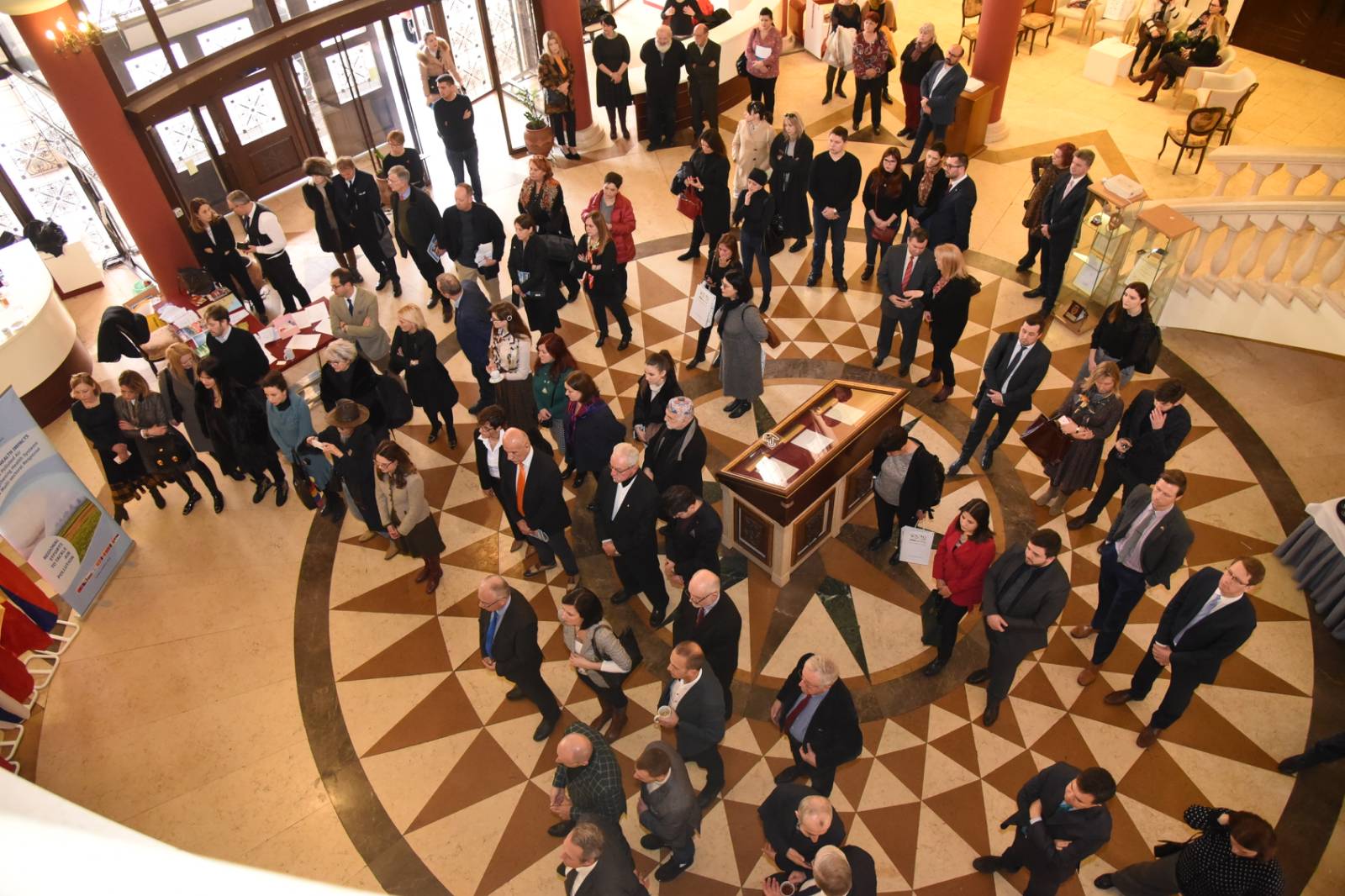
The Secretariat of SEEnHealth Network, under the Presidency mandate of Montenegro organized innpartnership with the Embassy of Montenegro and the “Dobredojde” MacedonianWelcome Centre, Montenegro Coffee Morning,non 6 February 2020, in Skopje, the Republic of North Macedonia.
nnnn
The event was dedicatednto Montenegro and the “Importance ofnregional cooperation in public health to advocate with single voice that cleannair is a human right, not a privilege!”.
nnnn
The Ambassador ofnMontenegro to the Republic of North Macedonia, H.E. Ms. Marija Petrovic promotednMontenegro as a destination to visit and much more to discover from the “Montenegronwild beauty” towards its health tourism, products and beyond.
nnnn
Head of Secretariat ofnSEE Health Network, Dr. Mira Jovanovski-Dasic presented the importance ofnregional cooperation in public health to advocate with single voice that cleannair is a human right and a chronic issue persisting for a long timenwith consequences to our health in our Region in particular.
nnnn
A safe, clean, healthynand sustainable environment is integral to the full enjoyment of a wide rangenof human rights, including the rights to life, health, food, water and sanitationnand it is declared within the Universal Declaration of Human Rights.
nnnn
SEEHN has clean air as anpriority for action included in the main strategic policy document – thenChisinau Pledge from 2017. The document reflects the SDG Agenda 2030 and Healthn2020 and is also translated into the WHO-SEEHN Sub-Regional CooperationnStrategy 2018-2023, signed in July 2018, in Tel-Aviv.
nnnn
SEEHN took the firstnclear step by organizing a Regional expert round table “Reducing Health Impacts of Polluted Air- Strengthening Health Systemsnand Multisectoral Response in SEE Countries” on 7-8 November 2019 in Skopje,nNorth Macedonia.
nnnn
The experts from 9 MembernStates including observers from Turkey and Kosovo* attended and identified thenfollowing recommendations to focus on:
nnnn
Inter-sectoral actions that are key fornhealth in all policies implementation;
Comparable data that are key to informednbased policies,
Health risk assessments and Health ImpactnAssessments to be carried out;
Regional epidemiological studies onnenvironmental health issues (studies on pollution sources, biomonitoring, etc.)
Human capital – that needs to continuouslynstrengthen capacities of the health system experts, along with the imperativenneed to increase general population knowledge and awareness on how to protectnduring the especially high polluted days;
Support to development of national/regionalnstrategies/action plans on indoor/outdoor air quality and the decrease of airnpollution.
To establish a SEEHN RHDC on Environmentnand Health
nnnn
Moreover, there is stillnso much to be done to tackle air pollution across the region with the contributionnof other sectors with the final aim to empower citizens with knowledge andncleaner choices.
nnnn
Tonimprove public transport
Tonincrease energy efficiency
Tonenforce standards
Reducenhigher polluting cars
Offerngrants and subsides for greener policies
Tonconstantly raise awareness and health literacy on air pollution
Tonplant trees etc.
nnnn
We will all benefit from cleaner air, water and soil, as will the generations that come after us.