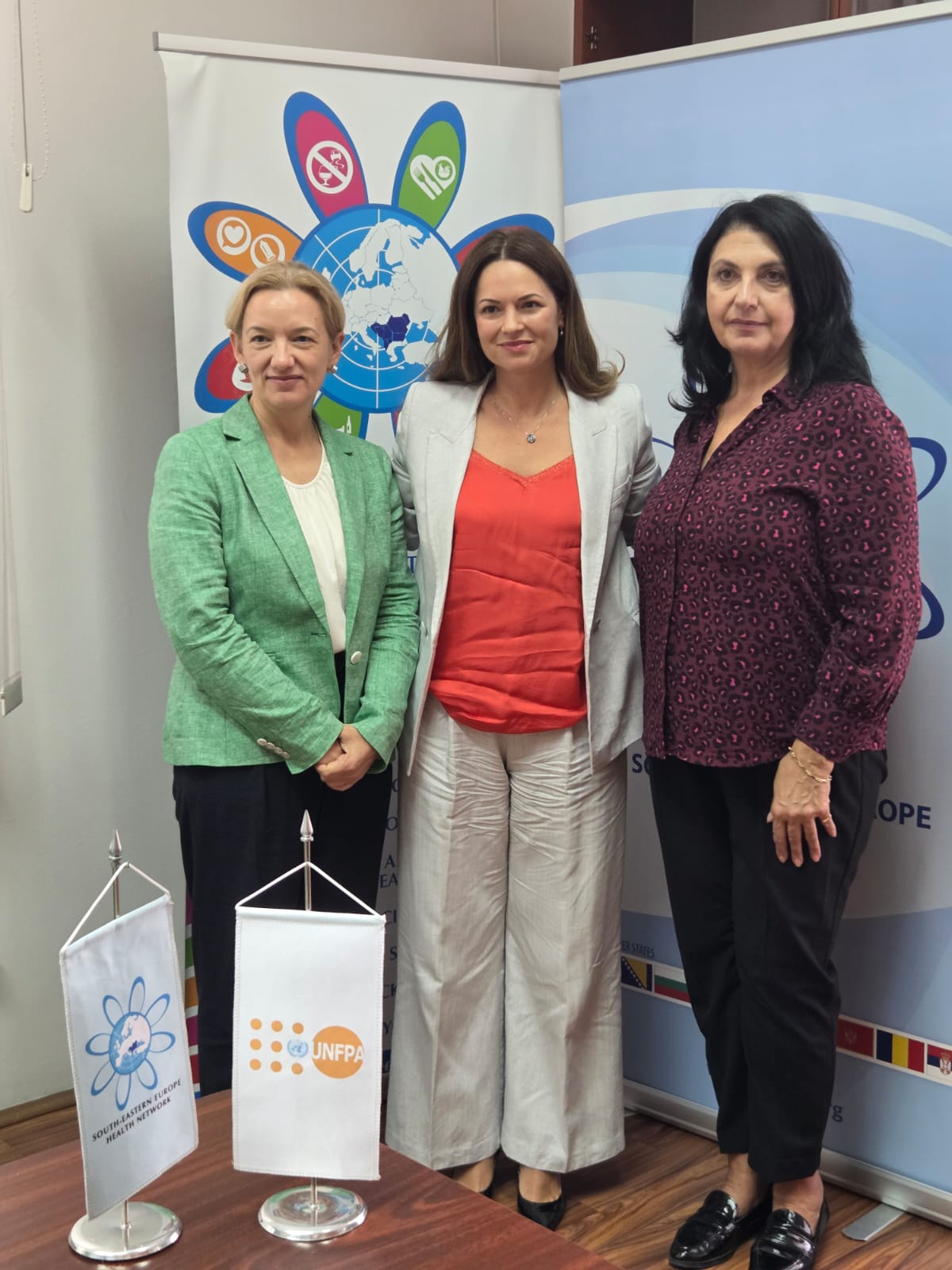
SEEHN Secretariat Director Meets with State Secretary of Health of Montenegro

SEEHN Secretariat Director Meets with State Secretary of Health of Montenegro

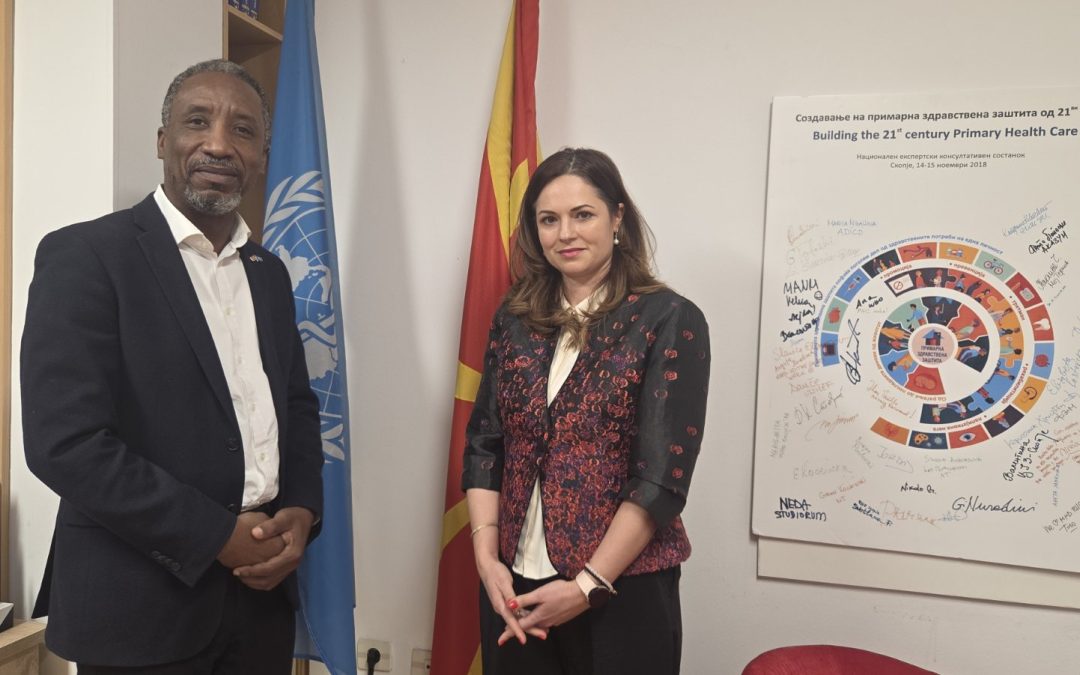
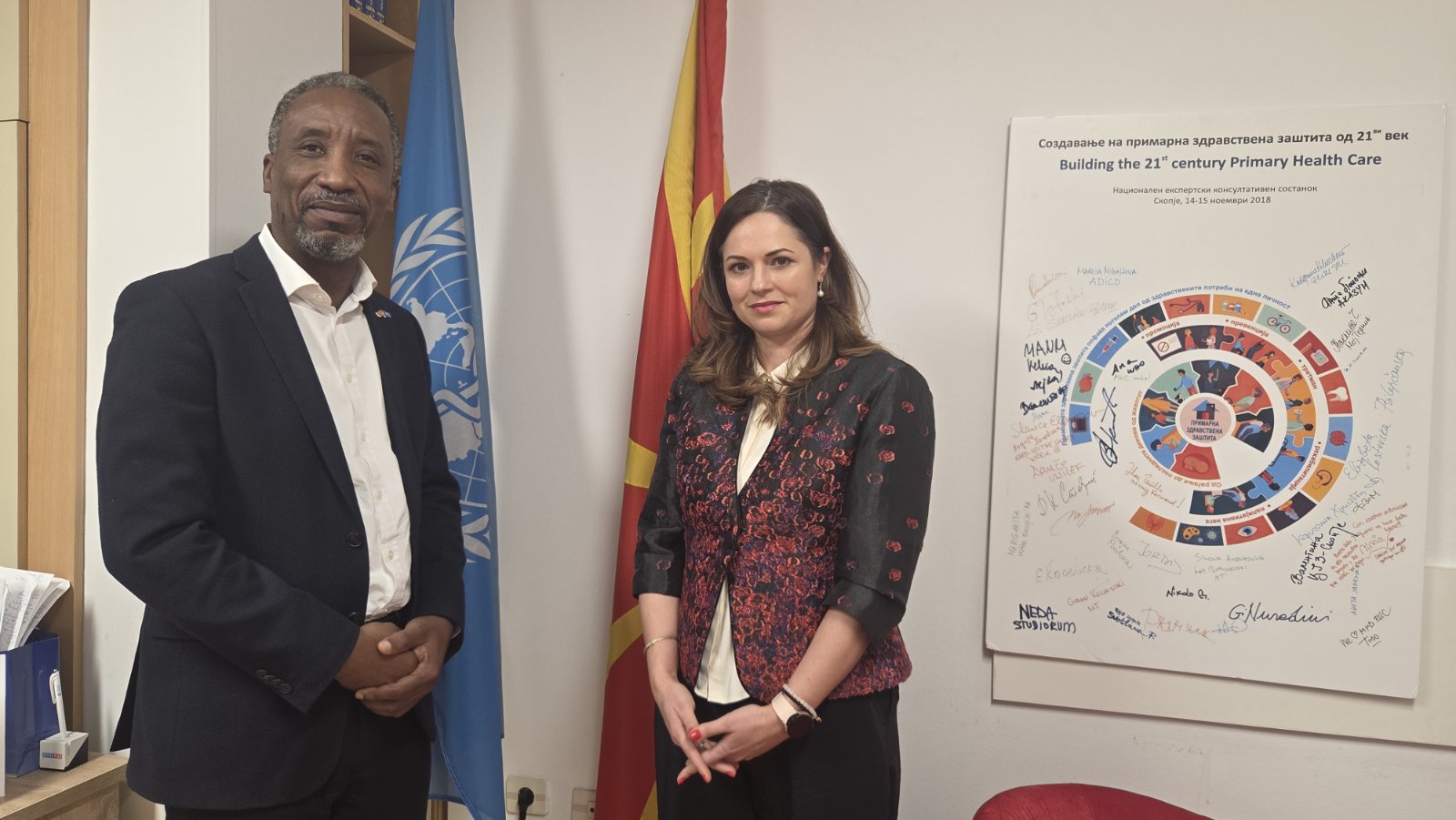
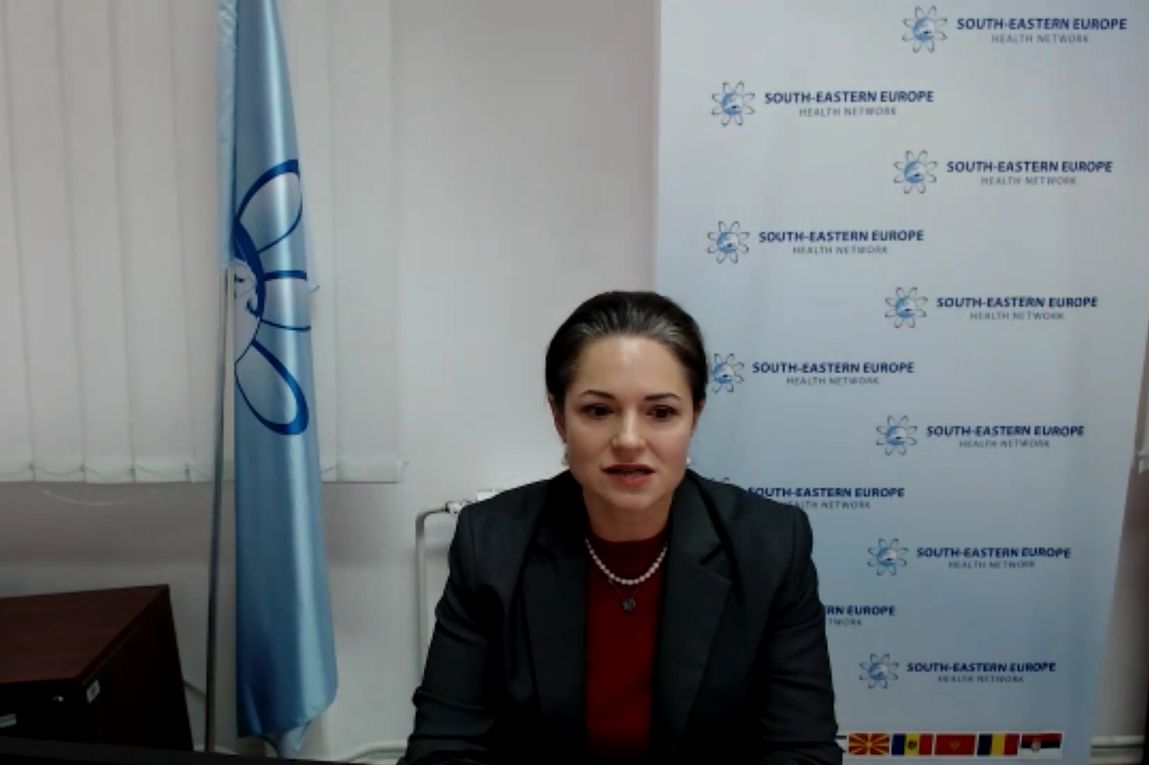
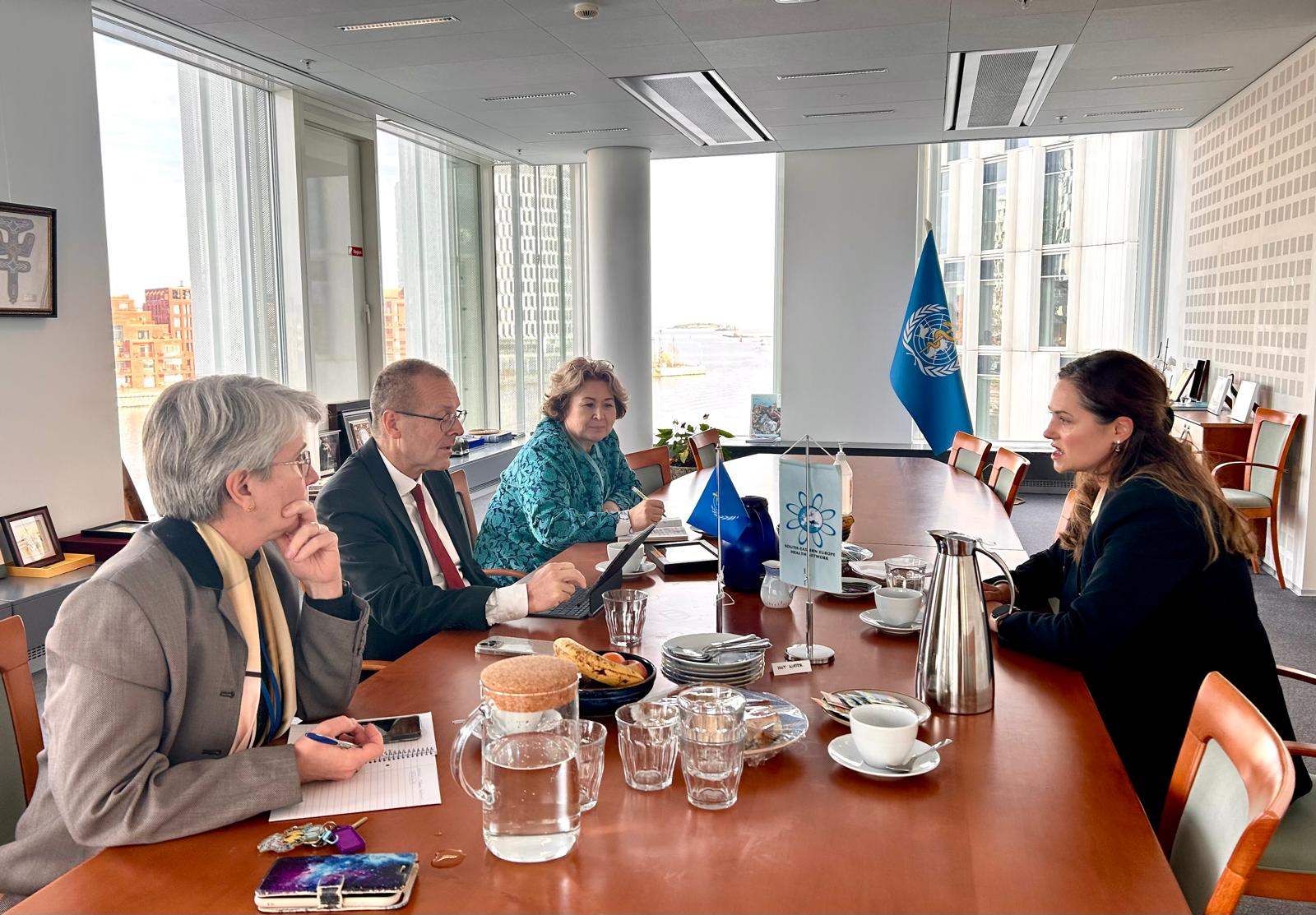
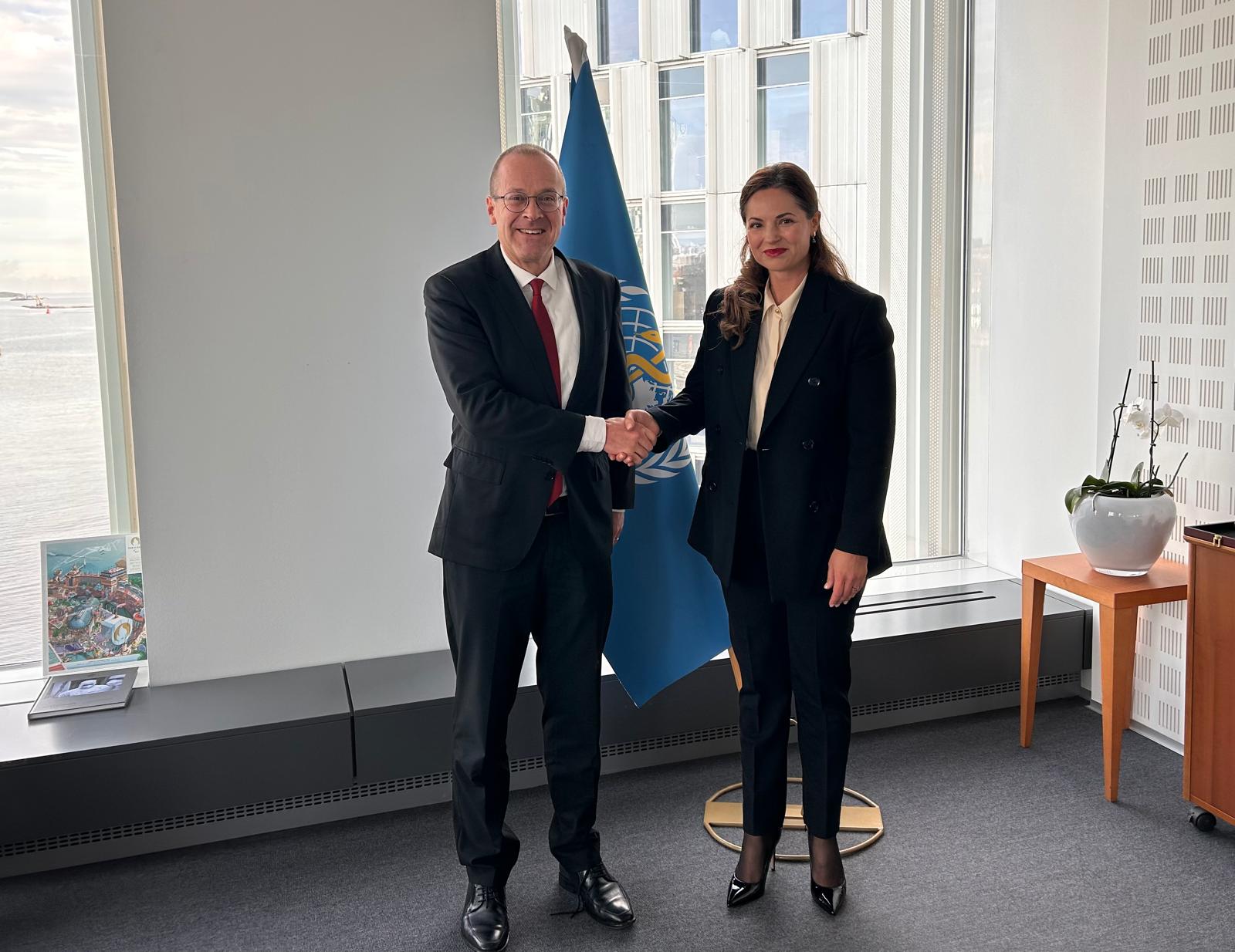
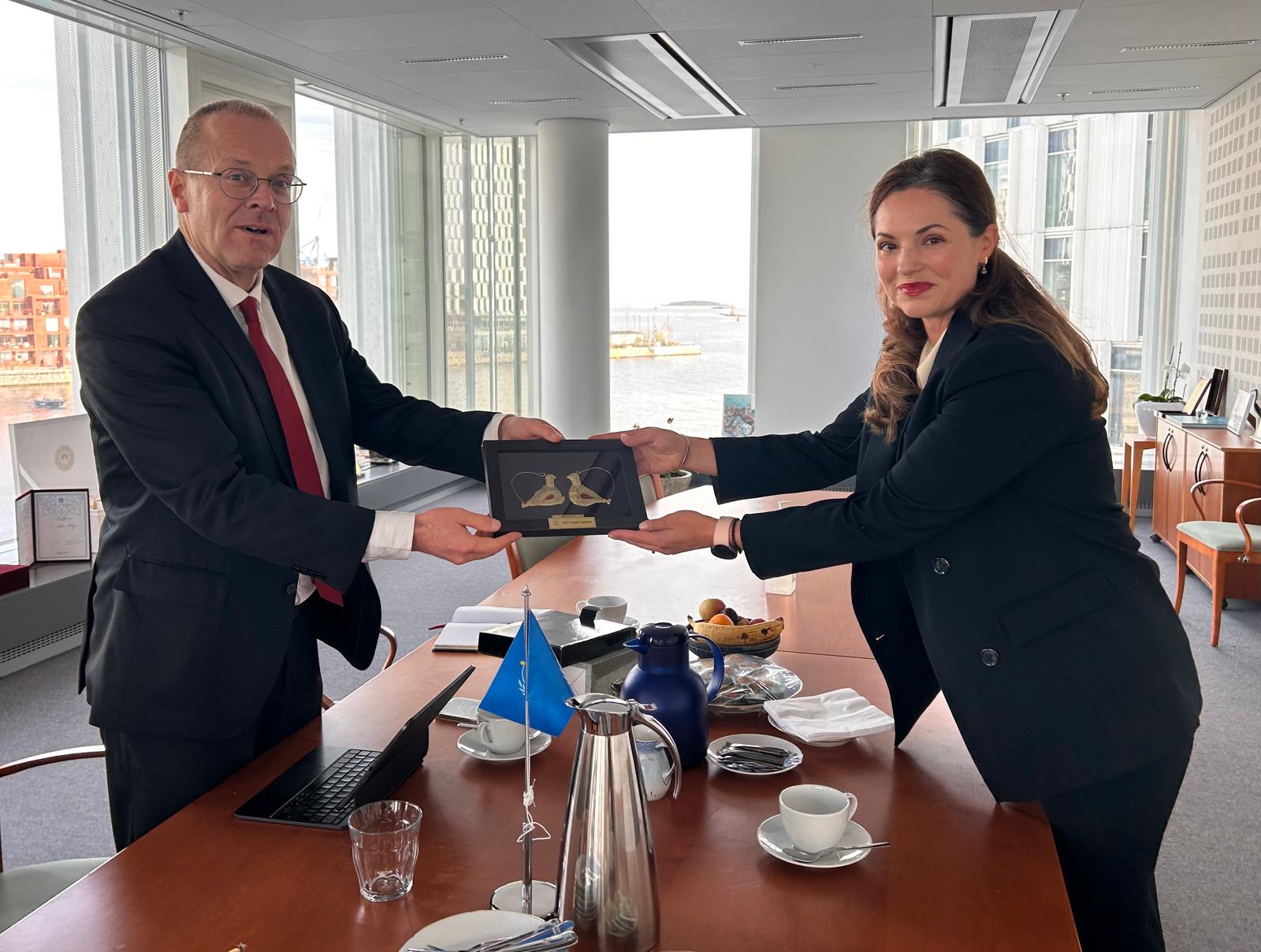
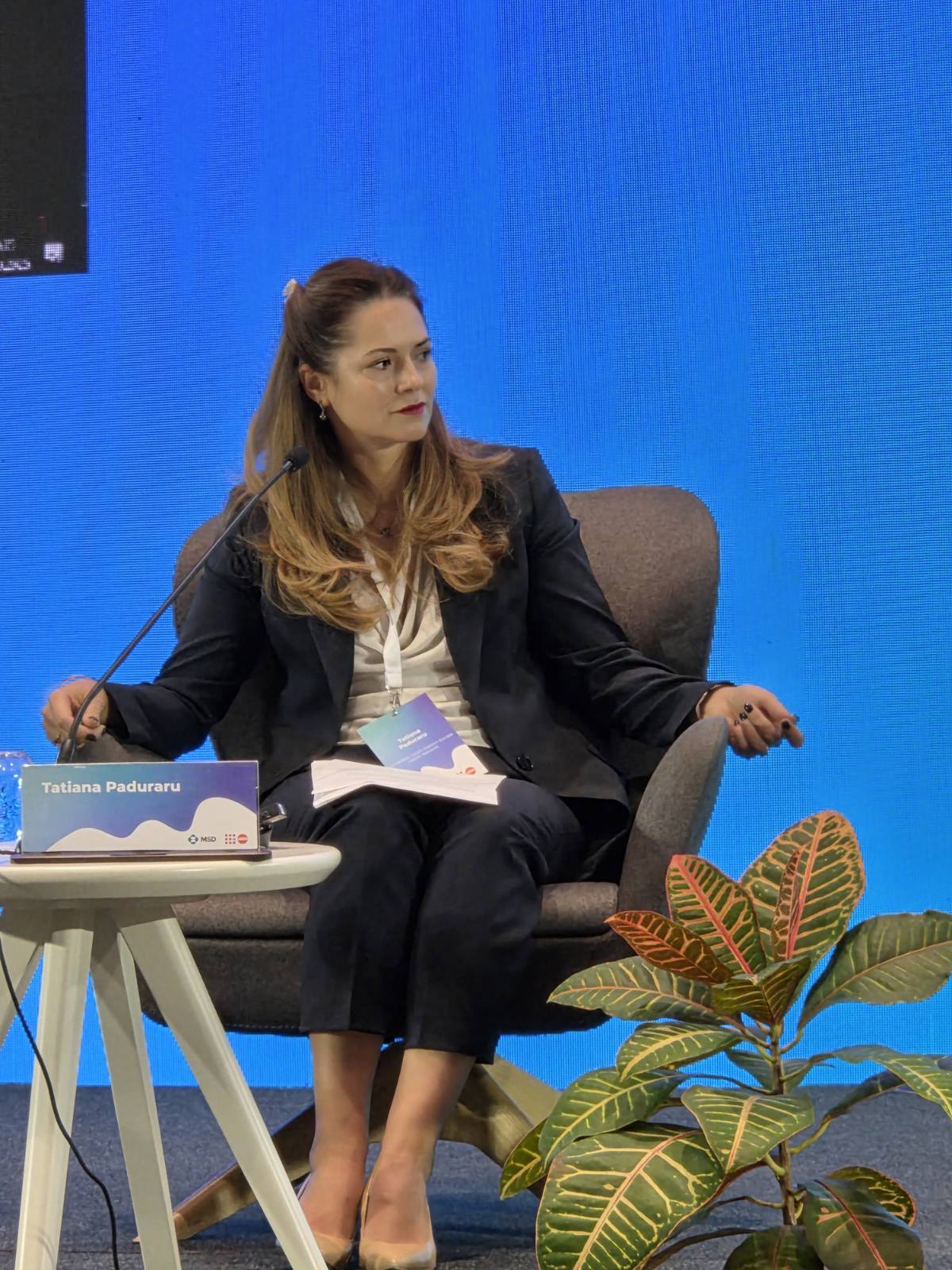
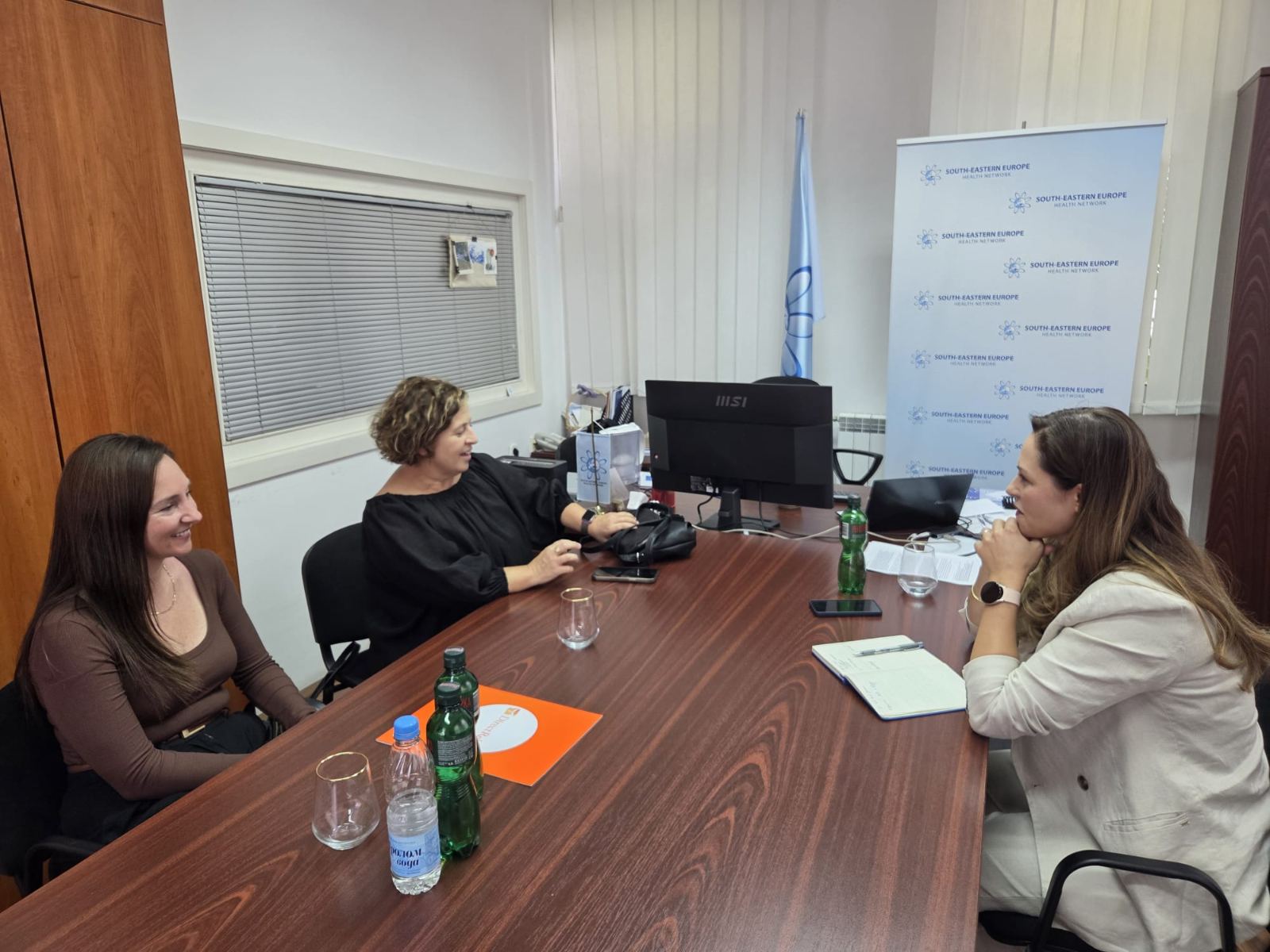
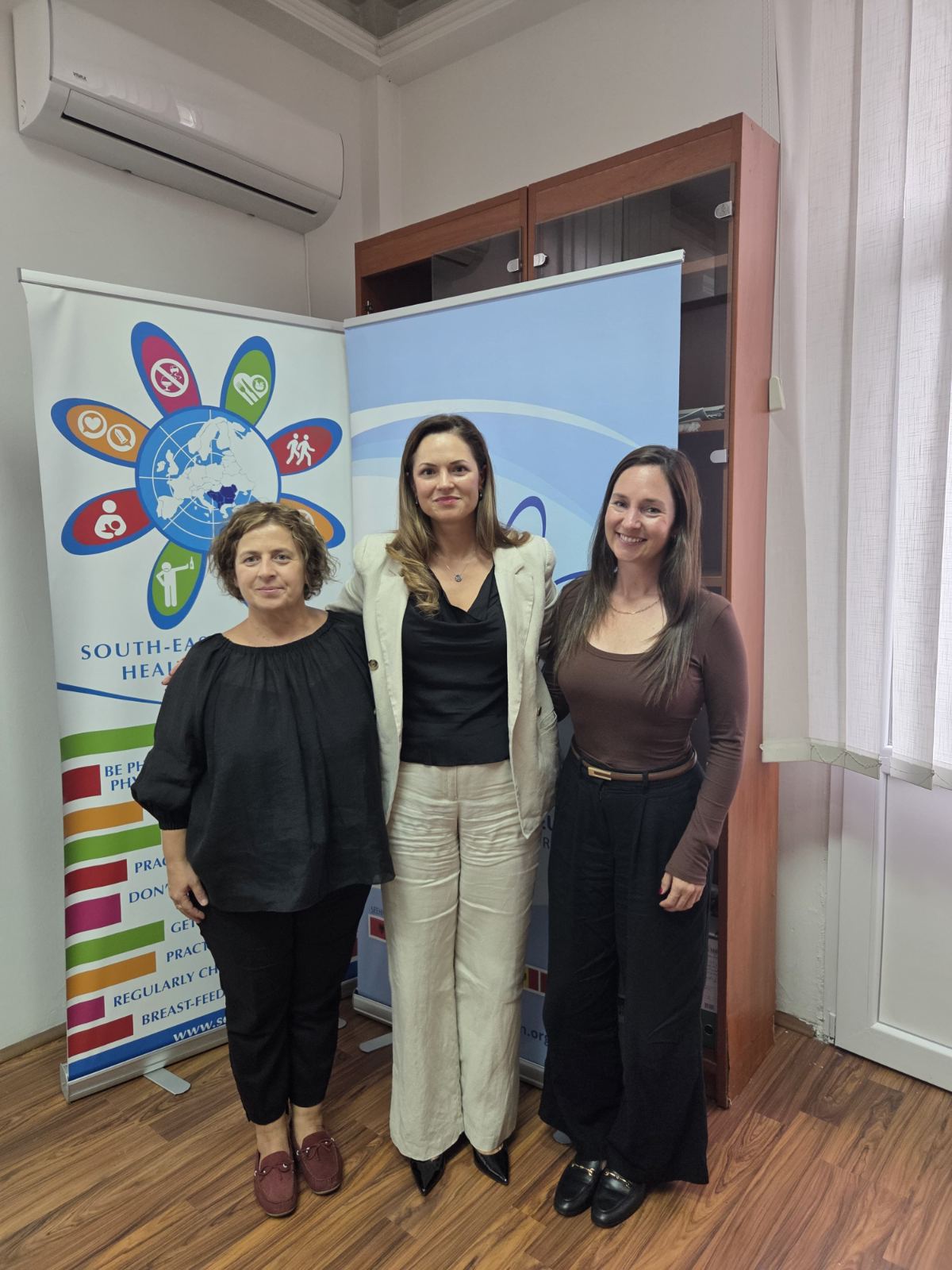
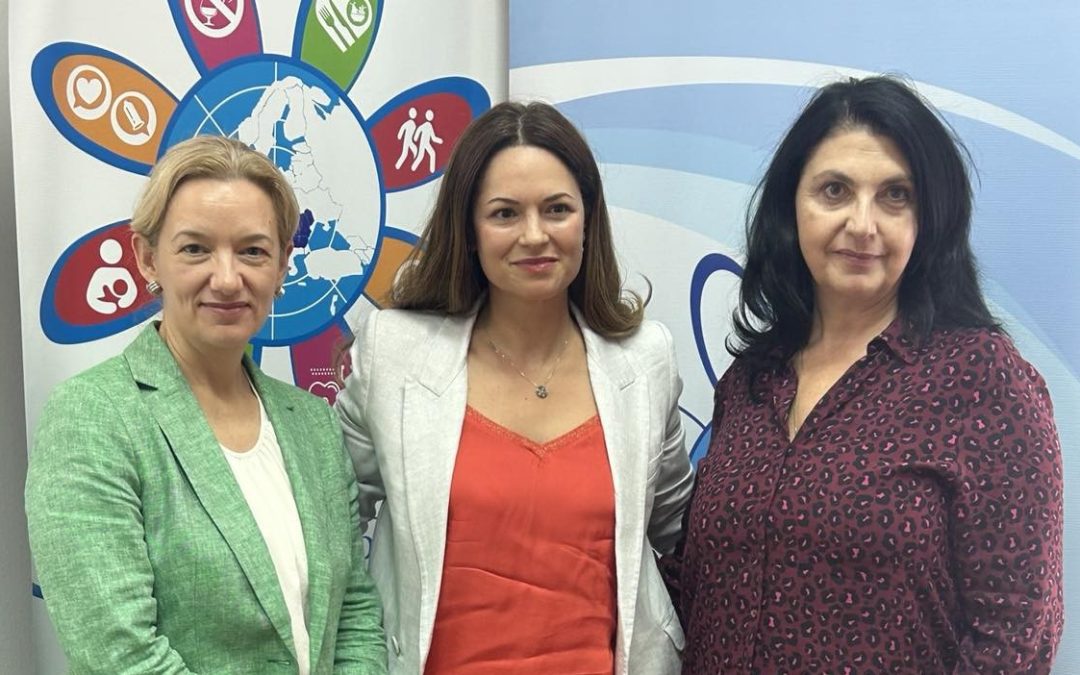
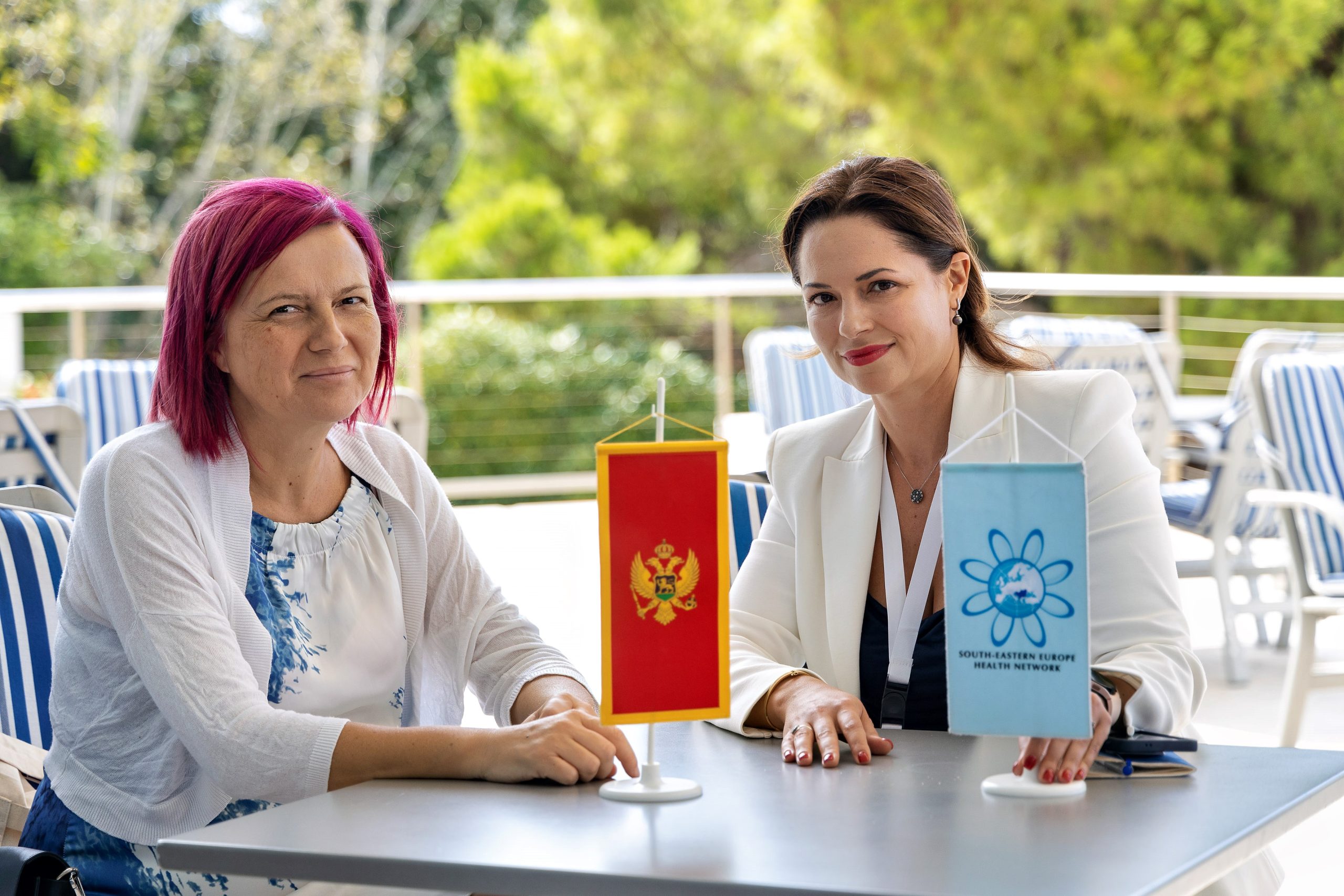
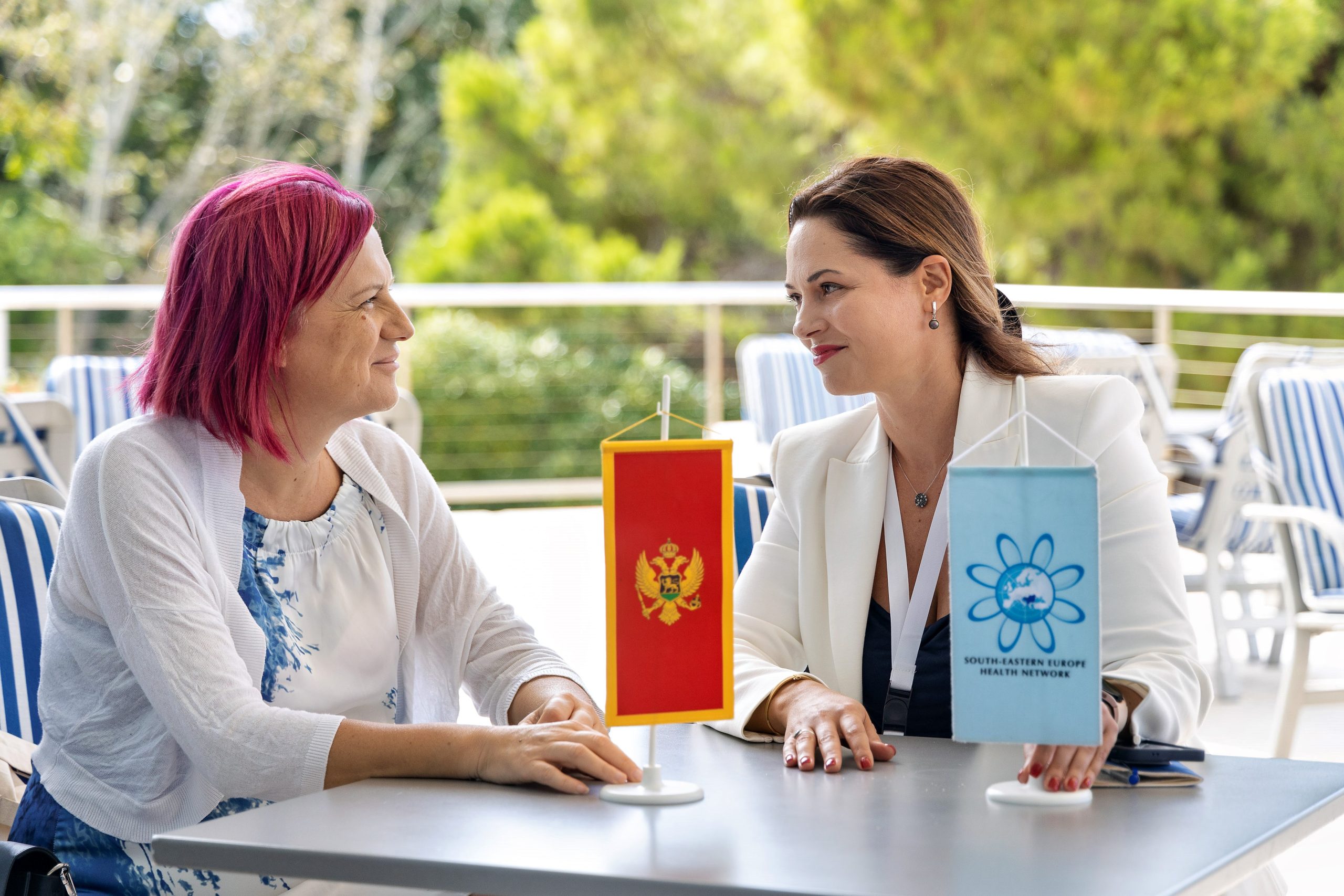
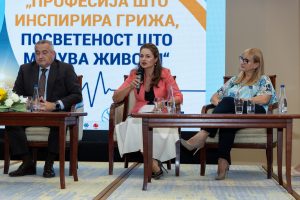
On 17 September in Podgorica, Dr. Tatiana Paduraru, Director of the SEEHN Secretariat, met with Dr. Mirjana Vlahović-Andirjasević, SEEHN National Health Coordinator and State Secretary at the Ministry of Health of Montenegro.
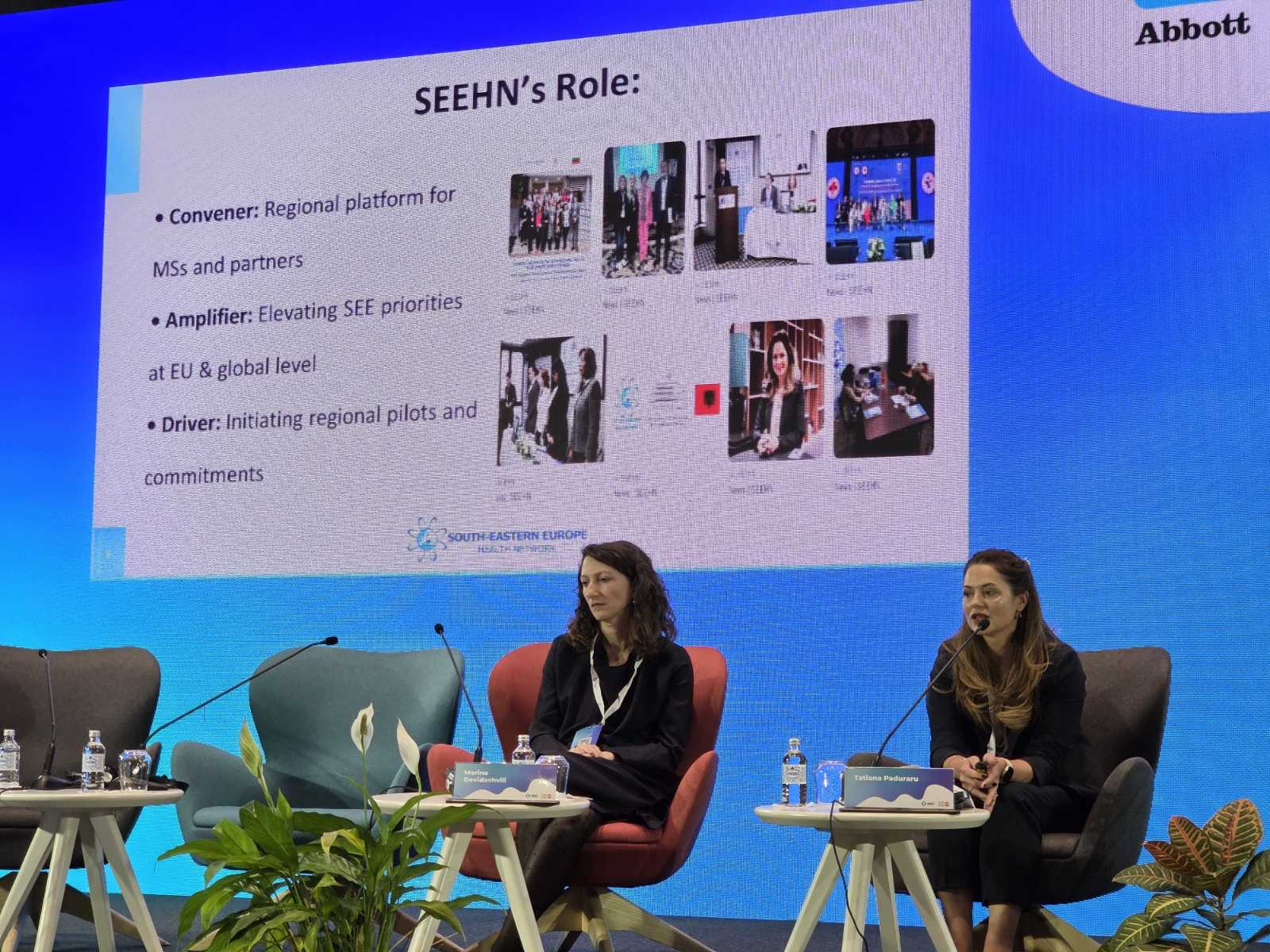
Dr. Paduraru provided an overview of the current state of the SEE Health Network and upcoming priorities under the Presidency of Israel, focusing on strengthening health system resilience through better emergency preparedness, advancing digital health solutions, empowering health professionals, and addressing the health financing gap linked to ageing populations. She also underlined the Secretariat’s vital role as the main engine of administrative and technical support for SEEHN activities.

The discussion placed particular emphasis on the role of SEEHN’s Regional Health Development Centers (RHDCs) as the primary vehicles for technical expertise, with special attention to the RHDC on Non-Communicable Diseases (NCDs) hosted by the Institute of Public Health of Montenegro.

Dr. Vlahović-Andirjasević expressed appreciation for the close cooperation with the Secretariat and highlighted the importance of the RHDCs, both in the past and for the future. She suggested exploring new joint activities, particularly in cancer screening across SEEHN Member States, while reaffirming Montenegro’s commitment to supporting the RHDC on NCDs.

Both sides agreed on the importance of strengthening collaboration and exploring further opportunities to enhance the Network’s work and other public health initiatives of regional relevance.

Healthy Ageing in South-Eastern Europe: SEEHN and Partners Gather in Montenegro to Shape Policy Responses

Healthy Ageing in South-Eastern Europe: SEEHN and Partners Gather in Montenegro to Shape Policy Responses

Bar, Montenegro, 17–19 September 2025 – Policymakers, experts, and partners from across South-Eastern Europe are gathering this week in Bar, Montenegro, for the regional workshop Healthy Ageing in the SEEHN Member States and Beyond.

 The event is convened by the South-Eastern Europe Health Network (SEEHN) Secretariat in fruitfull partnership with the World Health Organization Regional Office for Europe (WHO/Europe) and co-finaced jointly with the Central European Initiative (CEI).

The workshop focuses on the fiscal and policy implications of ageing populations, new approaches to primary and long-term care, and the creation of inclusive environments that empower older people to remain active and engaged in their communities. Using the Population Ageing financial Sustainability gap for Health systems (PASH) tool, participants are testing policy options to ensure financial sustainability and universal health coverage in the face of demographic change.

In her opening remarks, Tatiana Paduraru, Head of the SEEHN Secretariat, highlighted the spirit of collaboration that defines the meeting:

“SEEHN is committed to ensuring that ageing is not seen as a burden, but as an opportunity: to strengthen prevention across the life course, to transform our care ecosystems, to create enabling environments, and to challenge ageism in all its forms.”

The host country also stressed the urgency of action. Mirjana Vlahović-Andirjasević, SEEHN National Health Coordinator and State Secretary, Ministry of Health of Montenegro, welcomed participants by stressing Montenegro’s commitment to making ageing a central policy priority:

Dr Natasha Azzopardi Muscat, Director of the Division of Health Systems, WHO Europe highlighted that: ““For South-Eastern Europe, ageing is a call to action. With the WHO European Strategy on Ageing is Living, we have the chance to turn demographic change into an opportunity — ensuring every added year is lived in good health, with dignity, and as part of stronger, fairer health systems.””

Dr Mina Brajovic, Head of WHO Country Office in Montenegro, reminded: „ Like many SEEHN countries, Montenegro is ageing with almost one in four citizens over the age of 60. While it brings massive impact on our communities, our economies, and our health systems, aging comes with unique opportunities for policy innovation, social solidarity, and investment in human potential across the life course necessary to ensure that no older person is left behind, and that everyone can age in good health, with dignity, and as an active participant in community life”

 The Deputy Secretary General, CEI Secretariat Ivana Pejovic emphasized the importance of partnership while driving real health impact at the population level in the SEE region.


Over three days, the agenda features keynote presentations on demographic shifts and healthy longevity, technical sessions on primary health care reform and financing, and interactive exercises for designing policy strategies.

Delegates are developing recommendations that will feed into the forthcoming WHO European Strategy Ageing is Living: Promoting a Lifetime of Health and Well-being (2026–2030), as well as aligning with the UN Decade of Healthy Ageing (2021–2030) and the 2030 Sustainable Development Goals.

The workshop is building momentum for stronger cooperation across SEEHN Member States and with international partners, ensuring that the region is not only responding to the challenges of ageing but also embracing the opportunities it brings for healthier, more inclusive societies.

World Patient Safety Day 2025: Patient safety from the start – Safe care for every newborn and every child

World Patient Safety Day 2025: Patient safety from the start – Safe care for every newborn and every child

The South Eastern Europe Health Network (SEEHN) joins the international community in marking World Patient Safety Day 2025, under the theme “Safe care for every newborn and every child” and the slogan “Patient safety from the start!”.

This year’s focus recognizes the urgent need to protect the most vulnerable—newborns and children—from avoidable harm in healthcare. It is a call to action for governments, professionals, families, and communities to ensure that every child, from birth, receives safe, high-quality care.

Across the SEEHN Member States, notable progress has been achieved in enhancing maternal and child health outcomes over the past twenty years. Regional infant mortality rates have fallen, and survival rates for preterm infants have increased. However, disparities still exist. In certain areas, limited healthcare infrastructure, inconsistent access to specialized neonatal and pediatric services, and shortages of trained personnel continue to expose children to higher risks of harm from preventable medical errors, infections, and delays in treatment.

In parts of the region, infant mortality rates remain higher than EU averages, and neonatal mortality—although decreasing—still makes up a significant share of under-five deaths. Addressing these issues requires not only investing in facilities and technology, but also establishing strong safety protocols, training health workers, engaging families, and implementing effective monitoring systems.

“No child should suffer harm in a place of care. Safety must be integrated into every aspect of our health systems—especially for our youngest and most vulnerable patients.” “Our collective responsibility is to ensure that patient safety is not a privilege, but a guaranteed right from the very start of life.” Dr. Tatiana Păduraru, SEEHN Head of Secretariat.

On 17 September, SEEHN encourages countries to participate in awareness-raising activities, professional forums, and public engagement campaigns, as a visible reminder that safe care for children begins from their very first moments. SEEHN reaffirms its commitment to supporting Member States in developing national strategies for patient safety in paediatric and newborn care, facilitating knowledge exchange and capacity building among healthcare professionals in the region, and advocating for investments in infrastructure and safe medical technology.

Patient safety is the foundation for a healthy future. Together, we can ensure “Patient safety from the start” for every child in Southeast Europe.

SEEHN and Bosnia and Herzegovina Renew Regional Cooperation on Mental Healt

SEEHN and Bosnia and Herzegovina Renew Regional Cooperation on Mental Healt

SEEHN and Bosnia and Herzegovina Renew Regional Cooperation on Mental Heal
Skopje/Sarajevo, 21.08.2025 – An online meeting was held bringing together key representatives to advance the renewal of regional cooperation on mental health within the South Eastern Europe Health Network (SEEHN).
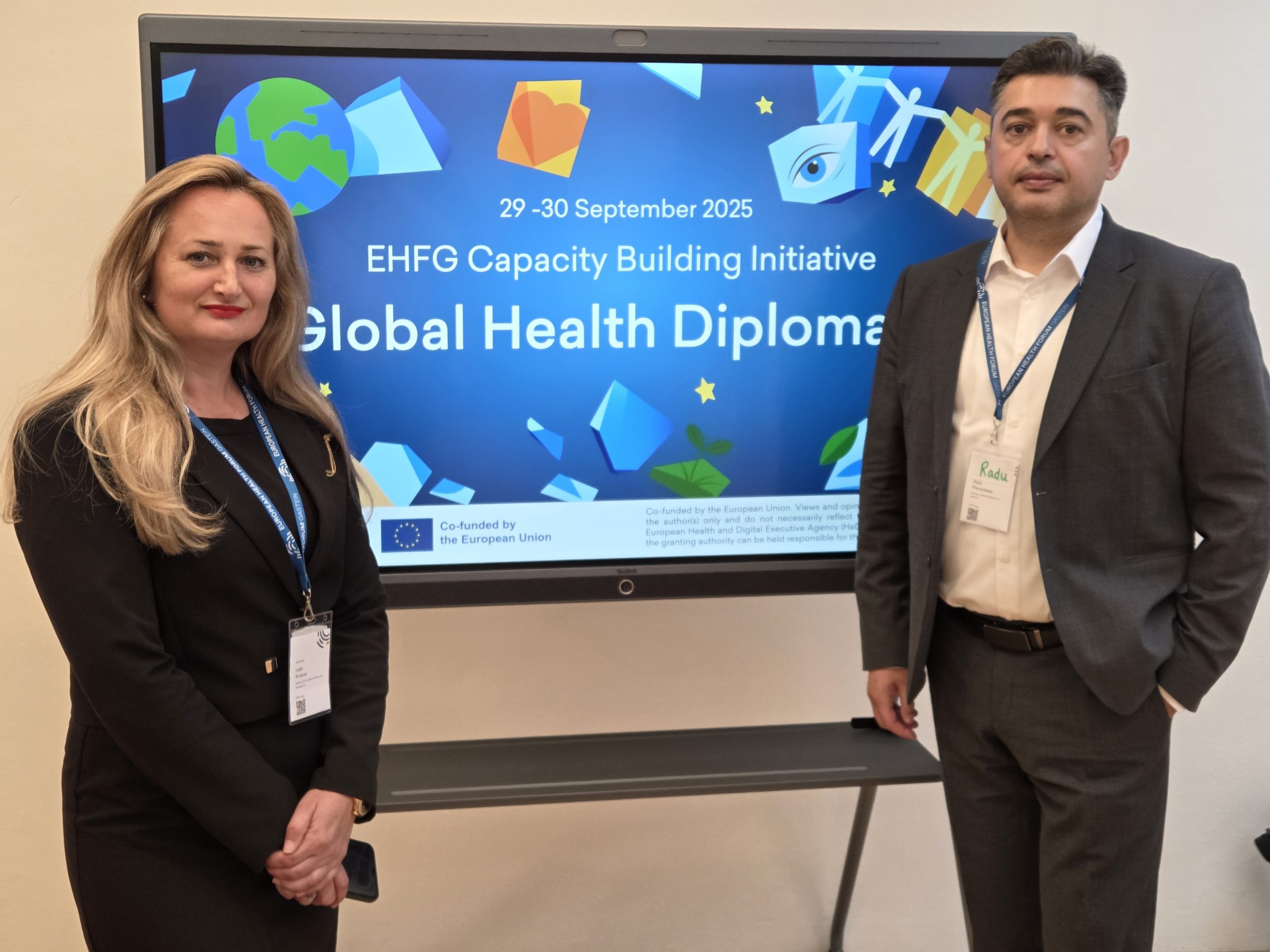
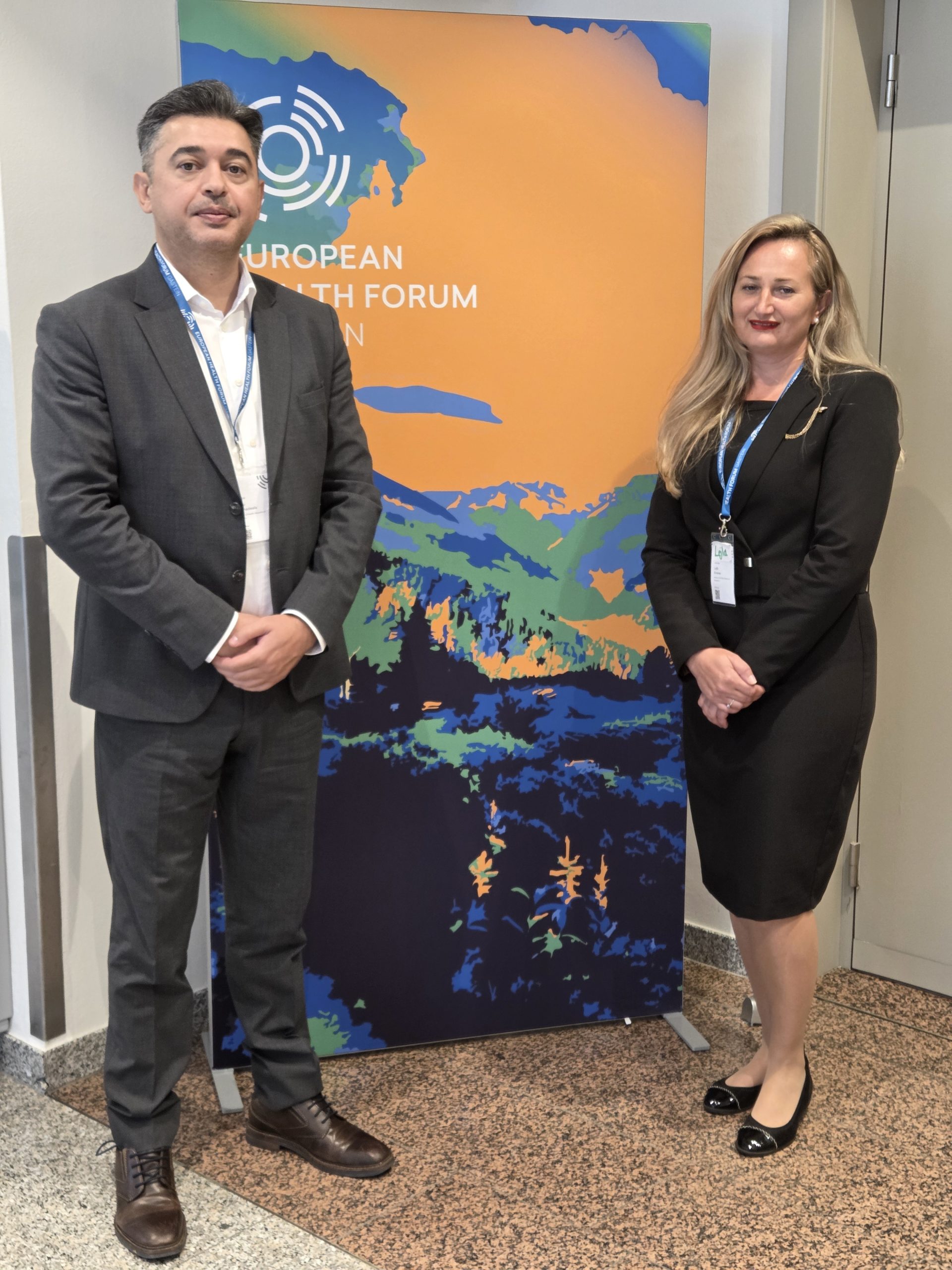
The meeting gathered Dr. Tatiana Paduraru, Head of the SEEHN Secretariat; Professor Jurica Arapović, MD, PhD, Assistant Minister and Head of the Department for European Integrational Cooperation, Ministry of Civil Affairs of Bosnia and Herzegovina; and Ms. Lejla Krvavac, the newly appointed Director of the SEEHN Regional Health Development Centre (RHDC) for Mental Health in South Eastern Europe, Ms Vesna Arsova, Financial Officer, SEEHN and Mr Davor Pestovic, Ministry of Civil Affairs, Head of Department for EU integration and International Cooperation.
The agenda focused on the current status and revitalization of the RHDC on Mental Health, which is being reactivated after a decade of inactivity. Participants discussed the importance of designating focal points for communication and collaboration with SEEHN Member States.
Key topics included:
  • · The relaunch of the Centre;
  • · The process for reappointing national focal points for cooperation with the Centre;
  • · Opportunities for renewed collaboration and funding opportunities with WHO/Europe, EU, etc.;
  • · Agreement on joint activities and initiatives, including the prospect of financial support from SEEHN;
  • · Defining concrete steps for the renewal and development of regional cooperation in mental health.
The participants welcomed the appointment of Ms. Lejla Krvavac as Director of the RHDC on Mental Health, under the auspices of the Ministry of Civil Affairs of Bosnia and Herzegovina, to lead efforts in strengthening mental health collaboration at the regional level.
This meeting concluded with a strong commitment from SEEHN and the Ministry of Civil Affairs of Bosnia and Herzegovina to work together in defining a roadmap for the RHDC on Mental Health, ensuring that mental health remains a priority on the regional agenda for public health and well-being.
Strengthening Regional Health Cooperation: SEEHN Secretariat and Moldova’s Minister of Health Set Strategic Course for Upcoming Presidency

Strengthening Regional Health Cooperation: SEEHN Secretariat and Moldova’s Minister of Health Set Strategic Course for Upcoming Presidency

Chisinau, 7 August 2025 – A high-level bilateral meeting was held today between Dr. Tatiana Paduraru, Director of the South-Eastern Europe Health Network (SEEHN) Secretariat, and Dr. Ala Nemerenco, Minister of Health of the Republic of Moldova, marking an important milestone in advancing regional health cooperation.

The discussions centred on Moldova’s upcoming Presidency of SEEHN, set to begin next year, following the current Israeli Presidency. The key strategic priorities to be pursued outlined her vision focusing on:

– Strengthening human resources in health, with special emphasis on the health workforce—recruitment, retention, and professional development.

– Upgrading infrastructure through hospital endowment and modernization to ensure equitable access to quality health services.

– Enhancing the quality of care across the SEEHN member states through evidence-based standards and continuous improvement.

Both parties also commended Moldova’s leading role in tobacco cessation policies and programmes, reaffirming the country’s commitment to spearheading regional efforts in reducing tobacco consumption and its health impact.

An important point on the agenda was the development of a regional initiative to advance knowledge and expertise on EU negotiations and implementation in the health sector. This initiative aims to provide SEEHN countries with targeted capacity-building, knowledge exchange, and best practices to align more effectively with EU health standards and policies.

The meeting concluded with a shared commitment to strengthen multilateral action, foster solidarity among SEEHN members, and work towards better health outcomes for the populations of South-East Europe.

Strengthening Health Cooperation: Productive Bilateral Meeting Held with Romania’s Minister of Health

Strengthening Health Cooperation: Productive Bilateral Meeting Held with Romania’s Minister of Health

📍Bucharest – July 30, 2025 –  A high-level bilateral meeting took place yesterday between the Minister of Health of Romania, Dr Alexandru-Florin Rogobete, and Dr Tatiana Paduraru, Head of the SEEHN Secretariat. The purpose of the meeting was to deepen collaboration on key healthcare priorities and to explore new opportunities for joint initiatives in public health, medical innovation, and health workforce development.
Discussions covered a broad range of topics, including:

– Strengthening emergency preparedness and response capacities, – Promoting health equity and reducing regional disparities,
– Advancing digital health and data interoperability initiatives,
– Supporting workforce training and medical education exchanges.

Both sides reiterated their shared commitment to building resilient health systems and improving population health outcomes. In particular, the Romanian Ministry of Health presented updates on national reforms aligned with EU health strategies, while counterparts highlighted support frameworks for cooperation in both bilateral and multilateral contexts.

The meeting concluded with agreements on strategic role of Romania shall play within the SEEHN in the next five years and potential hosting the next SEEHN Ministerial Forum 2027; to develop and establish a regional hub on digital health to be hosted by Romania, identify project opportunities, and facilitate ongoing dialogue at both technical and ministerial levels.
In this sense: “We welcome this partnership as a vital step forward in creating a more integrated and responsive healthcare landscape, both nationally and across Europe,” said Minister Rogobete.

Dr Paduraru expressed gratitude for the fruitful discussions and concluded by highlighting that:
“Our shared vision of health for all can only be realized through cooperation, innovation, and mutual respect.”
This meeting reflects growing momentum for cross-border collaboration in healthcare, recognizing shared challenges and opportunities in meeting the evolving needs of citizens.

South Eastern Europe Health Network contributes to advancing Regional Preparedness for Future Pandemics

South Eastern Europe Health Network contributes to advancing Regional Preparedness for Future Pandemics

📍2 July 2025, Vienna, Austria

The South Eastern Europe Health Network (SEEHN), participated at a meeting organized by SECID, acting as SEEHN RHDC on CDC and key partners. National and regional health experts convened together to discuss how to reinforce pandemic preparedness and vaccine deployment capabilities across South Eastern Europe.
The meeting, titled “Establish Regional & Country Capacities for Vaccine Deployment & Pandemic Preparedness”, brought together representatives from SEEHN Member States—Albania, Bosnia and Herzegovina, Bulgaria, Montenegro, North Macedonia, Serbia, and Kosovo*. Countries shared national experiences, identified common challenges, and designed pathways for joint regional action.
Opening remarks by Dr. Silvia Bino of SECID underscored the urgent need for proactive planning, drawing on lessons from COVID-19 and H1N1 pandemics. Ms. Amanda Bolster of TFGH highlighted the importance of early and strategic investments in vaccine deployment infrastructure to prevent catastrophic health and economic losses in future crises.
Country representatives presented national gaps and lessons learned, followed by dynamic group discussions that identified regional challenges solvable through cooperation. Participants explored regulatory challenges, supply chain bottlenecks, and the need for harmonized procurement processes.
Ms. Ulpiana Lama of the Regional Cooperation Council (RCC) emphasized the role of cross-sector collaboration in strengthening health security, while Ms. Vesna I. Arsova of the SEEHN Secretariat presented the SEEHN Regional Alliance as a vital platform for mobilizing political commitment and technical capacity in emergency preparedness.
The meeting concluded with a high-level panel discussion featuring SEEHN, SECID, RCC, and country stakeholders, addressing how regional initiatives can incorporate vaccine access, procurement, and deployment strategies.
As SEEHN transitions to a new presidency under the State of Israel, priorities for the 2025–2026 period include:
• Strengthening emergency preparedness and response capacities,
• Bridging the digital divide through regional action on digital health equity,
• Advancing nursing and midwifery leadership for resilient health systems.
This Vienna meeting reaffirmed SEEHN’s commitment to reducing health inequities, improving governance for health, and acting collectively to ensure timely, equitable vaccine access in future pandemics. Through sustained political will and coordinated regional efforts, SEEHN continues to build a safer, healthier future for all its Member States.

Dr. Tatiana Paduraru met with Dr. Azir Aliu, Minister of Health of the Republic of North Macedonia

Dr. Tatiana Paduraru met with Dr. Azir Aliu, Minister of Health of the Republic of North Macedonia

On June 20, 2024, Dr. Tatiana Păduraru, Head of the South Eastern Europe Health Network (SEEHN) Secretariat, met with Dr. Azir Aliu, Minister of Health of the Republic of North Macedonia, to discuss national health priorities and avenues for strengthening regional cooperation.

Dr. Aliu presented the five strategic pillars that will guide his ministerial mandate, underscoring the government’s commitment to modernizing the health system and ensuring patient-centered care. These priorities include:

  • A comprehensive roadmap addressing the health system’s needs,
  • Strengthening transparency and accountability,
  • Investing in human resources,
  • Reforming healthcare financing with a focus on prevention and personal responsibility, and
  • Advancing digital transformation within the health sector.

Minister Aliu highlighted plans for a wide-scale digital overhaul to improve service delivery and enable data-driven decision-making. The two high-level officials also exchanged views on optimizing hospital operations, resource allocation, and administrative efficiency to improve patient outcomes.

Dr. Aliu emphasized the importance of continuous professional development for healthcare personnel and the implementation of quality assurance standards, including the accreditation of public hospitals. Improving public perception of healthcare services through infrastructure investments and more patient-friendly service models was also a key point of discussion. Ensuring equitable access and high standards of care through facility upgrades and modern technologies was recognized as essential for health system advancement.

Dr. Păduraru commended Dr. Aliu for his forward-looking vision and reaffirmed SEEHN’s support for North Macedonia’s reform efforts. She emphasized the Network’s role in promoting knowledge exchange and collaborative action across the region.

In turn, Dr. Aliu congratulated Dr. Păduraru on her recent appointment as Head of the SEEHN Secretariat, noting the significance of the Secretariat’s presence in North Macedonia and its leadership in promoting regional public health achievements.

The meeting reaffirmed a shared commitment to joint initiatives and sustained dialogue, highlighting regional solidarity as a cornerstone for achieving long-term, sustainable health outcomes.

Appointment of the Head of SEEHN Secretariat

Appointment of the Head of SEEHN Secretariat

Sofia, Bulgaria — June 18, 2025 —The South-Eastern Europe Health Network (SEEHN) is pleased to announce the nomination of Dr. Tatiana Paduraru as the new Head of the SEEHN Secretariat. The decision was confirmed during the Network’s 48th Plenary Meeting, held on June 17–18, 2025, in Sofia, Bulgaria.

Dr. Paduraru’s appointment marks the continuation of her leadership following a term as Acting Head of the Secretariat, during which she demonstrated strong dedication, professionalism, and a deep commitment to SEEHN’s mission of regional solidarity in health. Her assignment recognizes her role in ensuring continuity, advancing strategic coordination, and guiding the Network through a critical period of transition.

Dr. Paduraru brings extensive experience in public health leadership, regional cooperation, and international engagement.

SEEHN looks forward to continuing its important work under Dr. Paduraru’s leadership as it advances cross-border initiatives in health promotion, disease prevention, and system resilience across South-Eastern Europe.

The South-Eastern Europe Health Network (SEEHN) is convening its 48th Plenary Meeting

The South-Eastern Europe Health Network (SEEHN) is convening its 48th Plenary Meeting

Sofia, Bulgaria — June 18, 2025 — The South-Eastern Europe Health Network (SEEHN) is convening its 48th Plenary Meeting on June 17–18, 2025, at the Astoria Grand Hotel in Sofia, centered around the theme “Health Promotion and Disease Prevention – Acting Together for Better Health for All.”

Organized under the Bulgarian Presidency of SEEHN and hosted by the Ministry of Health of the Republic of Bulgaria, the event brings together national health leaders, international partners, and key stakeholders dedicated to enhancing public health cooperation across the region.

The meeting was officially opened by Assoc. Prof. Silvi Kirilov, M.D., Minister of Health of the Republic of Bulgaria; Dr. Tatiana Paduraru, Acting Head of the SEEHN Secretariat; Dr. Svetlana Nicolaescu, Chair of the SEEHN Executive Committee, H.E. Christina De Bruin – UNICEF Representative in Bulgaria and Mr. Guillaume Simonian, a.i. WHO CO Bulgaria – online.

Minister Kirilov warmly greeted the particpants and outlined the importance of multilateral cooperation in the field of public health:

”The global and regional health challenges in the field of public health today require, above all, working in partnership, sharing good practices and mutual experience, the goal of which should not only be to provide optimal quality of treatment to patients, but also to actively protect and sustainably strengthen their health.”


In her opening address, Dr. Tatiana Paduraru highlighted the critical importance of collaboration in health:

“At a time when public health challenges are increasingly interconnected, acting together is not just a strategic choice — it is an imperative. This meeting is a platform to forge innovative pathways for collaboration and reaffirm our shared commitment to inclusive health for all.”

Dr. Svetlana Nicolaescu echoed this sentiment, stating:

“Prevention is a long-term investment — one that transcends sectors and borders. As our societies face growing health demands, we must act with foresight and unity.”

Day 1 of the meeting featured the inaugural Dr. Alexandre Berlin Prize Ceremony, celebrating exceptional contributions to health development in the region. The first award was presented to Dr. Maria Ruseva, recognized for her instrumental role in the founding and vision of the South-Eastern Europe Health Network.

Key Highlights and Outcomes:

  • Strong emphasis on regional collaboration to advance health promotion, disease prevention, and youth well-being through joint policies, information and good practices sharing, and coordinated campaigns.
  • Comprehensive overview of Bulgaria’s SEEHN Presidency (2024–2025), with recognition of major strides in digital health, NCDs, nursing and midwifery leadership, and health diplomacy.
  • Strategic transition to the incoming Israeli Presidency (2025–2026), marked by continuity planning and reaffirmed commitment to regional solidarity in health.
  • In-depth sessions on public health communication, vaccination strategies, nutrition policies, and digital innovation, highlighting the need for multisectoral investment in prevention.
  • Opportunities for partnership building and knowledge exchange identified across all sessions, laying the groundwork for future joint actions.

Demonstrating strong regional solidarity, participants from across the Network attended both in person and online, with special acknowledgment of the Israeli delegation for their virtual participation amidst ongoing travel restrictions.

Day 2 will be dedicated to closed-door governance discussions, covering key areas such as financial reporting, elections for the SEEHN Secretariat, and strategic planning.

These sessions will be followed by presentations from SEEHN’s Regional Health Development Centers (RHDCs), which will explore critical themes including maternal and newborn health (Romania), digital transformation (Bulgaria), nursing and midwifery leadership (Romania), and health workforce migration (Moldova).

The meeting will conclude with a cultural tour hosted by the Bulgarian Presidency, along with a strong reaffirmation of cross-border collaboration as a foundation for building sustainable and resilient health systems across South-Eastern Europe.


SEEHN Leadership Participates in EuroHealthNet General Council Meeting 2025 to Advance Health Equity and Climate Resilience

SEEHN Leadership Participates in EuroHealthNet General Council Meeting 2025 to Advance Health Equity and Climate Resilience

The South Eastern Europe Health Network (SEEHN) was represented by Dr. Tatiana Paduraru, SEEHN Director, and Dr. Svetlana Nicolaescu, Chair of the SEEHN Executive Committee and State Secretary at the Ministry of Health of the Republic of Moldova, at the EuroHealthNet General Council Meeting (GCM) and Annual Seminar, held in Brussels from 11 to 13 June 2025.

This high-level, three-day gathering convened health leaders, policymakers, and public health experts from across Europe to explore joint strategies for addressing the interconnected challenges of climate change, health promotion, and health equity. The event served as a vital forum for knowledge exchange, policy alignment, and collaborative planning to build a healthier and more equitable Europe.

Dr. Paduraru and Dr. Nicolaescu contributed to strategic discussions on the evolving role of public health in climate action, the development of EuroHealthNet’s Strategic Development Plan 2026–2031, and the adoption of a new Ethical Framework for Health Promotion. Their active engagement reaffirmed SEEHN’s commitment to strengthening regional cooperation and public health leadership in the face of global health challenges.

A key feature of the programme was the Annual Seminar on “Climate Change and Health: Using the Health Argument to Mitigate and Adapt,” hosted by the Spanish Permanent Representation to the EU. The seminar focused on the mounting health impacts of climate change—particularly for vulnerable populations—and the urgent need for health-informed climate action.

The sessions explored evidence-based approaches to:

  • Address the growing health and health equity impacts of climate change;
  • Foster intersectoral collaboration to tackle environmental health determinants;
  • Equip public health leaders with tools for climate adaptation and resilience;
  • Align regional and national strategies with European and global policy frameworks.

The EuroHealthNet GCM 2025 reaffirmed the importance of coordinated European responses to health inequalities and climate threats. SEEHN commends EuroHealthNet for organizing a forward-thinking and impactful meeting, and looks forward to continued collaboration in shaping resilient and equitable health systems across the region.

SEEHN Rallies Regional Support for World Blood Donor Day 2025 “Give blood, give hope: together we save lives”

SEEHN Rallies Regional Support for World Blood Donor Day 2025 “Give blood, give hope: together we save lives”

The South-eastern Europe Health Network (SEEHN) proudly supports the celebration of World Blood Donor Day on 14 June 2025, joining the global call to action under this year’s inspiring theme: “Give blood, give hope: together we save lives.”

This powerful message highlights a simple yet life-changing act: giving blood. Voluntary blood donors offer more than just a medical resource—they give hope, restore dignity, and offer a second chance at life. Their selfless contributions are a testament to the values of community, solidarity, and shared responsibility that lie at the heart of resilient health systems.

SEEHN calls on governments, healthcare institutions, and civil society across the region to strengthen national blood systems, promote voluntary and unpaid blood donation, and build greater public awareness around the ongoing need for safe, regular blood donations.

Member States are encouraged to support this year’s campaign by organizing community outreach activities, launching educational initiatives, deploying mobile donation units, and publicly recognizing the vital role of regular blood donors. These efforts reflect SEEHN’s broader commitment to universal health coverage, cross-border cooperation, and stronger, more inclusive health systems across South-eastern Europe.

As we mark World Blood Donor Day, SEEHN extends sincere gratitude to all blood donors in the region. Together, we give blood. Together, we give hope.

SEEHN joins WHO and global partners to raise awareness of tobacco and nicotine dangers and to spotlight effective national responses

SEEHN joins WHO and global partners to raise awareness of tobacco and nicotine dangers and to spotlight effective national responses

Skopje, 30 May 2025 – The South-Eastern Europe Health Network (SEEHN) proudly joins the World Health Organization and public health allies around the globe in marking World No Tobacco Day (WNTD) on 31 May 2025, under the global theme: “Unmask the Appeal – #TobaccoExposed.”

This year’s campaign puts the spotlight on the manipulative strategies used by the tobacco and nicotine industries to attract new users, especially children and young people. These include flavoured products, misleading packaging, digital marketing, and the normalization of tobacco use in public and private settings.

To deepen understanding and inspire action, SEEHN encourages viewing the recorded WHO event held on 13 May 2025, which explored how product design and marketing continue to lure young people into nicotine addiction—and how governments can push back.

📺 Watch the recorded event:

👉 WHO: Unmask the Appeal of Tobacco and Nicotine Products

Tobacco use continues to be a leading cause of preventable disease and death across South-Eastern Europe. According to the eighth edition of WHO’s Tobacco Packaging and Labelling Global Status Report (October 2023)[1], SEEHN Member Countries were ranked (out of 173) as follows:

  • Albania – 31
  • Bosnia and Herzegovina – 132
  • Bulgaria – 31
  • Israel – 31
  • Moldova (Republic of) – 31
  • Montenegro – 141
  • North Macedonia – 141
  • Romania – 31
  • Serbia – 141

SEEHN commends the Republic of Moldova for taking decisive new steps to strengthen its national tobacco control policies. In May 2025, Moldova’s Parliament passed in second reading a comprehensive law developed by the Ministry of Health and the National Agency for Public Health, aimed at closing regulatory gaps and extending protections across all tobacco and related products, including electronic cigarettes and hookahs.

These bold steps place Moldova at the forefront of regional tobacco control efforts and align with FCTC best practices in public space protection, denormalization of tobacco use, and health equity.

SEEHN reaffirms its commitment to tobacco control through stronger regional collaboration, support for national legislation including flavour bans, and public education campaigns that empower youth to resist industry manipulation.


#SEEHN #WorldNoTobaccoDay #WNTD2025 #TobaccoExposed #UnmaskTheAppeal #TobaccoControl #PublicHealth #FCTC #YouthHealth #SouthEasternEurope #HealthEquity #SmokeFree #NicotineAddiction #ProtectChildren #MoldovaHealth #FlavourBan


[1] https://cancer.ca/-/media/files/about-us/media-releases/2024/international-warnings-report/ccs-international-cigarette-packaging-report-2023-english.pdf

South-Eastern Europe Joins Forces to Address Maternal and Newborn Health Challenges Online Consultation Gathers Regional Stakeholders Under the Theme “Healthy Beginnings, Hopeful Futures”

South-Eastern Europe Joins Forces to Address Maternal and Newborn Health Challenges Online Consultation Gathers Regional Stakeholders Under the Theme “Healthy Beginnings, Hopeful Futures”

On 28 May 2025,  the South-Eastern Europe Health Network (SEEHN), in collaboration with WHO/Europe and the Regional Health Development Centre on Sexual and Reproductive Health (hosted by Romania), successfully convened a regional online consultation on maternal and newborn health today, uniting representatives from ministries of health, health professionals, and international partners.

Held in the spirit of World Health Day 2025’s theme “Healthy Beginnings, Hopeful Futures,” the consultation offered a dynamic platform to assess progress, exchange best practices, and identify priorities to strengthen maternal and newborn health systems across SEEHN Member States.

Opening remarks were delivered by Dr. Natasha Azzopardi-Muscat, Director of the Division of Country Health Policies and Systems at WHO Regional Office for Europe, and Dr. Tatiana Păduraru, Acting Head of the SEEHN Secretariat. Both highlighted the importance of regional solidarity and systems thinking in ensuring safe and equitable care for mothers and newborns.

The keynote presentation was delivered by Dr. Oleg Kuzmenko, WHO Regional Office for Europe’s Technical Officer on Sexual and Reproductive Health, who presented an overview of regional priorities, persistent gaps, and emerging opportunities. His insights reflected the need for innovative, data-driven, and equity-focused approaches to reduce maternal and newborn mortality and morbidity.

SEEHN Member States—Albania, Bosnia and Herzegovina, Bulgaria, Israel, Moldova, Montenegro, North Macedonia, Romania, and Serbia—shared national updates on challenges, innovations, and best practices. Presentations highlighted successful interventions, remaining inequities, and areas requiring additional resources or collaboration. The moderated discussion aimed at creating space for dialogue on lessons learned, joint capacity-building, and the potential for cross-border collaboration. Speakers and participants collectively identified priority areas including midwifery training, community-based care, data systems, and health workforce development.

In the closing remarks, Dr. Mihai Horga, Director of the SEEHN RHDC on Sexual and Reproductive Health (Romania) and event moderator, underscored the value of these collective platforms in advancing evidence-based and inclusive strategies across the region.

SEEHN and its partners extend gratitude to all contributors and reaffirm their dedication to supporting Member States in translating today’s reflections into impactful action—ensuring every mother and newborn in South-Eastern Europe has the opportunity for a healthy beginning and a hopeful future.

Online Consultation on Maternal and Newborn Health Challenges in South-Eastern Europe

Online Consultation on Maternal and Newborn Health Challenges in South-Eastern Europe

UPCOMING EVENT! In the spirit of this year’s World Health Day 2025 theme, “Healthy Beginnings, Hopeful Futures,” SEEHN Secretariat is pleased to invite you to attend the upcoming Online Consultation on Maternal and Newborn Health Challenges in South-Eastern Europe. For any questions ahead of the event and receipt of link to join the event, please feel free to reach out to the SEEHN Secretariat.

South Eastern Europe Health Network (SEEHN) Champions Regional Nursing Leadership at 78th World Health Assembly Side Event

South Eastern Europe Health Network (SEEHN) Champions Regional Nursing Leadership at 78th World Health Assembly Side Event

The South Eastern Europe Health Network (SEEHN) proudly participated in the high-level side event “Nursing and Midwifery Leadership: Driving Global Health Goals” on the margins of the 78th World Health Assembly (WHA78), affirming its commitment to elevate nursing and midwifery leadership as a cornerstone of health system transformation in the region.

SEEHN was represented by senior officials from its member states, as well as by the a.i. Director of the SEEHN Secretariat, Dr. Tatiana Păduraru.

The event was co-hosted by the Romanian Ministry of Health and the Romanian Order of Nurses, and co-sponsored by Jordan, Japan, Indonesia, Thailand, and the South Eastern Europe Health Network (SEEHN). This multiregional initiative created a dynamic forum for dialogue and cooperation, providing a platform for global leaders to share experiences and strategies to strengthen the nursing and midwifery workforce.

The session featured an outstanding lineup of global and regional leaders, including Dr. Jim Campbell (WHO), Dr. Amelia Afuhaamango Latu (Tonga), Dr. Pamela Cipriano (President, ICN), Mr. Howard Catton (CEO, ICN), and Dr. Carey McCarthy (WHO), alongside powerful regional contributions from Thailand, Indonesia, the United Arab Emirates, and SEEHN. Their inspiring exchange underscored both the urgency and opportunity to invest in nursing and midwifery leadership as a key strategy for achieving universal health coverage.

In her address, the a.i. Director of the SEEHN Secretariat emphasized that “leadership is not a luxury; it is a necessity. In empowering our nursing and midwifery professionals, we empower our health systems — and by doing so, we bring health, dignity, and equity to our communities.” Her message highlighted persistent regional disparities in education, leadership representation, and workforce migration, while also recognizing recent progress through the WHO Collaborating Centre for Leadership and Governance in Nursing in Israel, and the establishment of the Regional Health Development Centre on Nursing and Midwifery in Romania.

Following the side event, SEEHN took a firm and united stance by co-sponsoring Romania’s statement in Committee B of WHA78, calling for the extension of the Global Strategic Directions for Nursing and Midwifery (GSDNM) through 2030. This collective action underscores SEEHN’s belief that sustained investment in nursing and midwifery leadership is essential to achieving Sustainable Development Goal 3 and advancing universal health coverage across South Eastern Europe.

SEEHN reiterates its commitment to supporting member states in:

  • Establishing Chief Nursing and Midwifery Officers at the national level,
  • Strengthening academic pathways and career ladders,
  • Integrating nursing leadership into health governance,
  • Promoting gender-transformative policies,
  • Developing effective retention and workforce sustainability strategies.

With a unified voice, SEEHN continues to position nursing and midwifery leadership as a strategic priority for resilient and equitable health systems—across the region and beyond.

Honouring Nurses and Midwives — The Backbone of Health Systems

Honouring Nurses and Midwives — The Backbone of Health Systems

The South Eastern European Health Network (SEEHN) and its Regional Health Development Centre (RHDC) for Nursing and Midwifery proudly join the global community in celebrating both the International Day of the Midwife (5 May) and International Nurses Day (12 May).

These celebrations are dedicated to recognising the vital role of midwives and nurses, who stand at the core of healthcare systems — supporting individuals from the very first moments of life and throughout their health journey. Across South Eastern Europe and around the world, nurses and midwives deliver essential, life-saving care every day, exemplifying professionalism, compassion, and resilience.

While midwives ensure safe beginnings, guiding mothers and newborns through critical early moments, nurses continue that continuum of care across all settings — from homes and communities to clinics and hospitals. Together, they are indispensable to achieving universal health coverage and building healthier, stronger societies.

SEEHN and RHDC emphasize that investing in nurses and midwives means investing in a sustainable, equitable, and resilient future. Ensuring access to quality education, fair working conditions, leadership pathways, and adequate resources is essential to empower these professions and secure long-term health system development across the region.

On 12 May, we also mark the symbolic launch of the second edition of the State of the World’s Nursing (SOWN) Report — a key resource offering an updated global overview of the nursing workforce. The report highlights achievements to date, while clearly outlining the critical actions still required. SEEHN urges policymakers and stakeholders to leverage this evidence-based tool in shaping effective strategies and investments in nursing.

Nurses and midwives are the foundation of healthcare. Supporting them is essential to delivering quality care, advancing health equity, and ensuring healthier futures for all. SEEHN and its RHDC on nursing and midwifery call upon governments, partners, and communities to move beyond recognition — towards concrete actions that strengthen and sustain both the nursing and midwifery professions.

We extend our heartfelt gratitude and best wishes to all nurses and midwives — Happy International Day! Thank you for your unwavering commitment and invaluable contribution.

Source : https://healthservicediscounts.com/blog/international-nurses-day-2025/
SEEHN a.i. Director Dr. Tatiana Păduraru Highlights Regional Leadership in Midwifery and Nursing at High-Level Event, organized in Bucharest, Romania – held on 8 May 2025

SEEHN a.i. Director Dr. Tatiana Păduraru Highlights Regional Leadership in Midwifery and Nursing at High-Level Event, organized in Bucharest, Romania – held on 8 May 2025

The South Eastern Europe Health Network (SEEHN) reaffirmed its commitment to advancing the professions of midwifery and nursing across the region at a landmark event held in Bucharest. Dr. Tatiana Păduraru, a.i. Director of SEEHN, delivered the opening address, emphasizing the vital role of midwives and nurses in delivering safe, accessible, and high-quality health services, particularly in maternal and neonatal care.
The event, organized under the auspices of SEEHN’s Regional Health Development Centers (RHDCs) for Reproductive and Sexual Health and for Nursing and Midwifery, brought together distinguished guests, health professionals, and policymakers from across South Eastern Europe. Dr. Păduraru praised the Romanian Order of Nurses, Midwives, and Medical Assistants (OAMGMAMR) for its exemplary leadership in coordinating the RHDC for Nursing and Midwifery, which stands as a testament to Romania’s and SEEHN’s commitment to excellence in health education, practice, and policy.
“SEEHN is proud to serve as a platform for cooperation, solidarity, and sustainable development among its ten member states,” Dr. Păduraru stated. “Our collective efforts, particularly through the RHDCs, are strengthening the roles of nurses and midwives as cornerstones of resilient and equitable health systems throughout the region.”
Dr. Păduraru also announced a major upcoming milestone: on May 21, during the 78th World Health Assembly in Geneva, SEEHN will co-host a side event alongside the Romanian Ministry of Health, OAMGMAMR, and international partners from Japan, Thailand, Indonesia, and Jordan. The event will focus on empowering nurses and midwives to build resilient, people-centered health systems and will highlight the region’s contributions to global health debates.
Looking ahead, SEEHN reiterated its dedication to fostering close collaboration with national and regional partners, including the World Health Organization Regional Office for Europe, to promote policies that value and support the midwifery profession at every stage of life-from birth to prevention and community care.

Dr. Păduraru concluded by commending the dedication, professionalism, and humanity of health professionals throughout the region, encouraging them to remain ambassadors of positive change and compassionate, equitable care.

SEEHN Concludes High-Level Digital Health Expert Meeting in Sofia: A Milestone Towards Regional Interoperability and Universal Health Coverage

SEEHN Concludes High-Level Digital Health Expert Meeting in Sofia: A Milestone Towards Regional Interoperability and Universal Health Coverage

Sofia, Bulgaria—10 April 2025—The South Eastern Europe Health Network (SEEHN), in collaboration with the Ministry of Health of the Republic of Bulgaria, successfully concluded a high-level expert meeting today on the theme “Towards Universal Health Coverage—Give Health an e-Chance!”

The meeting brought together representatives from SEEHN Member States, digital health leaders, policymakers, and regional experts in Sofia to explore the transformative role of digital health in strengthening health systems and accelerating progress towards Universal Health Coverage (UHC).

The event featured national case studies and shared experiences from Bulgaria, Israel, Albania, Bosnia and Herzegovina, Montenegro, North Macedonia, Romania, and Serbia. The Bulgarian Ministry of Health presented the country’s advancements in digital health infrastructure, including integrating health information systems and digital transformation strategies.

Ms Dobromira Kareva Deputy Minister of Health, represented Minister Assoc. Prof. Silvi Kirilov, MD, Ministry of Health of the Republic of Bulgaria, and highlighted on his behalf that:” the process of introducing e-Health require serious efforts, as well as active cooperation between individual institutions and countries, with a view to building sustainable, accessible and patient-oriented health systems…”

In her opening remarks, Dr. Tatiana Paduraru, Acting Head of the SEEHN Secretariat, emphasized the importance of building regional capacity and policy coherence to ensure digital health contributes effectively to accessibility, efficiency, and resilience in healthcare.

Key discussions focused on:

  • Interoperability of health systems across borders;
  • Alignment with the European Health Data Space (EHDS);
  • Policy frameworks that support the ethical and secure exchange of health data;
  • Strengthening digital health governance and innovation ecosystems.

The closing session, led by Professor Immanuel Azaad Moonesar R.D. of the Mohammed Bin Rashid School of Government, showcased global perspectives and valuable policy lessons from the UAE on regional digital health integration.

This expert meeting was vital in fostering cross-border collaboration and shaping a shared digital health vision for the SEEHN region. Participants jointly identified strategic priorities for regional cooperation, including interoperability, cybersecurity, and capacity-building.

SEEHN remains committed to supporting its Member States in harnessing the power of digital technologies to improve health outcomes and equity across Southeastern Europe.