South-Eastern Europe Joins Forces to Address Maternal and Newborn Health Challenges Online Consultation Gathers Regional Stakeholders Under the Theme “Healthy Beginnings, Hopeful Futures”

South-Eastern Europe Joins Forces to Address Maternal and Newborn Health Challenges Online Consultation Gathers Regional Stakeholders Under the Theme “Healthy Beginnings, Hopeful Futures”

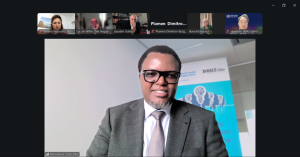
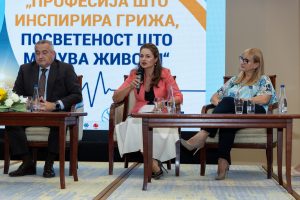
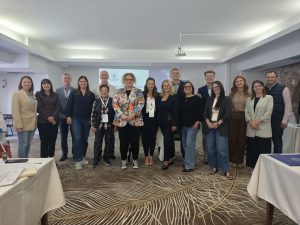
On 28 May 2025,  the South-Eastern Europe Health Network (SEEHN), in collaboration with WHO/Europe and the Regional Health Development Centre on Sexual and Reproductive Health (hosted by Romania), successfully convened a regional online consultation on maternal and newborn health today, uniting representatives from ministries of health, health professionals, and international partners.

Held in the spirit of World Health Day 2025’s theme “Healthy Beginnings, Hopeful Futures,” the consultation offered a dynamic platform to assess progress, exchange best practices, and identify priorities to strengthen maternal and newborn health systems across SEEHN Member States.

Opening remarks were delivered by Dr. Natasha Azzopardi-Muscat, Director of the Division of Country Health Policies and Systems at WHO Regional Office for Europe, and Dr. Tatiana Păduraru, Acting Head of the SEEHN Secretariat. Both highlighted the importance of regional solidarity and systems thinking in ensuring safe and equitable care for mothers and newborns.

The keynote presentation was delivered by Dr. Oleg Kuzmenko, WHO Regional Office for Europe’s Technical Officer on Sexual and Reproductive Health, who presented an overview of regional priorities, persistent gaps, and emerging opportunities. His insights reflected the need for innovative, data-driven, and equity-focused approaches to reduce maternal and newborn mortality and morbidity.

SEEHN Member States—Albania, Bosnia and Herzegovina, Bulgaria, Israel, Moldova, Montenegro, North Macedonia, Romania, and Serbia—shared national updates on challenges, innovations, and best practices. Presentations highlighted successful interventions, remaining inequities, and areas requiring additional resources or collaboration. The moderated discussion aimed at creating space for dialogue on lessons learned, joint capacity-building, and the potential for cross-border collaboration. Speakers and participants collectively identified priority areas including midwifery training, community-based care, data systems, and health workforce development.

In the closing remarks, Dr. Mihai Horga, Director of the SEEHN RHDC on Sexual and Reproductive Health (Romania) and event moderator, underscored the value of these collective platforms in advancing evidence-based and inclusive strategies across the region.

SEEHN and its partners extend gratitude to all contributors and reaffirm their dedication to supporting Member States in translating today’s reflections into impactful action—ensuring every mother and newborn in South-Eastern Europe has the opportunity for a healthy beginning and a hopeful future.

Online Consultation on Maternal and Newborn Health Challenges in South-Eastern Europe

Online Consultation on Maternal and Newborn Health Challenges in South-Eastern Europe

UPCOMING EVENT! In the spirit of this year’s World Health Day 2025 theme, “Healthy Beginnings, Hopeful Futures,” SEEHN Secretariat is pleased to invite you to attend the upcoming Online Consultation on Maternal and Newborn Health Challenges in South-Eastern Europe. For any questions ahead of the event and receipt of link to join the event, please feel free to reach out to the SEEHN Secretariat.

South Eastern Europe Health Network (SEEHN) Champions Regional Nursing Leadership at 78th World Health Assembly Side Event

South Eastern Europe Health Network (SEEHN) Champions Regional Nursing Leadership at 78th World Health Assembly Side Event

The South Eastern Europe Health Network (SEEHN) proudly participated in the high-level side event “Nursing and Midwifery Leadership: Driving Global Health Goals” on the margins of the 78th World Health Assembly (WHA78), affirming its commitment to elevate nursing and midwifery leadership as a cornerstone of health system transformation in the region.

SEEHN was represented by senior officials from its member states, as well as by the a.i. Director of the SEEHN Secretariat, Dr. Tatiana Păduraru.

The event was co-hosted by the Romanian Ministry of Health and the Romanian Order of Nurses, and co-sponsored by Jordan, Japan, Indonesia, Thailand, and the South Eastern Europe Health Network (SEEHN). This multiregional initiative created a dynamic forum for dialogue and cooperation, providing a platform for global leaders to share experiences and strategies to strengthen the nursing and midwifery workforce.

The session featured an outstanding lineup of global and regional leaders, including Dr. Jim Campbell (WHO), Dr. Amelia Afuhaamango Latu (Tonga), Dr. Pamela Cipriano (President, ICN), Mr. Howard Catton (CEO, ICN), and Dr. Carey McCarthy (WHO), alongside powerful regional contributions from Thailand, Indonesia, the United Arab Emirates, and SEEHN. Their inspiring exchange underscored both the urgency and opportunity to invest in nursing and midwifery leadership as a key strategy for achieving universal health coverage.

In her address, the a.i. Director of the SEEHN Secretariat emphasized that “leadership is not a luxury; it is a necessity. In empowering our nursing and midwifery professionals, we empower our health systems — and by doing so, we bring health, dignity, and equity to our communities.” Her message highlighted persistent regional disparities in education, leadership representation, and workforce migration, while also recognizing recent progress through the WHO Collaborating Centre for Leadership and Governance in Nursing in Israel, and the establishment of the Regional Health Development Centre on Nursing and Midwifery in Romania.

Following the side event, SEEHN took a firm and united stance by co-sponsoring Romania’s statement in Committee B of WHA78, calling for the extension of the Global Strategic Directions for Nursing and Midwifery (GSDNM) through 2030. This collective action underscores SEEHN’s belief that sustained investment in nursing and midwifery leadership is essential to achieving Sustainable Development Goal 3 and advancing universal health coverage across South Eastern Europe.

SEEHN reiterates its commitment to supporting member states in:

  • Establishing Chief Nursing and Midwifery Officers at the national level,
  • Strengthening academic pathways and career ladders,
  • Integrating nursing leadership into health governance,
  • Promoting gender-transformative policies,
  • Developing effective retention and workforce sustainability strategies.

With a unified voice, SEEHN continues to position nursing and midwifery leadership as a strategic priority for resilient and equitable health systems—across the region and beyond.

Honouring Nurses and Midwives — The Backbone of Health Systems

Honouring Nurses and Midwives — The Backbone of Health Systems

The South Eastern European Health Network (SEEHN) and its Regional Health Development Centre (RHDC) for Nursing and Midwifery proudly join the global community in celebrating both the International Day of the Midwife (5 May) and International Nurses Day (12 May).

These celebrations are dedicated to recognising the vital role of midwives and nurses, who stand at the core of healthcare systems — supporting individuals from the very first moments of life and throughout their health journey. Across South Eastern Europe and around the world, nurses and midwives deliver essential, life-saving care every day, exemplifying professionalism, compassion, and resilience.

While midwives ensure safe beginnings, guiding mothers and newborns through critical early moments, nurses continue that continuum of care across all settings — from homes and communities to clinics and hospitals. Together, they are indispensable to achieving universal health coverage and building healthier, stronger societies.

SEEHN and RHDC emphasize that investing in nurses and midwives means investing in a sustainable, equitable, and resilient future. Ensuring access to quality education, fair working conditions, leadership pathways, and adequate resources is essential to empower these professions and secure long-term health system development across the region.

On 12 May, we also mark the symbolic launch of the second edition of the State of the World’s Nursing (SOWN) Report — a key resource offering an updated global overview of the nursing workforce. The report highlights achievements to date, while clearly outlining the critical actions still required. SEEHN urges policymakers and stakeholders to leverage this evidence-based tool in shaping effective strategies and investments in nursing.

Nurses and midwives are the foundation of healthcare. Supporting them is essential to delivering quality care, advancing health equity, and ensuring healthier futures for all. SEEHN and its RHDC on nursing and midwifery call upon governments, partners, and communities to move beyond recognition — towards concrete actions that strengthen and sustain both the nursing and midwifery professions.

We extend our heartfelt gratitude and best wishes to all nurses and midwives — Happy International Day! Thank you for your unwavering commitment and invaluable contribution.

Source : https://healthservicediscounts.com/blog/international-nurses-day-2025/
SEEHN a.i. Director Dr. Tatiana Păduraru Highlights Regional Leadership in Midwifery and Nursing at High-Level Event, organized in Bucharest, Romania – held on 8 May 2025

SEEHN a.i. Director Dr. Tatiana Păduraru Highlights Regional Leadership in Midwifery and Nursing at High-Level Event, organized in Bucharest, Romania – held on 8 May 2025

The South Eastern Europe Health Network (SEEHN) reaffirmed its commitment to advancing the professions of midwifery and nursing across the region at a landmark event held in Bucharest. Dr. Tatiana Păduraru, a.i. Director of SEEHN, delivered the opening address, emphasizing the vital role of midwives and nurses in delivering safe, accessible, and high-quality health services, particularly in maternal and neonatal care.
The event, organized under the auspices of SEEHN’s Regional Health Development Centers (RHDCs) for Reproductive and Sexual Health and for Nursing and Midwifery, brought together distinguished guests, health professionals, and policymakers from across South Eastern Europe. Dr. Păduraru praised the Romanian Order of Nurses, Midwives, and Medical Assistants (OAMGMAMR) for its exemplary leadership in coordinating the RHDC for Nursing and Midwifery, which stands as a testament to Romania’s and SEEHN’s commitment to excellence in health education, practice, and policy.
“SEEHN is proud to serve as a platform for cooperation, solidarity, and sustainable development among its ten member states,” Dr. Păduraru stated. “Our collective efforts, particularly through the RHDCs, are strengthening the roles of nurses and midwives as cornerstones of resilient and equitable health systems throughout the region.”
Dr. Păduraru also announced a major upcoming milestone: on May 21, during the 78th World Health Assembly in Geneva, SEEHN will co-host a side event alongside the Romanian Ministry of Health, OAMGMAMR, and international partners from Japan, Thailand, Indonesia, and Jordan. The event will focus on empowering nurses and midwives to build resilient, people-centered health systems and will highlight the region’s contributions to global health debates.
Looking ahead, SEEHN reiterated its dedication to fostering close collaboration with national and regional partners, including the World Health Organization Regional Office for Europe, to promote policies that value and support the midwifery profession at every stage of life-from birth to prevention and community care.

Dr. Păduraru concluded by commending the dedication, professionalism, and humanity of health professionals throughout the region, encouraging them to remain ambassadors of positive change and compassionate, equitable care.

SEEHN Concludes High-Level Digital Health Expert Meeting in Sofia: A Milestone Towards Regional Interoperability and Universal Health Coverage

SEEHN Concludes High-Level Digital Health Expert Meeting in Sofia: A Milestone Towards Regional Interoperability and Universal Health Coverage

Sofia, Bulgaria—10 April 2025—The South Eastern Europe Health Network (SEEHN), in collaboration with the Ministry of Health of the Republic of Bulgaria, successfully concluded a high-level expert meeting today on the theme “Towards Universal Health Coverage—Give Health an e-Chance!”

The meeting brought together representatives from SEEHN Member States, digital health leaders, policymakers, and regional experts in Sofia to explore the transformative role of digital health in strengthening health systems and accelerating progress towards Universal Health Coverage (UHC).

The event featured national case studies and shared experiences from Bulgaria, Israel, Albania, Bosnia and Herzegovina, Montenegro, North Macedonia, Romania, and Serbia. The Bulgarian Ministry of Health presented the country’s advancements in digital health infrastructure, including integrating health information systems and digital transformation strategies.

Ms Dobromira Kareva Deputy Minister of Health, represented Minister Assoc. Prof. Silvi Kirilov, MD, Ministry of Health of the Republic of Bulgaria, and highlighted on his behalf that:” the process of introducing e-Health require serious efforts, as well as active cooperation between individual institutions and countries, with a view to building sustainable, accessible and patient-oriented health systems…”

In her opening remarks, Dr. Tatiana Paduraru, Acting Head of the SEEHN Secretariat, emphasized the importance of building regional capacity and policy coherence to ensure digital health contributes effectively to accessibility, efficiency, and resilience in healthcare.

Key discussions focused on:

  • Interoperability of health systems across borders;
  • Alignment with the European Health Data Space (EHDS);
  • Policy frameworks that support the ethical and secure exchange of health data;
  • Strengthening digital health governance and innovation ecosystems.

The closing session, led by Professor Immanuel Azaad Moonesar R.D. of the Mohammed Bin Rashid School of Government, showcased global perspectives and valuable policy lessons from the UAE on regional digital health integration.

This expert meeting was vital in fostering cross-border collaboration and shaping a shared digital health vision for the SEEHN region. Participants jointly identified strategic priorities for regional cooperation, including interoperability, cybersecurity, and capacity-building.

SEEHN remains committed to supporting its Member States in harnessing the power of digital technologies to improve health outcomes and equity across Southeastern Europe.

South-Eastern European Region Marks World Health Day 2025

South-Eastern European Region Marks World Health Day 2025

The South-Eastern European Health Network (SEEHN) proudly joins the global community in marking World Health Day 2025 under the theme “Healthy beginnings, hopeful futures.”
This year’s theme emphasizes the critical importance of improving maternal and newborn health and survival, ensuring that every child is given the best possible start in life and that no mother is left behind.
To mark the day, the SEEHN, the RHDC on sexual and reproductive health, hosted by Romania, together with the WHO and will host an online consultation titled “Maternal and Newborn Health Challenges in South East Europe.” The consultation will bring together health professionals, policymakers, and key stakeholders from the region and provide a collaborative platform to exchange insights, highlight country-specific challenges, and explore solutions for enhancing maternal and newborn health outcomes across the region.
The event will take place virtually on 28 May 2025 and will include:
✅ Country presentations offering snapshots of current national efforts, challenges, and strategies in maternal and newborn health.
✅ An interactive, moderated discussion to foster shared learning, identify common obstacles, and uncover opportunities for cross-country collaboration.
✅ Key messages, actionable recommendations, and commitments to regional cooperation.
This initiative underscores SEEHN’s commitment to aligning with WHO’s global objectives and achieving the Sustainable Development Goals (SDGs) related to maternal and child health. Following the consultation, a comprehensive report will be published outlining the main outcomes and pathways forward for coordinated regional action.
Together, SEEHN and WHO reaffirm that healthy beginnings pave the way for hopeful futures for individuals, families, and entire communities across South-east Europe.
Credits
WHO/C. Abella-Pixabay
SEEHN Member States Convene in Podgorica for a Technical Meeting on Strengthening NCD Surveillance

SEEHN Member States Convene in Podgorica for a Technical Meeting on Strengthening NCD Surveillance

Podgorica, Montenegro—On 25 and 26 March 2025, SEEHN organized a technical meeting in Podgorica on NCD Population-Based Surveys in the South-Eastern Europe Health Network (SEEHN) Member States.

Hosted by the Institute of Public Health of Montenegro, the initiative reinforced the region’s dedication to enhancing non-communicable disease (NCD) surveillance and fostering data-driven public health policies. The event provided a platform for collaboration and knowledge exchange with representatives from SEEHN Member States, public health experts, and key international partners—including the WHO Regional Office for Europe.

 Among the distinguished speakers and moderators were:

  • Dr. Snežana Barjaktarević Labović, Acting Director, Institute of Public Health of Montenegro
  • Dr. Tatiana Paduraru, Acting Director, SEEHN Secretariat
  • Dr. Ivana Zivkovic, General Director, Directorate for Public Health, Ministry of Health, Montenegro
  • Dr. Ivo Rakovac, Regional Adviser on NCD Surveillance, WHO Regional Office for Europe
  • Experts from various SEEHN Member States presenting country-specific experiences

Over two days, participants engaged in plenary discussions, roundtable sessions, and country presentations, covering critical topics such as:

  • Best practices and challenges in conducting NCD population-based surveys
  • Financial and sustainability models for long-term NCD surveillance
  • Using survey data for policy development and health system transformation
  • Strengthening regional collaboration and aligning with WHO standards

The meeting fostered a dynamic dialogue to address NCD data collection, standardization, sustainability, and policy utilization challenges.

By sharing insights and experiences, participants explored opportunities to create a more effective and harmonized approach to NCD surveillance across the region. The meeting also outlined several key outcomes, including developing actionable recommendations for sustainable NCD data collection and the need to support SEEHN Member States in aligning with WHO guidelines to close the gap with other European countries.

The conclusions drawn from this meeting will serve as a roadmap for SEEHN Member States, guiding them toward more robust NCD data systems and evidence-based policy approaches. With continued collaboration, these efforts are expected to enhance public health strategies and outcomes in the region significantly.

SEEHN Highlights Regional Cooperation and Data Advancements at WHO Europe Workshop on Health Workforce

SEEHN Highlights Regional Cooperation and Data Advancements at WHO Europe Workshop on Health Workforce

The South Eastern Europe Health Network (SEEHN) took part in the regional online workshop “Unlocking the Power of Data and Human Resources for Health Information Systems to Support Health and Care Workforce Development in the WHO European Region”, held on March 25, 2025.

Convened by WHO Europe, the high-level event focused on strengthening the quality and use of health workforce data across the region.

Representing SEEHN, Roxana Hainagiu, Chief Executive Officer of the SEEHN Regional Health Development Centre (RHDC) on Nursing and Midwifery, contributed as a speaker in the session “National Health Workforce Accounts: Data Collection and Reporting.”

Moderated by Maggie Langins, Policy Advisor for Nursing and Midwifery at WHO Europe, the session convened national experts to explore progress and challenges in health workforce data coordination and reporting.

The session opened with a joint presentation by Alba Llop-Girones, Technical Officer for Nursing and Midwifery and Health Workforce Data and Evidence Technical Lead at WHO/Europe, and Mathieu Boniol, Statistician at WHO Headquarters. They outlined the structure and current status of the WHO Europe/Eurostat/OECD Joint Data Collections, emphasizing their alignment with National Health Workforce Accounts (NHWA), and shared global trends, challenges, and emerging solutions in workforce data management.

Following this, Sue Tranka, Chief Nursing Officer for the Welsh Government, UK, offered an in-depth overview of nursing data availability in the UK, highlighting efforts in disaggregated data collection. Christelle Durand, Statistical Analyst at the Federal Public Service of Public Health in Belgium, shared insights on Belgium’s implementation of a mandatory registry for regulated healthcare professionals. Her presentation underscored how legislative changes and system integration are enhancing real-time health workforce intelligence.

Ms. Hainagiu presented key outcomes from the SEEHN sub-regional workshop—supported by WHO—focused on strengthening NHWA reporting and improving data quality in preparation hosted by the SEEHN RHDC on Nursing and Midwifery in August 2024 in Bucharest.

She highlighted the strategic role of the SEEHN RHDC on Nursing and Midwifery in fostering knowledge exchange, building capacity, and improving regional data quality. By sharing challenges, lessons learned, and good practices from member countries, the RHDC showcased how regional hubs can consolidate scattered information, align with global reporting frameworks, and support effective workforce planning—especially in nursing and midwifery.

The findings of the August 2024 Bucharest workshop identified persistent challenges across the region, including inconsistent indicator frameworks, lack of standardized definitions, limited digital infrastructure, and weak coordination among ministries, professional bodies, and academic institutions. Many countries continue to face difficulties in maintaining complete registries of nursing and midwifery professionals. During the discussions, participants emphasized the need for increased investment in digital transformation and capacity building to enhance data quality and enable evidence-based decision-making.

The WHO impact report of the workshop reported tangible progress on data collection. With WHO support, countries in the region achieved a 26% increase in submitted nursing workforce data within four months of the workshop, including 37 previously unreported indicators. These improvements spanned key areas such as workforce stock, distribution, education, and financing.

Ms. Hainagiu reaffirmed the role of the SEEHN RHDC as a driver of collaboration and regional capacity building, helping countries close data gaps and elevate nursing and midwifery leadership. Ms. Hainagiu also highlighted the added value of structured regional collaboration, particularly in advancing governance, aligning legislation, and accelerating digital transformation.

The workshop marked a significant milestone in the implementation of the EUR/RC73/8 Framework for Action. It provided a vital platform for countries to enhance their Human Resources for Health Information Systems (HRHIS), engage in peer learning, and synchronize efforts with global data collection initiatives led by WHO, OECD, and Eurostat. SEEHN remains committed to leveraging the RHDC on Nursing and Midwifery to enhance regional visibility, foster policy dialogue, and ensure that robust data and evidence drive sustainable health workforce development for resilient health systems.
SEEHN and IPH Montenegro Discuss Regional Action to Reduce NCD Burden and Strengthen Cancer Screening Efforts

SEEHN and IPH Montenegro Discuss Regional Action to Reduce NCD Burden and Strengthen Cancer Screening Efforts

Podgorica, Montenegro – 25 March 2025

The Acting Director of the South-Eastern Europe Health Network (SEEHN) Secretariat, Dr. Tatiana Paduraru, met with the Director of the Institute of Public Health of Montenegro (IPH Montenegro), Dr. Snežana Barjaktarević Labović, to discuss joint efforts in tackling non-communicable diseases (NCDs) and strengthening cancer screening programs across the region.

With NCDs accounting for approximately 95% of overall mortality in the SEE region, both parties underscored the urgent need for coordinated national and regional action. Prevention remains a cornerstone of this effort, as studies show that every dollar invested in prevention yields a sevenfold return within five to seven years. The discussion focused on identifying effective strategies to integrate prevention programs into national health systems while reinforcing regional collaboration.

Another key topic of the meeting was capacity building for Montenegro’s national team on breast and cervical cancer screening programs. The discussion explored ways to enhance expertise and best practice sharing, including a potential study visit to Slovenia, a SEEHN member state with advanced screening protocols. This initiative aims to strengthen Montenegro’s screening strategies and improve early detection and treatment outcomes.

The SEEHN Secretariat and IPH Montenegro reaffirmed their commitment to advancing regional public health priorities and fostering cross-border cooperation to improve health outcomes for all SEE citizens.


World Obesity Day 2025: A Call to Action from SEEHN March

World Obesity Day 2025: A Call to Action from SEEHN March

March 4, 2025 | Skopje, North Macedonia

As we mark World Obesity Day 2025, SEEHN is raising awareness of the growing obesity crisis and the urgent need for coordinated efforts to tackle it.

Under the global theme, Changing Systems Healthier Lives, the South-eastern Europe Health Network (SEEHN)  highlights that obesity isn’t just about personal choices—it’s a complex public health issue that requires action at multiple levels, from policy and education to healthcare and food systems. By 2025, obesity rates are expected to reach 18% in men and exceed 21% in women worldwide. Unfortunately, most countries have less than a 10% chance of meeting the World Health Assembly’s target to stop obesity from rising. As such, obesity is likely to become a leading cause of non-communicable diseases (NCDs) like diabetes, heart disease, liver disease, and certain cancers.

For individuals, carrying excess weight means an increased risk of disability, more frequent hospital visits, and complex healthcare needs. On a national scale, obesity-related illnesses are driving up healthcare costs, with some Eastern European countries spending up sgnificant shares of their total healthcare budget on obesity-related conditions. If we don’t act now, obesity will continue to put immense strain on healthcare systems and shorten lives.

Considering the rising trends across South-eastern Europe, the Network is urging its Members, health professionals, and communities to act now by launching various strategic initiatives focused on prevention, education, and better healthcare services.

Policy interventions may include:
●   Promoting healthier food environments and encouraging active lifestyles.
●   Running campaigns to inspire healthier eating habits, increase physical activity, and cut down on sedentary behavior.
●   Encouraging responsible food labeling, reducing junk food marketing to children, and increasing access to affordable, nutritious food.
●   Ensuring health professionals have the resources to offer better obesity prevention, treatment, and management.

●   Investing in research to track obesity trends and shape effective, evidence-based policies.

On World Obesity Day 2025, SEEHN calls on authorities, civil society, and individuals to take collective action against this rising burden.  We stand committed to making lasting change and building a healthier future for South-eastern Europe.

Albania and SEEHN Reinforce Regional Health Cooperation and Future Priorities

Albania and SEEHN Reinforce Regional Health Cooperation and Future Priorities

Tirana, Albania – 04.02.2025 – The South Eastern Europe Health Network (SEEHN) and the Ministry of Health and Social Protection of Albania held a high-level meeting to strengthen Albania’s role in regional health collaboration. The discussions, led by Deputy Minister Mr. Niko Hyka, with Dr Tatiana Paduraru, Acting Head, SEEHN Secretariat, focused on deepening cooperation on:

  • Enhancing Regional Cooperation in Public Health
  • Setting Strategic Health Priorities for the Future
  • Ensuring Sustainable Funding and Resource Mobilization
  • Strengthening Governance and Albania’s Role in SEEHN
  • Reinforcing Commitment to Regional Health Agreements (signing the Belgrade Pledge)

During the meeting, SEEHN representatives commended Albania’s active participation in the network and acknowledged the contributions of key public health experts, including former National Health Coordinator (NHC) Ms Mejvis Kola, NHC Mr Niko Hyka, NHC Alternate Ms Alida Mici, RHDC on Communicable Diseases Director Prof. Dr. Silvia Bino, and Ms Ledia Agolli.

A significant focus of the dialogue was on ensuring the financial sustainability of SEEHN. Both sides explored mechanisms to strengthen Albania’s financial engagement, while also identifying alternative funding opportunities through EU health programs and strategic partnerships.

Albania’s representation in SEEHN’s Executive Committee was also a key point of discussion, emphasizing the importance of strong governance and regional health diplomacy. SEEHN reiterated its commitment to supporting Albania’s leadership in advancing shared health goals: especially advancing digital health, join procurement opportunities.

Additionally, discussions addressed Albania’s signing of the Belgrade Pledge, a commitment to reinforcing regional cooperation in public health. SEEHN representatives welcomed Albania’s consideration of this important step, which would further solidify its role in shaping the network’s future initiatives.

“Albania has been a valued and active member of SEEHN, and its leadership is crucial to the success of regional health efforts,” said Dr Paduraru, SEEHN Representative. “Today’s discussions reaffirm our shared commitment to strengthening public health systems, ensuring financial sustainability, and advancing key health priorities for the region.”- concluded Mr Niko Hyka, Deputy Minister of Health of Albania.

The meeting concluded with a mutual commitment to enhancing Albania’s engagement in SEEHN’s governance, financing, and strategic initiatives, paving the way for a more resilient and cooperative regional health landscape.

SEEHN Honors World Cancer Day 2025: “United by Unique” – Focusing on Individual-Centered Cancer Care

SEEHN Honors World Cancer Day 2025: “United by Unique” – Focusing on Individual-Centered Cancer Care

[4 February 2025] – On this World Cancer Day, the South-Eastern Europe Health Network (SEEHN) reaffirms its commitment to supporting cancer prevention, early detection, treatment, and support services across the region.

SEEHN strongly endorses the new global theme, “United by Unique” (2025-2027), as it highlights the power of individual stories and the importance of personalized, people-centered cancer care.

Cancer remains a significant public health challenge in South-Eastern Europe, where disparities in access to timely diagnosis and high-quality treatment persist. Greater efforts are needed across the region and beyond to close the care gap and ensure equitable access to life-saving cancer care, particularly by:

  • Expanding early detection and screening initiatives, especially in underserved communities.
  • Improving cancer care infrastructure to guarantee access to advanced treatments and supportive services.
  • Strengthening the cancer workforce by equipping healthcare professionals with the necessary skills and resources for high-quality, patient-centered care.
  • Promoting cancer prevention strategies, including tobacco control measures, vaccination programs, and public awareness campaigns.

SEEHN remains committed to actively collaborating with national health authorities, regional stakeholders, and international partners to reduce the cancer burden and improve survival rates across the region.

At the same time, real progress comes from listening to and empowering patients, ensuring that their voices shape the policies and services designed to support them. As part of World Cancer Day 2025, SEEHN encourages governments, healthcare professionals, civil society organizations, and communities to unite in a collective effort to make cancer care more inclusive, personalized, and effective.

SEEHN Secretariat Acting Head, Dr. Tatiana Păduraru Highlights the Transformative Potential of Telenursing at the Final Telenursing Conference

SEEHN Secretariat Acting Head, Dr. Tatiana Păduraru Highlights the Transformative Potential of Telenursing at the Final Telenursing Conference

Brussels, Belgium – January 22, 2025

Dr. Tatiana Păduraru, Acting Head of the South-Eastern Europe Health Network (SEEHN) Secretariat, participated as invited guest in the Erasmus Final Telenursing Conference hosted by the European Nursing Council (ENC) on January 22, 2025.

The event, held at Club de la Fondation Universitaire in the presence of ENC President Mr. Mircea Timofte, brought together healthcare leaders, policymakers, and experts to discuss the future of digital and remote care.

The Final Telenursing Conference featured a wide range of participants, including representatives from key European networks, organizations, and global institutions. Delegates included officials from the European Commission’s Directorate-General for Health and Food Safety (DG Santé), who shared insights on the EU’s Digital Health Action Plan and its role in driving remote care innovation.

Prominent European networks, such as the European Social Network (ESN), and national regulatory bodies like the French Regulatory Body for Nurses (ONI) and the Hellenic Regulatory Body, provided valuable perspectives on aligning policy frameworks and operational strategies for integrating telenursing into healthcare systems. Leaders from educational institutions, including the University of Thessaly, and organizations specializing in training and digital transformation shared their experiences in implementing telenursing platforms and programs.

As a distinguished panelist, Dr. Păduraru delivered a compelling address titled “The Role of Digital Health in SEEHN Member States,” emphasizing the vital role of telenursing in addressing regional healthcare challenges such as workforce shortages, access in rural areas, and overall system resilience.

“In rural and underserved areas across the SEEHN region, telenursing provides an innovative solution for delivering high-quality care. It enables nurses to conduct remote consultations, monitor chronic conditions, and educate patients, significantly improving access to healthcare,” Dr. Păduraru stated.

Key Points from Dr. Păduraru’s Intervention:

  • Digital Health Transformation in SEEHN Member States: Dr. Păduraru highlighted the ongoing shift toward digital health solutions, emphasizing their potential to bridge gaps in healthcare delivery. She underscored the pivotal role of nurses and midwives, who are the backbone of healthcare systems in the region, in driving this transformation.
  • Collaboration and Capacity Building: She stressed the importance of investing in workforce development, enhancing digital health literacy, and promoting cross-border knowledge exchange. Dr. Păduraru also highlighted the critical role of SEEHN’s RHDCs in fostering continuous professional development and regional collaboration.
  • Leveraging Regional and EU Support: Dr. Păduraru called for stronger partnerships between SEEHN Member States, the European Union, and international stakeholders to ensure the successful implementation of digital health solutions.
  • Future Vision for Telenursing: Building on the outcomes of the Telenursing project, Dr. Păduraru proposed the creation of a regional platform to integrate training resources and improve care quality through digital tools. The action could be a potential starting point for regional collaboration for the RHDC on Nursing and Midwifery hosted by Romania.

The Final Telenursing Conference marked a significant milestone in the Erasmus+ project, offering actionable insights into how digital innovation can empower nurses and enhance healthcare systems. Dr. Păduraru commended the ENC and project partners for their efforts and reaffirmed SEEHN’s commitment to fostering regional collaboration and supporting digital health initiatives.

“Telenursing is more than a technological solution; it is a transformative tool for achieving more equitable and resilient healthcare systems across our region,” she concluded.

Dr. Păduraru further emphasized SEEHN’s role in orchestrating cross-border initiatives that transcend boundaries, with RHDCs fostering capacity building and workforce development. She reaffirmed SEEHN’s commitment to contributing to new policy directions and regional initiatives aimed at advancing healthcare through digital transformation.

SOUTH EASTERN EUROPE HEALTH NETWORK (SEEHN) ANNOUNCES APPOINTMENT OF DR. TATIANA PADURARU AS ACTING HEAD OF THE SECRETARIAT

SOUTH EASTERN EUROPE HEALTH NETWORK (SEEHN) ANNOUNCES APPOINTMENT OF DR. TATIANA PADURARU AS ACTING HEAD OF THE SECRETARIAT

SEEHN announces the appointment of Dr. Tatiana Paduraru as Acting Head of the SEEHN Secretariat following the unexpected passing of Dr. Mira Jovanovski-Dasic.
In accordance with the SEEHN Memorandum of Understanding (2008) and its Amendments (2011), the SEEHN Executive Committee convened an extraordinary meeting on 26 November 2024. During the meeting, the Executive Committee, in line with the Statute of the SEEHN Secretariat, appointed Dr. Tatiana Paduraru, Technical Officer at the SEEHN Secretariat, as Acting Head of the Secretariat. This appointment ensures the smooth operational management and continued functioning of the Secretariat until a permanent Head of the Secretariat is endorsed.
Dr. Tatiana Paduraru brings extensive national and international expertise to her new role. With nearly a decade of experience in Moldova’s central government health sector, she successfully established a donor coordination mechanism replicated across other sectors. Recognized for promoting good governance, transparency, and accountability, she was awarded the prestigious John Smith Memorial Trust Fellowship in the United Kingdom, focusing on tobacco control policies.
Her educational background includes a medical degree in dermatology, clinical experience at Saint Louis Hospital in Paris, and a Master’s degree in Health Management & Law from CNAM, Paris. Dr. Paduraru further honed her leadership and policy skills during her fellowship in Edinburgh and London. She has contributed to civil society at national and international levels, including a successful assignment in Georgia that delivered key health policy recommendations, such as the Primary Health Care Strategy and Human Resources Strategy.
Dr. Paduraru’s experience spans collaboration with the World Health Organization and civil society and work in developing settings, with a particular focus on official development assistance. She co-chaired the Executive Board of Emerging Voices for Global Health (2020-2025) and was a Young Forum Gastein Taskforce Member (2014-2015). As a Technical Officer at SEEHN, her primary focus has been coordinating and implementing public health interventions to advance universal health coverage in SEEHN member states.
✅The SEEHN remains committed to its mission to improve regional cooperation in public health and ensure the seamless continuation of its work during this transitional period.

**In Memoriam: Dr. Mira Jovanovski-Dasic**

**In Memoriam: Dr. Mira Jovanovski-Dasic**

Commemoration Ceremony

Sofia, Republic of Bulgaria, 25 November 2024

“Together, we are stronger than we could ever be alone.” – Dr. Mira Dasic.

Today, the South-Eastern Europe Health Network (SEEHN) community came together both in person in Sofia, and online to honor the extraordinary life and legacy of Dr. Mira Jovanovski-Dasic, a remarkable personality in public health and health diplomacy.

Recently, we bid farewell to Dr. Dasic, who served as the Head of the SEEHN Secretariat and was known for her visionary approach that significantly enhanced regional and global health collaborations.

The commemorative event served as a heartfelt prelude to the SEEHN Health Diplomacy Course, where participants reflected on Dr. Dasic’s profound influence on public health initiatives, her advocacy for health equity, and her relentless pursuit of cross-border partnerships.

Messages of condolences and tributes poured in from esteemed health leaders from all 9(nine) SEEHN member states, international collaborators, and colleagues who shared personal stories of her steadfast dedication, and genuine warmth and friendship.

Dr. Hans Kluge, WHO Regional Director for Europe, shared: “We will remember Dr Dasic as a charismatic public health leader, staunch supporter of the health workforce, a champion in health diplomacy and a determined advocate for health equity.”

A moment of silence was observed in her memory, underscoring the profound loss felt across the SEEHN community and beyond.

The SEEHN Health Diplomacy Course, which commenced right after the tribute, was dedicated to Dr. Dasic as a testament to her vision of promoting collaboration and enhancing health outcomes across the region.

“Dr. Dasic was not just a leader—she was an inspiration and a cherished friend to all. Her legacy will be our guiding light as we forge ahead,” remarked Dr Svetlana Nicolaescu, Chair of the SEEHN Executive Committee, Deputy  Secretary General, Ministry of Health, Republic of Moldova.

In recognition of her extraordinary legacy, the SEEHN Secretariat is collecting condolence messages and letters from ministries of health, partners, collaborators, colleagues, and friends of Dr. Dasic. These tributes will be compiled into a book of condolences and presented to her family as a symbol of the immense respect and gratitude she inspired.

The SEEHN community remains steadfast in upholding Dr. Dasic’s values and continuing her mission, ensuring her vision catalyzes progress for years to come.

In Memory of Dr. Mira Jovanovski-Dašić, Director of the SEEHN Secretariat

In Memory of Dr. Mira Jovanovski-Dašić, Director of the SEEHN Secretariat

It is with deep sorrow that we share the news of the passing of Dr. Mira Jovanovski-Dasic, the esteemed Head of the Secretariat of the South-Eastern Europe Health Network (SEEHN).

Dr. Dasic was an exceptional leader whose commitment to public health and regional collaboration has profoundly influenced the SEEHN Network and far beyond. Her tireless efforts in advancing health diplomacy, promoting collaboration among member states, and championing health equity were pivotal in transforming SEEHN into the robust and unified organization it is today.

Prior to her impactful role with SEEHN, Dr. Mira Jovanovski Dašić had a distinguished career dedicated to public health and international cooperation.

 With over two decades of experience as a medical doctor and specialist pediatrician across both the public and private sectors, she later became a National Professional Officer with the WHO Regional Office for Europe in Montenegro. Dr. Dasic served as the United Nations focal point for HIV/AIDS and tuberculosis in Montenegro, providing expert consultancy to numerous national and international organizations. She also held significant leadership positions in her home country, including Deputy Minister of Health and General Director at the Directorate for Bioethics and International Cooperation, where she cultivated extensive expertise in public health policy and regulation, always advocating for equitable health access for all.

Dr. Dasic’s career-which spanned decades-was characterized by her unparalleled expertise and passion for every initiative she undertook. Her guidance during critical moments, strategic insights, and unwavering commitment to the values of solidarity and shared progress inspired us all.

As we reflect upon her legacy, we honor not only her notable professional achievements but also the warmth, kindness, and determination she consistently demonstrated within our community. She was both a valued colleague and a cherished friend, and her absence will be profoundly felt.

Our deepest sympathies are extended to Dr. Dasic’s family, friends, and loved ones during this challenging time.

Let us unite in our resolve to continue the vital work she fervently championed, as a fitting tribute to her extraordinary life and contributions.

 In mourning and solidarity,

SEEHN Participation in the First International Congress on Preventive Medicine and Public Health

SEEHN Participation in the First International Congress on Preventive Medicine and Public Health

The South-Eastern Europe Health Network (SEEHN) took great pride in its involvement at the inaugural International Congress on Preventive Medicine and Public Health, which took place in Struga, North Macedonia, from October 31 to November 2, 2024.

This significant event brought together leading experts and healthcare professionals with the goal of sharing best practices, fostering collaboration, and enhancing public health across the region.

Assoc. Prof. Angel Kunchev, Chief State Health Inspector from the Bulgarian Ministry of Health, delivered a compelling presentation on the joint efforts between the Ministry of Health and the World Health Organization (WHO) in supporting Ukrainian refugees in Bulgaria. His talk shed light on various initiatives, including a Risk Communication and Community Engagement strategy, mental health services, and a vaccination information campaign specifically designed to meet the needs of refugee populations.

Vesela Vuchkova, Chief Expert at the Bulgarian Ministry of Health, also took the stage to discuss Regional Health Diplomacy (RHD). She highlighted the critical role of RHD in international relations, emphasizing the necessity of regional cooperation to strenghten health systems, share effective practices, and collaboratively address both routine and emerging health challenges.

The congress tackled crucial topics such as the One Health Approach, Chronic Non-Communicable Diseases, Climate Change and Health, and the urgency of addressing Infectious Diseases and Immunization. These themes reflect the pressing priorities for regional health resilience, highlighting the significance of preventive strategies and cooperative frameworks in addressing urgent health issues. SEEHN is dedicated to continuing these vital discussions and ensuring that collaborative efforts contribute to a healthier and safer future for all.

Condolence Note on behalf of the South-Eastern Europe Health Network (SEEHN)

Condolence Note on behalf of the South-Eastern Europe Health Network (SEEHN)

It is with profound sadness that the South-Eastern Europe Health Network (SEEHN) expresses heartfelt condolences on the passing of Dr. Biljana Lakić, a cherished colleague and distinguished leader in mental health.

Throughout her career, Dr. Lakić served as an inspiring force in mental health reform and community-based care. From her early years at the University Clinical Center of Republika Srpska to her pivotal roles as the Republic Coordinator for Mental Health and WHO Focal Point, she demonstrated unmatched commitment to improving mental health systems, workforce development, and preventive programs. As National Mental Health Coordinator for BiH in SEEHN, Dr. Lakić championed mental health initiatives with great skill and vision, ultimately enhancing access to quality care and well-being across the region.

In this time of sorrow, we extend our deepest sympathies to her family, friends, and colleagues. Dr. Lakić will be remembered as a compassionate professional whose life’s work brought hope and healing to so many. May her memory continue to inspire all of us in the ongoing journey toward a healthier, more supportive world.

SEEHN Secretariat